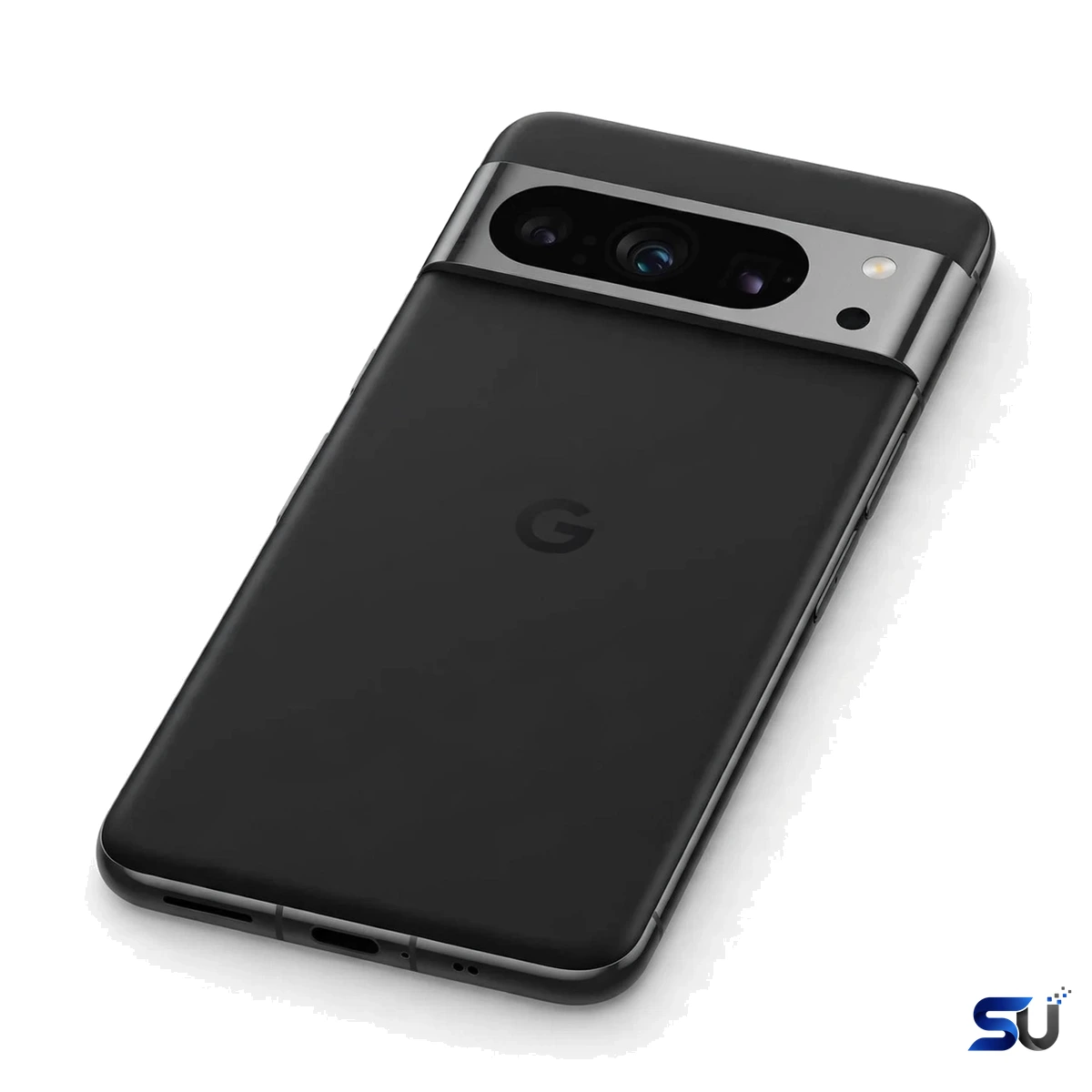
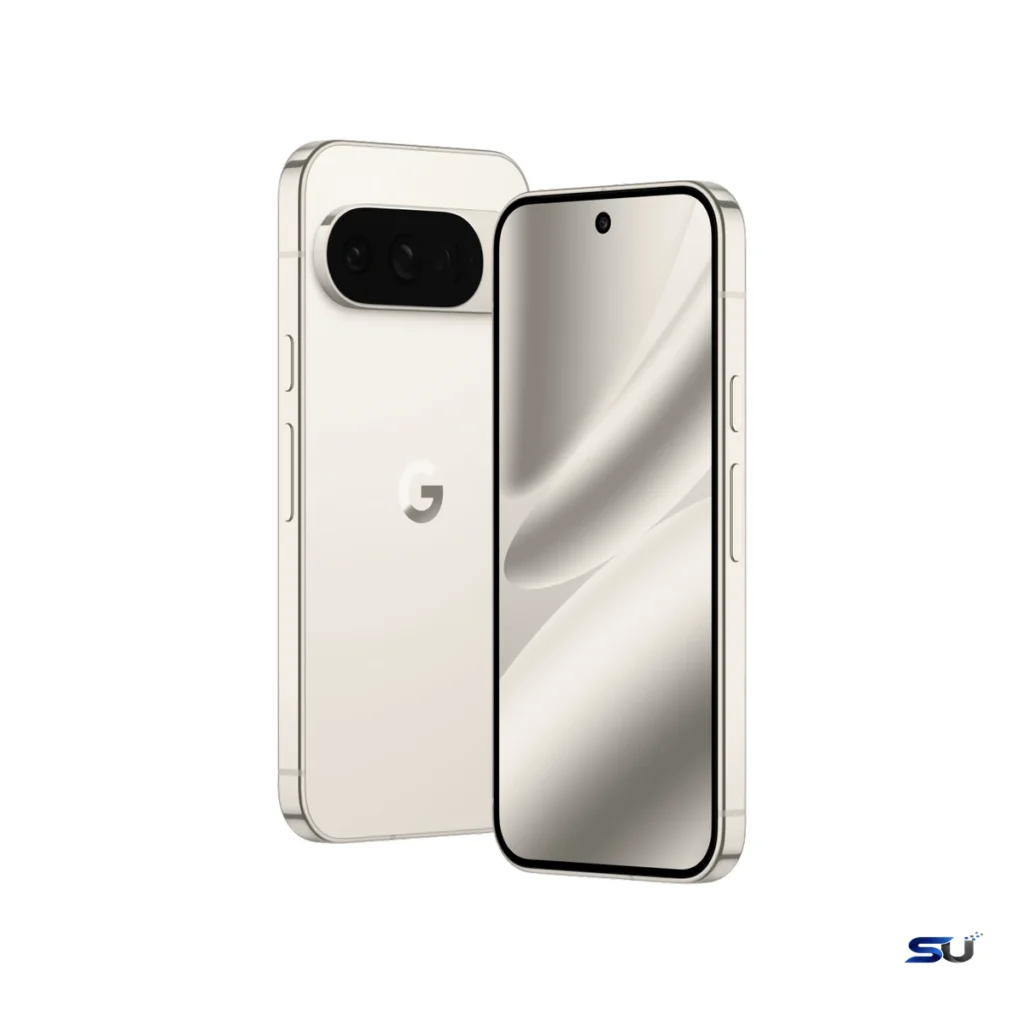
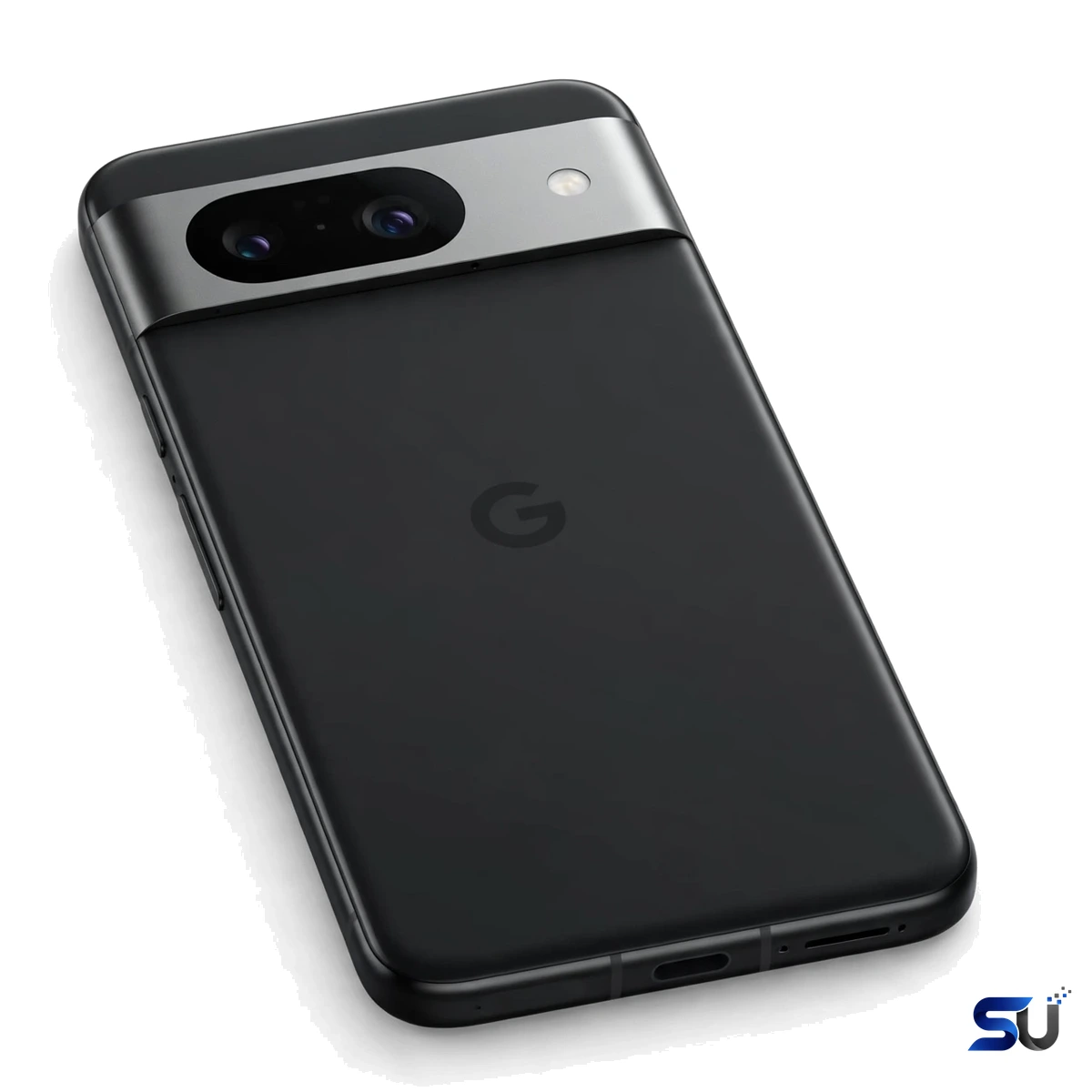
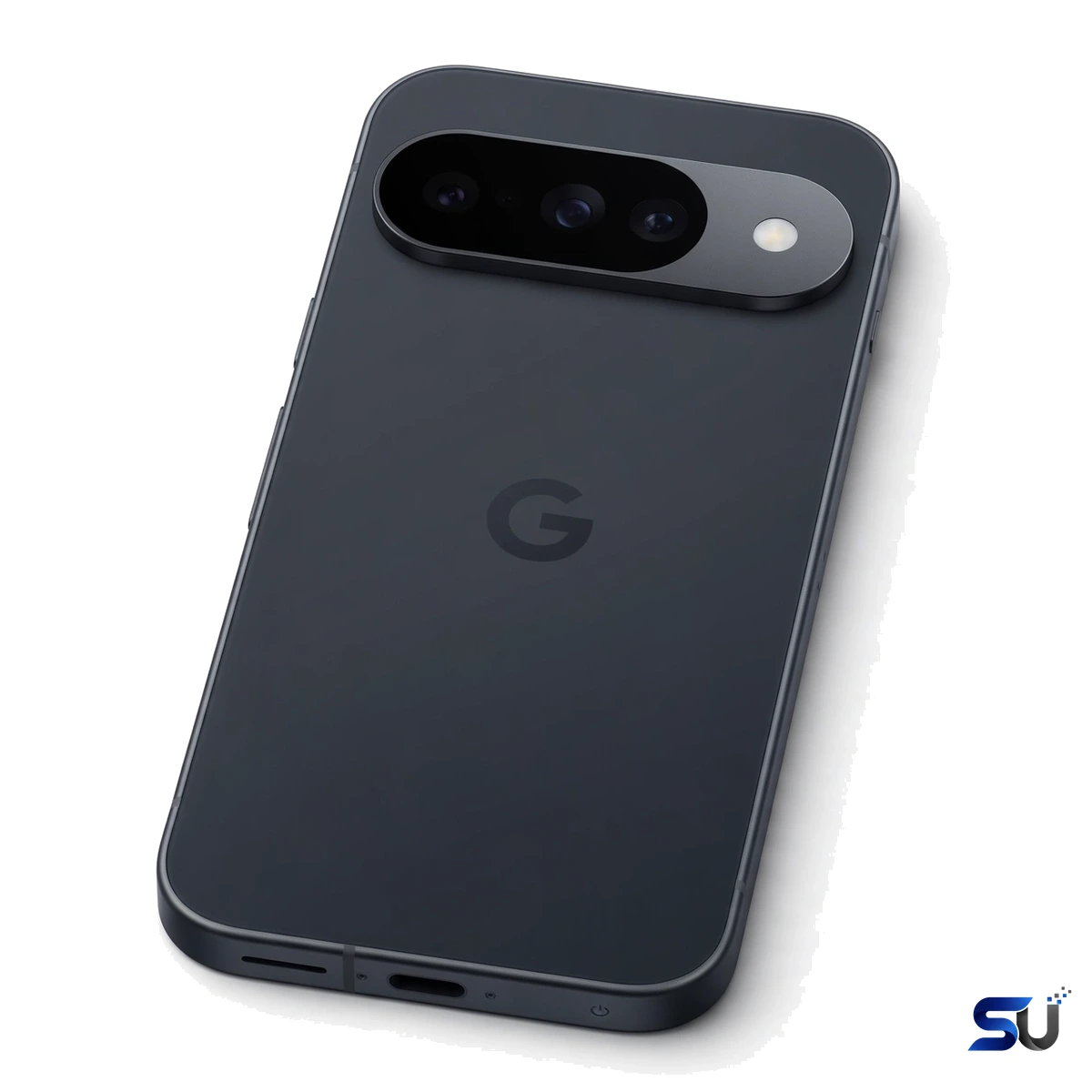
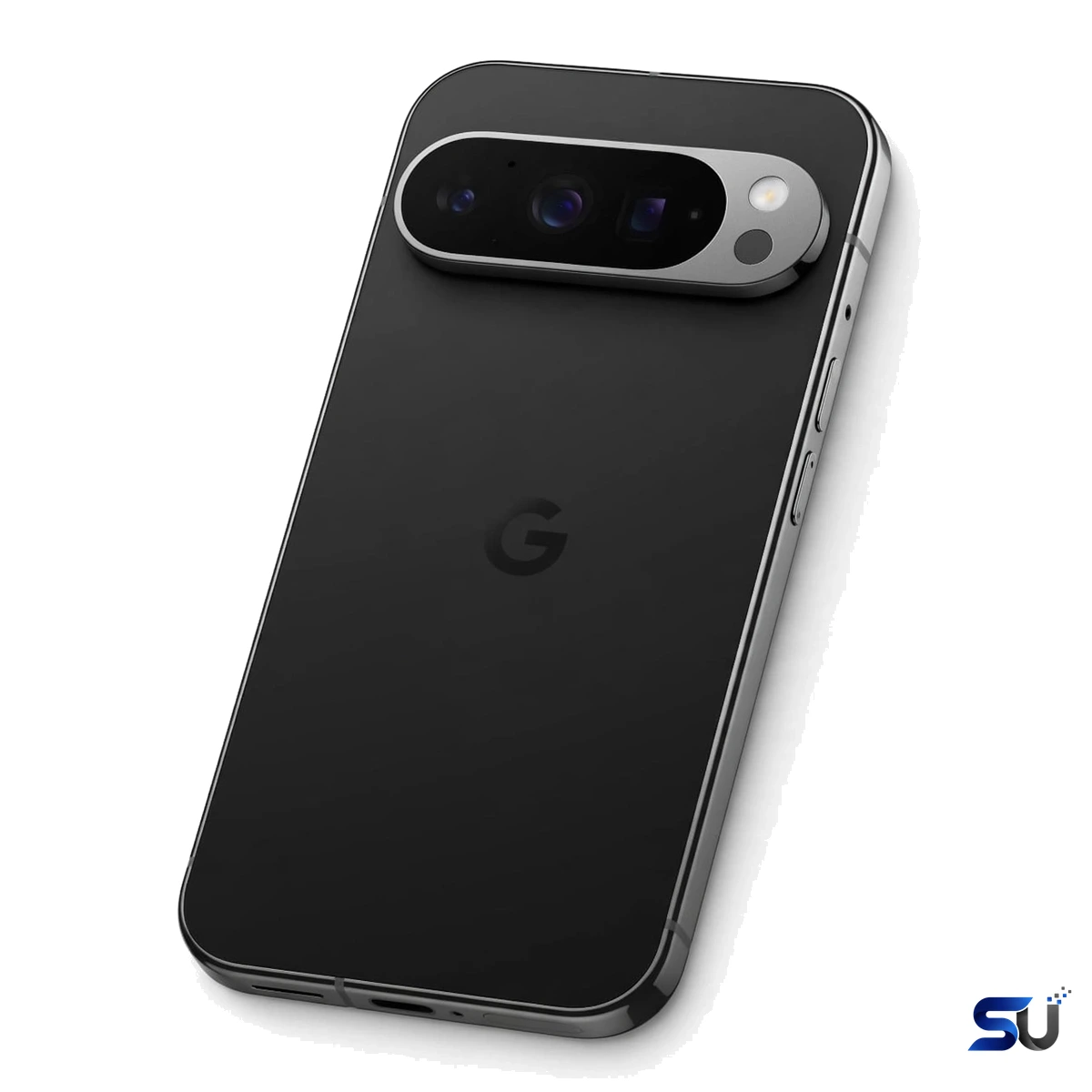
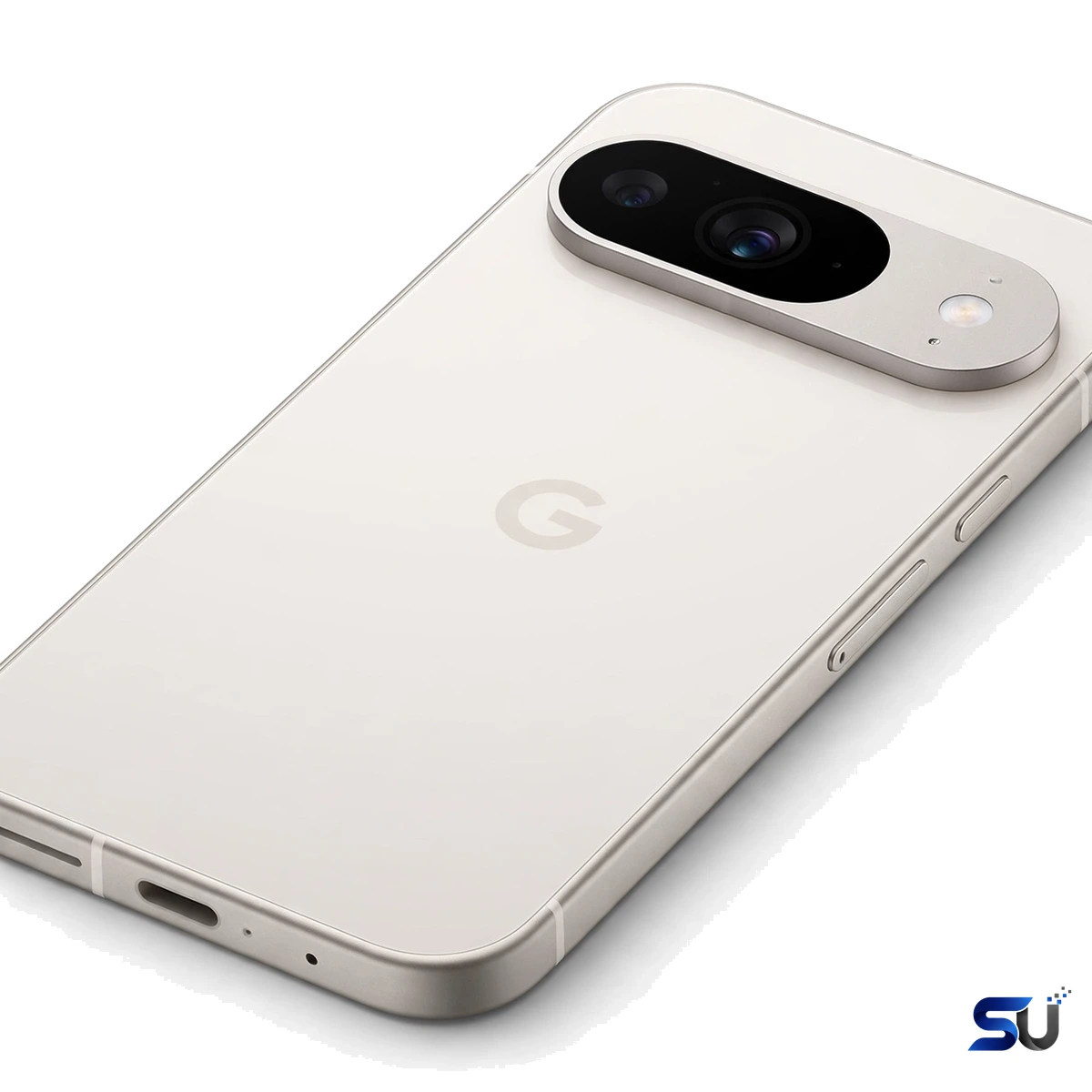
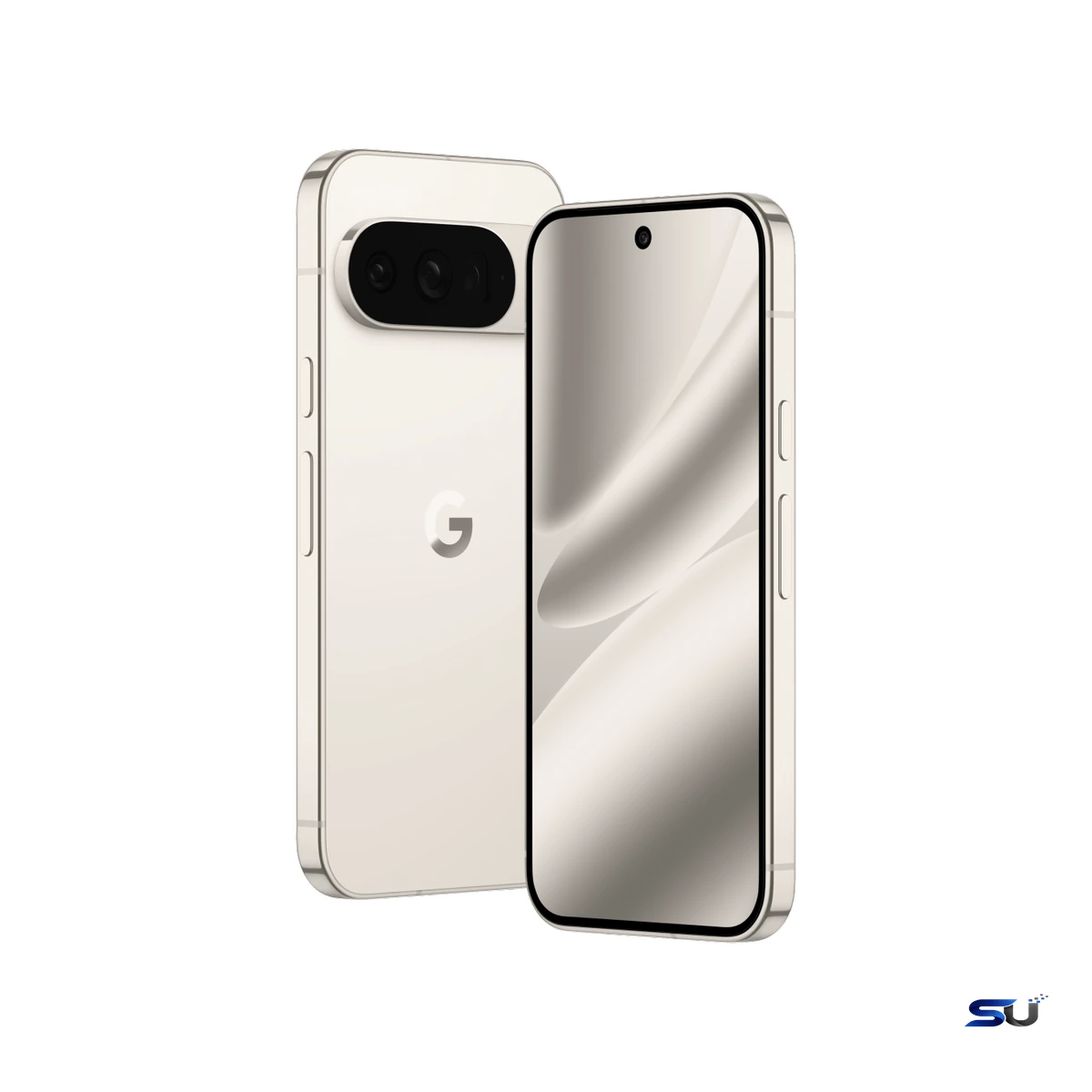
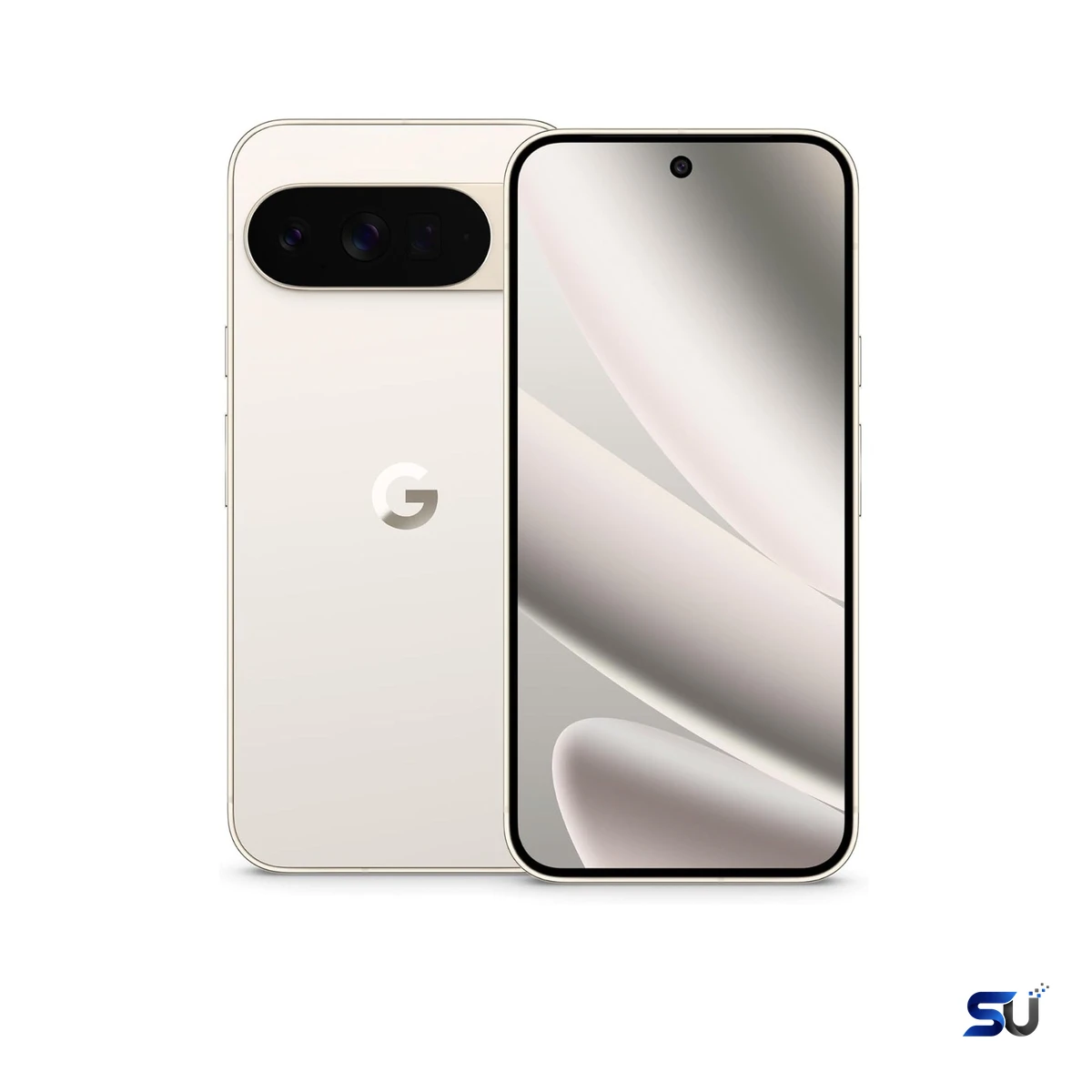
All of Google's AI smarts, none of the XL bulk. The Google Pixel 10 Pro 16GB pairs the Tensor G5 with 16GB of RAM in a 6.3-inch body — the compact Pixel for people who want everything.
Overview
Some phones make you choose between size and capability. However, the Google Pixel 10 Pro 16GB refuses that trade. It is the smaller of Google's two Pro flagships for 2025. Yet it keeps everything that matters. Same Tensor G5 chip. Same 16GB of RAM. The triple camera brings a true 5x telephoto. The seven-year update promise matches its bigger sibling. You give up some screen space and a little battery capacity. In return, you get a phone that fits in a jacket pocket and feels right in one hand.
Google unveiled the Pixel 10 lineup on August 20, 2025. Then the 10 Pro reached US stores on August 28, starting at $999. As a result, it sits directly against the Galaxy S25 and the iPhone 17 Pro. That is exactly the fight Google wants. Still, this year's story goes beyond cameras. Above all, it is about AI you can feel in daily use.
For example, Magic Cue pulls up your flight details the moment a friend asks when you land. Similarly, Call Assist handles the spam calls you would rather skip. Meanwhile, Gemini sits a long-press away. It drafts messages, summarizes long pages, and translates conversations on the fly. None of this is theoretical. In short, it is the everyday stuff that makes a phone feel like a genuinely helpful companion.
Design and Build
Pick up the Google Pixel 10 Pro 16GB and it feels finished. First, the polished aluminum frame has an almost jewelry-like sheen. Second, the matte glass back shrugs off fingerprints. Finally, the camera bar — still the Pixel's signature — stretches across the back with quiet confidence. The phone measures 152.8 mm tall, 72 mm wide, and 8.6 mm thick. It weighs 207 grams. Consequently, those numbers add up to a phone you can truly use one-handed. That is rare among 2025 flagships.
Both the front and back use Corning Gorilla Glass Victus 2. As a result, drops and keys in the same pocket are less of a worry. In addition, the IP68 rating keeps dust out. It also survives a dunk in fresh water up to 1.5 meters for 30 minutes. Google's colors are refreshingly restrained this year. For instance, Moonstone is a soft gray-blue. Jade is a muted green-gold. Porcelain is a warm off-white. Obsidian is near-black. Of these, Moonstone is the one that turns heads.
Power and volume buttons sit on the right edge. They click with a crisp, tactile feel. The USB-C 3.2 port on the bottom handles charging and data. However, there is no headphone jack, which surprises no one at this level. All told, the 10 Pro feels dense and balanced. Indeed, it feels like a well-made tool.
Display
The 6.3-inch Super Actua display is a top reason to buy this phone. It is an LTPO OLED panel at 1280 x 2856. That works out to roughly 495 pixels per inch. Moreover, the refresh rate glides between 1 and 120 Hz to match what is on screen. Consequently, scrolling feels effortless. The always-on display sips power at 1 Hz. Text looks razor sharp.
Brightness is where the "Super" earns its keep. Google rates the panel at 2,200 nits for HDR content. In addition, peak brightness hits 3,300 nits outdoors. Therefore, the screen stays readable in harsh sunlight. That is a practical win for maps and photography on bright days. Colors are vivid without going neon. However, you can tune the profile toward a natural look if you prefer.
The front glass is flat, with slim and even bezels. The in-display fingerprint sensor uses ultrasonic tech. As a result, it is quick and handles damp fingers well. That is a big step up from the optical sensors of Pixels past. Finally, Face Unlock is here too, for glance-and-go moments.
Google Pixel 10 Pro 16GB Camera System
Cameras made the Pixel famous. The 10 Pro keeps the faith with a triple rear setup. Furthermore, it covers every focal length that matters. There is no filler lens here. Just wide, ultrawide, and a proper 5x telephoto. Each one sits behind a serious sensor.
Rear cameras
The main camera uses a 50MP Octa PD sensor. Its f/1.68 aperture pairs with a large 1/1.3-inch format. In addition, optical stabilization keeps things steady. In plain terms, it drinks in light. As a result, indoor and evening shots stay clean. The natural depth of field gives portraits lovely separation. No cut-out look.
The 48MP Quad PD ultrawide covers 123 degrees at f/1.7. Thanks to autofocus, it doubles as a macro camera. Consequently, tiny subjects come out sharp from centimeters away. Think watch dials, flowers, and circuit boards. Then there is the 48MP Quad PD telephoto. It offers 5x optical zoom at f/2.8 with OIS. For example, this is the lens for concerts, games, and shots across the street. Pro Res Zoom reaches 100x with AI-assisted Super Res. At the far end it is more party trick than fine art. But 10x and 30x shots are genuinely usable.
Night Sight and video
Night Sight remains the low-light mode to beat. Now it works for video too. For instance, Astrophotography mode captures the night sky. Similarly, long exposure and action pan add creative options. Video tops out at 8K, at 24 or 30 fps, via Video Boost. For everyday shooting you get 4K at up to 60 fps. As a result, footage is smooth and well-stabilized. Colors have Google's characteristically pleasing look.
The front camera is a 42MP Dual PD unit. It has an f/2.2 aperture and a 103-degree field of view. Moreover, autofocus keeps selfies sharp. The wide view fits group shots without a selfie stick. It records 4K video at 30 or 60 fps. As a result, video calls and vlogs come out crisp.
Performance and the Tensor G5
The Tensor G5 is Google's first chip on TSMC's 3 nm process. The change shows. It is an octa-core design. In addition, the Titan M2 security coprocessor rides along. The chip is tuned for what this phone does most: AI. For example, Gemini Nano runs on-device. Therefore, summarization, transcription, and photo edits happen instantly. Nothing needs to phone home. That is faster and more private.
Day to day, this phone feels effortlessly quick. Apps open instantly. The camera never stutters. Moreover, juggling a dozen apps does not phase it. Google does not chase benchmark crowns with Tensor. That is fine. Instead, this chip is about sustained, cool, efficient real-world speed. Not spec-sheet bragging. It also runs cooler than previous Tensor generations. As a result, anyone who lived through the hot G3 and G4 days will appreciate that.
Memory and storage
Every configuration ships with 16GB of RAM. No tiers. No upsell. That matters more than ever. After all, on-device AI models are hungry for memory. 16GB keeps everything smooth today. Furthermore, it leaves headroom for what Google adds over the next seven years.
Storage starts at 128GB on the $999 base model. Options go up to 256GB, 512GB, and 1TB. All of it is fast UFS 4.0. However, there is no microSD slot. So choose honestly. For instance, if you shoot lots of 4K video, the 256GB model is worth the step up.
Battery and Charging
The battery is rated at 4,870 mAh typical. It is the one place the smaller body asks for compromise. After all, the cell is smaller than the XL's. Even so, Google promises beyond 24-hour battery life. In addition, Extreme Battery Saver stretches that to 100 hours. The 3 nm chip is efficient. The LTPO display sips power at low refresh rates. Consequently, most people will get through a full heavy day without worry.
Wired charging hits 30W over USB-C with PPS. It reaches about 55% in 30 minutes. That is not the fastest in the business. But it is a solid step up from Pixels of old. One note: the charger is not in the box. Indeed, most flagships have dropped it. Therefore, you will want a 30W+ USB-C PPS plug. Only a 1-meter C-to-C cable is included.
Wireless charging is where it gets fun. For example, Pixelsnap brings Qi2 magnets to the Pixel line. It delivers up to 15W. As a result, the phone snaps onto chargers, stands, and wallets with a satisfying click. Standard Qi charging works too. Finally, Battery Share tops up earbuds or a friend's phone from the back of the 10 Pro.
Software, AI, and Updates
The Google Pixel 10 Pro 16GB ships with Android 16. Google's Pixel UI layers on Material 3 Expressive. It is the most playful Android redesign in years. Expect springy animations and bolder shapes. Moreover, the software is clean and fast. No duplicate apps. No bloat. That alone is a top reason to buy a Pixel.
Then there is the AI. It is genuinely useful, not decorative. For instance, Magic Cue surfaces the right info at the right moment. Your flight number appears when you are texting about pickup. Similarly, the restaurant address pops up when you are navigating. Meanwhile, Gemini does the heavy lifting. It summarizes long pages, drafts replies in your voice, and translates conversations live. In addition, Call Assist screens spam. It holds your place in phone queues. It takes messages. Finally, Circle to Search remains the fastest way to look anything up.
What ties it together is on-device processing. The Tensor G5 and Gemini Nano keep everyday requests local. As a result, they work on a plane. Your data stays yours.
The update promise is the industry's best. Seven years of OS upgrades, security patches, and Pixel Drops. Buy this phone in 2025. Consequently, Google will still update it in 2032. That is remarkable value at $999.
Connectivity and Security
The US model covers sub-6 GHz and mmWave 5G. As a result, you get the fastest available speeds on every major carrier. Wi-Fi 7 runs tri-band 2.4/5/6 GHz with 2x2 MIMO. Therefore, home networking is future-proof. Bluetooth 6.0 handles audio and accessories. NFC covers payments. Moreover, ultra-wideband enables precise finding and digital keys. Thread supports smart-home gear. Dual-band GNSS keeps location fast and accurate. It uses GPS, GLONASS, and Galileo.
One thing to know: the US version is dual eSIM only. Consequently, there is no physical SIM tray. It stores eight or more eSIM profiles. Two can stay active at once. That is more flexible than a single physical SIM. However, switching carriers takes a few taps instead of a tray eject.
Security runs through the Titan M2 chip. The ultrasonic in-display fingerprint sensor backs it up. Face Unlock is the third option. For safety, Satellite SOS messages for help without cell coverage. In addition, Emergency SOS, car crash detection, and crisis alerts are here too. These are features you hope never to use. Ultimately, you will be glad they exist.
Pros and Cons
Strengths:
True compact flagship — full Pro specs in a 6.3-inch, 207g body
Superb 6.3-inch LTPO OLED with 3,300-nit peak brightness for sunlight readability
Triple camera with 5x optical telephoto and 100x Pro Res Zoom
Tensor G5 (3 nm) and 16GB RAM keep AI features and multitasking smooth
4,870 mAh battery with 30W wired and 15W magnetic Qi2 (Pixelsnap) wireless charging
Seven years of OS, security, and Pixel Drop updates
Clean Android 16 software with genuinely useful Gemini AI features
IP68 dust and water resistance with Gorilla Glass Victus 2 front and back
Trade-offs:
30W charging is solid but slower than some rivals
No microSD expansion; the base model starts at 128GB
Charger sold separately — not included in the box
US model is eSIM-only, with no physical SIM tray
Premium $999 starting price before storage upgrades
Frequently Asked Questions
Does the Google Pixel 10 Pro 16GB support wireless charging?
Yes. The Google Pixel 10 Pro 16GB supports Qi2 magnetic wireless charging via Pixelsnap at up to 15W. Standard Qi charging works too. In addition, Battery Share reverse wireless charging tops up earbuds and other phones from the back of the device.
How much RAM and storage does the Google Pixel 10 Pro 16GB have?
Every model includes 16GB of RAM. Storage options are 128GB, 256GB, 512GB, and 1TB. All of it is fast UFS 4.0. However, there is no microSD card slot. So pick your storage tier carefully.
Is the Google Pixel 10 Pro 16GB water resistant?
Yes. The IP68 rating keeps dust out. The phone survives fresh water up to 1.5 meters for 30 minutes. Still, water damage is not covered by warranty. Therefore, treat the rating as insurance, not an invitation.
How long will the Google Pixel 10 Pro 16GB get updates?
Google promises seven years of updates from launch. That covers OS upgrades, security patches, and Pixel Drop features. For example, the phone runs Android 16 in 2025. It will stay current well into the 2030s. As a result, no other brand commits this long.
What is the difference between the Pixel 10 Pro and the Pixel 10 Pro XL?
Mostly size and battery. The standard Pro has a 6.3-inch display and a 4,870 mAh battery. In contrast, the XL steps up to 6.8 inches and 5,200 mAh. It also charges faster: 45W wired and 25W wireless. The chip, RAM, cameras, and software are identical. Ultimately, choose the size that fits your hand and pocket.
Is the Google Pixel 10 Pro 16GB worth buying?
It suits anyone who wants a compact phone without compromise. For instance, you get top-tier cameras with 5x telephoto. You get the smartest AI features on any phone. You get clean software and seven years of updates. Prefer a bigger screen or faster charging? Then the 10 Pro XL or a rival ultra may fit better. For most people, this is the sweet spot of the Pixel 10 lineup.