Google Pixel 9 Pro 16GB overview
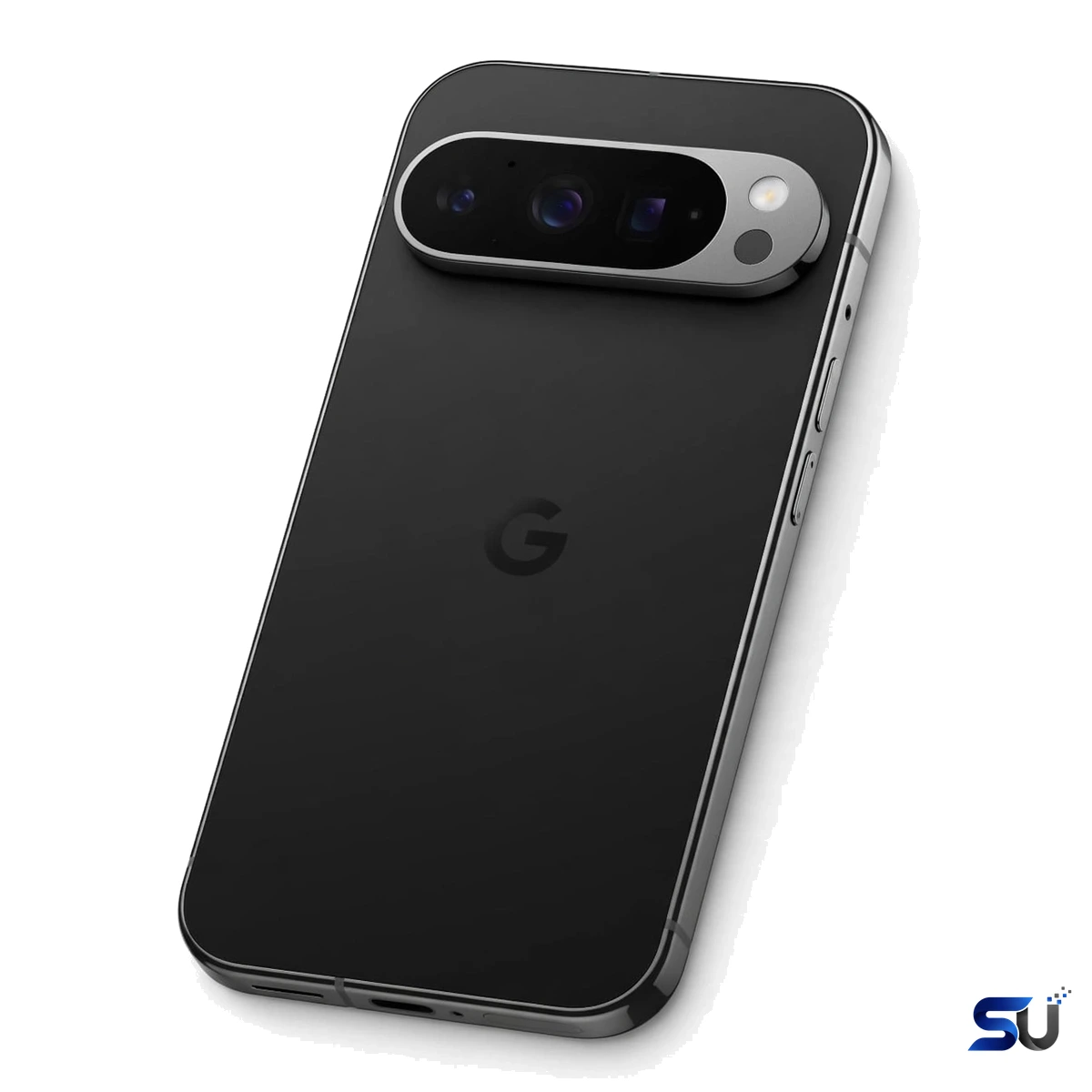
The Google Pixel 9 Pro 16GB is Google's ultimate compact flagship for 2024. It combines a stunning 6.3-inch 120Hz LTPO OLED display with the Tensor G4 chip and a generous 16GB of RAM. The triple rear camera adds a 5x periscope telephoto to Google's legendary computational photography. In addition, a 4,700mAh battery and seven years of software updates make this a phone built to last. As a result, the Pixel 9 Pro delivers a true Pro experience without the bulk of an XL model.
Unlike the standard Pixel 9, the Pro brings a sharper display, more RAM and a dedicated zoom camera. Its 42MP front camera is the highest resolution on any Pixel. Furthermore, the polished aluminum frame and Victus 2 glass feel unmistakably premium. For photography enthusiasts who want the best Pixel in a manageable size, this is the one to get. This guide covers every detail in plain language, from the camera system to battery life and software support.
Design: Pro polish in a compact frame
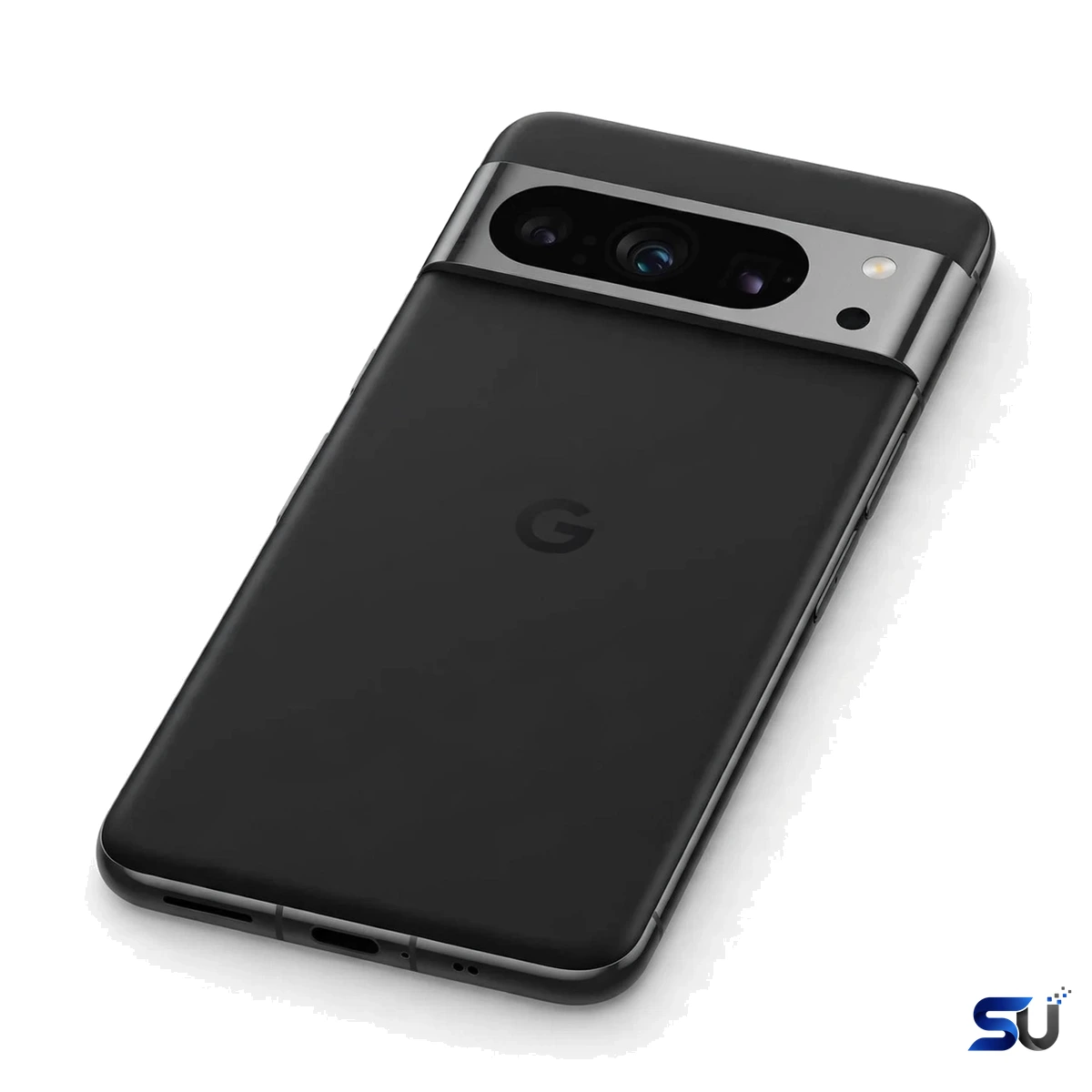
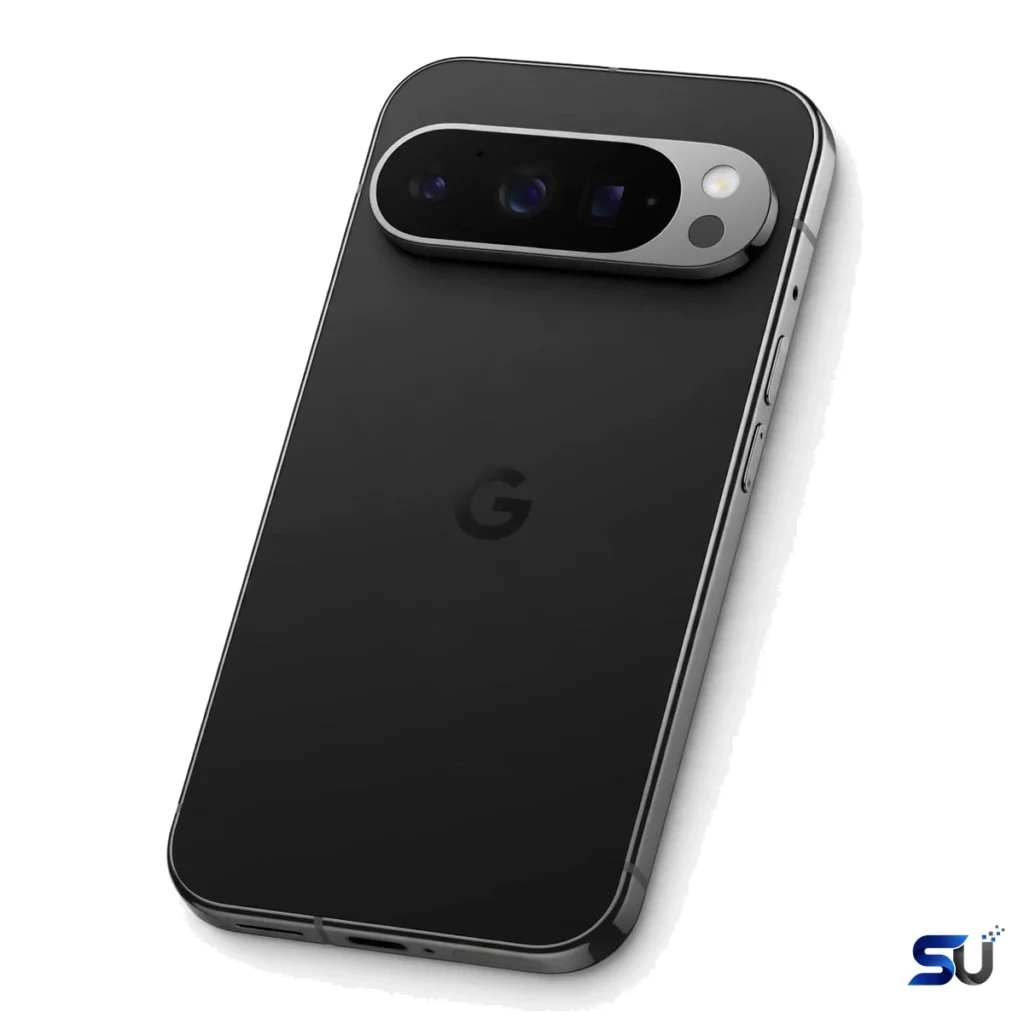
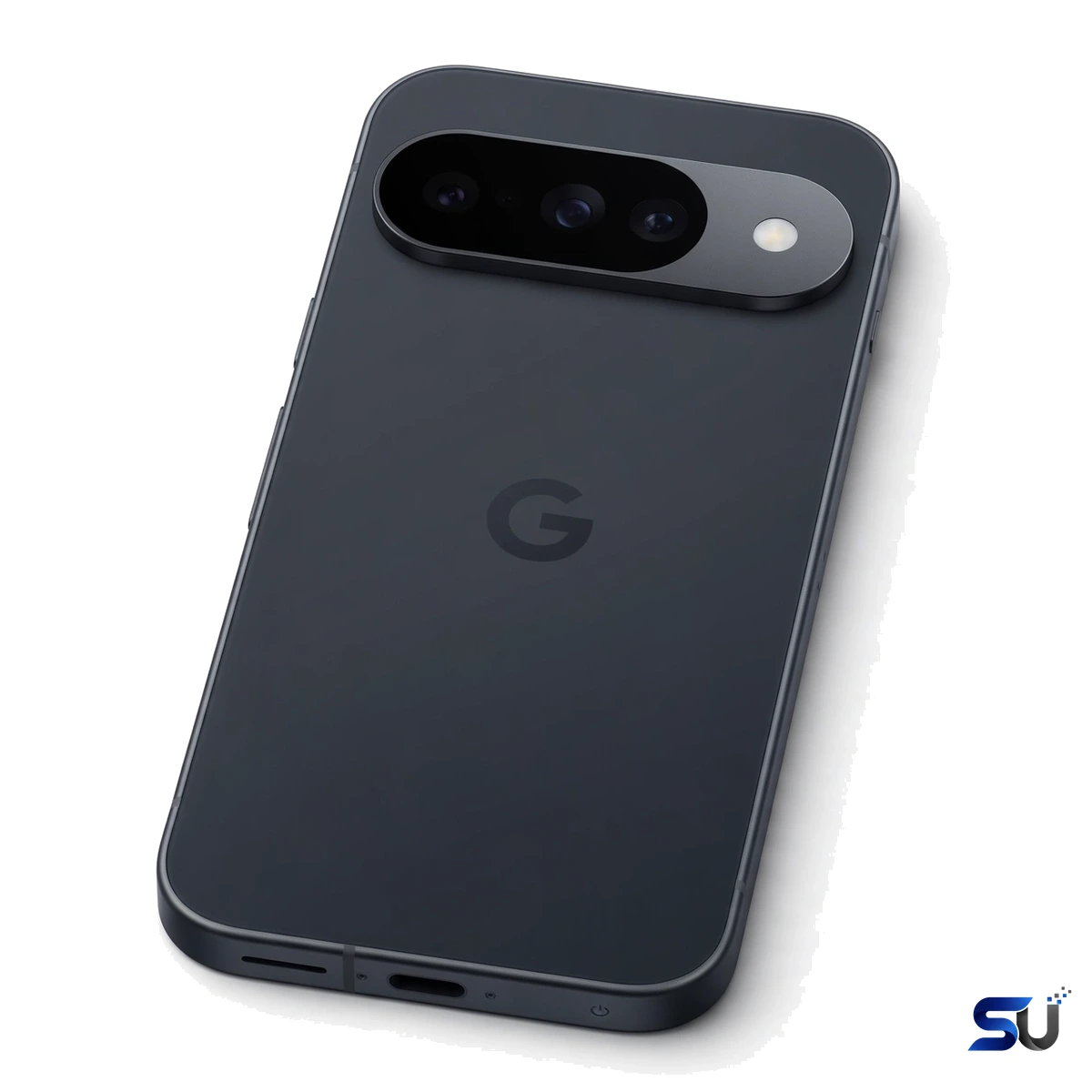
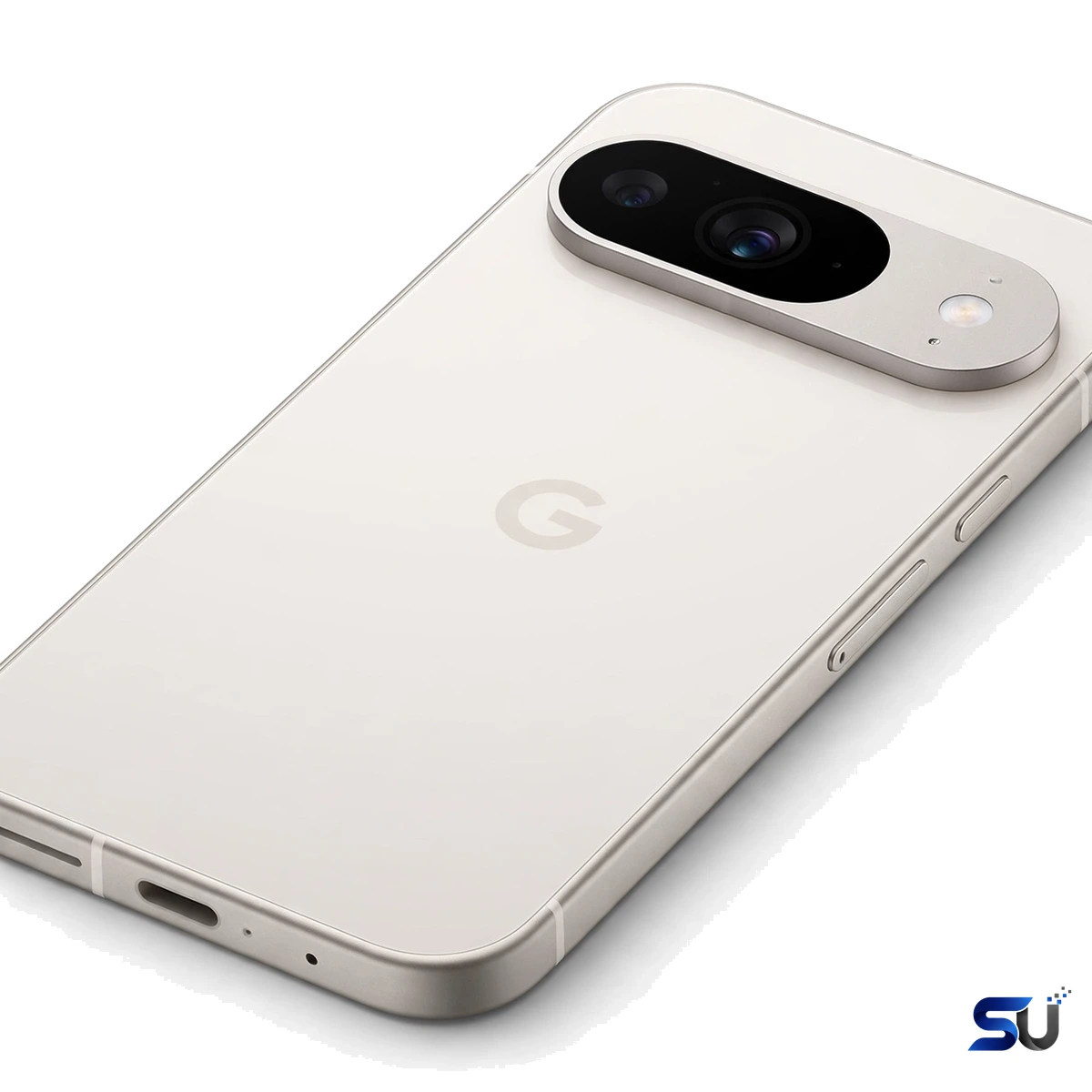
The Pixel 9 Pro looks and feels like a luxury object. Gorilla Glass Victus 2 covers both faces, joined by a polished aluminum frame. At 152.8 x 72 x 8.5 mm and 199 grams, it matches the standard Pixel 9's footprint. Moreover, the camera bar now houses three lenses in an elegant pill-shaped module. It sits flush enough to avoid wobbling on desks.
An IP68 rating protects against dust and 1.5 metres of water for 30 minutes. The under-display ultrasonic fingerprint sensor is fast and reliable. In addition, the fit and finish are immaculate, with no sharp edges or flex. Four sophisticated colours are offered: Porcelain, Rose Quartz, Hazel and Obsidian. The Hazel and Rose Quartz finishes look particularly refined, giving the phone a distinctive character that stands out from typical black slabs.
LTPO display: sharper and brighter
The 6.3-inch LTPO OLED is a clear step up from the standard model. It renders a crisp 1280 x 2856 resolution, which equals about 495 pixels per inch. Text looks razor sharp, and fine details in photos shine. Furthermore, the LTPO backplane adjusts the refresh rate from 1Hz to 120Hz to save power. HDR10+ support enriches compatible video with deeper contrast and more vibrant highlights.
Brightness is exceptional. Google rates the panel at 3,000 nits peak, with 2,000 nits in high-brightness mode. Independent tests measured over 2,300 nits. In practice, therefore, the screen stays readable even in harsh midday sun. The always-on display is elegant and efficient, showing time and notifications without draining the battery. Gorilla Glass Victus 2 guards against scratches from keys and coins. For a compact phone, this display is best in class.
Tensor G4 with 16GB of RAM
The Google Tensor G4 drives the Pixel 9 Pro. This 4nm chip combines a 3.1GHz Cortex-X4 prime core with three 2.6GHz Cortex-A720 cores and four efficient 1.92GHz cores. The Mali-G715 MC7 handles graphics. More importantly, in fact, dedicated AI cores accelerate on-device Gemini features. The 16GB of RAM is the most ever in a Pixel, ensuring smooth multitasking and headroom for future AI capabilities.
Benchmarks show around 1,088,917 in AnTuTu 10 and 4,728 in Geekbench 6. These trail the fastest Snapdragon chips, yet daily performance feels flawless. Apps launch instantly, and 16GB of RAM keeps everything resident in memory. Games run smoothly, although extreme titles may prefer slightly reduced settings. Moreover, the generous RAM future-proofs the phone for demanding AI features that will arrive via software updates over the coming years.
Storage: 128GB with larger options
This configuration pairs 16GB of RAM with 128GB of UFS 3.1 storage. Google also offers 256GB, 512GB and 1TB versions for power users. However, there is no microSD slot, so the choice at purchase is permanent. Photographers and videographers should consider stepping up to avoid running out of space.
Cloud services ease the constraint. Google Photos backs up images intelligently, and streaming reduces local media needs. Still, 8K video and Pro RAW files consume space quickly, so heavy creators will fill 128GB fast. For most buyers, therefore, 128GB suffices, while creators will want 256GB or more. The fast UFS 3.1 storage keeps app installs, file transfers and photo processing feeling instant.
Triple camera with 5x periscope zoom
The rear camera system is the Pixel 9 Pro's crowning glory. A 50MP main sensor with f/1.7 aperture, dual-pixel autofocus and OIS leads the way. The 48MP periscope telephoto offers 5x optical zoom with OIS. Indeed, the 48MP ultrawide covers a sweeping 123-degree field of view. Google's processing extracts the maximum from all three sensors.
Daylight images show superb detail, dynamic range and natural colour. The 5x telephoto captures distant subjects with remarkable clarity, from architecture to wildlife. Portrait mode renders convincing blur with accurate edge detection. Overall, in fact, this is among the finest camera systems on any smartphone. Zoom, ultrawide and main all feel like primary cameras, with no weak link.
Night Sight and Pro controls
Low-light performance remains a Pixel signature. Night Sight brightens dark scenes while preserving mood and suppressing noise. All three rear cameras and the front camera support it. As a result, astrophotography captures stunning star fields with a tripod. Rivals costing more struggle to match these night shots.
Pro controls unlock manual shooting with RAW capture for enthusiasts who want full creative control. Magic Eraser, Best Take and Magic Editor refine images after the fact. Furthermore, Zoom Enhance sharpens digital zoom shots using AI. These tools work on-device and feel genuinely useful rather than gimmicky. For night owls and travel photographers, the Pixel 9 Pro is unmatched.
Video and the 42MP front camera
Video reaches 8K at 30fps via cloud-based upscaling, alongside 4K at up to 60fps. Gyro-EIS plus OIS delivers impressively stable footage, even while walking. Meanwhile, 10-bit HDR recording preserves highlight and shadow detail. Colours stay consistent across all three lenses. Video Boost enhances clips through cloud processing for extra polish.
The 42MP front camera is a standout. Its ultrawide f/2.2 lens with autofocus captures sharp, detailed selfies. It records 4K video at 30 or 60fps, making it excellent for vlogging. In addition, group selfies and video calls look superb with wide framing. Content creators will find this the best front camera on any flagship, by a clear margin.
Battery life and charging
The Google Pixel 9 Pro 16GB carries a 4,700mAh battery that lasts all day. Independent tests recorded about 13 hours and 11 minutes of active use. In practice, most users finish the day with reserve to spare. Moreover, the LTPO display and efficient Tensor G4 stretch every charge. Overnight standby drain is negligible, so the phone sips power when idle.
Wired charging runs at 27W with PD3.0 and PPS, reaching 55 percent in 30 minutes. A full charge takes around 90 minutes. Wireless charging hits 21W on the Pixel Stand or 12W with standard Qi pads. Reverse wireless charging tops up earbuds in a pinch. There is also bypass charging, which powers the phone directly during gaming to reduce heat and preserve battery health. Therefore, while wired speeds are modest, endurance and wireless convenience compensate well.
Connectivity and security
Every modern standard is covered. 5G spans sub-6GHz bands, with LTE, HSPA and GSM fallback. Nano-SIM plus eSIM enables dual numbers for work and personal lines. Furthermore, Wi-Fi 7 with tri-band support future-proofs wireless networking. Bluetooth 5.3 includes aptX HD for premium wireless audio quality.
Positioning uses dual-band GPS with GLONASS, Galileo, BeiDou, QZSS and NavIC for accurate navigation worldwide. NFC handles payments and transit. The USB-C 3.2 port transfers data quickly. Security combines the Titan M2 chip, ultrasonic fingerprint reader and face unlock. In addition, Satellite SOS offers emergency messaging beyond cellular coverage in supported regions. UWB enables precise item tracking with compatible accessories.
Seven years of Android updates
Google promises seven years of OS and security updates, the best in the industry. The phone launched with Android 14 and upgrades through Android 16 and beyond. Therefore, quarterly Pixel Drops deliver new features for years. Support extends well into the 2030s, protecting your investment.
Stock Android remains clean and swift. There is no bloatware or duplicate apps. New AI capabilities arrive on Pixels first, before other brands. Moreover, long support preserves resale value and keeps banking and security apps compatible. Buyers who keep phones for years will find no better software commitment on Android.
Gemini AI and smart features
AI is deeply integrated throughout the experience. Gemini manages complex voice requests, summarizes web pages and drafts messages. For example, Call Screen handles spam callers automatically, while Hold For Me waits on hold for you. Live Translate bridges languages in calls and chats. These features genuinely save time every day.
Camera AI impresses too. Add Me includes the photographer in group shots. Audio Magic Eraser removes wind noise from videos. The Recorder app transcribes meetings with speaker labels. Most processing happens on-device for privacy. While rivals treat AI as decoration, in fact, Google's implementation feels essential and thoughtfully designed.
Strengths of the Google Pixel 9 Pro 16GB
In short, the Pixel 9 Pro's strengths span cameras, display, memory and support. Few compact flagships match this complete package.
- Superb triple camera with 5x periscope optical zoom
- Sharp 6.3-inch 120Hz LTPO OLED at 3,000 nits peak
- 16GB of RAM for AI features and multitasking
- 42MP autofocus front camera, best in class
- Seven years of Android and security updates
- IP68 rating with premium Victus 2 build
- 21W wireless and reverse wireless charging
Limitations to consider
However, the Pixel 9 Pro is not perfect. Weigh these trade-offs before buying.
- Tensor G4 trails Snapdragon in raw benchmarks
- 27W wired charging is slow for a Pro flagship
- No microSD expansion available
- Premium price, though deals appear regularly
- Compact size may feel small for media lovers
Who the Google Pixel 9 Pro 16GB is for
The Google Pixel 9 Pro 16GB is for photography lovers who want Pro cameras without a giant phone. The 5x periscope zoom and 42MP selfie camera lead the class. In addition, Pixel fans get the purest Android with the longest support. Professionals will value the AI call screening and transcription tools.
Those wanting the biggest screen should consider the Pro XL instead. Gamers chasing maximum frame rates might prefer Snapdragon rivals. For everyone seeking the best compact camera flagship with long-term software support, however, the Pixel 9 Pro is the definitive choice.
Before you buy checklist
A few checks ensure the right configuration. Storage and carrier compatibility matter most.
- Pick 128GB, 256GB, 512GB or 1TB; no expansion slot
- Confirm 5G bands with your carrier
- Look for trade-in and bundle promotions
- Choose a case to protect the polished frame
- Verify eSIM support for travel needs
Frequently asked questions
Is the Google Pixel 9 Pro 16GB good for photography?
Yes, it ranks among the very best camera phones. The 50MP main, 48MP 5x periscope and 48MP ultrawide all excel. Night Sight and AI editing lead the industry. Most reviewers place it at the top for stills.
What is the optical zoom range?
The periscope telephoto provides 5x optical zoom. Super Res Zoom extends to 30x digitally with AI enhancement. Results at 5x and 10x look excellent.
How long will the Pixel 9 Pro be updated?
Google promises seven years of OS and security updates. That covers major Android versions into the early 2030s. It is the longest support on Android.
Does it support wireless charging?
Yes. It charges at 21W on the Pixel Stand and 12W with Qi pads. Reverse wireless charging powers accessories. Wired charging is 27W.
Is 16GB of RAM noticeable?
Yes, particularly for AI features and heavy multitasking. Apps stay resident longer, and on-device Gemini runs smoothly. It also future-proofs the phone for years.
What colours are available?
Google offers Porcelain, Rose Quartz, Hazel and Obsidian. Availability varies by region and storage configuration. Hazel and Rose Quartz are especially elegant.
Final summary
The Google Pixel 9 Pro 16GB is the complete compact flagship. It pairs a Pro triple camera with a brilliant LTPO display, 16GB of RAM and seven years of updates. The Tensor G4 favours intelligence over benchmarks, and that suits the Pixel philosophy perfectly.
Charging speed is the main compromise, but little else disappoints. If you want the finest photography and software in a pocketable Pro phone, indeed, the Pixel 9 Pro belongs at the top of your shortlist.