Google Pixel 9a 8GB: price, launch and colors
The Google Pixel 9a 8GB is Google's affordable entry in the Pixel 9 family. It launched on April 10, 2025, after an announcement on March 19, 2025. The phone starts at $499 for the 128GB model, which makes it one of the most competitively priced phones with flagship-level software support.
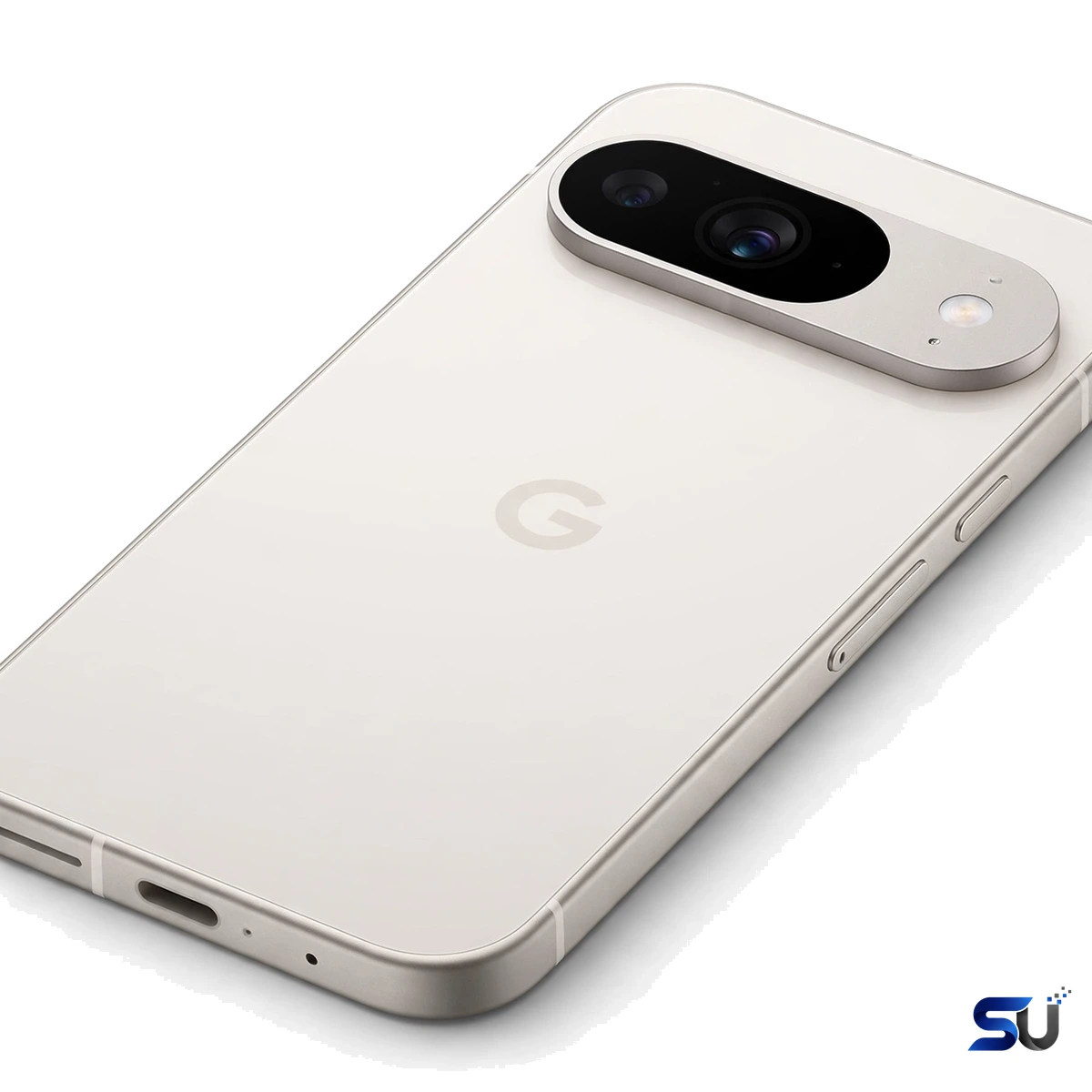
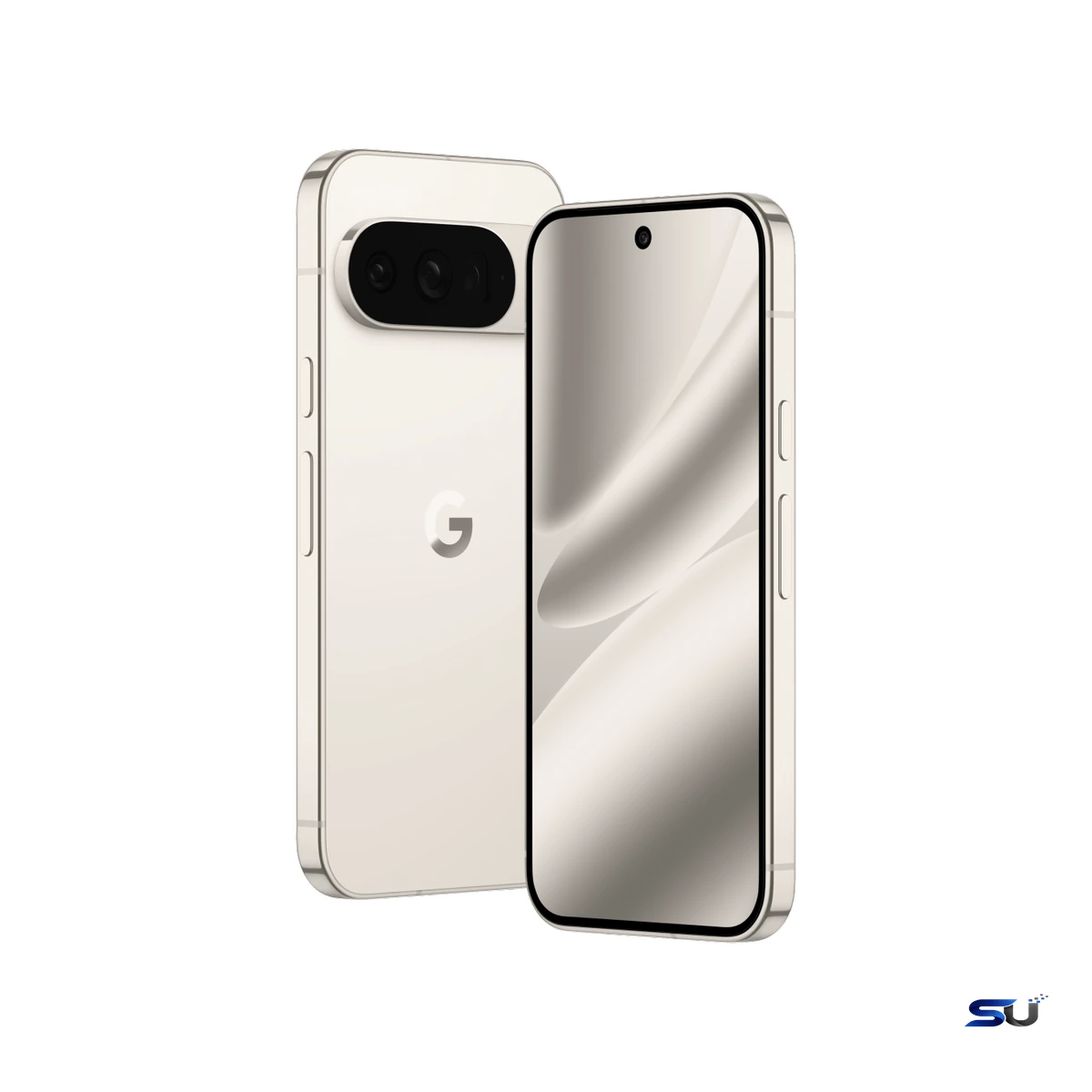
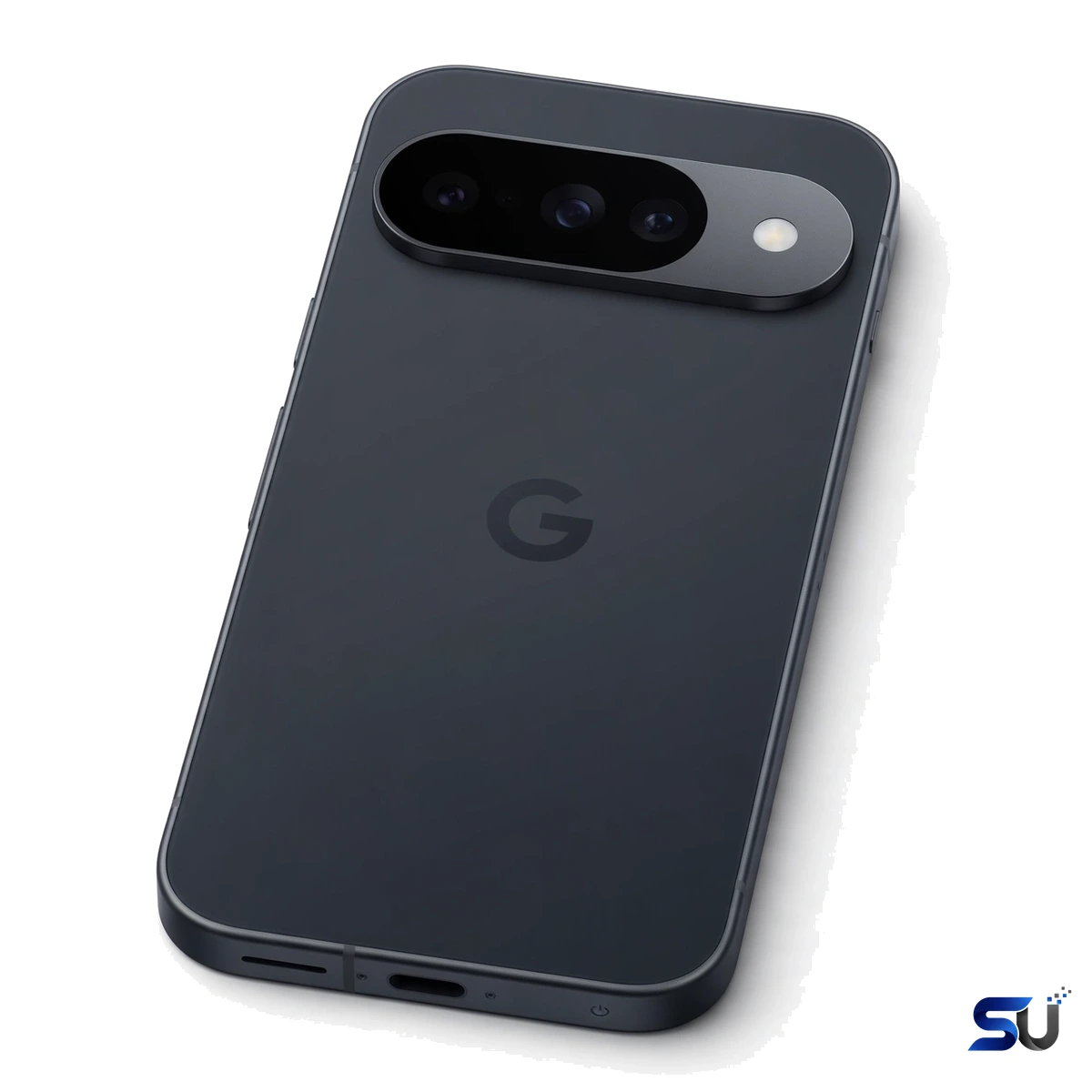
Google sells the Google Pixel 9a 8GB in four colors: Iris, Peony, Porcelain, and Obsidian. Iris is a soft blue-grey, while Peony adds a warm pink tone. Porcelain offers a clean off-white look, and Obsidian is the classic black option. As a result, buyers get real choice without paying extra for color.
At $499, the Google Pixel 9a 8GB sits well below the Pixel 9. Yet it shares the same Tensor G4 chip and the same seven-year update promise. For many buyers, that combination is the main reason to consider it.
Design and build quality
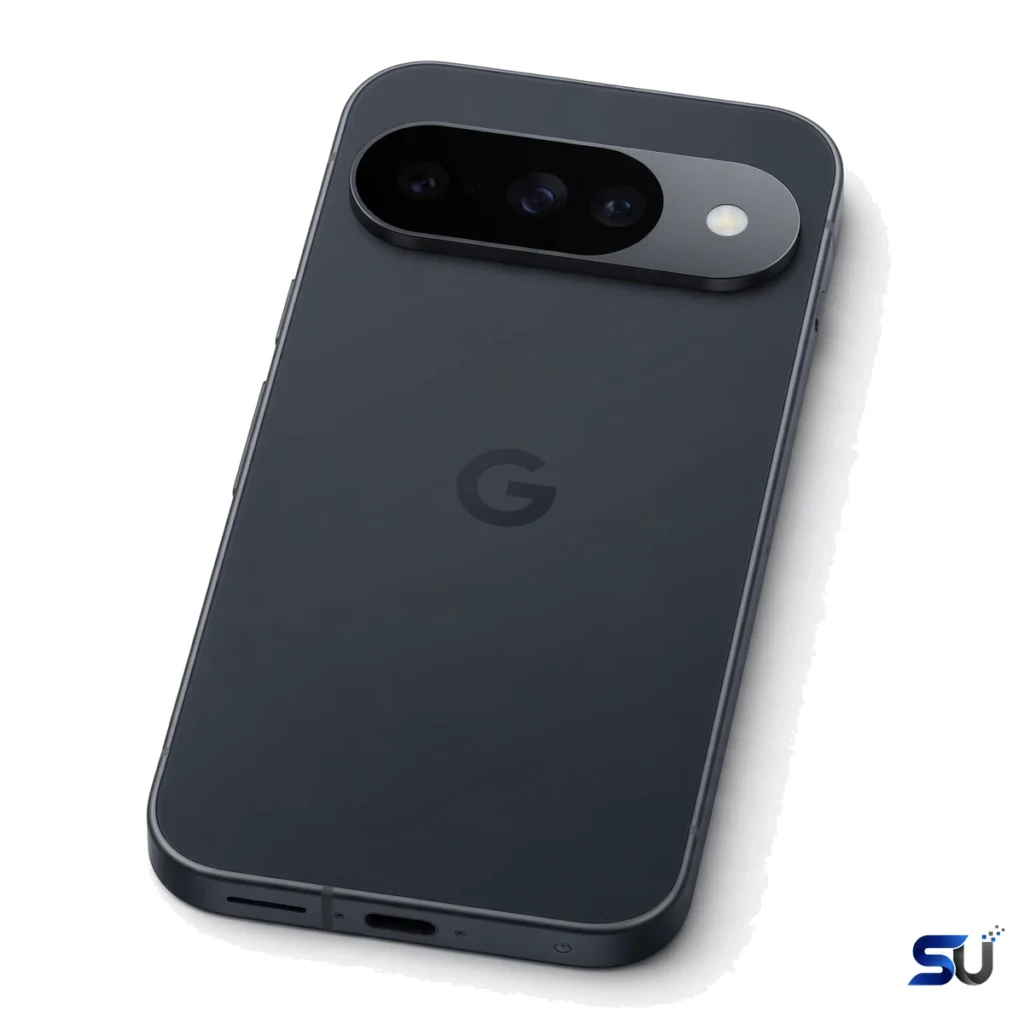
The design of the Google Pixel 9a 8GB is simple and understated. Unlike its pricier siblings, it skips the raised camera bar. Instead, the dual cameras sit nearly flush with the back. This gives the phone a cleaner look and helps it sit flat on a table.
The frame is aluminum, and the front uses Corning Gorilla Glass 3. The back has a matte composite finish that resists fingerprints well. In addition, the phone carries an IP68 rating for dust and water resistance. In fact, it is the first A-series Pixel to reach IP68, which is a meaningful durability upgrade.
Dimensions are 154.7 x 73.3 x 8.9 mm, and the phone weighs about 186 grams. It feels balanced in the hand rather than heavy. Overall, the build feels solid for a $499 device, although the design is plain compared with more expensive Pixels.
6.3-inch OLED display
The Google Pixel 9a 8GB has a 6.3-inch pOLED display with a 1080 x 2424 resolution. That works out to roughly 422 pixels per inch, so text and images look sharp. The panel supports HDR content and an adaptive 60-120Hz refresh rate for smooth scrolling.
Brightness is a strong point here. The screen reaches up to 2,700 nits at peak, with 1,800 nits in high-brightness mode. As a result, outdoor visibility is very good for this price. Google markets the panel as an Actua display, the same branding used on the standard Pixel 9.
Protection comes from Corning Gorilla Glass 3, which is an older generation of glass. It still guards against everyday scratches, but it is not as tough as the Victus glass on pricier models. Even so, the display is one of the best you will find near $500.
Tensor G4 performance and everyday speed
At the heart of the Google Pixel 9a 8GB is the Google Tensor G4. This is the same 4nm chip that powers the Pixel 9 and Pixel 9 Pro. Because of that, everyday performance is essentially flagship-level despite the mid-range price.
Apps open quickly, multitasking feels smooth, and the phone handles Google's AI features without strain. Google tunes the chip more for efficiency and AI workloads than for raw gaming power. Still, for daily use, most owners will find it fast and responsive.
CPU, GPU and gaming
The Tensor G4 uses an octa-core CPU: one 3.1 GHz Cortex-X4 prime core, three 2.6 GHz Cortex-A720 cores, and four 1.92 GHz Cortex-A520 efficiency cores. Graphics come from the Mali-G715 MC7 GPU. This setup is identical to the Pixel 9, so performance is consistent across the lineup.
For gaming, the Google Pixel 9a 8GB handles popular titles at smooth frame rates. Demanding games run well, although the phone can warm up during long sessions. It is not a dedicated gaming phone, but casual and mid-level gaming is perfectly enjoyable.
8GB RAM and 128GB storage
The phone pairs its chip with 8GB of LPDDR5X RAM. That is enough for smooth multitasking and for running Gemini AI features on-device. In addition, 8GB matches what the standard Pixel 9 offers.
Storage is 128GB of UFS 3.1 in this variant, and Google also sells a 256GB version. There is no microSD slot, so buyers should choose carefully. For most people, 128GB is enough, especially with Google's cloud storage options. However, heavy photo and video users may prefer the 256GB model.
48MP dual camera system
Cameras are the traditional strength of Pixel phones, and the Google Pixel 9a 8GB keeps that reputation. It uses a dual rear camera system led by a 48MP main sensor. Google's computational photography does much of the heavy lifting, so photos look clean and natural.
Features like Night Sight, Super Res Zoom, Best Take, and Magic Editor all work here. As a result, the camera experience feels very close to what pricier Pixels offer. For a $499 phone, the camera is genuinely impressive.
Main and ultrawide cameras
The main camera uses a 48MP sensor with an f/1.7 aperture and optical image stabilization. It has a 1/2-inch sensor with dual-pixel autofocus for fast, accurate focusing. In daylight, photos show good detail and natural colors.
The second camera is a 13MP ultrawide with an f/2.2 aperture and a 120-degree field of view. It is useful for landscapes, group shots, and tight indoor scenes. There is no dedicated telephoto lens, so zoom relies on the 8x Super Res Zoom digital crop. Even so, short-range zoom shots look decent.
Video recording and front camera
Video recording goes up to 4K at 30 or 60 frames per second. The phone also shoots 1080p at up to 120fps for slow motion. Both gyro-based electronic stabilization and optical stabilization help keep footage steady.
The front camera is a 13MP sensor with an f/2.2 lens and a wide 96.1-degree field of view. It records 4K video at 30fps, which is unusual at this price. Selfies look sharp, and the wide angle fits groups easily.
Battery life and charging
The Google Pixel 9a 8GB packs a 5,100mAh battery. That is the largest battery Google has ever put in a Pixel phone. Combined with the efficient Tensor G4, battery life is one of this phone's biggest strengths.
Google claims over 30 hours of typical use, and up to 100 hours with Extreme Battery Saver enabled. In real life, most users will comfortably get through a full day. Heavy users may still reach bedtime with charge to spare.
Wired and wireless charging
Google rates wired charging at 23W, which is modest by 2025 standards. A full charge takes well over an hour. In addition, the phone supports 7.5W wireless charging over Qi. That is slow, but it is convenient for overnight top-ups.
One notable omission is reverse wireless charging. Unlike the Pixel 9, the Google Pixel 9a 8GB cannot share its battery with earbuds or other phones. For most buyers this is a minor loss, but it is worth knowing.
Android 15 software and seven years of updates
The Google Pixel 9a 8GB ships with Android 15 and Google's clean Pixel interface. There is no heavy skin or duplicate apps. Instead, you get the pure Google experience with Pixel-exclusive features like Call Screen and Hold for Me.
Google includes Gemini AI, with features for photo editing, live translation, and smart assistance. Magic Editor and Best Take make photo fixes easy. These AI tools are a big part of the Pixel appeal.
Update support is exceptional: seven years of OS upgrades and security patches from launch. That takes the phone to 2032. As a result, the Google Pixel 9a 8GB is one of the longest-supported phones you can buy at any price.
Connectivity, security and extras
Connectivity is modern and complete. The phone supports 5G, including sub-6 GHz bands and mmWave on select models. Dual SIM works through one nano-SIM and one eSIM. You also get Wi-Fi 6E, Bluetooth 5.3, and NFC.
Positioning uses dual-band GNSS with GPS, GLONASS, Galileo, BeiDou, and QZSS. The USB-C port supports USB 3.2 speeds. For security, there is an optical in-display fingerprint sensor plus face unlock. Both work reliably in daily use.
Strengths of the Google Pixel 9a 8GB
The Google Pixel 9a 8GB has several clear strengths:
- Seven years of OS and security updates, unmatched near $499
- Excellent 48MP camera with Google's computational photography
- Large 5,100mAh battery for long battery life
- Bright 120Hz OLED display with 2,700-nit peak brightness
- IP68 dust and water resistance, a first for the A-series
- Flagship Tensor G4 chip at a mid-range price
Taken together, these strengths make it easy to recommend for most buyers. Few phones near this price match the overall package.
Limitations to keep in mind
No phone is perfect, and the Google Pixel 9a 8GB has some trade-offs:
- 23W wired charging is slow compared with rivals
- 7.5W wireless charging is very slow
- No reverse wireless charging (Battery Share is missing)
- No dedicated telephoto camera
- Gorilla Glass 3 is an older, less tough glass
- No microSD expansion; choose storage carefully
None of these are deal-breakers on their own. However, buyers who value fast charging or zoom photography should weigh them. Overall, the limitations are reasonable for the price.
Who the Google Pixel 9a 8GB suits best
The Google Pixel 9a 8GB suits buyers who want a great camera and long software support without spending flagship money. It is ideal for people who keep their phones for several years, since seven years of updates protect the investment.
It also suits anyone who values clean software and smart AI features. Battery-life seekers will appreciate the 5,100mAh cell. On the other hand, heavy gamers and fast-charging fans may prefer alternatives. For the average user, though, it hits a sweet spot.
Purchase checks before you buy
Before buying the Google Pixel 9a 8GB, confirm which storage variant you need. The 128GB model costs $499, while the 256GB version costs more. Because there is no microSD slot, this choice is permanent.
Check that the 5G bands match your carrier, especially if you want mmWave. Note that the box does not include a wall charger, so you may need a USB-C PD charger for the 23W wired charging. Finally, buy from a reputable retailer to ensure a valid warranty.
Google Pixel 9a 8GB FAQs
When was the Google Pixel 9a 8GB released?
Google announced the Pixel 9a on March 19, 2025, and released it on April 10, 2025. It arrived as the affordable member of the Pixel 9 series.
How much RAM and storage does the Google Pixel 9a 8GB have?
This variant has 8GB of LPDDR5X RAM and 128GB of UFS 3.1 storage. Google also sells a 256GB version. There is no microSD card slot.
Does the Google Pixel 9a 8GB support wireless charging?
Yes, it supports 7.5W Qi wireless charging. However, it does not support reverse wireless charging, so it cannot charge other devices.
How long will the Google Pixel 9a 8GB receive updates?
Google promises seven years of OS upgrades and security updates from launch. That covers the phone until 2032, which is exceptional at this price.
Is the Google Pixel 9a 8GB water resistant?
Yes, it has an IP68 rating for dust and water resistance. It is the first Pixel A-series phone to reach IP68.
Does the Google Pixel 9a 8GB have a telephoto camera?
No, there is no dedicated telephoto lens. 8x Super Res Zoom handles zoom duties, cropping digitally from the 48MP main sensor.
Closing summary
The Google Pixel 9a 8GB is a well-judged mid-range phone. It combines the Tensor G4 chip, a very good 48MP camera, a bright 120Hz display, and a big 5,100mAh battery. Seven years of updates and IP68 resistance round out a strong package.
Charging speeds and the lack of a telephoto lens are the main compromises. Still, at $499, the overall value is hard to argue with. For most buyers, the Google Pixel 9a 8GB is one of the smartest phone purchases of 2025.
Compared with rivals like the Samsung Galaxy A56, the Google Pixel 9a 8GB stands out mainly through software. Seven years of updates is rare at $499, and Google's camera processing remains a benchmark. Buyers who charge overnight and rarely zoom past 2x will hardly notice the compromises.