Find a phone by the specs that matter to you
Shopping for a new device often starts with a familiar problem: you know what has frustrated you about your current phone, laptop or watch, but you do not yet know which replacement will feel right. A specification list can make that decision harder. One model has more memory, another has a larger battery, and a third has a camera system with more lenses. Without a way to narrow the field, every promising option leads to another comparison tab.
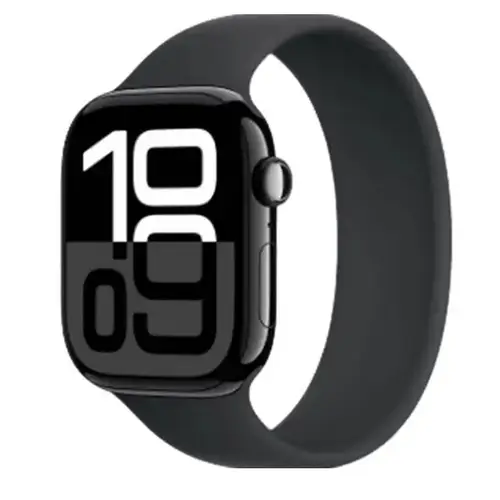
The Specs Universe phone finder is built for that first stage of research. It lets you turn a few practical requirements into a shorter list of devices. If you want to find a phone by specs, you can search by screen size, display type, RAM, storage, battery capacity, network support, weight and camera configuration. The same page also includes separate filters for laptops and smartwatches, so you can change categories without learning a new tool.
A finder cannot decide which device you will enjoy for the next several years. It can, however, remove models that clearly do not meet your needs and show you which ones deserve a closer look. That is the most useful way to approach this page: filter first, read the individual specifications next, and compare your strongest candidates before buying.
How to use the device finder
Begin with the device type at the top of the filter panel. Select Smartphone, Laptop or Smartwatch. The available filters change with your selection because the details that matter for a phone are not identical to the details that matter for a notebook or wearable.
- Choose the category. Pick the type of device you are researching. This removes unrelated products and displays the appropriate specification controls.
- Set one or two firm requirements. A preferred operating system, a minimum amount of storage or a screen-size limit is usually a better starting point than selecting every attractive feature at once.
- Add the next most important filter. Watch the result count as you narrow the list. If the list becomes empty, remove the least important requirement rather than abandoning the search.
- Use the range controls carefully. For fields such as screen size, battery capacity, weight or thickness, enter the minimum and maximum values you can accept, then select Apply ranges.
- Open the full specification page. Select View Specs on any result that looks suitable. Confirm the exact model, configuration and features before adding it to your shortlist.
- Compare the finalists. Once two or three devices remain, use the device comparison page to examine their differences more closely.
Starting with fewer filters usually produces a better search. If you select a particular brand, operating system, display type, exact RAM option, exact camera resolution and several tight ranges together, a good device can disappear because one stored field is different or unavailable. Treat your first search as exploration. Tighten it only after you understand what the database contains.
How to choose the right smartphone specifications
The best phone on paper is not automatically the best phone for you. A compact-phone buyer and a mobile gamer may look at the same specification and reach opposite conclusions. Before using the smartphone finder, separate your requirements into three groups: features you must have, features you would like, and features that do not affect your decision. This simple step stops impressive numbers from taking attention away from everyday needs.
Brand and operating system
Brand is useful when you already trust a manufacturer, own compatible accessories or prefer a familiar software experience. It should not be your only filter. Product quality, update policy and value can vary between series from the same company. Open the full model page and judge the specific device rather than assuming that every phone carrying a familiar logo will behave the same way.
The operating system has a larger effect on daily use. It influences app availability, file handling, account integration, device-to-device features and how easily you can move your existing data. If you depend on services or accessories tied to one ecosystem, select the relevant operating system early. If you are willing to switch, leave the choice open during the first search and compare the practical cost of moving later.
Screen size and display type
Screen size affects comfort, portability and how the phone fits in your hand or pocket. A larger display provides more room for video, documents, maps and games, but the diagonal measurement does not describe the complete physical size. Narrow bezels and different aspect ratios mean two phones with similar screen measurements can feel different. Use the display-size range to form a shortlist, then check the full dimensions and weight of each result.
Display technology also shapes the experience. OLED and AMOLED panels can deliver deep blacks and strong contrast because individual pixels can turn off. LCD-based panels use a backlight and may be a sensible choice in devices where price or a particular screen implementation matters more than perfect black levels. Panel type alone does not reveal brightness, color accuracy, refresh behavior or outdoor visibility. Those details require the exact model specification and, where available, reliable hands-on testing.
RAM, storage and everyday performance
RAM helps a phone keep apps and tasks available while you move between them. More RAM can benefit demanding games, editing tools and heavy multitasking, but it does not work alone. Processor performance, storage speed, software design and thermal management all affect responsiveness. An efficiently optimized phone with a balanced platform may feel smoother than a poorly optimized model advertising a larger memory number.
Storage determines how much room you have for apps, photos, video, downloads and offline media. Choose with your actual habits in mind. High-resolution video and large games can consume space quickly, while a user who streams media and stores photos in the cloud may need less. Remember that the usable amount is lower than the advertised capacity because the operating system and preinstalled software occupy part of it. Also check whether the exact model supports expandable storage if that feature is important to you.
Battery capacity
Battery capacity is measured in milliamp-hours, commonly shown as mAh. A higher figure gives the device more stored energy under comparable conditions, but it does not guarantee longer battery life. Screen size and brightness, processor efficiency, network conditions, software activity, camera use and gaming load can all change the result. Two phones with the same capacity may last noticeably different lengths of time.
Use the battery range to remove models that fall below your preferred capacity, then investigate real-world endurance for the remaining devices. Also review charging speed, charger requirements and battery-health features on the individual model page or manufacturer documentation. Capacity helps you search; it should not be treated as a complete battery review.
Camera setup and megapixels
The Camera Setup filter describes how many rear camera units are identified for a phone: Single, Dual, Triple or Quad. More cameras can provide additional perspectives such as ultrawide or telephoto coverage, but lens count does not measure image quality. A strong main camera with effective processing can be more useful than several weak auxiliary cameras.
The main-camera and front-camera filters let you search by resolution. Megapixels describe the number of recorded pixels, not how well a camera captures color, motion, skin tones, highlights or low-light detail. Sensor size, lens quality, stabilization, autofocus and image processing matter greatly. Use resolution and camera count to find phones that fit a broad requirement, then read reviews or sample comparisons relevant to the way you shoot.
Network support
Network generation is an easy way to remove a phone that does not meet your connectivity requirement. Selecting 5G can narrow the list to models whose stored specifications include 5G support. That still does not confirm compatibility with every carrier or every frequency band. Model variants sold in different regions may support different bands, and carrier features can depend on certification. Confirm the exact model number with your carrier before ordering, especially when importing a device.
Weight and thickness
Weight and thickness receive less attention than cameras or processors, yet they affect every interaction. A heavier phone may feel reassuring at first and tiring during long reading sessions. A thin model can be easier to carry, although its camera bump and protective case influence the final feel. Enter a comfortable range if portability matters, then consider that a case adds both thickness and weight.
How to use a phone specification search for different needs
There is no universal filter combination because people use phones differently. The examples below are starting points rather than fixed buying rules.
For photography and video
Begin with the camera setup and main-camera resolution, but keep the search broad enough to include phones with excellent single or dual-camera systems. Storage matters if you record long or high-resolution video. Screen quality is also relevant when reviewing and editing images. After filtering, investigate stabilization, autofocus, lens coverage, video formats, microphone quality and sustained recording behavior.
For gaming
Use RAM and storage to create an initial shortlist, then examine the processor, display behavior and thermal performance on each device page. A large battery can be helpful, but gaming endurance depends on workload and heat. The fastest chip is less valuable if the phone becomes uncomfortable or reduces performance during extended play. Consider the games you actually use rather than choosing entirely from benchmark headlines.
For work and study
Storage, screen size, battery capacity and the operating system are practical starting points. Think about document apps, account management, video meetings, authentication tools and compatibility with your computer. A slightly less powerful phone with dependable software support may serve longer than a high-spec model with uncertain updates. If you handle sensitive work, also research security updates and device-management compatibility.
For a compact or lightweight phone
Set maximum screen-size, weight and thickness values, but avoid making all three ranges too strict in the first attempt. Open each result to check its overall height and width because the diagonal display measurement does not fully describe one-handed comfort. Physical button placement, edge shape and the texture of the frame can also affect grip.
For long battery life
Set a minimum battery capacity and keep the other filters flexible. After finding candidates, look for trustworthy endurance tests performed under comparable conditions. Consider standby drain, mobile-data use, navigation, camera activity and charging convenience. A phone that charges predictably during your normal routine may suit you better than one with the largest capacity but inconvenient charging behavior.
Using the laptop finder
Select Laptop to replace the phone controls with laptop-specific filters. A laptop purchase often involves more trade-offs because performance, portability, battery life, keyboard quality and upgrade options interact. Start with the work the machine must complete. A notebook for web browsing and office documents has different needs from one used for engineering software, large data sets, video editing or modern games.
Processor, memory and storage
The processor influences speed, efficiency and the types of demanding tasks the laptop can handle. Model names can be confusing, so confirm the full processor designation rather than relying only on a family label. Generation, power class and cooling can make two similarly named systems perform differently.
Memory affects multitasking and large applications. Choose enough for your workload and check whether it is soldered, replaceable or partly upgradeable. Storage capacity determines room for software and files, while storage type and implementation influence responsiveness. If you expect your needs to grow, inspect upgrade access and warranty terms before assuming that memory or storage can be added later.
Display and portability
Screen size, panel characteristics, resolution and refresh behavior influence both productivity and comfort. A larger display can make timelines, spreadsheets and split-screen work easier, while a smaller chassis is simpler to carry. Weight should be considered together with the charger, sleeve and adapters you will take with you. A difference that looks minor in a specification table becomes noticeable during a daily commute.
For creative work, research color coverage and accuracy. For outdoor or bright-office use, investigate brightness and reflections. For gaming, examine refresh rate and response behavior. The laptop finder helps reduce the list, but a panel description by itself cannot answer every quality question.
Ports and wireless connectivity
Check the ports needed for your monitor, storage, network, camera equipment and other accessories. A laptop with fewer ports may still work with a dock, but that adds cost and another item to carry. Similar-looking USB-C ports can support different charging, data and display features. Confirm the capability of each port on the exact configuration.
Wireless standards matter when you use modern routers or peripherals, although real performance also depends on the network environment. Check Bluetooth and Wi-Fi details, then verify regional specifications because manufacturers sometimes change wireless components between configurations.
Using the smartwatch finder
A smartwatch is closely tied to the phone and services around it. Compatibility should therefore come before case size or appearance. Confirm that the watch supports your phone, operating-system version and region. Some health, payment, cellular or emergency features may be limited by country, carrier, age or paired-device requirements.
Display size, weight and comfort
A larger display can make notifications, maps and controls easier to read, but comfort depends on the complete case and strap. Weight matters when wearing the watch overnight or during exercise. Use the ranges to form a shortlist, then check case dimensions and strap compatibility. If possible, try a similar case size before buying.
Battery capacity and stated battery life
Smartwatch battery capacity is only one part of endurance. Display mode, GPS use, health tracking, cellular connectivity, workout frequency and notification volume can change how often the watch needs charging. Manufacturer estimates may be measured with different features enabled. Compare the assumptions behind each estimate and look for testing that resembles your intended use.
Health and activity features
Filters can help identify watches whose stored specifications list features such as heart-rate monitoring, sleep tracking, SpO₂ or ECG. Availability and purpose vary. A feature listed on a product page may require a supported phone, application, region or regulatory approval. Consumer wearables can provide useful wellness information, but they are not a replacement for professional medical diagnosis. Read the manufacturer guidance and seek qualified medical advice for health concerns.
How to read a device specification page
Once the finder gives you a manageable list, open each candidate and read beyond the headline numbers. Check the product name and model identity first. Manufacturers often sell several configurations under a shared family name, and memory, storage, processor, network or display details may vary. Retail listings can also shorten names in ways that hide the exact variant.
Next, look for relationships between specifications. A high-resolution display can be attractive but may place more demand on the battery and graphics hardware. A powerful processor needs effective cooling to maintain speed. A large battery increases capacity but can contribute to weight. A camera sensor needs suitable optics and processing. Specifications make more sense when read as a system rather than a collection of isolated numbers.
Finally, separate confirmed facts from expectations. A specification page can state capacity, dimensions and supported technologies. It cannot promise how long the device will feel fast, whether its keyboard suits your hands or whether its camera style matches your preferences. Use reliable reviews, manufacturer support information and seller terms to complete the decision.
Build a shortlist without over-filtering
A useful shortlist usually contains three to five devices. One should meet the essential requirements at the lowest acceptable level, one may offer a balanced middle option, and another can show what you gain by choosing a different trade-off. If ten or more models remain, add one meaningful filter. If none remain, remove the least important constraint.
Write down why each candidate survived. For example: compact dimensions, enough storage, compatible operating system and suitable camera coverage. This prevents a heavily advertised feature from changing the decision later without a clear reason. It also makes the side-by-side comparison more useful because you know which differences deserve attention.
Price and availability change faster than core specifications. The Finder does not confirm a current local price, retailer stock or promotion. Once your shortlist is stable, compare offers from reputable sellers and check return conditions, warranty coverage, included accessories and regional support. A cheaper imported variant may involve a different warranty or network configuration.
Why might the Finder show no matching devices?
An empty result does not always mean that no such product exists. The Specs Universe database may not yet include the model, a specification may be unavailable, or one stored value may not exactly match the filters. Tight combinations can also exclude every current listing.
Remove one filter at a time, beginning with the least important. Widen numerical ranges slightly and avoid choosing exact options for fields where you are flexible. You can also use Clear filters to return to the full list. This method shows which requirement caused the list to disappear and helps you decide whether that requirement is truly essential.
What this Finder can and cannot tell you
The device finder organizes the specifications stored on Specs Universe and links to individual device pages. It is designed for research and discovery. A result is not a personal endorsement, a guarantee of performance or confirmation that a product is suitable for every user. Specifications can vary by model, configuration and region, and manufacturers may change details during a product lifecycle.
Always verify critical information with the manufacturer, carrier or seller before purchasing. This is particularly important for network bands, eSIM support, warranty coverage, charging accessories, laptop upgradeability and region-dependent smartwatch functions. If a specification on the site appears incorrect or incomplete, tell us which device needs checking so the record can be reviewed.
Start with your real needs
The fastest route to a better decision is not selecting the highest number in every row. It is identifying the few details that change how you use the device. Choose the category, add your firm requirements, and let the phone specification search create a practical shortlist. Then read the full records, compare the finalists and verify the exact version available to you.
If you already prefer a manufacturer, the brand links in the footer open its device archive. If you are still exploring, return to the filters above and begin with one requirement you know you will notice every day.