Overview
Picture a singer on a distant stage, lit by a single spotlight. Most phones turn that moment into a blurry, noisy smear. The Vivo X200 Pro 16GB was built for exactly that moment. This phone instead pulls the performer close, sharp and full of colour. That party trick defines the Vivo X200 Pro 16GB from the start.
Vivo built this flagship around one very ambitious camera idea. A 200MP ZEISS APO telephoto lens anchors the whole photography story. However, the phone refuses to become a one-trick camera gadget. Flagship speed, endurance and polish fill every other corner here.
Dimensity 9400 silicon drives the experience with effortless confidence. Meanwhile, a 6,000mAh battery keeps concerts, trips and long days covered. The 16GB tier pairs that memory with 512GB of fast storage. Buyers therefore get one clear configuration, without confusing variant choices.
Vivo launched the range in China during October 2024. Global sales then followed from December 2024 across selected markets. Still, the United States never received an official retail release. American buyers must import the global model, numbered V2413, carefully.
For example, one camera handles portraits, stages and safaris alike. Versatility, not novelty, makes the package feel complete. Indeed, this is a phone with a clear personality. Photography leads, and everything else works hard in support.
Design and Build Quality
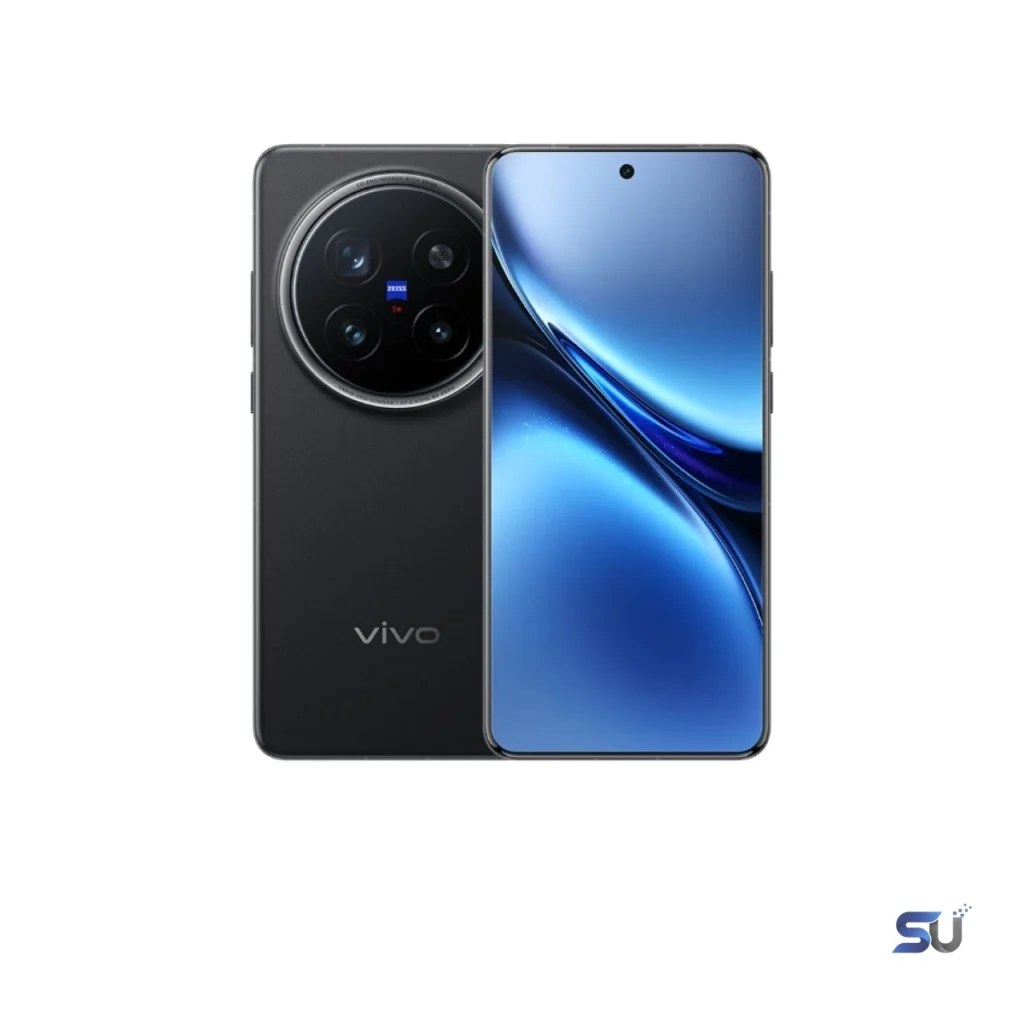
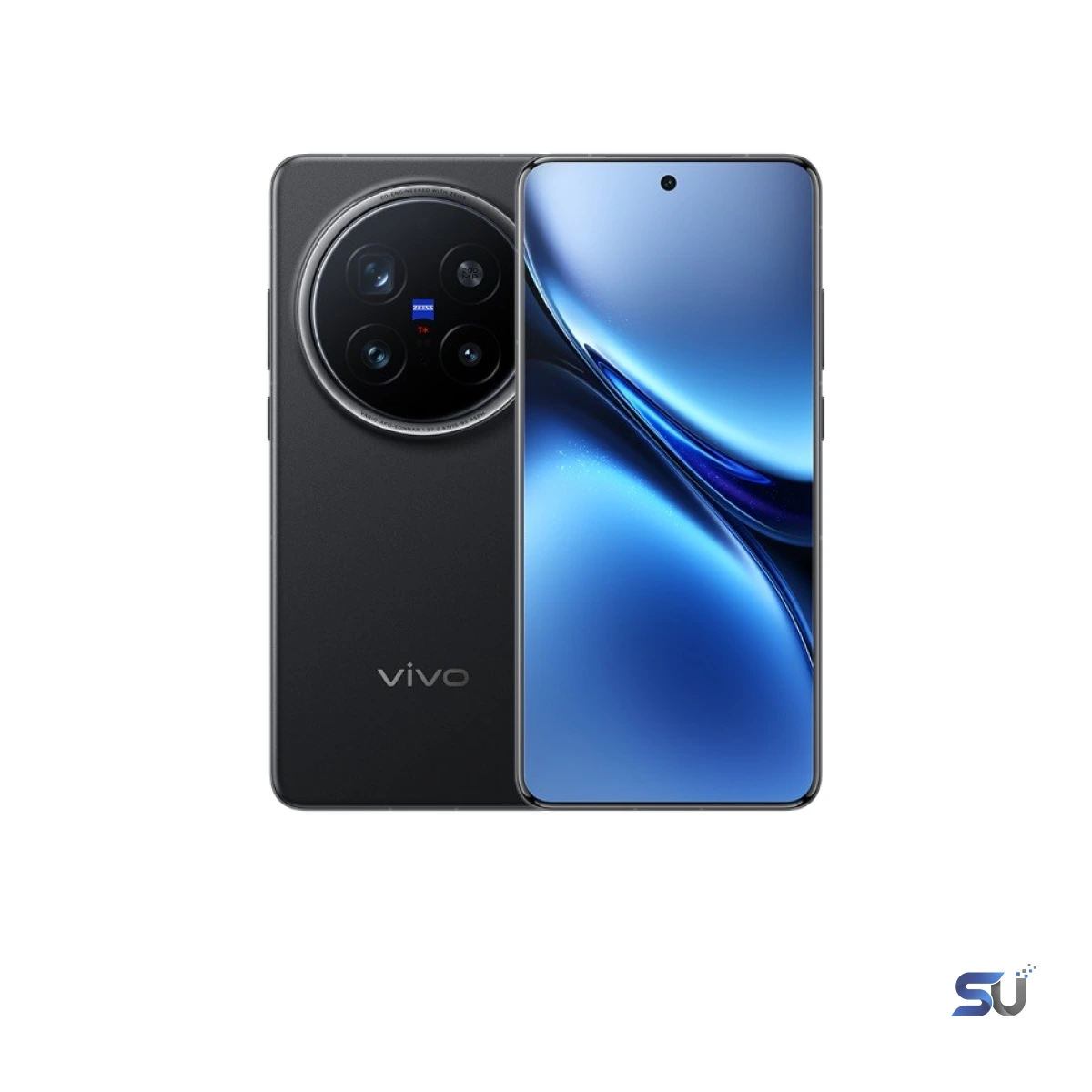
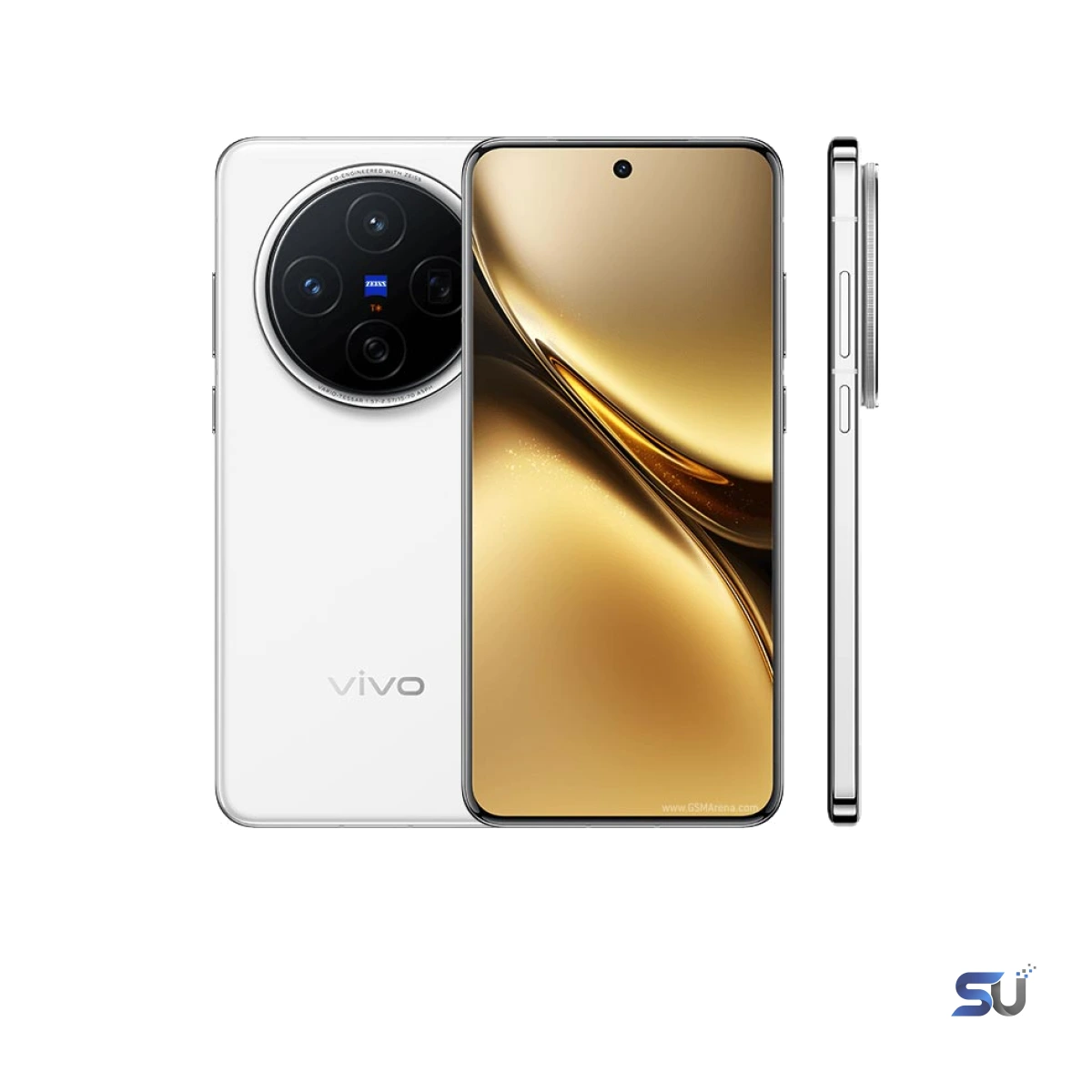
A huge circular camera island dominates the back panel immediately. Its polished ring catches light like a proper camera lens. Glass covers the front and most colour variants behind. Meanwhile, the Black finish swaps glass for lighter glass fibre.
The aluminium frame feels cool, dense and reassuringly rigid. Buttons sit on the right side, within easy thumb reach. However, the Vivo X200 Pro 16GB is neither small nor light. Dimensions reach 162.36 by 75.95 millimetres across the body.
Thickness measures 8.20mm on Black and 8.49mm on other finishes. Weight similarly reads 223g for Black and 228g elsewhere. Consequently, pockets feel the presence, yet grip stays surprisingly secure. Curved edges soften the slab and help the hand settle.
IP68 and IP69 ratings guard against dust and water together. High-pressure jets and full immersion both sit within certification limits. For example, rain during a football match holds no fear. Owners simply rinse dust away under a tap afterwards.
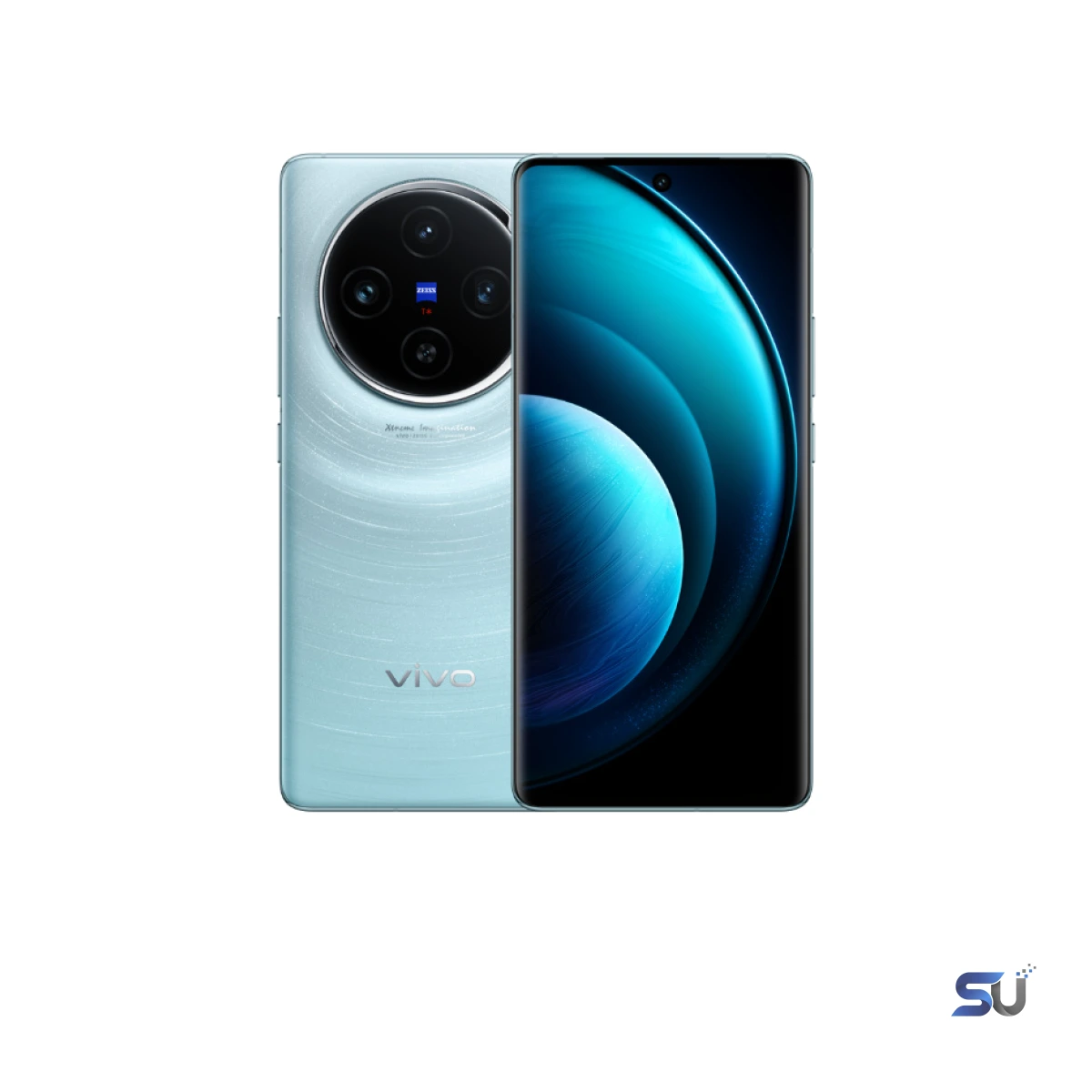
Buyers choose between Carbon Black, Titanium Gray and Cobalt Blue. Each finish changes reflections, fingerprints and daily wear slightly. Overall, the design speaks camera first, flagship second, toy never. It looks serious because the hardware underneath truly is. For daily carry, a slim case balances protection and bulk. Owners gain grip without hiding the striking camera ring.
Display and Visual Experience
The Vivo X200 Pro 16GB carries a 6.78-inch LTPO AMOLED panel. Resolution hits 2800 by 1260 pixels, near 452 ppi. Text consequently renders pin-sharp across menus, maps and articles. Photos moreover reveal fine detail without artificial over-sharpening.
The 120Hz refresh rate adapts smoothly between 0.1 and 120Hz. Scrolling therefore feels liquid, while static pages save power. Local peak brightness reaches 4,500 nits in compatible HDR highlights. Outdoor visibility stays strong, even under harsh midday sun.
ZEISS Master Colour tuning targets natural, accurate tones. Skin tones in particular avoid the waxy look of rivals. Full-range 2160Hz PWM dimming protects sensitive eyes at low brightness. Late-night reading consequently causes less strain for many viewers.
Armor Glass protects the panel against everyday scratches and knocks. Quad-curved edges blend the screen into the frame elegantly. Similarly, gradients render smoothly without visible banding at night. Dark scenes therefore look cinematic rather than muddy. HDR video gains real punch from the deep AMOLED blacks. Highlights sparkle, while shadow detail remains visible and clean.
In short, the display matches the cameras for sheer ambition. Few owners will find anything meaningful to criticise here. For movie nights, the panel feels properly cinematic at home. Brightness headroom moreover keeps subtitles crisp in bright rooms.
Camera System of the Vivo X200 Pro 16GB
Three rear cameras share work with unusual balance and depth. A 50MP main camera leads, using the Sony LYT-818 sensor. Its 1/1.28-inch sensor and bright f/1.57 aperture gather light greedily. Optical stabilisation keeps handheld shots steady in dim venues.
However, the 200MP telephoto camera steals every headline here. Samsung's HP9 sensor measures a large 1/1.4 inches diagonally. An 85mm lens thus delivers 3.7x optical zoom for distant subjects. ZEISS APO correction meanwhile controls colour fringing at high contrast.
Concert photographers can frame faces from seats far away. Stage mode helps further, balancing spotlights against dark crowds. Portraits gain a classic 135mm look from the same lens. ZEISS bokeh styles add Sonnar, Biotar and Planar rendering flavours.
The 50MP ultrawide camera covers 15mm scenes with autofocus. Its f/2.0 aperture moreover keeps group shots and interiors flexible. A 32MP front camera records sharp selfies at f/2.0. Video options include 4K at 60fps for selfie clips. Rear video peaks at 8K 30fps for maximum detail. Slow motion moreover reaches 4K at 120fps for drama.
Altogether, this system rewards people who shoot faraway moments. Few rivals match the Vivo X200 Pro 16GB for reach and colour. For families, the trio removes any need for planning lenses. Grandparents simply point, zoom and share within seconds.
Performance and Everyday Speed
MediaTek's Dimensity 9400 chipset powers every task here. One Cortex-X925 core clocks up to 3.626GHz for bursts. Three Cortex-X4 cores run at 3.3GHz alongside it. Four Cortex-A720 cores meanwhile handle efficiency work at 2.4GHz.
The Immortalis-G925 MC12 GPU drives demanding games confidently. Ray-traced titles and fast shooters both hold smooth frames. Memory reaches 16GB of LPDDR5X RAM in this tier. Storage provides 512GB of UFS 4.0 space for media.
However, no microSD slot exists for later expansion. Buyers should therefore treat 512GB as their lifetime allowance. 91mobiles measured an AnTuTu score of 2,518,928 points. Their Geekbench testing also recorded 7,741 in multi-core work.
For example, editing a 4K concert clip stays fluid. Exports finish quickly, and the phone stays composed. Gaming tests averaged 50 frames per second across three titles. Temperatures rose 15.4 degrees after thirty minutes of play.
The Vivo X200 Pro 16GB feels instant, from camera launch to multitasking. Apps stay resident longer thanks to the generous memory. In practice, performance never becomes the limiting factor here. Only heavy gaming heat reminds users of physics. For multitaskers, split-screen pairs stay fluid under pressure. Background uploads meanwhile never disturb the foreground game.
Battery Life and Charging
A 6,000mAh silicon-carbon battery anchors the endurance story. Vivo rates typical capacity at 6,000mAh for global units. 91mobiles ran PCMark for 13 hours and 43 minutes. That result comfortably beats most camera-focused rival flagships.
Vivo's own lab testing claims 18 hours of video playback. Streaming video therefore suits long flights without charger anxiety. Continuous gaming reaches 9.1 hours in vivo's lab conditions. Real results vary with brightness, signal and game choice.
For example, a festival weekend needs one overnight charge. Heavy camera use still leaves power for the journey home. Wired charging peaks at 90W through FlashCharge technology. 91mobiles timed 20 to 100 percent in 41 minutes 35 seconds.
Wireless charging meanwhile tops out at 30W with compatible stands. Reverse wired charging helps earbuds and friends in emergencies. Consequently, top-ups feel quick despite the large cell size. An overnight charge simply becomes an occasional habit. Settings also let owners cap charging and monitor health. Such controls help the big battery age gracefully.
Overall, endurance ranks among this phone's strongest virtues. Only wireless speed lags some Chinese rival systems. For weekend trips, one charge usually covers maps and cameras. A short wired top-up meanwhile rescues rushed mornings easily.
Software and Daily Use
The Vivo X200 Pro 16GB arrives with Android 15 and Funtouch OS 15 globally. China instead receives OriginOS 5 on identical hardware. The interface feels clean, fast and lightly customised. Google services work normally on this global software build.
Vivo promises four major Android upgrades for the phone. Security patches moreover continue for five years after launch. AI tools assist with translation, transcription and photo cleanup. Object erasing removes photobombers from holiday pictures in seconds.
However, some preinstalled apps duplicate Google equivalents unnecessarily. Owners can disable most extras during the first setup. For example, Circle to Search speeds up everyday questions. Live translation meanwhile helps travellers read menus and signs.
An ultrasonic fingerprint sensor unlocks the phone quickly. Wet fingers still register, unlike many optical alternatives. Face unlock provides a second, less secure convenience option. Daily gestures, split-screen multitasking and floating windows work smoothly.
The X series also receives regular security maintenance releases. That cadence supports the five-year security promise convincingly. In short, software feels mature rather than experimental here. Camera features, not gimmicks, define the daily experience. For privacy, permissions and app controls stay easy to reach. Owners can audit trackers and revoke access in seconds.
Connectivity and Extra Features
Dual nano-SIM slots handle two physical numbers at once. Both lines support 5G standby for flexible travel use. Global 5G coverage spans n1, n3, n5, n7, n8 and n20. Additional bands include n26, n28, n38, n40, n41 and n66.
Travellers moreover get n75, n77, n78 and n79 support. American networks still lack official certification for this model. Wi-Fi 7 and Wi-Fi 6 both work with dual-band connections. Bluetooth 5.4 handles modern earbuds with stable, efficient links.
The USB-C port follows USB 3.2 Gen 1 speeds. Fast transfers therefore suit photographers moving large video files. NFC enables contactless payments where Google Pay operates. An infrared blaster controls televisions and air conditioners remotely.
Stereo speakers deliver loud, clear sound for videos. GPS support includes BeiDou, GLONASS, Galileo, QZSS and NavIC. However, no 3.5mm headphone jack survives on this design. Wireless audio or USB-C earphones cover private listening instead.
Altogether, connectivity matches modern flagship expectations almost completely. Only American carrier certification leaves a genuine question mark. For streaming, fast Wi-Fi keeps 4K playback smooth at home. Downloads finish quickly on modern routers and hotspots.
Living With the Phone Day to Day
Morning with the Vivo X200 Pro 16GB starts with a quick ultrasonic unlock. The bright screen stays readable beside a sunny window. School runs and commutes become chances for street photography. The telephoto lens turns distant architecture into graphic compositions.
At work, split-screen handles email beside documents without stutter. Calls meanwhile sound clear, and the vibration motor feels crisp. Evenings often end at matches, gigs or family dinners. Low-light photos thus keep faces natural in mixed light.
However, the camera bump wobbles on flat tables noticeably. A case solves the rocking and adds needed grip. The glossy finishes also attract fingerprints throughout the day. Titanium Gray hides smudges better than the darker options.
Similarly, the in-hand balance improves with a textured case. Many owners will add one on the first day. Weight becomes familiar after a week of regular use. Two-handed use still feels safest for longer reading sessions.
Battery anxiety meanwhile rarely appears before bedtime arrives. Most days finish with a healthy reserve remaining. In practice, ownership feels centred on spontaneous photography. Every outing becomes a small chance for great pictures. For night owls, the screen dims comfortably before sleep. Alarms, podcasts and reading all feel effortless before bed.
Who Should Buy the Vivo X200 Pro 16GB?
Concert lovers should place this phone on their shortlist. Nobody else frames distant performers with this much confidence. Portrait photographers will also love the 85mm and 135mm looks. ZEISS rendering gives faces a polished, deliberate character.
Travellers gain one device for landscapes, zoos and landmarks. The ultrawide, main and telephoto trio covers entire itineraries. Power users receive flagship speed and generous storage here. Gamers moreover get stable frames and strong cooling behaviour.
For example, creators can shoot, edit and upload in 4K. One device replaces a camera bag for many trips. However, fans of compact phones should look elsewhere entirely. This handset feels large, heavy and unapologetically camera-led.
American buyers must also accept import-related warranty compromises. Carrier band checks matter before spending serious money. Shoppers wanting expandable storage will leave disappointed too. The fixed 512GB allowance defines ownership from day one.
Still, photography-first buyers receive something genuinely special here. Few alternatives combine this zoom, battery and display quality. Ultimately, the right buyer values moments over minimalism. For that person, compromises feel minor beside the results.
Summary
The Vivo X200 Pro 16GB succeeds through focus and follow-through. Its 200MP ZEISS APO telephoto changes what phone photography attempts. However, supporting hardware never feels like an afterthought here. Speed, endurance, display quality and build all reach flagship level.
Trade-offs exist, mainly size, weight and import-only American availability. None undermines the central promise for photography-led buyers. In short, this remains a specialist tool with mainstream polish. Few phones tell a clearer story about their purpose.
- Exceptional 200MP ZEISS APO telephoto for concerts and portraits
- Bright 6.78-inch LTPO AMOLED display with 2160Hz PWM dimming
- Fast Dimensity 9400 performance with 16GB RAM
- Long-lasting 6,000mAh battery with 90W wired charging
- IP68 and IP69 protection with premium build quality