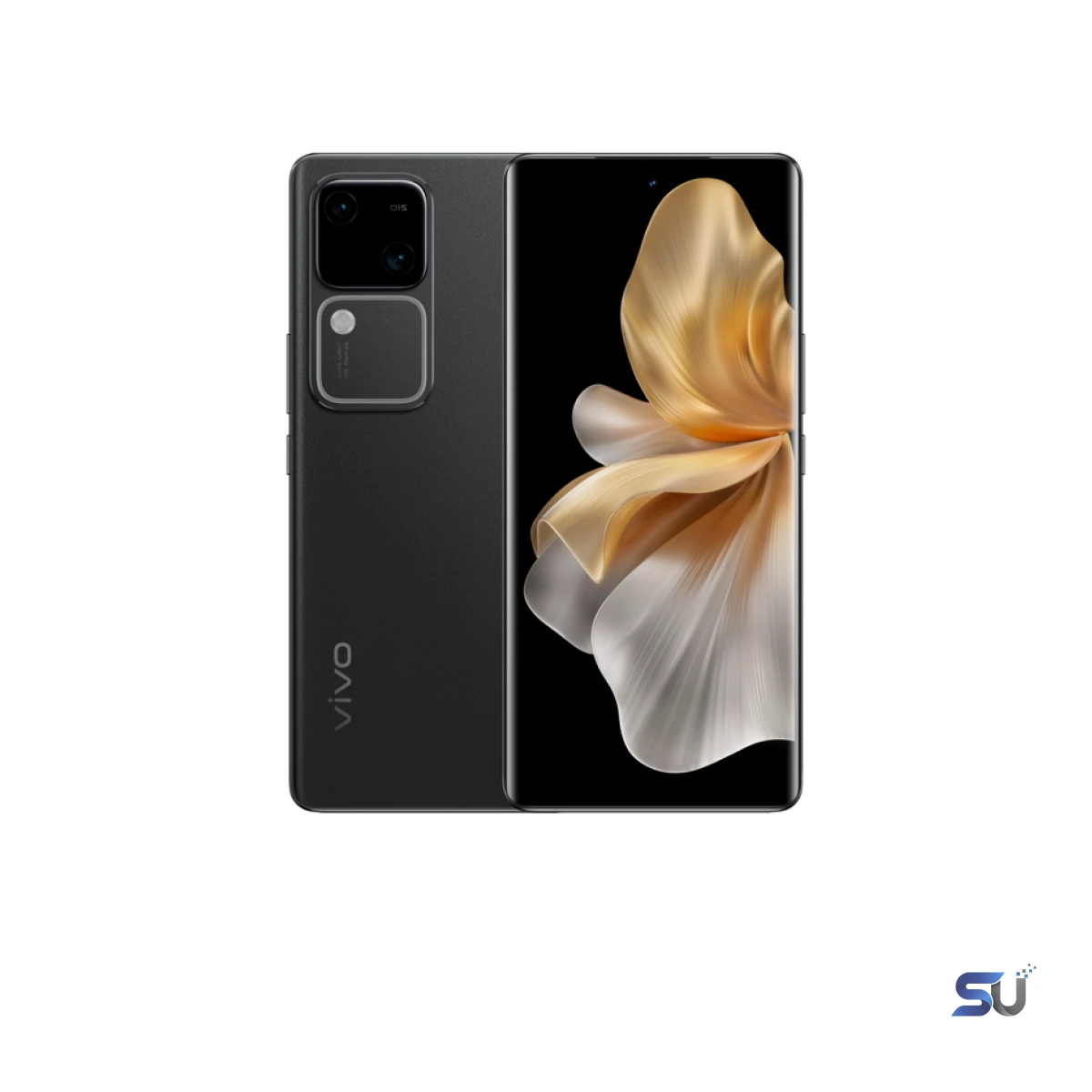
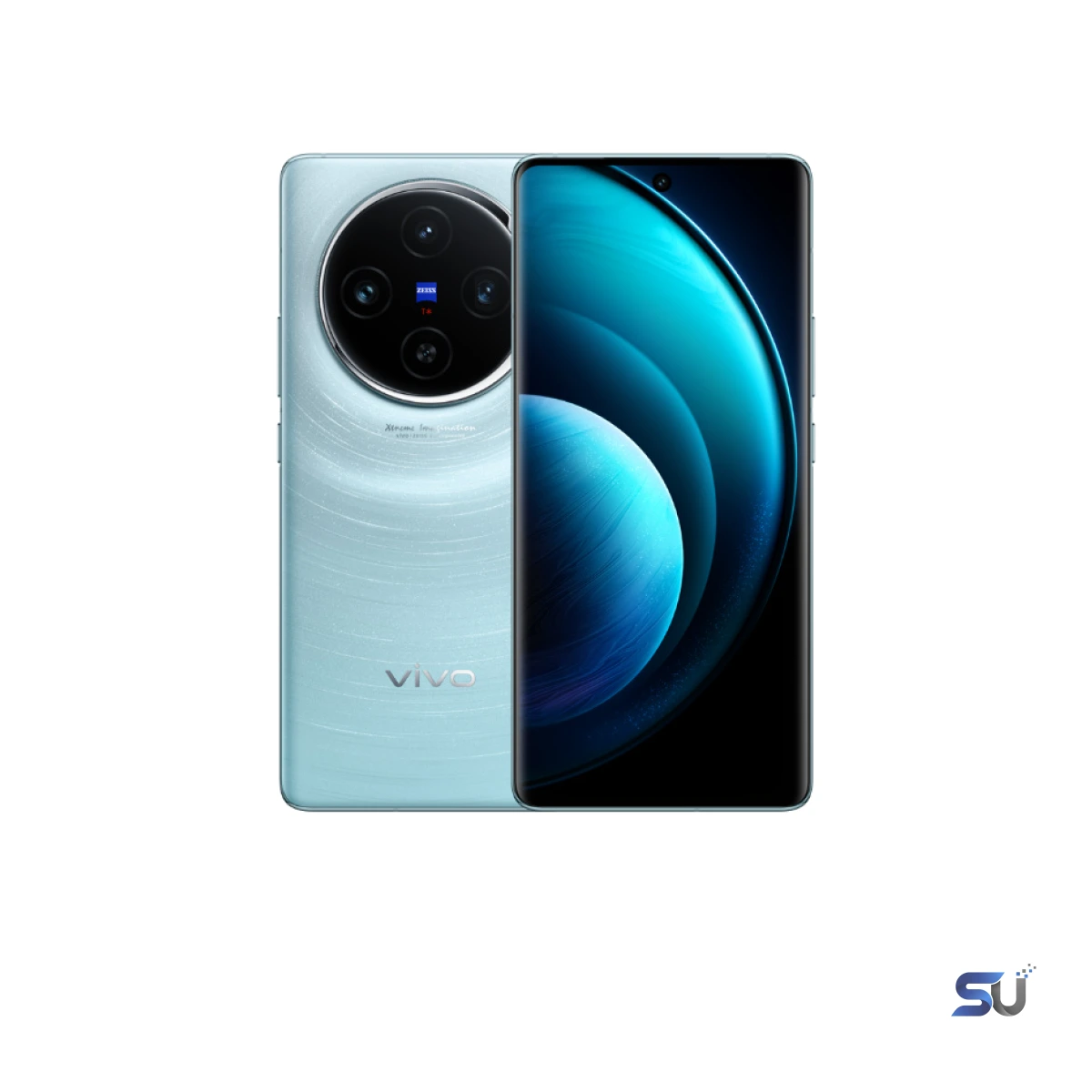
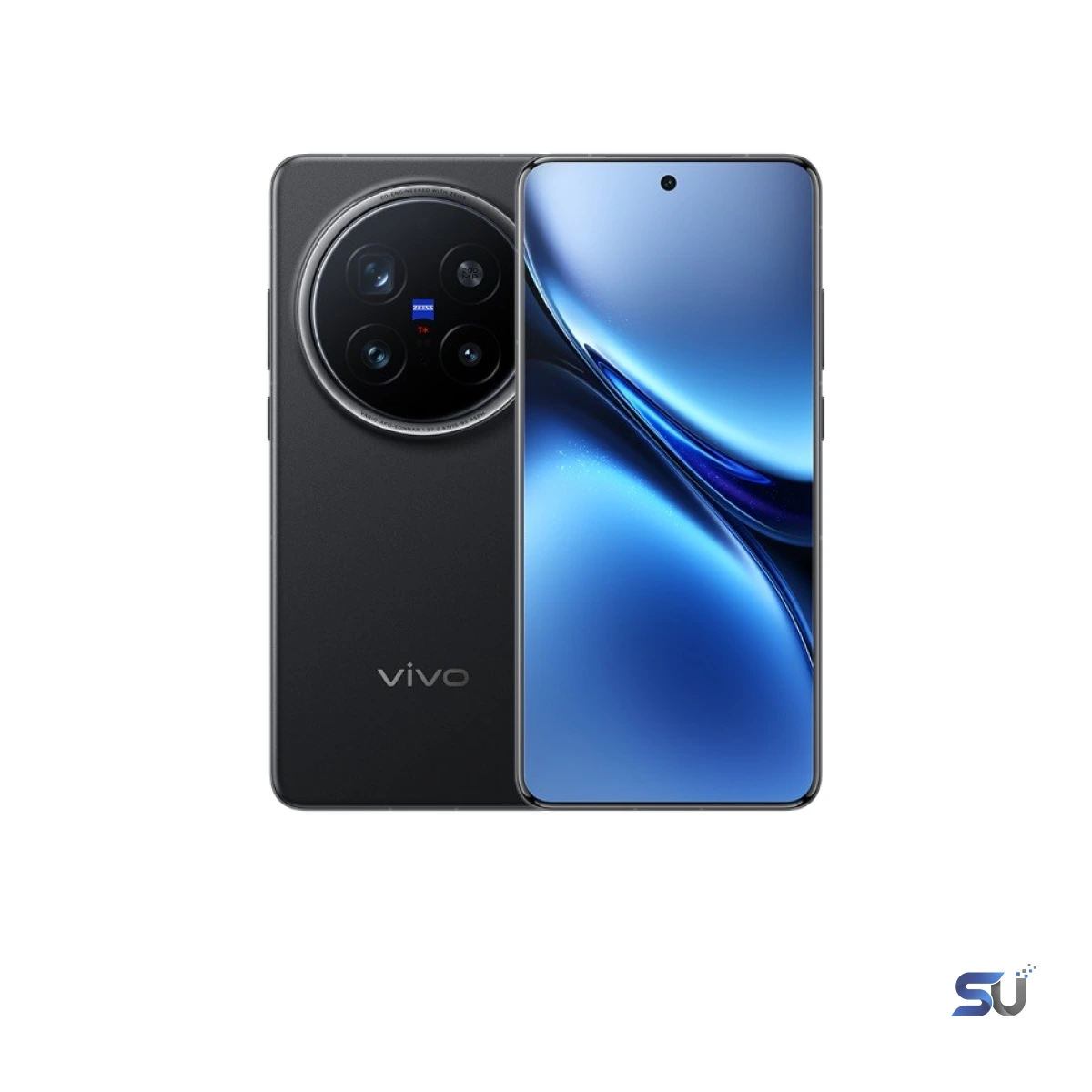
It always happens at the worst possible moment. A birthday song starts, the candles glow, and suddenly a storage warning fills the screen. So, the recording stops, and the moment slips away forever. That small panic explains exactly why the Vivo V30 12GB exists.
This version sits at the very top of the V30 family. It pairs 12GB of RAM with either 256GB or 512GB of storage. Meanwhile, every other headline feature stays gloriously familiar. Dual 50MP rear cameras headline a camera system built for portraits. Additionally, the Aura Light ring softens faces beautifully after sunset.
Think of this tier as the hoarder's edition, proudly so. It suits people who film everything and delete almost nothing. However, extra memory alone never tells the whole story here. Therefore, this guide walks through each strength and weakness honestly.
Announced on February 28, 2024, it reached shelves on March 7. Its model number is V2318 across global markets. Naturally, that context matters before judging its hardware fairly.
Why the Top Tier Makes Sense
Most buyers choose storage once and live with the consequences daily. A small drive fills quickly with 50MP photos and 4K clips. Afterwards, the deleting ritual begins before every single trip.
In contrast, 512GB removes that ritual almost entirely. Thousands of portraits can stay safely on the device itself. Equally, long 4K recordings stop demanding anxious mental math.
The 12GB of RAM matters almost as much as storage. Extra memory keeps more apps alive quietly in the background. Consequently, switching between camera, maps and messages feels smoother. Nothing reloads from scratch during a busy, photo-heavy afternoon.
Official Vivo listings confirm this tier with 512GB in several markets. Other regions pair the same 12GB RAM with 256GB instead. Either way, the positioning stays identical at the top.
Vivo V30 12GB at a Glance
Here is the complete hardware picture before the deeper tour begins. Every figure below matches the official V30 specification exactly.
| Brand |
Vivo |
| Model |
Vivo V30 12GB (V2318) |
| Display |
6.78-inch AMOLED, 1260 x 2800 pixels |
| Refresh Rate |
120Hz |
| Brightness |
2,800 nits (peak, local) |
| Processor |
Qualcomm Snapdragon 7 Gen 3 |
| CPU |
Octa-core (1 x 2.63 GHz + 3 x 2.4 GHz + 4 x 1.8 GHz) |
| GPU |
Adreno 720 |
| RAM |
12GB |
| Storage |
256GB / 512GB (UFS 2.2) |
| Rear Camera |
50MP (f/1.88, OIS) + 50MP (f/2.0, ultrawide) |
| Front Camera |
50MP (f/2.0, autofocus) |
| Battery |
5,000mAh |
| Charging |
80W FlashCharge |
| Operating System |
Android 14, Funtouch OS 14 |
| Dimensions |
164.36 x 75.1 x 7.45 mm |
| Weight |
186g |
| Colors |
Noble Black, Bloom White, Waving Aqua, Lush Green |
| IP Rating |
IP54 |
| Release Date |
March 7, 2024 |
Notably, no microSD slot appears anywhere in that table. Internal room therefore carries the entire burden alone here.
Room for Everything You Shoot
On the Vivo V30 12GB, storage anxiety disappears slowly, then all at once. Weeks pass without a single deletion session on this tier. Instead, the gallery simply keeps growing month after month.
Consider a heavy shooter saving hundreds of photos every week. Add school plays, matches and holidays filmed entirely in 4K. Even then, 512GB absorbs years of memories before pressure builds.
Video creators gain the most obvious everyday freedom here. Long takes stay untrimmed until editing time finally arrives. Moreover, downloaded series and offline maps coexist without arguments.
The 256GB option still serves moderate shooters perfectly well. Yet heavy shooters will outgrow it far sooner than expected. Basically, headroom today prevents regretful deletions tomorrow.
Crucially, Vivo sells no memory card escape route here. Choosing enough capacity on day one therefore matters enormously.
One Long Day, Zero Deletions
Picture a wedding shot entirely on this single phone. Morning preparations alone fill dozens of portrait frames quickly. By evening, hundreds more join them from the dance floor.
A smaller phone would demand deletions before dessert arrived. The Vivo V30 12GB simply keeps swallowing moments without complaint. Battery anxiety fades too, thanks to that 5,000mAh cell.
Back home, the gallery becomes the evening's entertainment itself. The big AMOLED screen flatters every frame during playback. Nothing needed offloading before the show could begin.
Travel days tell the same satisfying story repeatedly. Offline films, maps and playlists pile up carelessly. Still, the storage meter barely seems to move.
That freedom, repeated weekly, justifies the top tier completely.
A Screen Built for Long Days
Faces may sell the Vivo V30 12GB, but its screen keeps owners happy. The 6.78-inch AMOLED panel stretches elegantly from edge to edge. Curved sides melt into the frame for a premium feel.
Sharpness impresses immediately at 1260 by 2800 pixels. That works out near 452 pixels per inch overall. Text stays crisp, and portrait details hold up beautifully.
Motion looks equally smooth thanks to the 120Hz refresh rate. Feeds glide, games flow and animations feel properly fluid. Furthermore, HDR10+ support deepens contrast during streamed films.
Brightness peaks at 2,800 nits in local highlights. Sunny pavements therefore rarely defeat this display outdoors. Meanwhile, independent testing measured 2,160Hz PWM dimming for gentler nights (91mobiles).
Schott Alpha glass protects the panel from daily abuse. Overall, few mid-range screens feel this complete and polished.
Portraits After Dark
Two 50MP rear cameras share the imaging workload here. The main camera uses an f/1.88 lens with optical stabilization. Beside it, an f/2.0 ultrawide handles groups and landscapes.
Portraits remain the entire point of this camera system. The ring-shaped Aura Light glows beside the rear lenses. Unlike a harsh flash, it bathes faces in soft light.
Skin tones consequently look warmer and far more natural. Backgrounds stay dark while subjects remain clearly separated. For example, café birthdays suddenly look almost studio-planned.
Daylight results impress with confident color and fine detail. Its 50MP resolution matches the main camera sensor exactly. Even group shots stay workable through the wide ultrawide.
Edges stretch slightly, yet faces near the center look natural. Zoom remains the obvious compromise across this entire system. No telephoto lens exists, so distant subjects rely on cropping.
Still, faces at normal distances look genuinely excellent. Overall, casual shooters will love the forgiving Vivo V30 12GB setup. It rewards simple pointing with flattering, shareable frames.
Selfies, Video and Everything Between
The front camera refuses to play a supporting role. Its 50MP sensor includes autofocus and an f/2.0 lens. Group selfies therefore stay sharp from front to back.
Video tops out at 4K and 30 frames per second. Both front and rear cameras share that same ceiling. Stabilized handheld clips suit vlogs and family archives perfectly.
Night mode leans on the Aura Light for evening video. Faces stay visible without the chalky flash look. In short, creators get flexibility without carrying extra lights.
Speed That Stays Out of the Way
Qualcomm's Snapdragon 7 Gen 3 runs the entire show. The 4nm chip balances pace with impressive everyday efficiency. Eight cores split work between performance and frugality sensibly.
One Cortex-A715 core peaks at 2.63GHz for demanding bursts. Three more A715 cores sustain 2.4GHz under load. Meanwhile, four A510 cores sip power during idle tasks.
Graphics come from the Adreno 720 GPU inside. The 12GB memory tier changes the long-term ownership feel. Apps linger ready instead of reloading between switches.
As a result, heavy multitaskers notice fewer daily interruptions. Independent testers at 91mobiles measured these exact-device results below. Treat them as guidance rather than daily guarantees, though.
| Geekbench 6 (multi-core) |
3235 (91mobiles) |
| AnTuTu |
804164 (91mobiles) |
| PCMark endurance |
17h 30m (91mobiles) |
| Charging test |
50 minutes, 20 to 100 percent (91mobiles) |
| Screen PWM |
2160 Hz (91mobiles) |
Gaming performance suits popular titles at sensible settings. Demanding racers and shooters run smoothly for casual players. Serious esports players, however, should demand stronger graphics hardware.
Power Through the Longest Days
A 5,000mAh battery hides inside the 7.45mm Vivo V30 12GB body. That packaging trick still surprises everyone who lifts it. The handset weighs only 186g despite that generous capacity.
91mobiles recorded 17 hours 30 minutes in PCMark testing. Real owners should expect a full day with ease. Heavy camera days simply demand a nightly top-up afterwards.
Charging provides the real party trick at 80W. Vivo quotes a full charge in around 48 minutes. Separately, 91mobiles measured 50 minutes from 20 to 100 percent.
Wireless charging remains absent across the whole range. Reverse wired charging can rescue a friend's earbuds instead.
Slim in the Hand
Thinness defines the first impression more than anything else. At 7.45mm, the body slides into pockets almost unnoticed. Glass covers both faces over a plastic frame.
IP54 sealing shrugs off dust and light splashes confidently. Rain showers therefore pose little threat during shoots. Deeper water, though, demands a tougher rating elsewhere.
Four colors cover most tastes within the global range. Noble Black and Bloom White look calm and classic. Waving Aqua and Lush Green bring fresher, livelier energy.
An optical fingerprint sensor hides beneath the display. Unlocking feels quick, secure and pleasingly futuristic daily. Buttons click positively along the right edge daily.
The standard vibration motor feels adequate, not luxurious. Still, everyday handling stays comfortable during long shooting sessions.
Software, Updates and Connections
Android 14 arrives with Funtouch OS 14 on top. The interface feels colorful, busy and unmistakably Vivo. Thankfully, everyday navigation stays quick on this hardware.
Vivo lists three years of Android OS updates. Four years of security patches accompany that promise (91mobiles). Longevity therefore looks respectable rather than class-leading here.
Dual Nano-SIM slots support 5G on modern networks. Wi-Fi 5, Bluetooth 5.4 and NFC cover daily essentials. GPS arrives with Galileo, GLONASS, QZSS and BDS support.
American buyers should confirm carrier bands before importing. The phone covers 4G LTE and sub-6GHz 5G widely. A USB Type-C 2.0 port handles charging and transfers.
OTG support welcomes drives, controllers and accessories alike.
Good Points, Honest Trade-Offs
Here is the honest balance after the full tour.
Pros
- Huge 512GB storage option available
- Flattering Aura Light portrait camera
- Bright 120Hz AMOLED display
- Slim, light and premium-feeling
- Fast 80W wired charging
- Generous 12GB of RAM
Cons
- No wireless charging included
- No telephoto camera aboard
- No microSD expansion slot
- Single speaker limits immersion
- IP54 trails flagship rivals
- Gaming power trails rivals
Which V30 Should You Pick?
Choosing between tiers comes down to one question mainly. How long do you honestly keep photos and videos? Your answer decides everything about this particular purchase.
Light shooters can happily choose the 8GB models instead. Their cameras, screen and battery remain absolutely identical. Only memory and storage separate the two tiers.
Heavy creators should stretch to this 12GB tier instead. The 512GB ceiling removes deletion chores for years. Extra RAM also protects the phone against slowing down.
In other words, this tier buys time and calm. Few upgrades feel valuable every single week like storage.
Our Verdict
The Vivo V30 12GB earns its range-topper status convincingly. It changes nothing about the beloved V30 formula. Instead, it simply removes the formula's biggest practical limit.
Portrait fans gain a camera that flatters without effort. Hoarders gain space that finally matches their habits. Everyone gains a slim phone with stamina to spare.
Gamers and wireless-charging fans should still look elsewhere. For everyone else, this configuration makes the most sense. Above all, it respects how people actually use cameras.
They shoot first and sort their memories later. This tier finally gives that habit genuine room.
Summary
In summary, the Vivo V30 12GB is the fullest V30 expression. It tops the range with 12GB RAM and 512GB storage. Dual 50MP cameras and Aura Light lead its portrait game.
Remember these headline strengths before deciding:
- 512GB storage ceiling
- Aura Light portraits
- 120Hz AMOLED screen
- 80W FlashCharge speed
Few portrait phones this slim offer comparable breathing room.
Frequently Asked Questions
Buyers ask these questions about this tier most often.
Which storage options does this tier offer?
Vivo pairs the Vivo V30 12GB tier with 256GB or 512GB officially. Regional listings vary, so confirm local availability before ordering yours.
Does storage expand with a memory card?
No, the V30 provides no microSD slot at all. Choose your capacity carefully on the day you buy.
How fast does the battery charge fully?
The 80W FlashCharge system fills it in around 48 minutes. 91mobiles separately measured 50 minutes from 20 to 100 percent.
Which chip powers this model exactly?
Qualcomm's Snapdragon 7 Gen 3 handles processing with Adreno 720 graphics. It favors efficiency and smoothness over raw gaming muscle.
Is the body protected against water?
The IP54 rating resists dust and light splashes only. Swimming and submersion remain firmly off the menu.
How long will software updates continue?
Vivo lists three years of Android OS updates for it. Four years of security patches complete the support promise.
Final Thoughts
Some phones beg owners to change their habits daily. This one adapts to hoarding habits instead, refreshingly.
Keep every portrait, every clip and every chaotic burst. The Vivo V30 12GB simply keeps them all, beautifully.