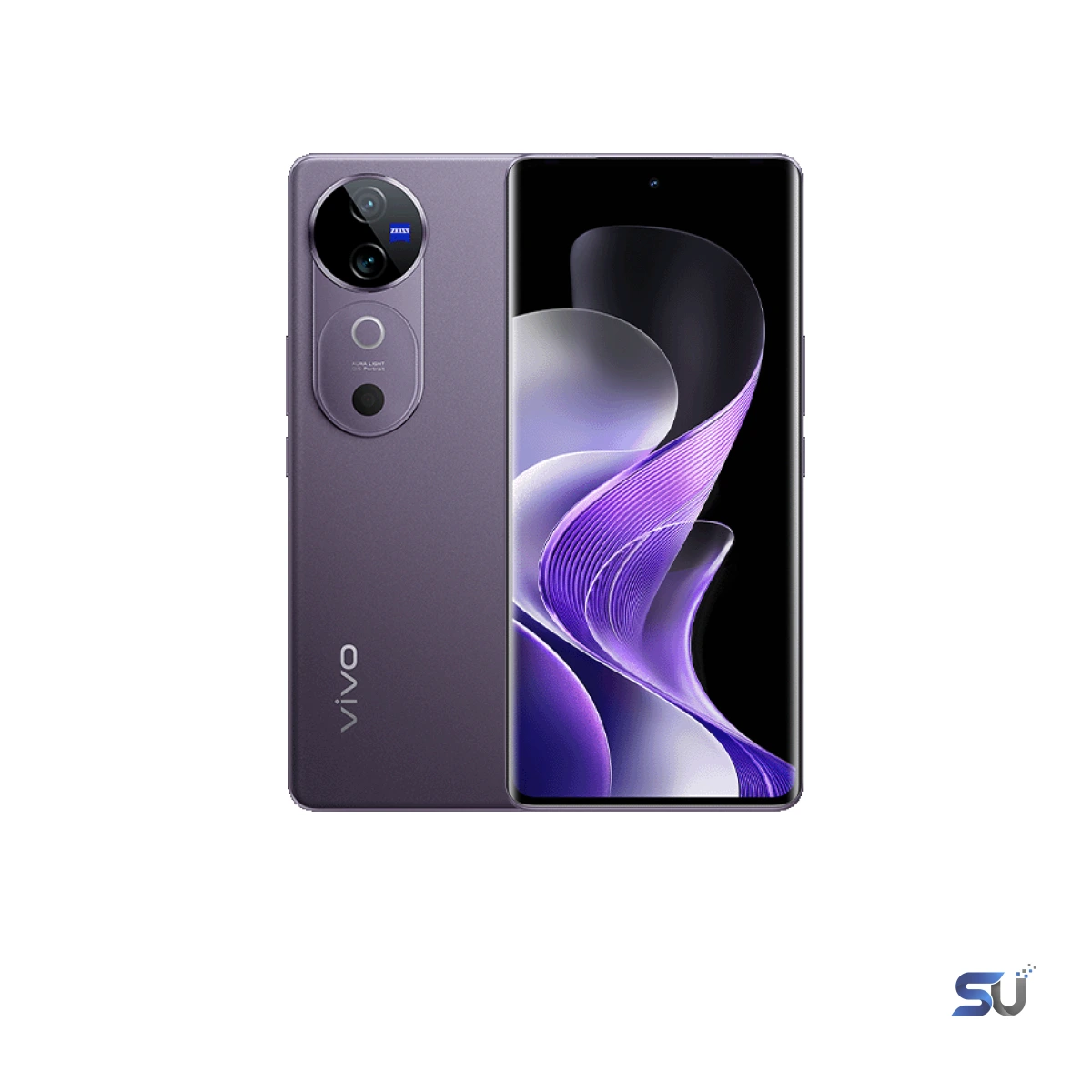
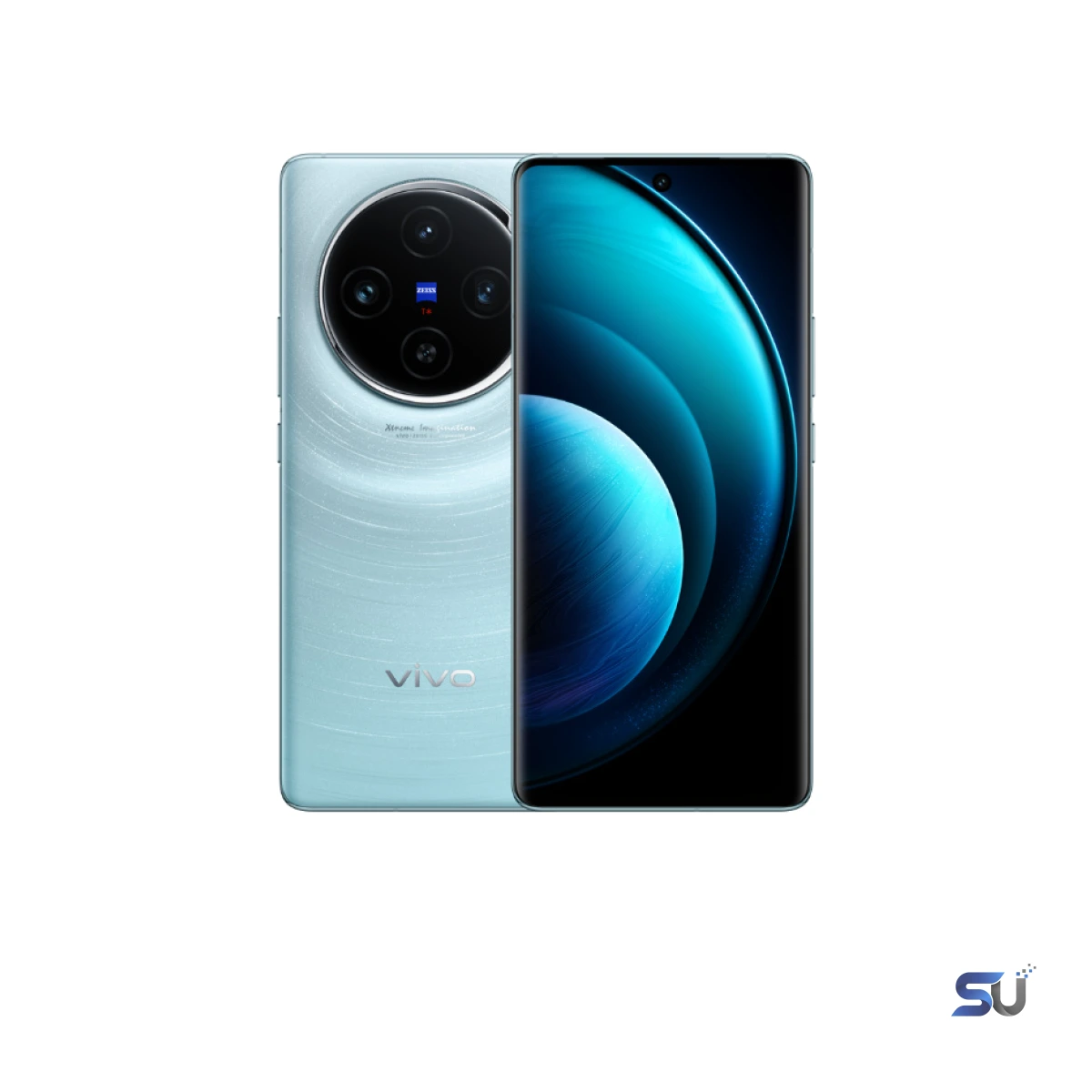
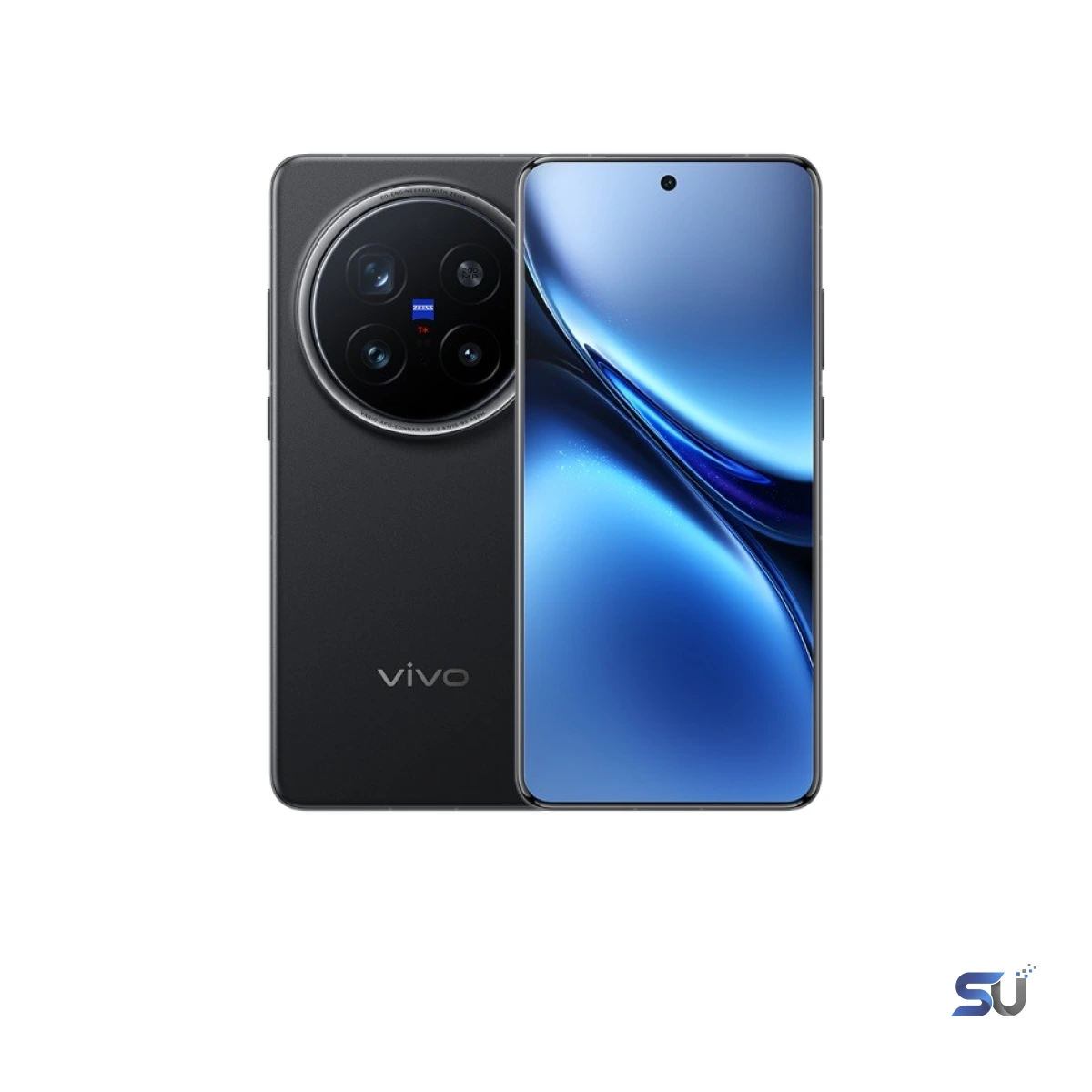
A single wedding weekend can swallow more phone storage than a month of ordinary days. Between 4K clips, burst portraits and slow-motion dances, free space disappears quietly. Meanwhile, nobody wants a Sunday evening spent deleting memories. That simple pressure explains who the Vivo V40 12GB serves best.
Moreover, it keeps every headline trick from the standard V40 recipe. ZEISS-tuned cameras still lead the pitch, with a bright curved AMOLED alongside. Consequently, the top tier feels like the V40 with its ceiling raised. Above all, this tier turns storage into simple background freedom.
Overview
Overall, Vivo launched the V40 during mid-2024 with portraits in mind. The handset carries model number V2348 in its identity. Historically, ZEISS co-engineering belonged to Vivo's flagship X-series line. Bringing that badge into the V series widened its audience considerably.
In practice, the formula skips filler hardware entirely. Two rear cameras handle every shooting job, and both use 50MP sensors. Additionally, the maker trimmed the body to just 7.58mm thick. Despite that slimness, a 5,500mAh battery sits inside the frame.
For buyers, the 12GB tier changes the long-term maths. Extra memory keeps more apps ready in the background. Meanwhile, the higher storage ceiling delays the dreaded cleanup day. Those gains suit people who keep phones for years.
Vivo V40 12GB Display and Design
First, the screen spans 6.78 inches diagonally. Its AMOLED panel resolves 1260 x 2800 pixels, near 453 per inch. Text stays crisp, and photos show fine texture clearly. Furthermore, the 120Hz refresh rate keeps scrolling silky smooth.
Brightness peaks at a claimed 4,500 nits outdoors. Sunlight therefore troubles the panel far less than rivals. Additionally, HDR10+ support deepens contrast during streamed films. Schott Xensation glass covers the front against daily scuffs.
For eye comfort, 2160Hz PWM dimming calms low-brightness flicker. Late-night readers feel that benefit most directly. Curved edges melt into the frame for a softer grip. Overall, the display feels flagship-grade rather than mid-range.
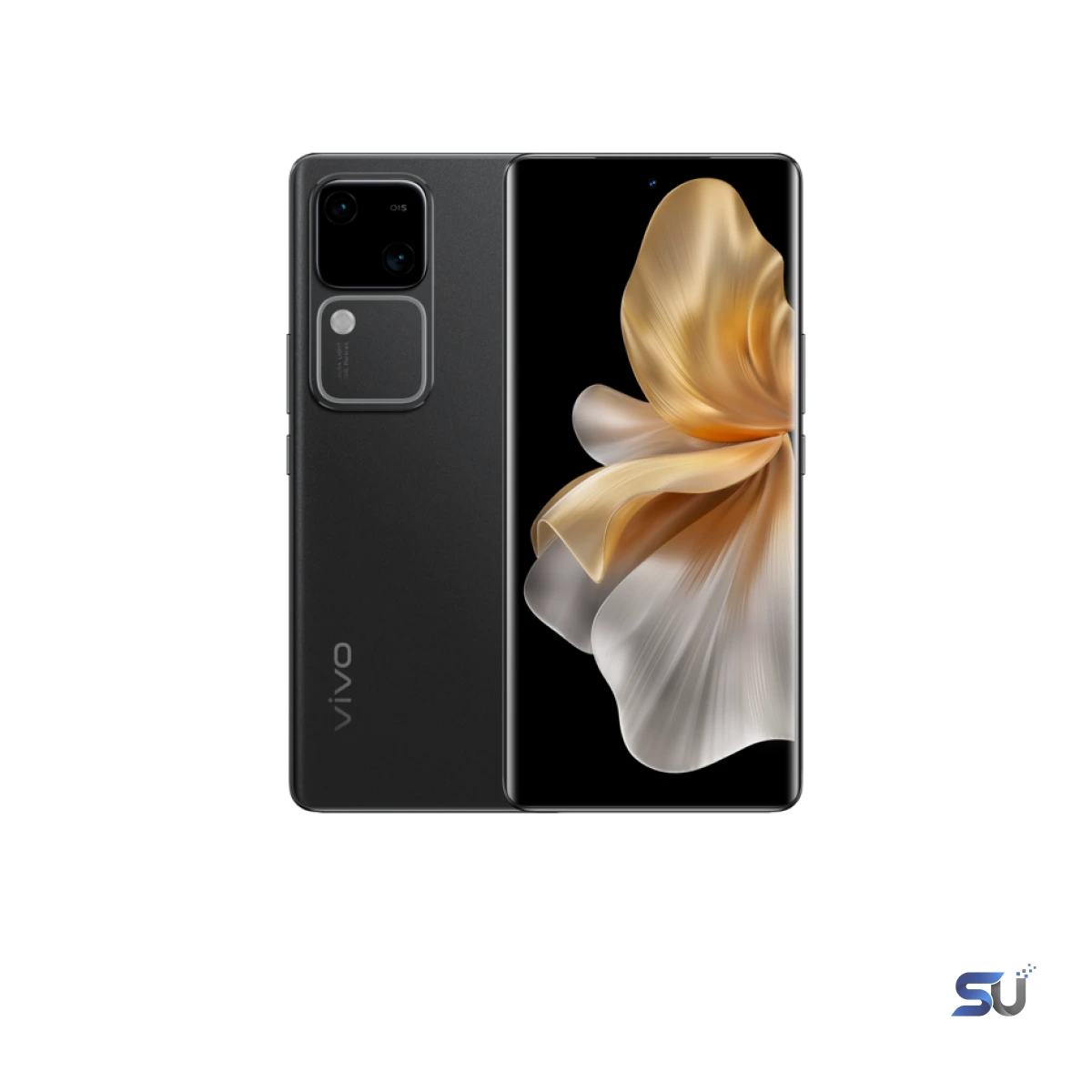
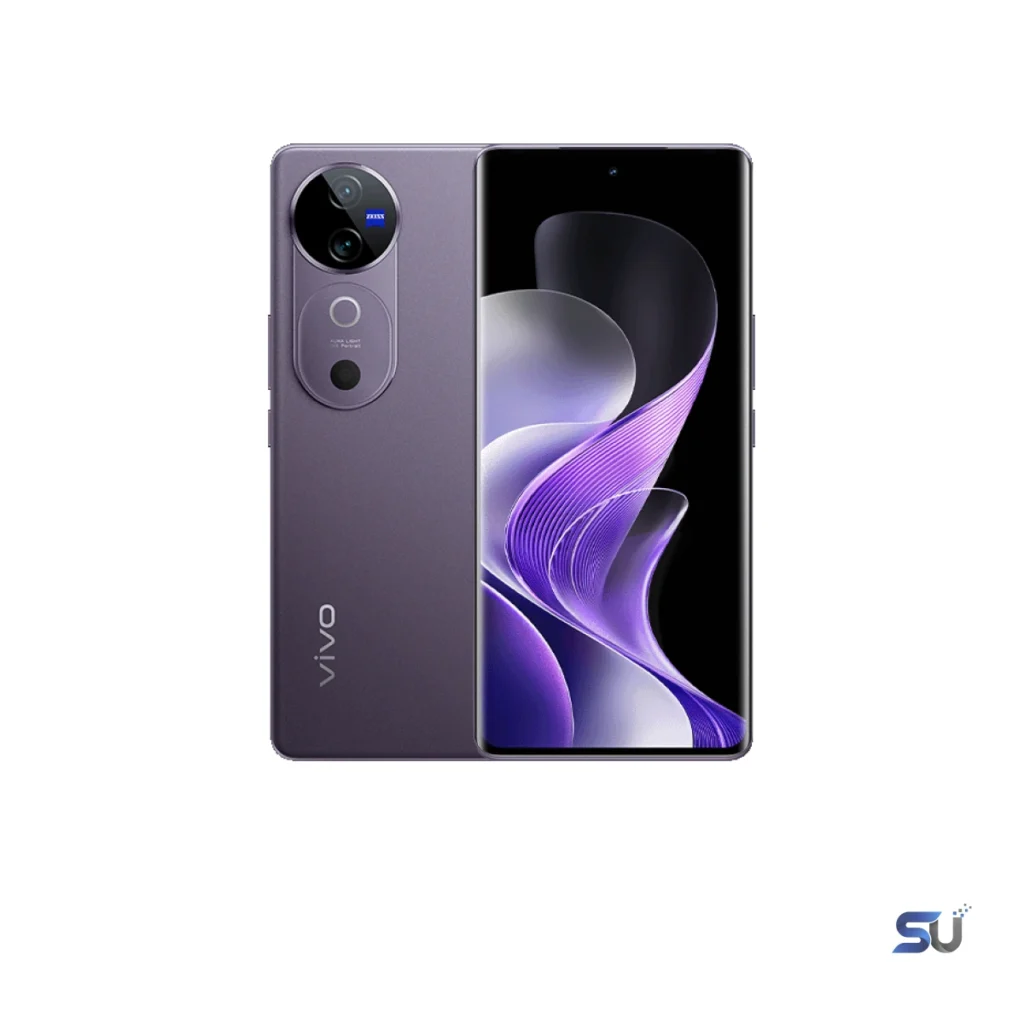
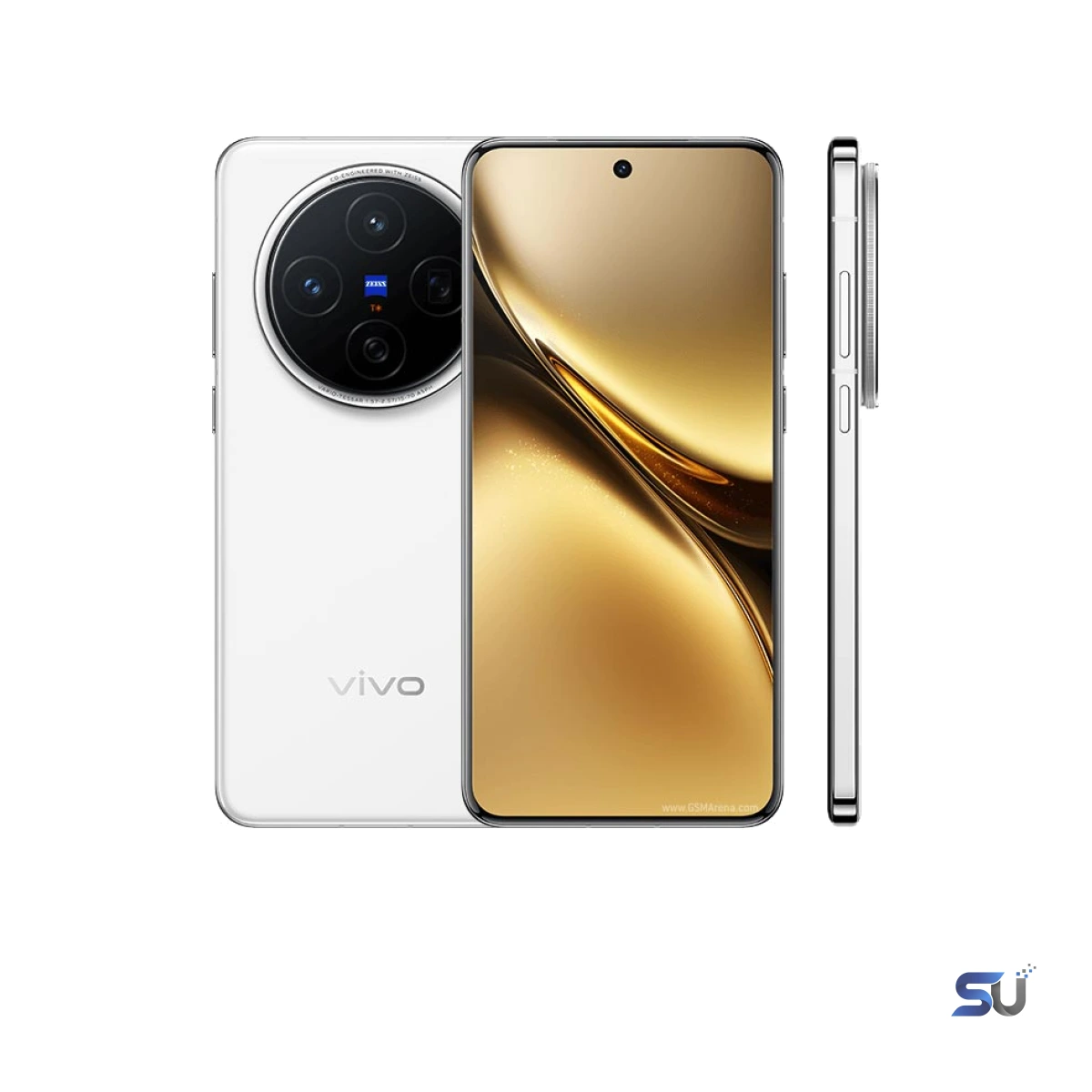
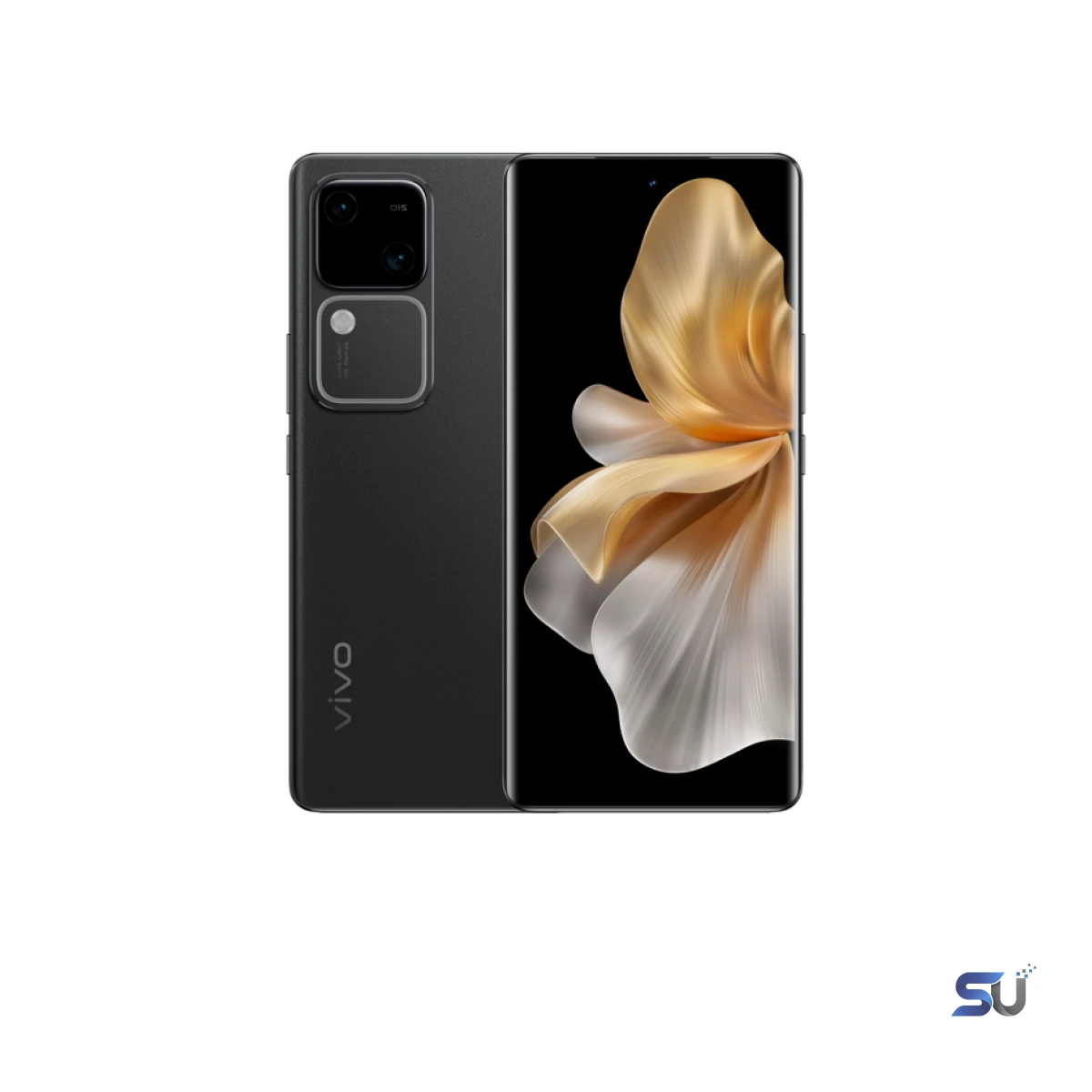
Colour choice changes the mood of the design noticeably. Ganges Blue swirls like river water under shifting light. Lotus Purple feels playful, while Titanium Grey stays understated. At 190g, the handset avoids top-heavy awkwardness too.
In the hand, the curved profile hides its size cleverly. Thumbs reach across the panel without stretching painfully. Even one-handed typing stays manageable on busy streets. Overall, the design balances glamour with daily sense.
Camera
Naturally, the cameras headline the whole V40 story. The main camera shoots 50MP through an f/1.88 lens. Optical stabilisation steadies handheld shots and video clips. Beside it, a 50MP ultra-wide camera uses an f/2.0 lens.
Portraits, though, deliver the real party trick here. ZEISS multifocal portrait mode frames faces at 24mm, 35mm and 50mm. Each step changes background compression in a pleasing way. Consequently, one lens covers reportage and classic headshots alike.
Around the front, a 50MP selfie camera adds autofocus. Its f/2.0 lens captures a wide 92° field of view. Group selfies therefore fit more faces without arm strain. The Aura Light ring softens evening portraits with gentle fill.
For video, both sides record 4K at 30fps. Stabilisation keeps walking footage calm and watchable. Colours lean lively, yet skin tones stay believable. In daylight, fine detail holds up across the frame.
At night, the main camera leans on stabilisation heavily. Longer exposures stay sharp more often than expected. Night mode also helps the front camera after dark. Street scenes keep contrast punchy without harsh glare.
For families, the ultra-wide camera earns its place daily. Its 50MP sensor keeps group shots detailed at the edges. Grandparents fit comfortably without anyone squeezing inward awkwardly. Moreover, colours stay consistent between the two rear cameras.
Heavy shooters benefit most from the storage pairing here. A 512GB library swallows hundreds of bursts and long clips. Deleting between events becomes unnecessary for months. That freedom quietly changes how freely people shoot.
Performance and Benchmarks
Under the hood, the Snapdragon 7 Gen 3 runs everything. Qualcomm builds this chip on an efficient 4nm process. Its octa-core layout mixes Cortex-A715 and Cortex-A510 cores. An Adreno 720 GPU handles graphics duties daily.
In daily use, the Vivo V40 12GB feels consistently quick. Apps open promptly, and 12GB of RAM holds more in memory. Switching between maps, chat and camera stays fluid. Moreover, the 512GB storage uses UFS 2.2 technology.
In 91mobiles testing, AnTuTu returned a score of 810,653. GeekBench 6 multi-core testing produced 3,216 in the same lab. Those numbers place the phone firmly in upper mid-range territory. They also mirror the hardware story on paper closely.
During gaming, popular titles hold steady at sensible settings. Long sessions warm the frame without dramatic slowdowns. Competitive players may still prefer dedicated gaming phones. Casual players, meanwhile, get smooth and stable fun.
Memory and Storage
Memory shapes how relaxed a phone feels over time. With 12GB of RAM, recent apps stay ready for instant return. Reloads become rarer during busy, app-hopping days. Consequently, the handset feels fresher for longer.
Storage shapes how freely the camera gets used daily. The 512GB capacity holds years of photos without offloading. Large game installs also sit comfortably alongside media libraries. For travellers, offline maps and films travel along too.
Battery and Charging
Despite the slim frame, the battery holds 5,500mAh. Vivo uses a BlueVolt cell to protect that density. In PCMark testing by 91mobiles, endurance reached 13h 00m. Lighter users should stretch comfortably into a second day.
Moreover, 80W FlashCharge refills the cell very quickly. The same lab charged from 20% to 100% in 36 minutes. Short breakfast top-ups therefore replace overnight charging habits. A charger rides inside the box, thankfully.
Reverse charging also travels through the USB-C cable. That trick can rescue earbuds or a friend's handset. However, wireless charging never joins the feature list. Buyers loyal to charging pads should note that omission.
Overnight, standby drain stays modest for a 5G handset. A full charge therefore meets most mornings with confidence. Heavy days still end with a useful reserve remaining. That consistency matters more than headline capacity alone.
Software and Connectivity
On the software side, Android 14 runs underneath everything. Funtouch OS 14 adds Vivo's themes, gestures and tools. Vivo promises two years of OS updates for the phone. Security patches continue for three years in total.
Connectivity covers the modern essentials without fuss. Dual Nano-SIM slots support 5G on both cards inside. Bluetooth 5.4 pairs accessories, while dual-band Wi-Fi handles data. NFC availability depends on the market, so check locally.
Additionally, GPS support spans GLONASS, GALILEO, BDS and NavIC. A USB Type-C 2.0 port handles charging and transfers. Stereo speakers cover media playback with decent fullness. There is no 3.5mm headphone jack on board.
Day to day, Funtouch feels lighter than older Vivo skins. AI Eraser can remove strangers from favourite photos. Extra memory also keeps background apps calmer here. Over months, that headroom should age gracefully.
Build Quality and Durability
For durability, IP68 and IP69 ratings seal the body. That pairing shrugs off dust, splashes and high-pressure jets. The body measures 164.16 x 74.93 x 7.58 mm. Glass covers both faces, with a plastic frame between.
In hand, the buttons answer with a clean click. The in-display optical fingerprint reader unlocks the phone quickly. Vivo does not name a specific vibration motor here. Haptics feel tidy rather than loose or buzzy.
Curved glass can catch reflections under harsh lights. A case also guards the camera plateau against scratches. Still, the finish resists fingerprints better than glossy rivals. Overall, the hardware feels carefully assembled throughout.
Variants and Value
This record covers the 12GB RAM tier only. That tier pairs its memory with 512GB of storage. A separate 8GB record covers the smaller configurations elsewhere. Keeping tiers separate avoids confusion at purchase time.
For heavy shooters, the Vivo V40 12GB removes storage anxiety. Video projects, offline films and photo archives coexist happily. Because storage cannot expand later, headroom matters upfront. Finally, choosing maximum capacity today protects tomorrow's library best.
Everyday Experience
On a commute, the bright screen cuts through window glare. Podcasts sound full through the stereo speakers meanwhile. One-handed use stays comfortable despite the large display. The slim waist helps smaller hands grip securely.
During weekends, the camera becomes the phone's centre of gravity. Family portraits gain a soft, flattering background blur. The 512GB ceiling encourages shooting without constant checking. Grandparents, pets and parties all get generous coverage.
For work, the large canvas suits documents well. Split-screen chats sit comfortably beside notes and mail. Calls stay clear, and microphones handle wind acceptably. By evening, the battery usually retains useful charge.
Evenings often end with editing and sharing favourite frames. The bright panel makes colour checks feel reliable outdoors. Sharing stays quick over dual-band Wi-Fi at home. By bedtime, the phone still feels ready tomorrow.
Vivo V40 12GB Against Its Rivals
Against metal-bodied rivals, this phone bets on lightness. Gaming-focused rivals answer with beefier cooling systems instead. Others promise longer software support for similar money. However, few combine this screen, battery and portrait set.
Ultimately, the ZEISS portrait modes separate it clearly. Rivals rarely match its multifocal portrait flexibility. Gamers chasing raw power get better elsewhere. Buyers chasing portraits get a specialist here instead.
Summary
In summary, this is a portrait specialist with storage to spare. It trades a telephoto lens for stronger everyday completeness. The Vivo V40 12GB targets shooters who never delete memories. Few mid-rangers balance camera, screen and battery this evenly.
Where this tier shines most:
- ZEISS-tuned 50MP main camera with OIS
- 512GB storage with 12GB of RAM
- Bright 120Hz AMOLED screen
- Fast 80W wired charging
Where it asks for compromise:
- No telephoto camera or wireless charging
- Storage cannot expand by card
- Only two years of OS updates
FAQs
Does the Vivo V40 12GB support 5G?
Yes. Both Nano-SIM slots support 5G networks while travelling. It also covers GSM, HSPA and LTE bands for wider travel use.
Is the Vivo V40 12GB waterproof?
It carries IP68 and IP69 ratings for protection. That means strong resistance against dust and water exposure. Deliberate underwater photography still exceeds its intended use.
Does the Vivo V40 12GB have wireless charging?
No. Charging happens through the 80W wired FlashCharge system instead. That wired route refills the battery remarkably quickly.
How much storage does this tier include?
This tier includes 512GB of fixed internal storage. It does not accept a memory card later. Heavy shooters therefore gain the most from choosing it.
How good is the camera for portraits?
Very good for portraits in this class. ZEISS tuning, OIS and multifocal modes all help faces. The front camera also adds autofocus for sharper selfies.
How long will the battery last?
Most users should reach the end of busy days comfortably. The 91mobiles PCMark test recorded 13h 00m of endurance. Lighter routines can stretch into a second day.
Verdict
Finally, the Vivo V40 12GB knows its audience precisely. It pairs a portrait-first camera with genuinely generous storage. For shooters who hoard memories, that pairing feels perfect. Few rivals serve that exact habit this directly.
Portrait Craft in Practice
At 24mm, portraits include the scene around your subject. That wider view suits travel stories and group settings. Context stays visible, while faces remain the focus.
At 35mm, the framing tightens into classic reportage territory. Streets fall away, while expressions take centre stage. Many photographers consider this their favourite portrait distance.
At 50mm, backgrounds melt into the familiar ZEISS look. Bokeh shapes stay rounded, and highlights glow softly. Headshots gain a polished, almost studio-like character.
Living With the V40
Over weeks, the slim build quietly becomes the headline. Pockets accept it easily, even with a case fitted. The light weight reduces fatigue during long shoots.
Morning routines benefit from the fast charging habit. A short top-up during breakfast restores serious range. Consequently, overnight charging becomes an occasional choice.
Small frustrations still exist, of course. The curved screen can catch reflections under spotlights. Also, the missing headphone jack may annoy wired listeners.
After months, small touches keep winning quiet approval. The fingerprint reader stays quick in daily use. Buttons still click cleanly, and the finish resists scuffs. Such steadiness builds trust in the hardware slowly.
In the Box and First Setup
Inside the box, Vivo includes the essentials generously. A charger, a USB cable and a protective case wait within. Setup moves quickly once the fingerprint reader registers. Afterward, the 512GB library stands ready for its first shoot.