Google Pixel 8 8GB: price, launch and colors
The Google Pixel 8 8GB is Google's compact flagship from the Pixel 8 series. Google announced it on October 4, 2023, and released it on October 12, 2023. The phone launched at $699 for the 128GB model, which positioned it as a premium yet approachable flagship.
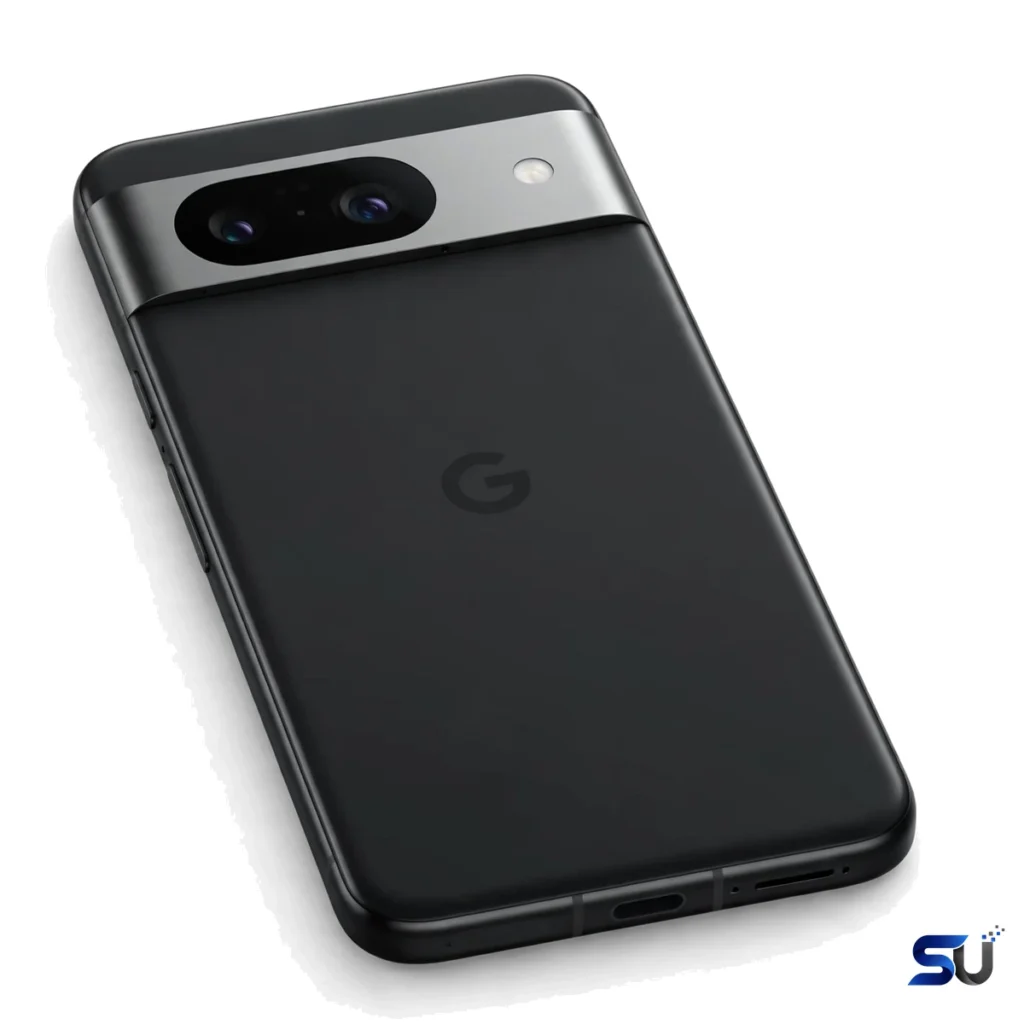
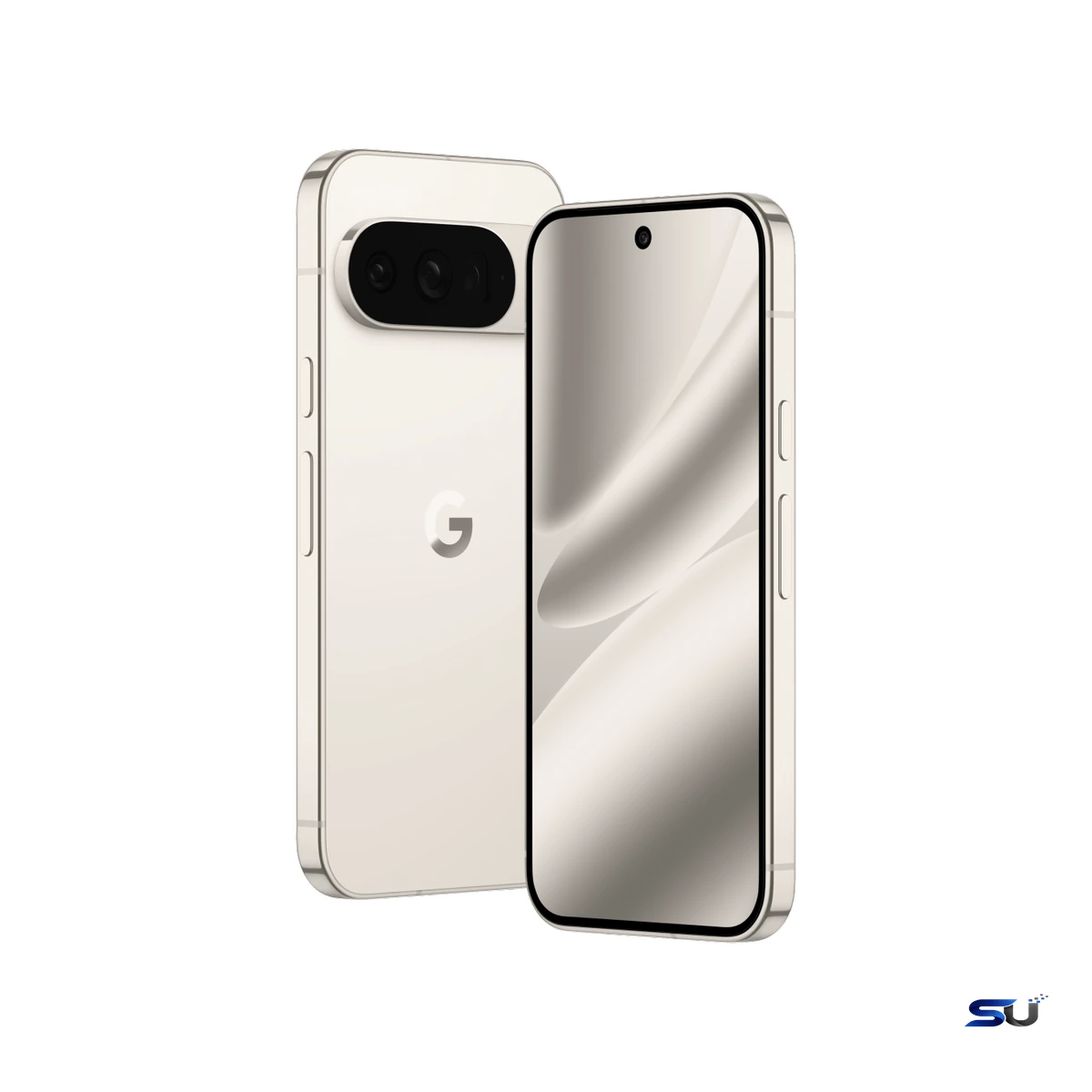
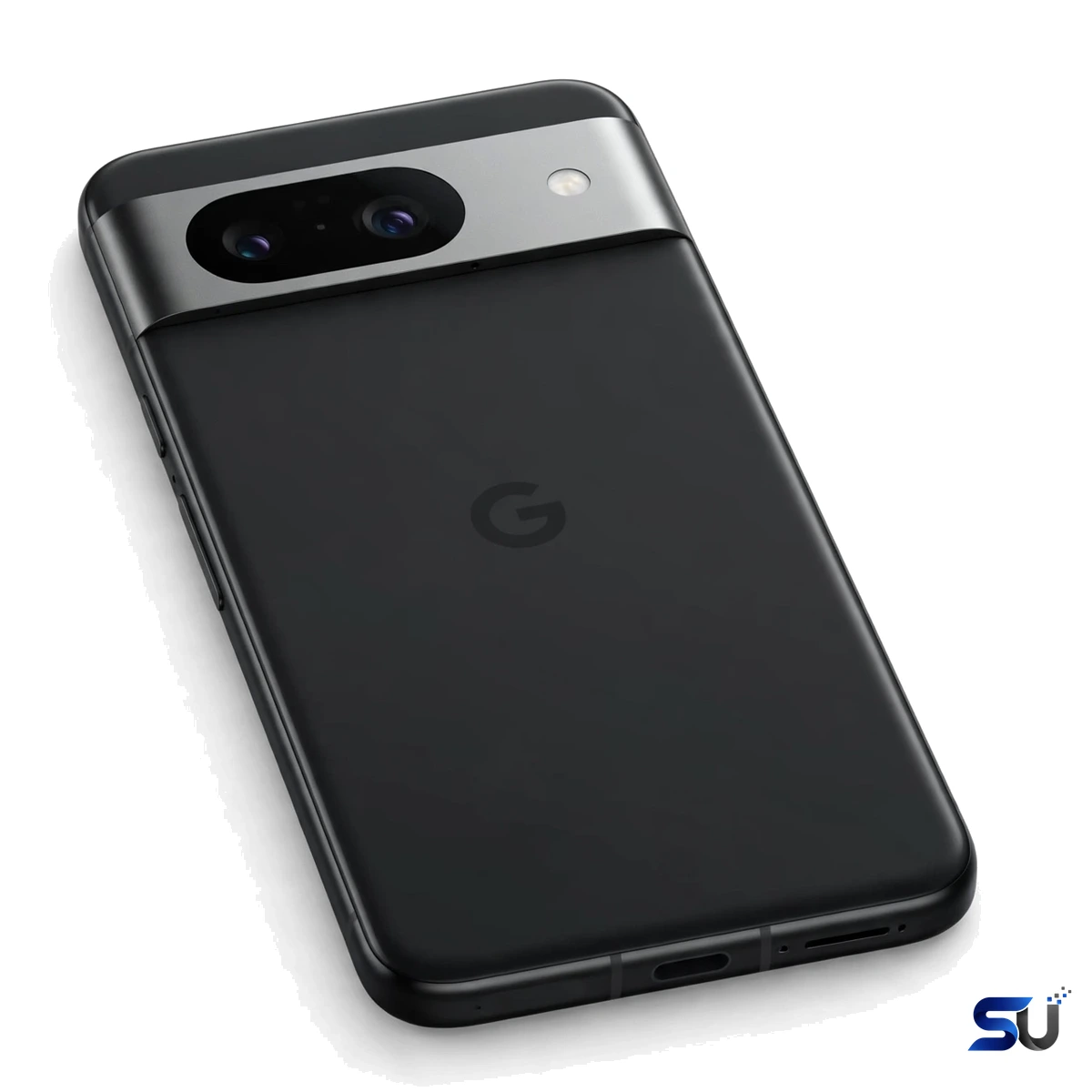
Google sells the Google Pixel 8 8GB in three colors: Hazel, Rose, and Obsidian. Hazel is a muted grey-green, while Rose adds a soft pink tone. Obsidian is the classic black option. As a result, buyers get tasteful choices without paying extra for color.
At $699, the Google Pixel 8 8GB undercuts many rival flagships. Yet it offers the same Tensor G3 chip and camera system as its larger sibling. For buyers who prefer smaller phones, that combination is hard to ignore.
Design and build quality
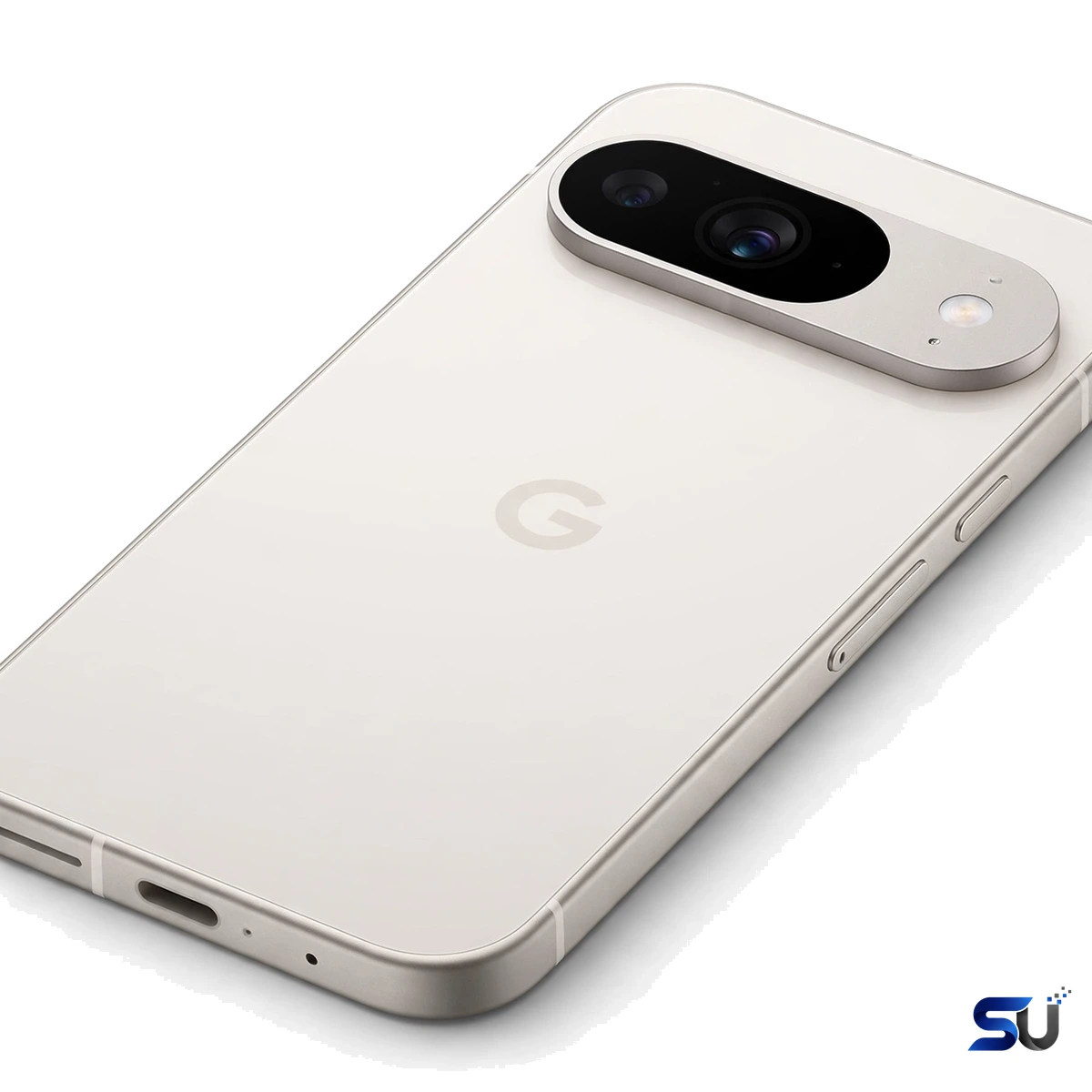
The design of the Google Pixel 8 8GB is refined and instantly recognizable. The polished aluminum frame flows into the signature camera bar across the back. This gives the phone a distinctive look that stands out from the crowd.
Both the front and back use Corning Gorilla Glass Victus, which is tougher than the glass on cheaper models. The phone carries an IP68 rating for dust and water resistance. In addition, the matte glass back resists fingerprints better than glossy finishes.
Dimensions are 150.5 x 70.8 x 8.9 mm, and the phone weighs 187 grams. It feels compact and easy to handle with one hand. Overall, the build quality feels premium, although the polished frame can pick up small scratches over time.
The camera bar also serves a practical purpose beyond looks. It stops the phone from rocking on flat surfaces, which is a small but welcome touch. The power button and volume rocker sit on the right edge with a clicky, precise feel. Overall, the Google Pixel 8 8GB feels like a true flagship in the hand, not a cut-down model.
6.2-inch OLED display
The Google Pixel 8 8GB has a 6.2-inch OLED display with a 1080 x 2400 resolution. That works out to roughly 428 pixels per inch, so text and images look crisp. The panel supports HDR10+ and a smooth 120Hz refresh rate.
Brightness reaches up to 2,000 nits at peak, which was a big jump over the Pixel 7. As a result, outdoor visibility is excellent. The display was a meaningful upgrade for the series, and it still holds up well.
Protection comes from Corning Gorilla Glass Victus. It guards well against drops and scratches, though no glass is invincible. Even so, the screen is bright, smooth, and pleasant to use every day.
Tensor G3 performance and everyday speed
At the heart of the Google Pixel 8 8GB is the Google Tensor G3. This 4nm chip powers the whole Pixel 8 lineup. Google designed it around AI workloads, so features like live translation and photo editing run smoothly.
Apps open quickly and multitasking feels fluid. The chip is not the fastest for raw gaming, but it handles daily tasks with ease. Still, most owners will find everyday speed perfectly satisfying.
CPU, GPU and gaming
The Tensor G3 uses a nine-core CPU: one 3.0 GHz Cortex-X3 prime core, four 2.45 GHz Cortex-A715 cores, and four 2.15 GHz Cortex-A510 efficiency cores. Graphics come from the Immortalis-G715s MC10 GPU. This setup focuses on efficiency and AI rather than peak gaming power.
For gaming, the Google Pixel 8 8GB runs popular titles smoothly at high settings. Very demanding games play well too, although the phone can warm up during long sessions. It is not a gaming-first phone, but casual gaming is enjoyable.
8GB RAM and 128GB storage
The phone pairs its chip with 8GB of LPDDR5X RAM. That is enough for smooth multitasking and for running Google's AI features. In addition, 8GB was the standard for flagships of its generation.
Storage is 128GB of UFS 3.1 in this variant, and Google also sells a 256GB version. There is no microSD slot, so buyers should choose carefully. For most people, 128GB works fine with cloud backup. However, heavy media users may prefer the larger option.
50MP dual camera system
Cameras are the headline feature of the Google Pixel 8 8GB. It uses a dual rear camera led by a large 50MP main sensor. Google's computational photography produces natural colors and excellent detail.
Features like Night Sight, Super Res Zoom, Best Take, and Magic Editor all work here. As a result, the camera punches above its price even years after launch. For photography lovers, it remains a strong choice.
Google's HDR+ processing deserves special mention here. It captures multiple frames with every shot and merges them for balanced exposure. Shadows keep detail while highlights avoid blowing out. As a result, the Google Pixel 8 8GB handles tricky lighting better than many newer mid-range phones. Portrait mode also benefits, with natural background blur and accurate edge detection.
Main and ultrawide cameras
The main camera uses a 50MP sensor with an f/1.68 aperture and optical image stabilization. Its 1/1.31-inch sensor captures plenty of light. In daylight, photos show sharp detail and pleasing colors.
The second camera is a 12MP ultrawide with an f/2.2 aperture and a 126-degree field of view. It suits landscapes, architecture, and group shots. There is no dedicated telephoto lens, so zoom relies on 8x Super Res Zoom. Even so, 2x cropped shots from the main sensor look very good.
Video recording and front camera
Video recording goes up to 4K at 60 frames per second, including 24fps for a cinematic look. The phone also shoots 1080p slow motion at up to 240fps. Both optical and electronic stabilization keep footage steady.
The front camera is a 10.5MP sensor with an f/2.2 lens. It takes sharp selfies and handles video calls well. Google's HDR processing keeps faces well exposed in tricky light.
Battery life and charging
The Google Pixel 8 8GB packs a 4,575mAh battery. Google claims over 24 hours of typical use from a charge. With Extreme Battery Saver, the phone can stretch to 72 hours.
In real life, most users get through a full day comfortably. The Tensor G3 is reasonably efficient, and adaptive battery learns usage patterns. Heavy users might need a top-up on very long days.
Adaptive charging is another useful touch on the Google Pixel 8 8GB. When you charge overnight, the phone learns your wake-up time and finishes charging just before it. This reduces the time the battery sits at 100 percent, which helps long-term battery health. It is a small feature, but it shows Google's attention to the details that matter over years of ownership.
Wired, wireless and reverse charging
Google rates wired charging at 27W, which fills about 50 percent in 30 minutes. A full charge takes around 80 minutes. In addition, the phone supports 18W wireless charging for convenient top-ups.
Battery Share adds reverse wireless charging. The Google Pixel 8 8GB can top up earbuds or another phone placed on its back. It is a handy extra that the cheaper A-series phones lack.
Android 14 software and seven years of updates
The Google Pixel 8 8GB launched with Android 14 and Google's clean Pixel interface. There is no heavy skin or bloatware. Instead, you get useful exclusives like Call Screen, Hold for Me, and live translation.
Google's AI features were a big selling point at launch. Magic Editor, Best Take, and Audio Magic Eraser make photo and video fixes simple. These tools have only improved with updates.
Update support is outstanding: seven years of OS upgrades and security patches from launch. That covers the phone until 2030. As a result, the Google Pixel 8 8GB still receives current software years after release.
Connectivity, security and extras
Connectivity is modern and complete. The phone supports 5G, including sub-6 GHz bands and mmWave on select models. Dual SIM works through one nano-SIM and one eSIM. You also get Wi-Fi 7, Bluetooth 5.3, and NFC.
Positioning uses dual-band GNSS with GPS, GLONASS, Galileo, BeiDou, and QZSS. The USB-C port supports USB 3.2 speeds. For security, an optical in-display fingerprint sensor joins face unlock. Both are quick and reliable.
Strengths of the Google Pixel 8 8GB
The Google Pixel 8 8GB has several clear strengths:
- Seven years of OS and security updates, rare at any price
- Excellent 50MP camera with a large 1/1.31-inch sensor
- Bright 6.2-inch 120Hz OLED display with 2,000-nit peak
- Compact, one-hand-friendly design with IP68 rating
- Gorilla Glass Victus on front and back
- Wireless charging plus Battery Share reverse charging
Together, these strengths make it a compelling compact flagship. It still competes well against newer mid-range phones.
Limitations to keep in mind
The Google Pixel 8 8GB has some trade-offs to consider:
- 27W wired charging is slow by modern standards
- No dedicated telephoto camera
- Tensor G3 runs warm under sustained load
- No microSD expansion; storage choice is permanent
- Polished frame shows scratches more easily
- Face unlock is less secure than the fingerprint sensor
None of these are deal-breakers for most buyers. However, power users and zoom fans should weigh them. Overall, the limitations are modest for the price.
Who the Google Pixel 8 8GB suits best
The Google Pixel 8 8GB suits buyers who want a compact phone without major compromises. It is ideal for one-hand use, and the camera rivals phones that cost much more. Long software support also protects the purchase for years.
It suits photography fans, clean-software lovers, and anyone tired of oversized phones. On the other hand, heavy gamers might prefer a faster chip. For most people, though, it remains a sweet spot.
Purchase checks before you buy
Before buying the Google Pixel 8 8GB, confirm the storage variant. The 128GB model launched at $699, while the 256GB version costs more. Since there is no microSD slot, this decision is permanent.
Because this is an older flagship, check whether you are buying new or refurbished. Verify the battery health on used units. Also confirm 5G band support with your carrier. Finally, buy from a reputable seller for warranty coverage.
Google Pixel 8 8GB FAQs
When was the Google Pixel 8 8GB released?
Google announced the Pixel 8 on October 4, 2023, and released it on October 12, 2023. It launched alongside the larger Pixel 8 Pro.
How much RAM and storage does the Google Pixel 8 8GB have?
This variant has 8GB of LPDDR5X RAM and 128GB of UFS 3.1 storage. Google also sells a 256GB version. There is no microSD card slot.
Does the Google Pixel 8 8GB support wireless charging?
Yes, it supports 18W wireless charging. It also offers Battery Share reverse wireless charging for topping up accessories.
How long will the Google Pixel 8 8GB receive updates?
Google promises seven years of OS upgrades and security updates from launch. That covers the phone until 2030.
Is the Google Pixel 8 8GB water resistant?
Yes, it has an IP68 rating for dust and water resistance. It can handle submersion in shallow water for a short time.
Does the Google Pixel 8 8GB have a telephoto camera?
No, there is no dedicated telephoto lens. Zoom comes from 8x Super Res Zoom, which crops digitally from the 50MP main sensor.
Closing summary
The Google Pixel 8 8GB is a well-rounded compact flagship. It combines the Tensor G3 chip, an excellent 50MP camera, a bright 120Hz display, and seven years of updates. IP68 resistance and wireless charging complete a strong package.
Slower charging and the lack of a telephoto lens are the main compromises. Still, as prices have fallen since launch, the value keeps improving. For buyers who want a smaller phone with a great camera, the Google Pixel 8 8GB remains a smart choice.
Compared with newer mid-range rivals, the Google Pixel 8 8GB stands out through its camera and software support. Few phones near its current street price match the photography or the update promise. Buyers who value those strengths will find plenty to like.
Software longevity is the final piece of the puzzle. With updates promised until 2030, the Google Pixel 8 8GB will stay secure and current for years. That kind of support was unheard of at this price when it launched. Even now, few competitors match it. For buyers who keep phones long-term, that alone justifies the purchase.