
Foldable Dynamic AMOLED 2X (main); Dynamic AMOLED 2X (cover)
16GB
1TB
200MP wide (f/1.7, OIS) + 12MP ultra-wide (f/2.2) + 10MP 3x telephoto (f/2.4, OIS)
Snapdragon 8 Elite for Galaxy (3 nm)
4400mAh
8.0 inches (main foldable display); 6.5 inches (cover display)
Foldable Dynamic AMOLED 2X (main); Dynamic AMOLED 2X (cover)
2184 × 1968 pixels (main); 2520 × 1080 pixels (cover)
120
2600
HDR10+
Corning Gorilla Glass Ceramic 2 (cover display); ultra-thin glass (main display)
200MP wide (f/1.7, OIS) + 12MP ultra-wide (f/2.2) + 10MP 3x telephoto (f/2.4, OIS)
10MP cover camera (f/2.2); 10MP under-display camera (f/2.2)
3x optical telephoto; up to 30x digital zoom
Up to 8K at 30 fps; 4K at up to 60 fps
Night Mode with Nightography on rear and front cameras
OIS on wide and telephoto rear lenses; EIS for video
Snapdragon 8 Elite for Galaxy (3 nm)
Octa-core, up to 4.47 GHz
Adreno 830
16GB
1TB
UFS 4.0
No microSD card slot
Unfolded: 158.4 × 143.2 × 4.2 mm; Folded: 158.4 × 72.8 × 8.9 mm
215
Armor Aluminum frame; Corning Gorilla Glass Victus 2 rear; Corning Gorilla Glass Ceramic 2 cover display
IP48
Blue Shadow, Silver Shadow, Jetblack, Mint (Samsung.com exclusive)
4400mAh
25W wired fast charging; about 50% in 30 minutes
15W wireless charging
Wireless PowerShare (reverse wireless charging)
Up to 24 hours video playback (Samsung test); Active Use Score 11 h 44 min (GSMArena lab test)
5G / LTE; exact bands vary by regional model
Nano-SIM and eSIM
Bluetooth 5.4
Wi-Fi 7 (802.11be)
GPS, GLONASS, BeiDou, Galileo, QZSS
NFC supported
USB Type-C; USB 3.2 Gen 1
5G; eSIM; Samsung DeX; USB-C
Android 16
One UI 8
Seven generations of OS upgrades and seven years of security updates from launch
Geekbench 6 multi-core: 9,152 (GSMArena)
AnTuTu 10: 1,995,132 (GSMArena)
Folded or unfolded, the 8 Elite for Galaxy delivers flagship frame rates; the large canvas suits split-screen play (our testing)
Thinner chassis, same composure; the 8 Elite for Galaxy holds clocks well in stress testing (our testing)
Active Use Score: 11 h 44 min (GSMArena)
53% in 30 minutes (GSMArena lab test)
-28.0 LUFS (rated Good by GSMArena)
No published PWM data exists for the Fold 7's inner or cover screens
215 g
4.2 mm unfolded; 8.9 mm folded
Armor Aluminum frame; Corning Gorilla Glass Victus 2 back; ultra-thin glass main display; Corning Gorilla Glass Ceramic 2 cover display
Side-mounted capacitive fingerprint sensor
Physical volume and side buttons
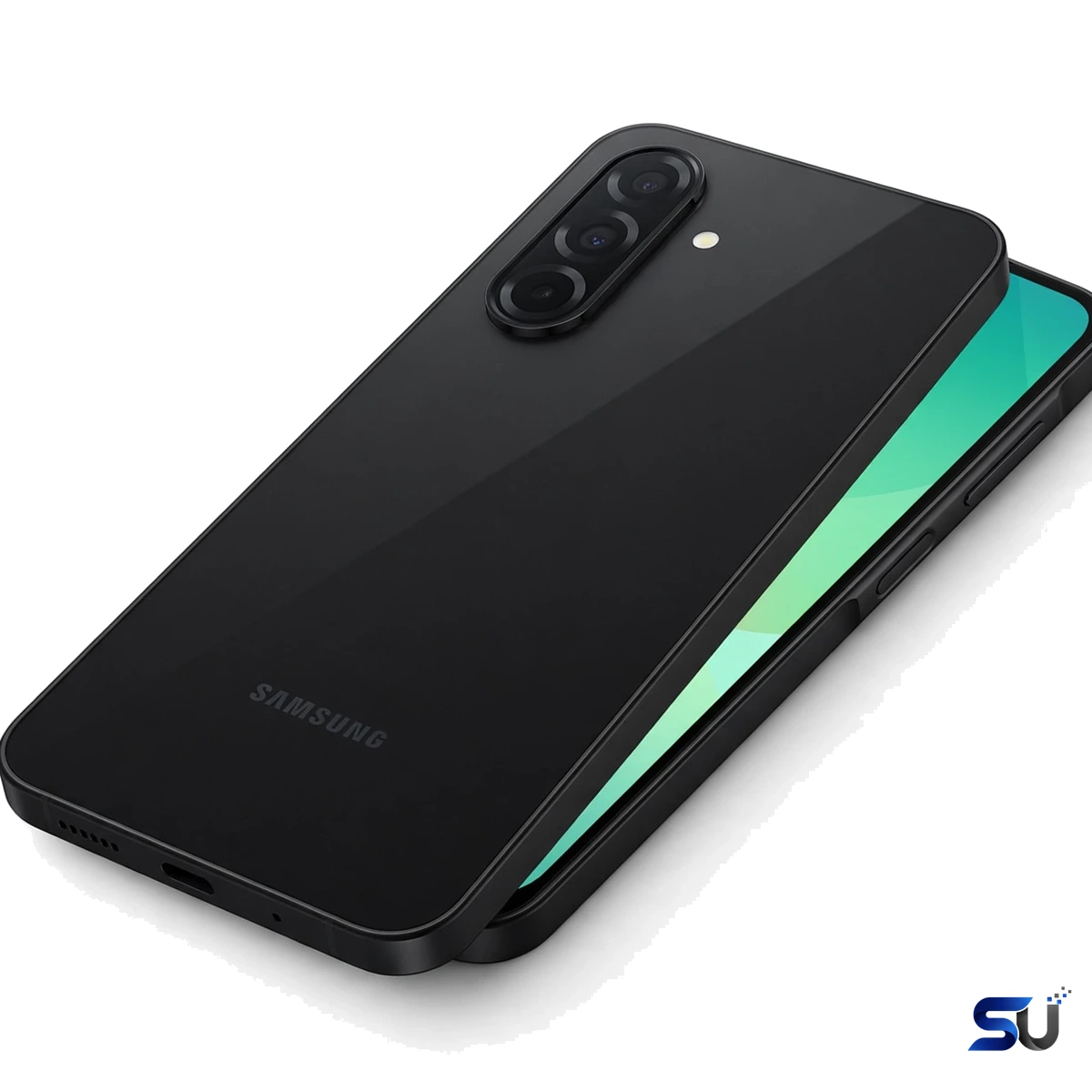
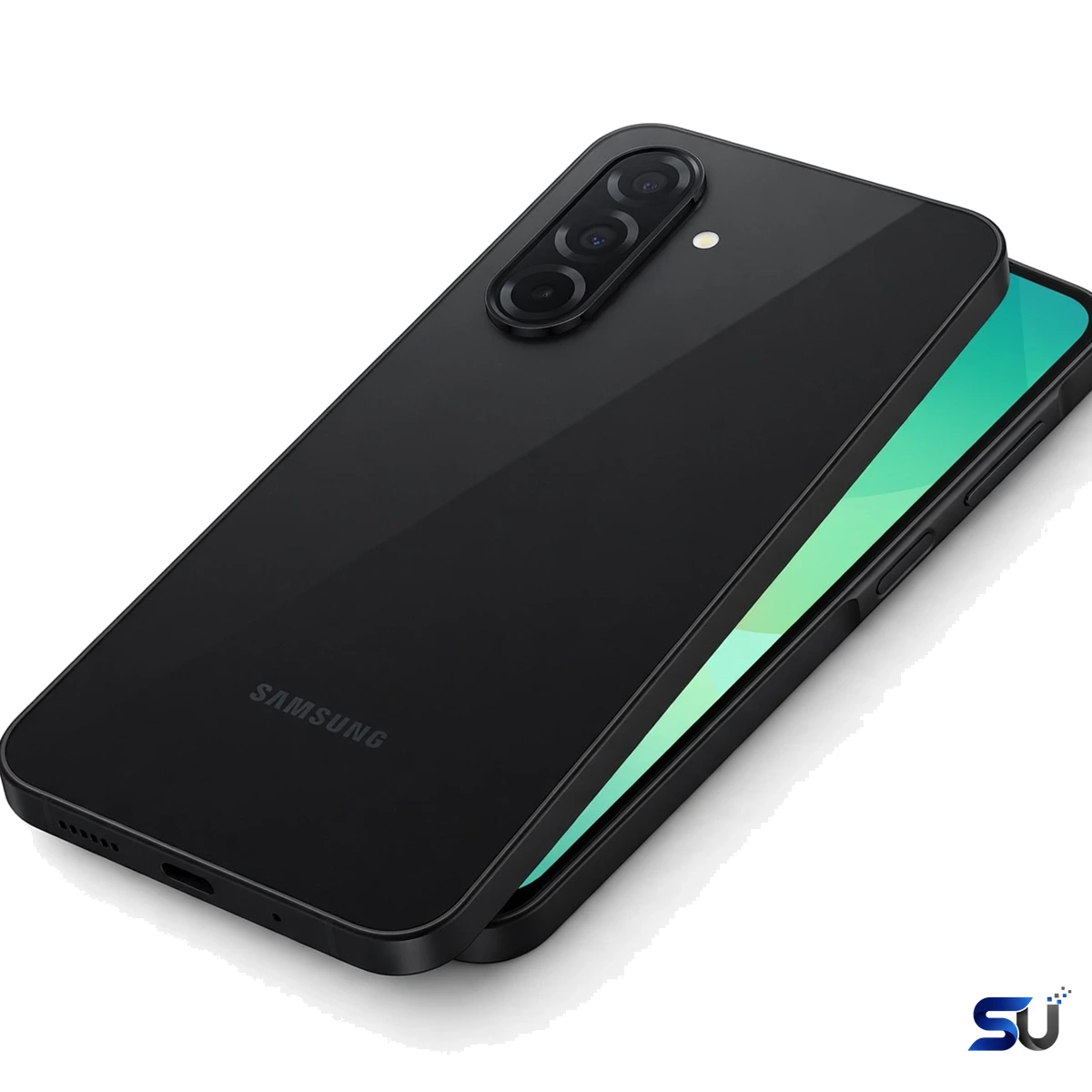
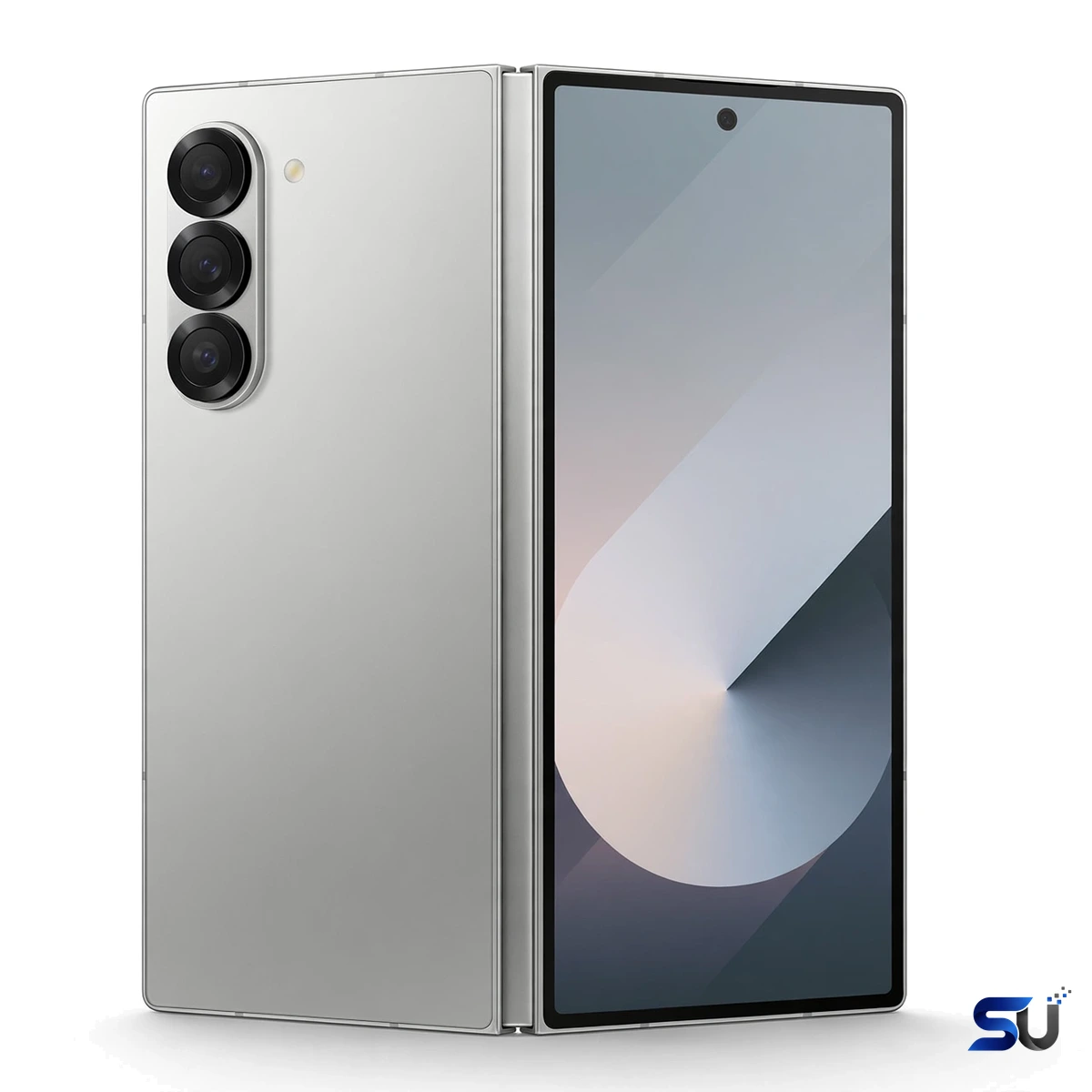
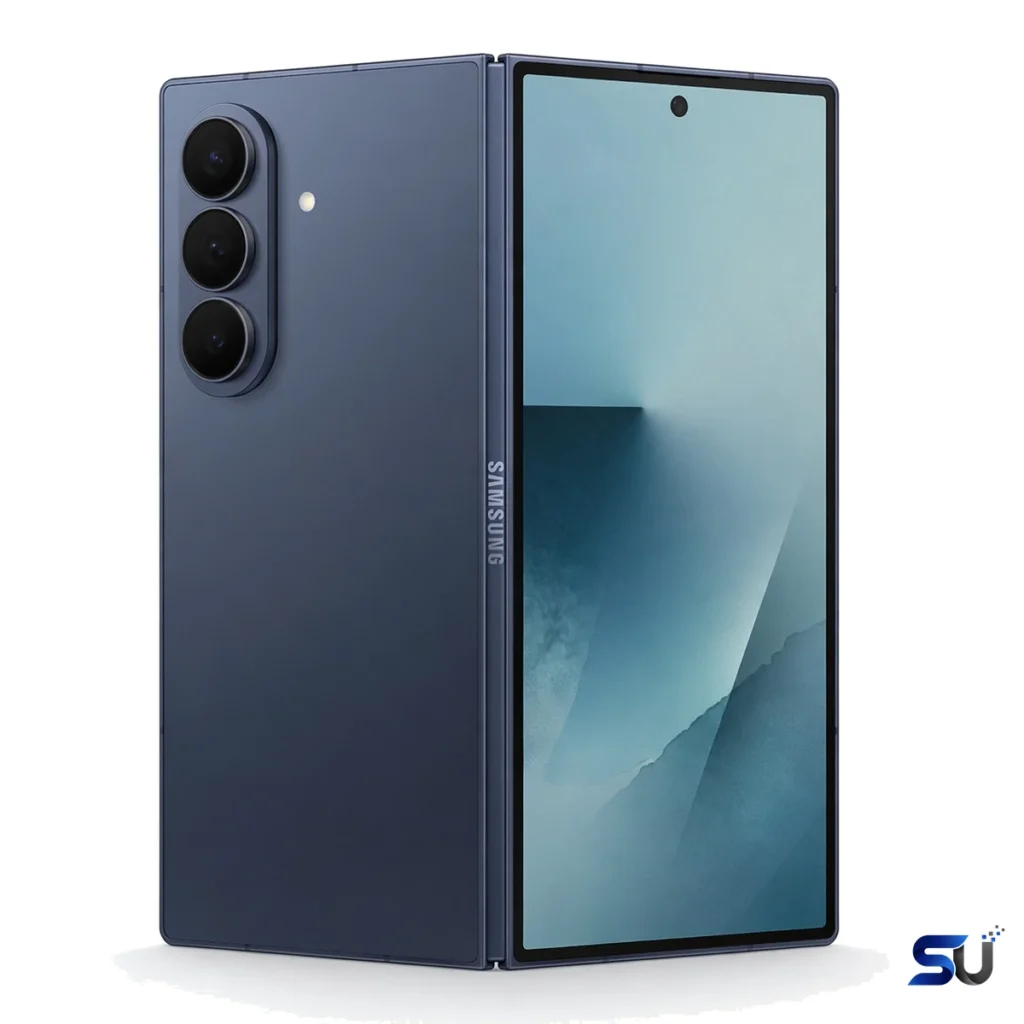
The Samsung Galaxy Z Fold 7 16GB 1TB is the most fully equipped configuration of Samsung's 2025 book-style foldable flagship. It combines 16GB of RAM with 1TB of UFS 4.0 storage, which is the largest memory and storage pairing in the Fold 7 range. Like its siblings, it folds shut into a regular smartphone with a 6.5-inch cover display and opens into an 8.0-inch tablet-like workspace. A 200MP main camera leads the rear camera system. The Snapdragon 8 Elite for Galaxy delivers flagship processing. A 4,400mAh battery powers the device through the day. It launched in July 2025 running Android 16 with One UI 8.
The Samsung Galaxy Z Fold 7 16GB 1TB is the most fully equipped configuration of Samsung's 2025 book-style foldable flagship. It combines 16GB of RAM with 1TB of UFS 4.0 storage, which is the largest memory and storage pairing in the Fold 7 range. Like its siblings, it folds shut into a regular smartphone with a 6.5-inch cover display and opens into an 8.0-inch tablet-like workspace. A 200MP main camera leads the rear camera system. The Snapdragon 8 Elite for Galaxy delivers flagship processing. A 4,400mAh battery powers the device through the day. It launched in July 2025 running Android 16 with One UI 8.
The model number is SM-F966. Within the Galaxy Z Fold 7 family, this 16GB 1TB configuration sits at the top of the range. The generous 16GB of LPDDR5X RAM gives demanding multitaskers extra headroom, while the 1TB of UFS 4.0 storage removes capacity anxiety entirely. As a result, buyers who keep large media libraries, offline maps, and professional files on their phone will find this variant the most comfortable. However, there is no microSD card slot, so the built-in 1TB is the final word on storage. For this reason, the 1TB tier suits users who want everything local and instantly accessible. It carries the highest price of the range, yet it also delivers the most complete Fold 7 experience.
The rear camera system centers on a 200MP wide lens with an f/1.7 aperture and optical image stabilization. Samsung pairs it with a 12MP ultra-wide camera at f/2.2 for landscapes and group shots. A 10MP telephoto camera with 3x optical zoom and OIS handles portraits and distant subjects. Together, the three lenses cover focal lengths from ultra-wide to 3x zoom, with digital zoom reaching 30x. Nightography processing improves low-light results across the rear cameras. A 10MP f/2.2 camera in the cover display handles selfies and video calls. A second 10MP camera hides under the main foldable display. Video recording reaches 8K at 30 frames per second, while 4K recording runs at up to 60 frames per second.
The main display measures 8.0 inches diagonally when unfolded. It uses a Foldable Dynamic AMOLED 2X panel with a resolution of 2184 × 1968 pixels. The refresh rate adapts between 1Hz and 120Hz, which saves battery during static content and keeps motion smooth during scrolling and gaming. In addition, peak brightness reaches 2,600 nits, so the screen stays readable outdoors. HDR10+ support improves contrast in supported video. The cover display is a 6.5-inch Dynamic AMOLED 2X panel at 2520 × 1080 pixels. It also supports an adaptive 120Hz refresh rate. Corning Gorilla Glass Ceramic 2 protects the cover screen, while ultra-thin glass covers the folding panel.
The Samsung Galaxy Z Fold 7 16GB 1TB closes to a familiar phone shape, so calls and messaging feel normal. Unfolding reveals a near-square screen that suits split-screen multitasking. Two or three apps can run side by side without feeling cramped. The crease at the fold remains visible under certain light, although Samsung has reduced it compared with older models. The device weighs 215 grams, like many slab-style flagships. At 4.2mm thick when open, it feels remarkably slim. The IP48 rating adds dust and water resistance that earlier foldables lacked.
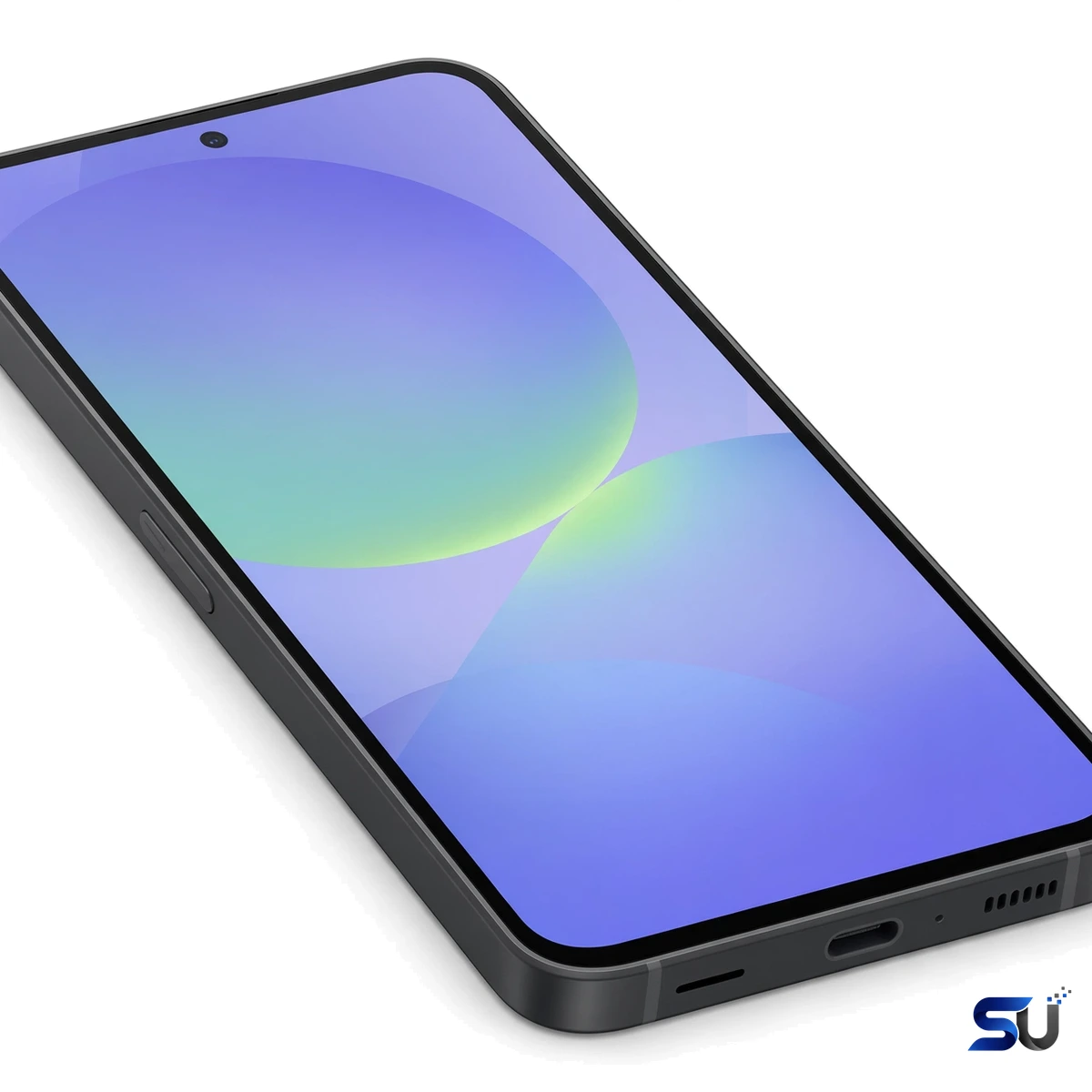
Both screens use Samsung's AMOLED technology, so colors look rich and blacks are deep. The 120Hz adaptive refresh rate applies to the main and cover displays alike. As a result, scrolling feels equally smooth whichever screen is in use. The 2,600-nit peak brightness helps with outdoor visibility, although sustained full brightness will drain the battery faster. HDR10+ content shows improved highlight detail on both panels.
The larger inner screen changes how apps feel. Reading, spreadsheets, and video editing all benefit from the extra space. The cover screen handles quick tasks without unfolding. Over time, most owners develop a rhythm between the two. Battery impact stays manageable because the refresh rate drops when the image is static.
The Snapdragon 8 Elite for Galaxy is a 3nm chip with an octa-core CPU running up to 4.47GHz. It ranks among the fastest mobile processors of 2025. For example, everyday tasks such as browsing, messaging, and social media run without hesitation. Demanding games load quickly and hold high frame rates. The Adreno 830 GPU handles graphically intense titles well. Samsung's cooling system sustains performance during longer sessions, although heavy gaming will still warm the chassis.
16GB of LPDDR5X RAM is generous even by flagship standards. It keeps dozens of apps alive in memory, so switching between them feels instant. Heavy multitasking across the large foldable display benefits directly from the extra RAM. The 1TB of UFS 4.0 storage loads apps and files quickly while holding vast media libraries. However, the lack of a microSD slot means storage is fixed. With 1TB built in, though, most users will never think about capacity.
The 200MP main sensor captures detailed daylight photos with natural colors. In low light, pixel-binning combines pixels for cleaner night shots. The 12MP ultra-wide covers a wide field of view, which suits architecture and group photos. The 10MP telephoto offers 3x optical zoom for portraits with natural background blur. Digital zoom extends to 30x, although quality drops at the extreme end. Samsung's vivid image processing suits social sharing.
The 10MP cover camera takes sharp selfies and handles video calls well. The under-display camera is less sharp but stays hidden during full-screen video. For the best selfies, owners can use the rear cameras with the cover screen as a viewfinder. Video recording reaches 8K at 30fps, while 4K at 60fps offers smoother motion. Both OIS and EIS keep footage steady.
The 4,400mAh battery is split across the two halves of the folding body. In lab testing, the Samsung Galaxy Z Fold 7 16GB 1TB recorded an Active Use Score of 11 hours and 44 minutes. Real-world endurance depends heavily on screen choice. Heavy use of the large inner display drains the battery faster than the cover screen alone. As a result, most users will reach the evening with moderate use, while power users may need a top-up. The adaptive refresh rate and efficient 3nm chip stretch each charge.
Wired charging runs at 25W, which fills about half the battery in 30 minutes. A full charge takes roughly 90 minutes. Wireless charging works at 15W for cable-free top-ups. Wireless PowerShare can charge earbuds or a watch. However, Samsung does not include a charger in the box, so buyers need a compatible USB-C adapter.
At 215 grams, the Fold 7 weighs about the same as large slab phones. Unfolded, it measures 158.4 × 143.2 × 4.2mm, which makes it one of the thinnest foldables available. Folded, it is 158.4 × 72.8 × 8.9mm — slightly thicker than a regular phone but easy to pocket. In addition, the Armor Aluminum frame keeps the structure rigid. Gorilla Glass Victus 2 protects the back panel. The solid hinge holds the phone open at various angles for hands-free video.
The IP48 rating covers dust particles larger than 1mm and water immersion up to 1.5 meters for 30 minutes. This is a meaningful upgrade over older foldables. Still, the folding screen needs more care than regular glass. A case designed for the Fold 7 protects the hinge and outer panels. Samsung's care plans add peace of mind for accident-prone owners.
The Fold 7 supports 5G networks, although exact bands vary by region. Moreover, it accepts a nano-SIM card and an eSIM for dual-line use. Wi-Fi 7 delivers fast wireless speeds on compatible routers. Bluetooth 5.4 connects to headphones, watches, and accessories reliably. NFC handles contactless payments and quick pairing. Ultra Wideband enables precise item tracking with compatible tags. The USB-C port supports USB 3.2 Gen 1 transfer speeds. Samsung DeX creates a desktop-like experience on an external monitor.
The phone ships with Android 16 and Samsung's One UI 8 interface. One UI 8 adds multitasking features designed for the foldable screen, including improved split-screen and taskbar controls. In addition, Galaxy AI features assist with writing, translation, and photo editing. Samsung promises seven generations of OS upgrades and seven years of security updates. This long support window means the Fold 7 should stay current until 2032. The software feels polished, although duplicate Samsung and Google apps remain a minor annoyance.
Lab tests place the Fold 7 among the fastest phones of 2025. It recorded a Geekbench 6 multi-core score of 9,152 and an AnTuTu 10 score of 1,995,132 in GSMArena testing. The 3DMark Wild Life Extreme result of 5,952 points reflects strong graphics performance. Consequently, these numbers confirm the Snapdragon 8 Elite for Galaxy delivers true flagship speed. However, benchmarks only tell part of the story. Thermal design and software tuning matter just as much for sustained real-world performance.
Demanding games run smoothly at high settings on the large display. For example, the extra screen space gives an advantage in strategy and racing titles. The vapor chamber spreads heat across the chassis during long sessions. Frame rates stay stable in most titles, although the phone will warm up noticeably. Emulators and video editing apps also benefit from the powerful chip and generous RAM. For shorter sessions, the cover screen works fine and saves battery.
Day to day, the Samsung Galaxy Z Fold 7 16GB 1TB feels like two devices in one. For instance, the cover screen handles commuting tasks such as music, maps, and messages. At a desk or on the couch, the unfolded display takes over for email triage, document review, and video. Split-screen multitasking genuinely replaces a small tablet for many workflows. The 215g weight stays comfortable during long reading sessions. After a week, unfolding becomes second nature.
The Samsung Galaxy Z Fold 7 16GB 1TB suits professionals who want a phone and tablet in one device. In particular, multitaskers will use the split-screen features daily. Content creators benefit from the large viewfinder and editing space. Power users who keep everything on-device will value the 1TB storage. Buyers who keep phones for many years will value the seven-year update promise. Anyone who wants the most complete Fold 7 will find it here.
Budget-conscious buyers should consider cheaper flagships, since foldables carry a premium. On the other hand, users who need an S Pen must look at older Fold models or the Galaxy S Ultra series. One-handed users may find the folded width awkward. Buyers who stream everything and back up to the cloud may find 1TB unnecessary. Anyone rough with phones should weigh the higher repair costs of folding screens.
Yes. It carries an IP48 rating, which means protection against dust particles over 1mm and water immersion up to 1.5 meters for 30 minutes. However, it is not fully dust-proof, so beach and workshop use needs caution.
No. Samsung removed S Pen support from the Fold 7 to achieve the thinner design. Buyers who need stylus input should consider the Galaxy S25 Ultra or an older Fold.
The crease is still visible under direct light and can be felt with a finger. However, Samsung has made it shallower than on previous generations. Most owners stop noticing it within days.
The system software and preinstalled apps use part of the 1TB, leaving roughly 930GB for the user. Without a microSD slot, the built-in capacity is final, but 1TB suits even the largest media libraries.
Samsung promises seven generations of Android OS upgrades and seven years of security patches from launch. This covers the phone until 2032, among the longest in the industry.
No. Samsung does not include a wall charger with the Fold 7. Buyers need a USB-C charger supporting 25W or higher.
The Samsung Galaxy Z Fold 7 16GB 1TB sits at the very top of Samsung's foldable range for 2025. It pairs the refined book-style design with the maximum memory and storage configuration. The 1TB tier removes every compromise around capacity, while 16GB of RAM keeps multitasking fluid for years. Ultimately, for buyers who want the definitive Fold 7, this is the configuration to choose.