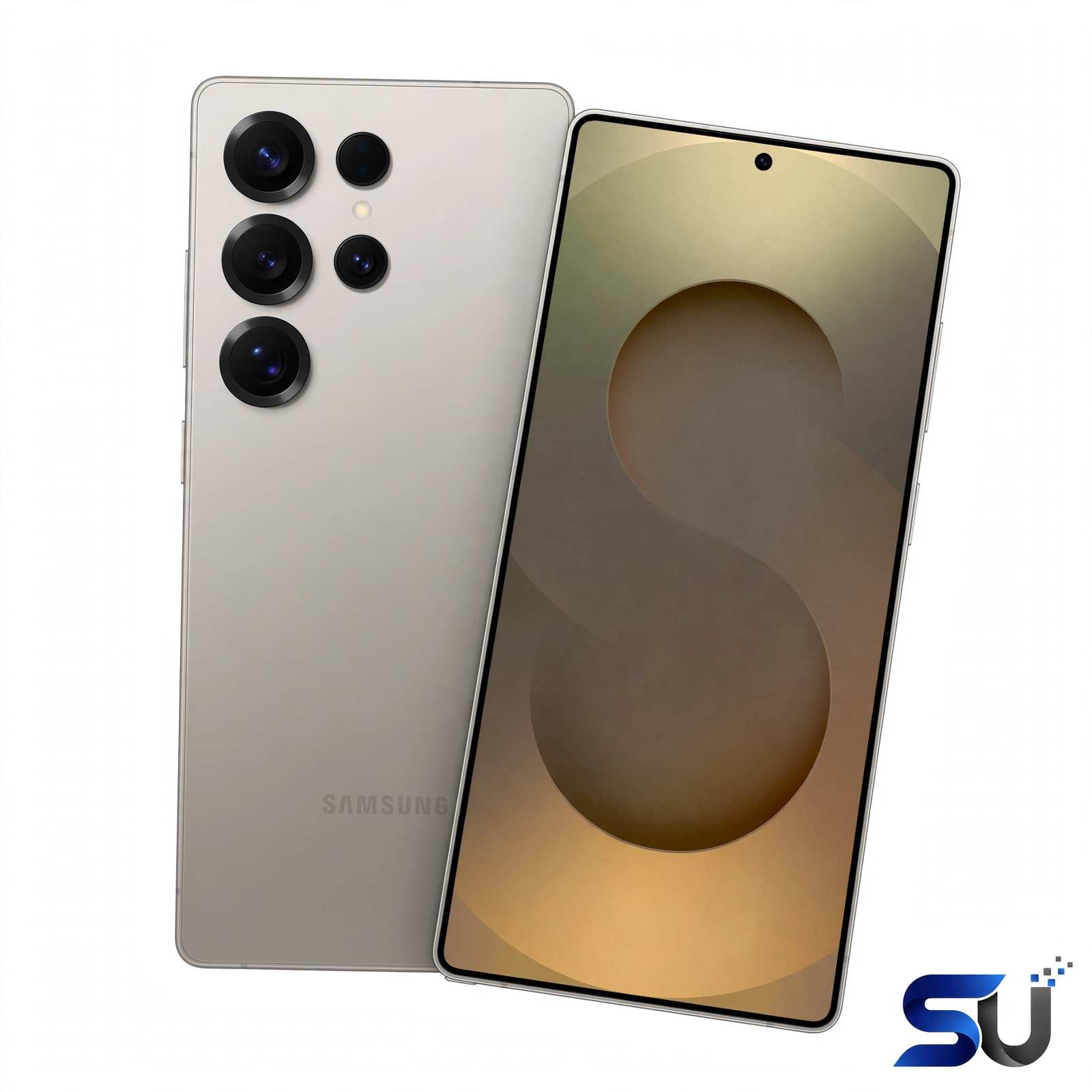


Super AMOLED, 120Hz
8GB
128GB
50MP f/1.8 (wide) PDAF OIS + 8MP f/2.2 (ultrawide, 120°) + 2MP (macro)
Samsung Exynos 1380 (5 nm)
5000 mAh
6.7 inches
Super AMOLED, 120Hz
1080 x 2340 pixels (~385 ppi)
120
777
No HDR certification is documented for this display
Corning Gorilla Glass Victus+
50MP f/1.8 (wide) PDAF OIS + 8MP f/2.2 (ultrawide, 120°) + 2MP (macro)
13MP f/2.2
Up to 10x digital zoom
4K@30fps, 1080p@30fps, gyro-EIS
Night mode on main and front cameras
OIS on 50MP main camera
Samsung Exynos 1380 (5 nm)
Octa-core (4x2.4 GHz Cortex-A78 + 4x2.0 GHz Cortex-A55)
Mali-G68 MP5
8GB
128GB
Samsung hasn't specified the storage flash standard for this model
microSDXC (uses shared SIM slot)
164 x 77.5 x 7.7 mm
200 g
Gorilla Glass Victus+ front and back, plastic frame
IP67
Black, White, Mint, Peach Pink
5000 mAh
25W wired
No
No
Around 10-11 hours active use in independent tests
GSM / HSPA / LTE / 5G
Nano-SIM + eSIM or dual Nano-SIM (market dependent)
5.3, A2DP, LE
802.11 a/b/g/n/ac, dual-band, Wi-Fi Direct
GPS, GLONASS, GALILEO, BDS, QZSS
Yes (market/region dependent)
USB Type-C 2.0, OTG
Side-mounted fingerprint sensor, IP67 rating, NFC (region dependent), stereo speakers; no 3.5mm headphone jack
Android 15
One UI 7 (upgradable)
Up to 6 major Android upgrades and 6 years of security updates
2768 (GeekBench 6)
579811 (AnTuTu 10)
No published frame-rate tests exist for this 8GB variant
Sustained-load throttle behavior hasn't been documented for this model
10:44h active use
No timed 25W charging-curve measurements have been published
-27.1 LUFS
PWM dimming behavior for this Super AMOLED panel is undisclosed
200 g
7.7 mm
Gorilla Glass Victus+ front and back, plastic frame
Side-mounted fingerprint sensor
No drop-test data has been published for the Galaxy A26
No scratch-test results exist on record for the Galaxy A26
Samsung doesn't disclose the haptic hardware in the Galaxy A26
The buttons click with a crisp, well-defined feel
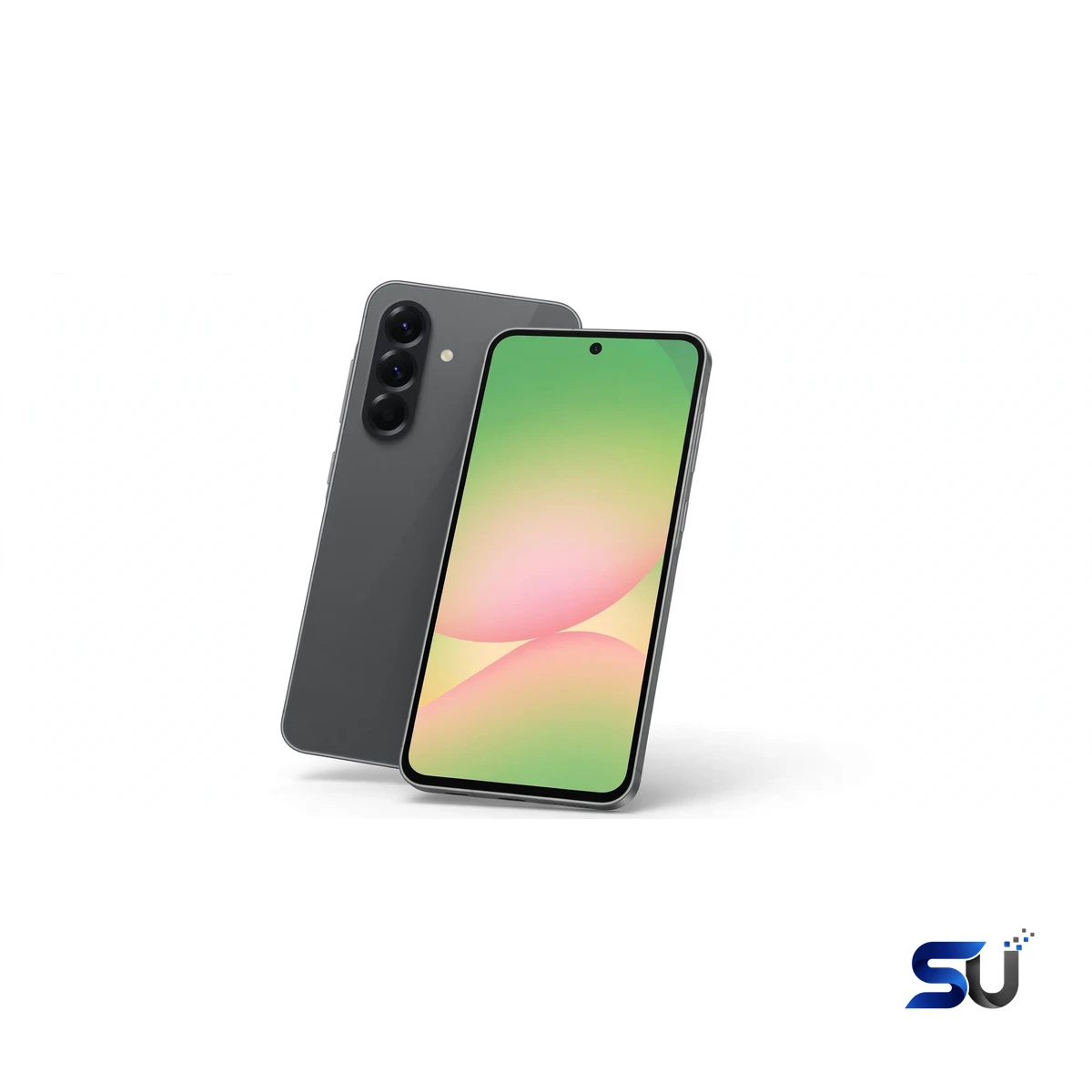
The Samsung Galaxy A26 8GB takes Samsung's well-balanced 2025 mid-ranger and gives it extra headroom. Everything that made the standard A26 appealing is here: a 6.7-inch 120Hz Super AMOLED display, the efficient Exynos 1380 chip, a 50MP camera with optical stabilization and a 5,000mAh battery. In addition, this version doubles the multitasking memory to 8GB of RAM. As a result, apps stay alive longer in the background, games load with fewer hiccups and the phone feels ready for several years of use. It ships with 128GB of storage, expandable via microSD.
The Samsung Galaxy A26 8GB takes Samsung's well-balanced 2025 mid-ranger and gives it extra headroom. Everything that made the standard A26 appealing is here: a 6.7-inch 120Hz Super AMOLED display, the efficient Exynos 1380 chip, a 50MP camera with optical stabilization and a 5,000mAh battery. In addition, this version doubles the multitasking memory to 8GB of RAM. As a result, apps stay alive longer in the background, games load with fewer hiccups and the phone feels ready for several years of use. It ships with 128GB of storage, expandable via microSD.
Buyers often wonder whether extra RAM is worth the step up. For heavy multitaskers, the answer is usually yes. More memory means less reloading when you jump between apps, smoother split-screen work and better longevity as apps grow heavier. Meanwhile, Samsung's promise of six major Android upgrades and six years of security patches makes the 8GB model a sensible long-term pick. This guide covers the phone from every angle in plain language.
RAM is the phone's short-term memory, and 8GB gives the A26 real breathing room. With this much memory, you can keep a dozen apps open without the system closing them in the background. Switching from maps to music to messages feels instant. For example, a navigation app keeps running while you take a call, then returns exactly where you left it. That smoothness is the main reason to choose this variant.
Future-proofing is the other half of the story. Apps and websites grow heavier every year, and 8GB keeps the phone comfortable for longer. Samsung's RAM Plus can add virtual memory on top, but physical RAM is faster and more reliable. Gamers also benefit, since large titles hold their assets in memory with fewer stutters. Overall, the 8GB model simply stays responsive under heavier loads than its 6GB sibling.
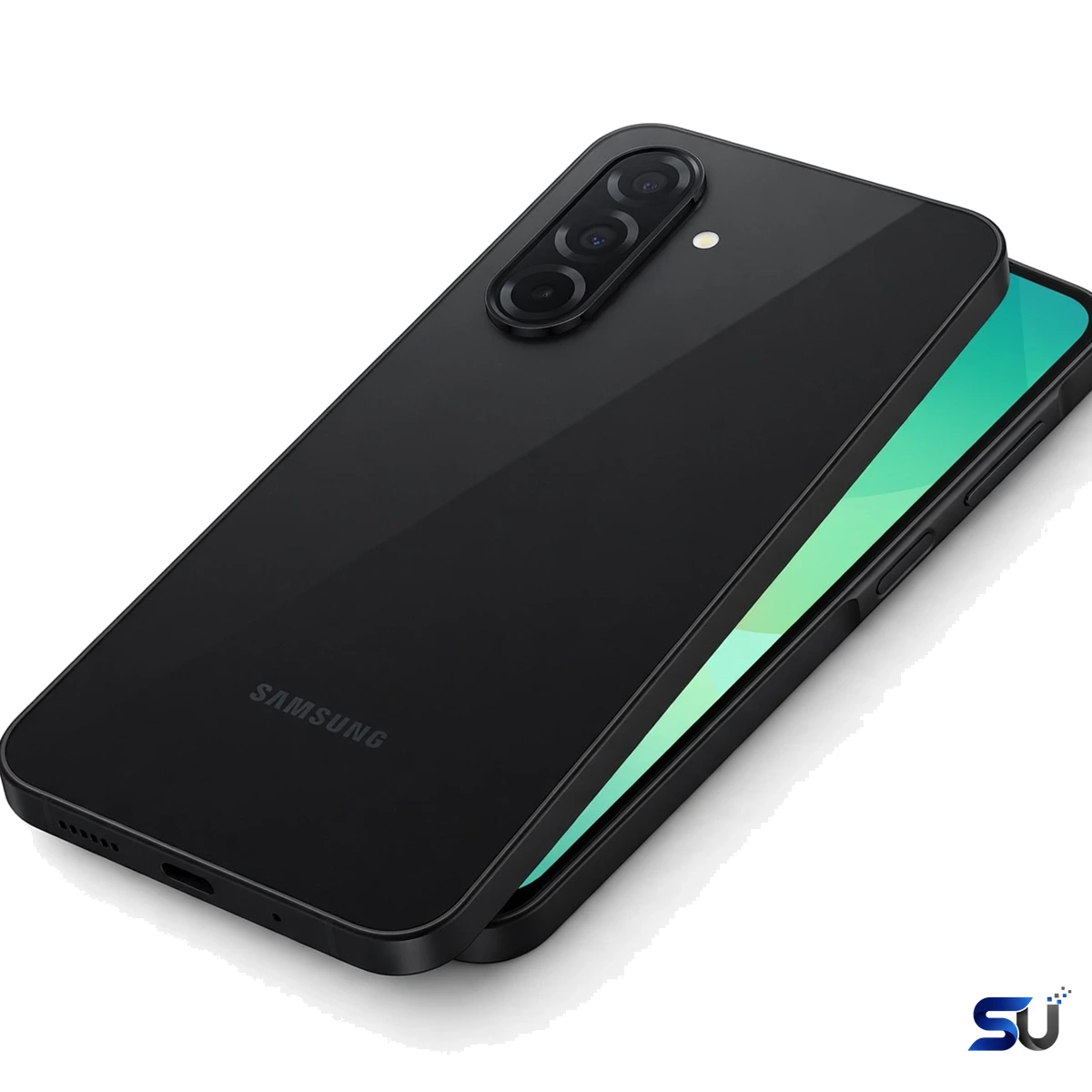
The A26 looks far more premium than its price suggests. Gorilla Glass Victus+ covers the front and back, while a matte plastic frame holds the sandwich together. At 164 x 77.5 x 7.7 mm and 200 grams, the phone is tall and slim. Flat edges give a confident grip. The glossy rear panel attracts fingerprints, however, so a case is worth considering.
Durability impresses for the segment. An IP67 rating protects against dust and immersion in a metre of water for 30 minutes. That is rare among affordable phones and genuinely useful. The side-mounted fingerprint reader sits in the power button and unlocks quickly. Stereo speakers deliver loud, clear audio for video and calls. Four finishes are offered: Black, White, Mint and Peach Pink.
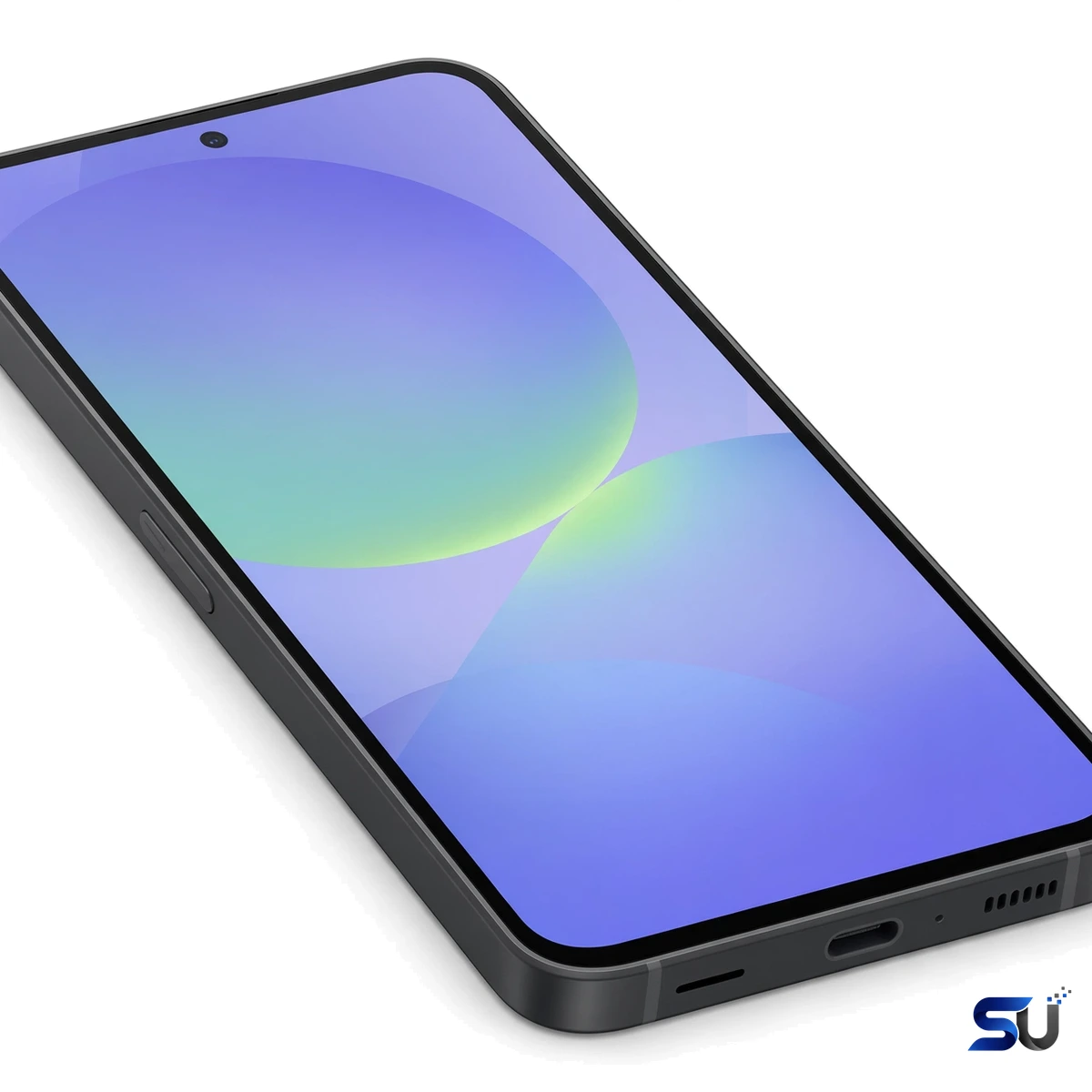
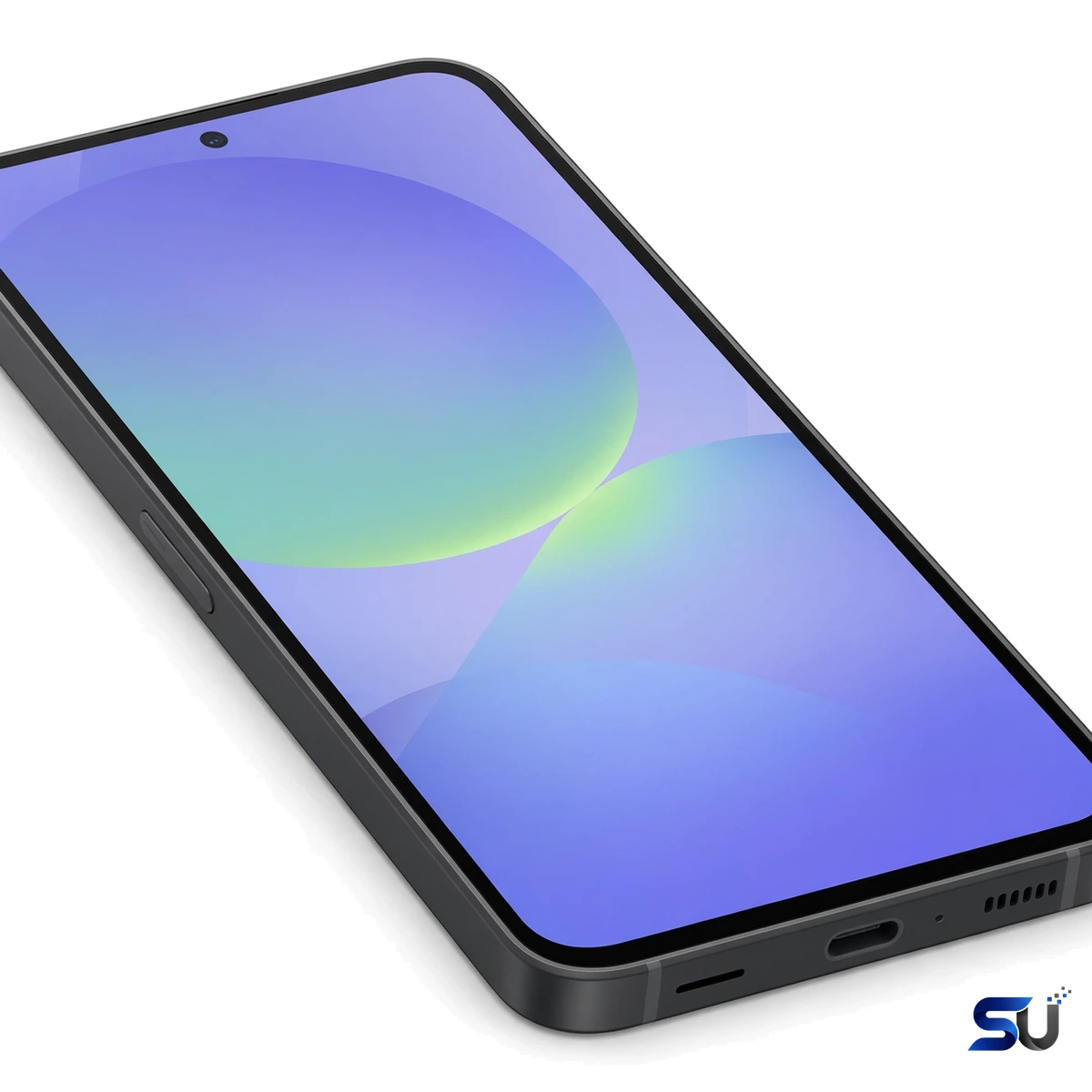
Screen quality is a highlight. The 6.7-inch Super AMOLED panel refreshes at 120Hz, so scrolling and animations look silky. Resolution is a sharp 1080 x 2340, giving roughly 385 pixels per inch. Text appears crisp, and photos look rich. The default Vivid mode punches up colours, while a Natural mode keeps things accurate.
Brightness reaches around 777 nits in independent tests, which keeps the screen readable outdoors in most light. Harsh midday sun can still cause some washout, however. An always-on display shows the time and notifications at a glance. Gorilla Glass Victus+ shrugs off keys and coins. For streaming and social video, the big bright panel is a genuine pleasure.
Samsung's 5nm Exynos 1380 drives the phone. Its octa-core layout pairs four Cortex-A78 cores at 2.4GHz with four efficient Cortex-A55 cores at 2.0GHz. The Mali-G68 MP5 handles graphics. Daily tasks feel snappy: apps launch fast, web pages render quickly and the interface never stutters. It is a mid-range chip, but a well-balanced one.
Test numbers back that up. The phone posts roughly 579,811 in AnTuTu 10 and about 2,768 in Geekbench 6. Popular games run smoothly at medium to high settings. The most demanding titles may ask for slightly lower graphics, but frame rates stay playable. Moreover, the chip runs cool, so long sessions never make the phone uncomfortable to hold. Efficiency is excellent, which helps battery life too.
This variant pairs 8GB of RAM with 128GB of built-in storage. That is plenty for apps, photos and offline playlists. Heavy users can add a microSDXC card for cheap expansion, since the slot accepts large capacities. Note that the card shares its slot with the second SIM in some regions, so dual-SIM users should plan accordingly.
Samsung also sells other A26 configurations in selected markets, including a 256GB version for media hoarders. Cloud backups and streaming reduce local storage needs further. For most buyers, however, 128GB plus an affordable memory card will last for years. The flexibility to expand later is a real advantage over phones with fixed storage.
The rear camera setup leads with a 50MP main sensor. It combines an f/1.8 aperture with phase-detection autofocus and optical image stabilization. OIS steadies handheld shots and sharpens low-light photos. An 8MP ultrawide captures 120-degree scenes, while a 2MP macro handles close-ups. Daylight images show strong detail and natural colours.
Night shooting is a pleasant surprise. The dedicated Night mode lifts shadows while keeping noise under control. Results look clean for this price band. Portrait mode blurs backgrounds convincingly, and the camera app stays simple to learn. Digital zoom stretches to 10x, which works for casual use but softens at full reach. In short, the main camera punches above its class.
The 13MP front camera takes sharp, flattering selfies. Its f/2.2 lens captures good detail, and skin tones look natural rather than over-processed. Portrait selfies blur backgrounds nicely. Video calls appear clear, which matters for work and family chats. A night mode helps after dark too.
Video tops out at 4K and 30 frames per second on the rear camera. Gyro-based electronic stabilization keeps walking footage smooth. Both cameras also record Full HD at 30fps. Colours stay consistent when switching lenses. Casual creators will appreciate how steady handheld clips look, especially with OIS and EIS working together.
The 5,000mAh cell delivers strong endurance. Independent tests measured about 10 hours and 44 minutes of active use with the 120Hz display on. In practice, that means a full day for heavy users and two days for lighter ones. Standby drain is minimal overnight. The efficient 5nm chip deserves much of the credit.
Charging runs at 25W through USB-C. A full charge takes just over an hour. Quick top-ups during a coffee break add meaningful hours. There is no wireless charging, so a cable remains necessary. Samsung's battery protection can limit charging to 80 or 85 percent, which slows long-term battery wear. That setting is worth enabling from day one.
Full 5G support covers GSM, HSPA, LTE and 5G networks. SIM layouts vary by market: some regions get Nano-SIM plus eSIM, others get dual Nano-SIM with the microSD card sharing the second slot. Therefore, check your local variant if you need two SIMs plus expandable storage.
Wireless features include dual-band Wi-Fi ac, Bluetooth 5.3 with low-energy audio and NFC for payments in supported regions. Location services use GPS, GLONASS, Galileo, BDS and QZSS for quick, accurate fixes. The USB-C 2.0 port supports OTG accessories. There is no 3.5mm jack, so wired headphones need a USB-C adapter or wireless buds.
The phone ships with Android 15 and Samsung's One UI 7. The interface is polished and full of thoughtful extras, from Secure Folder to Knox security. Multitasking tools suit the large display, and customization runs deep. Preinstalled apps are modest in number and mostly removable.
Update support is exceptional for the price. Samsung promises up to six major Android versions and six years of security patches. That keeps the phone safe and compatible far longer than most rivals. Banking apps, new features and security fixes keep arriving. For anyone planning to keep a phone for four or five years, this policy is a decisive advantage.
The 8GB model builds on an already strong foundation. Its advantages are straightforward and practical for everyday life.
Every phone involves compromises. The A26's are reasonable, but you should know them before committing.
The Samsung Galaxy A26 8GB suits people who push their phones hard. Multitaskers who juggle work apps, social media and navigation will feel the extra memory daily. Mobile gamers get smoother performance in demanding titles. Students benefit from the big screen, long battery and years of updates. It is also ideal for anyone upgrading from an older phone who wants the new device to last.
Casual users who mostly browse and message may find the 6GB model sufficient and cheaper. Power users chasing the fastest charging or a telephoto zoom should look at higher tiers. For everyone in between, however, the 8GB A26 hits a compelling balance of price, performance and polish.
A few checks ensure you get the right configuration. Regional differences are the main variable with Samsung's A series.
For multitaskers and gamers, yes. The extra 2GB of RAM keeps more apps alive in the background and improves longevity. Casual users may not notice a difference, but heavy users will. The price gap is usually modest, which makes the upgrade sensible.
It typically ships with 128GB, with a 256GB option in some regions. A microSDXC slot allows cheap expansion. The slot is shared with the second SIM in certain markets, so check your local version.
Yes, it supports 5G along with LTE, HSPA and GSM. Real-world speeds depend on your carrier and location. Check band compatibility with your network for the best results.
Yes. The Exynos 1380 plus 8GB of RAM handles popular games smoothly at medium to high settings. The 120Hz display keeps motion fluid. Thermals stay controlled during long sessions, so comfort never suffers.
Samsung promises up to six major Android upgrades and six years of security patches. That is among the best support windows in the mid-range class and a strong reason to buy.
No. Charging is wired at 25W over USB-C. The large 5,000mAh battery still delivers excellent endurance, so most users will charge once a day or less.
The Samsung Galaxy A26 8GB is the smarter pick for demanding users. It keeps the standard model's excellent display, dependable OIS camera, IP67 rating and long battery life, then adds the memory headroom that heavy multitasking needs. Six years of software support make it a phone you can keep with confidence.
Charging speed and secondary cameras remain modest, but those are fair trade-offs at this level. If you want a mid-range 5G phone that stays fast for years, the 8GB A26 deserves a place at the top of your shortlist.