Overview
Big screen without the Ultra price. The Samsung Galaxy S25 Plus 12GB stretches the S25 experience across a 6.7-inch display with the same Snapdragon 8 Elite for Galaxy and seven years of updates.
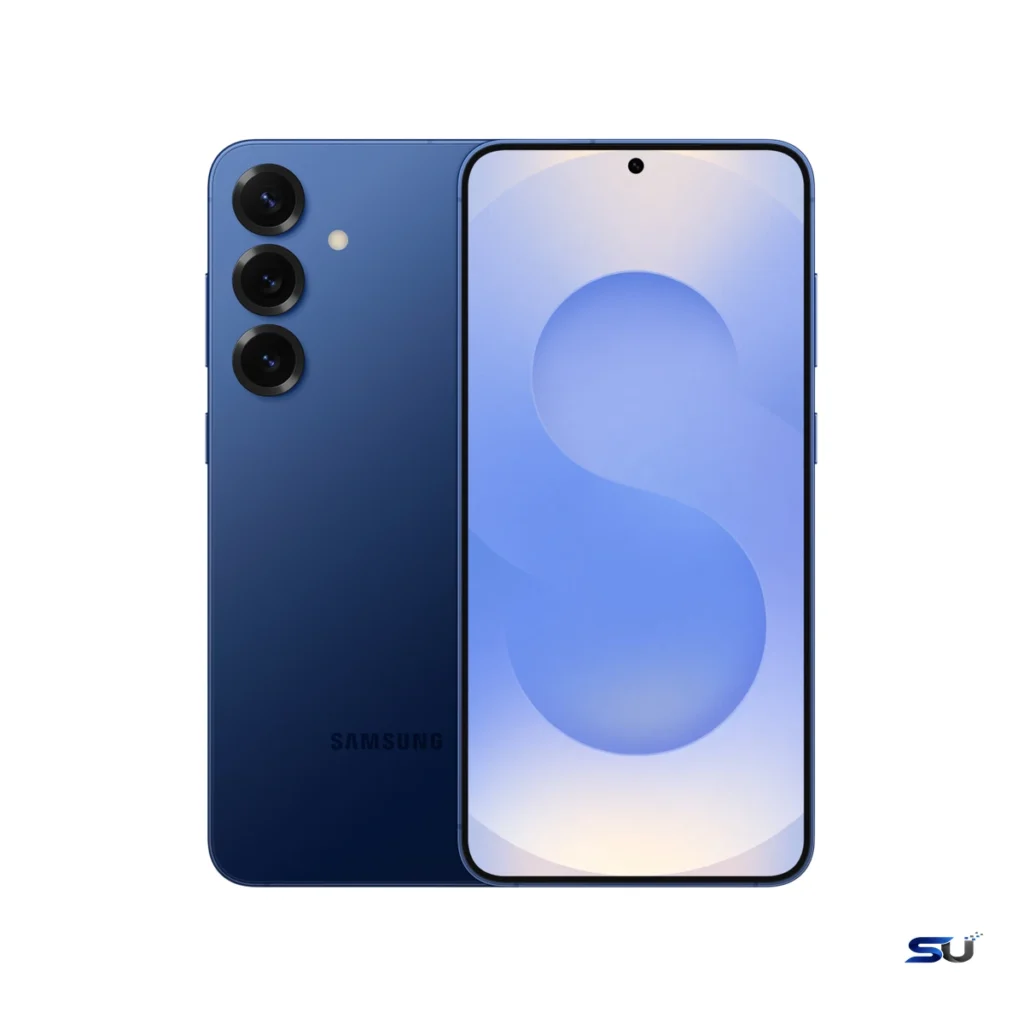
Samsung launched the Galaxy S25 Plus in the United States on February 7, 2025. It arrived alongside the standard Galaxy S25 and the Galaxy S25 Ultra. The US model number is SM-S936U. The base configuration pairs 12GB of RAM with 256GB of UFS 4.0 storage for $999.99. A 512GB option sits above it. Launch colors included Navy, Icyblue, Mint, and Silver Shadow. Additionally, Samsung.com offered exclusives in Blueblack, Coralred, and Pinkgold.
Think of the Plus as the straightforward pick of the lineup. You get the big 6.7-inch QHD+ screen, faster 45W charging, and a larger 4,900mAh battery. These are the three things the regular S25 gives up. At the same time, you avoid the Ultra's higher price and extra bulk. As a result, nothing here feels like a compromise in the ways that matter day to day.
Design and Build Quality
A bigger flagship that stays slim
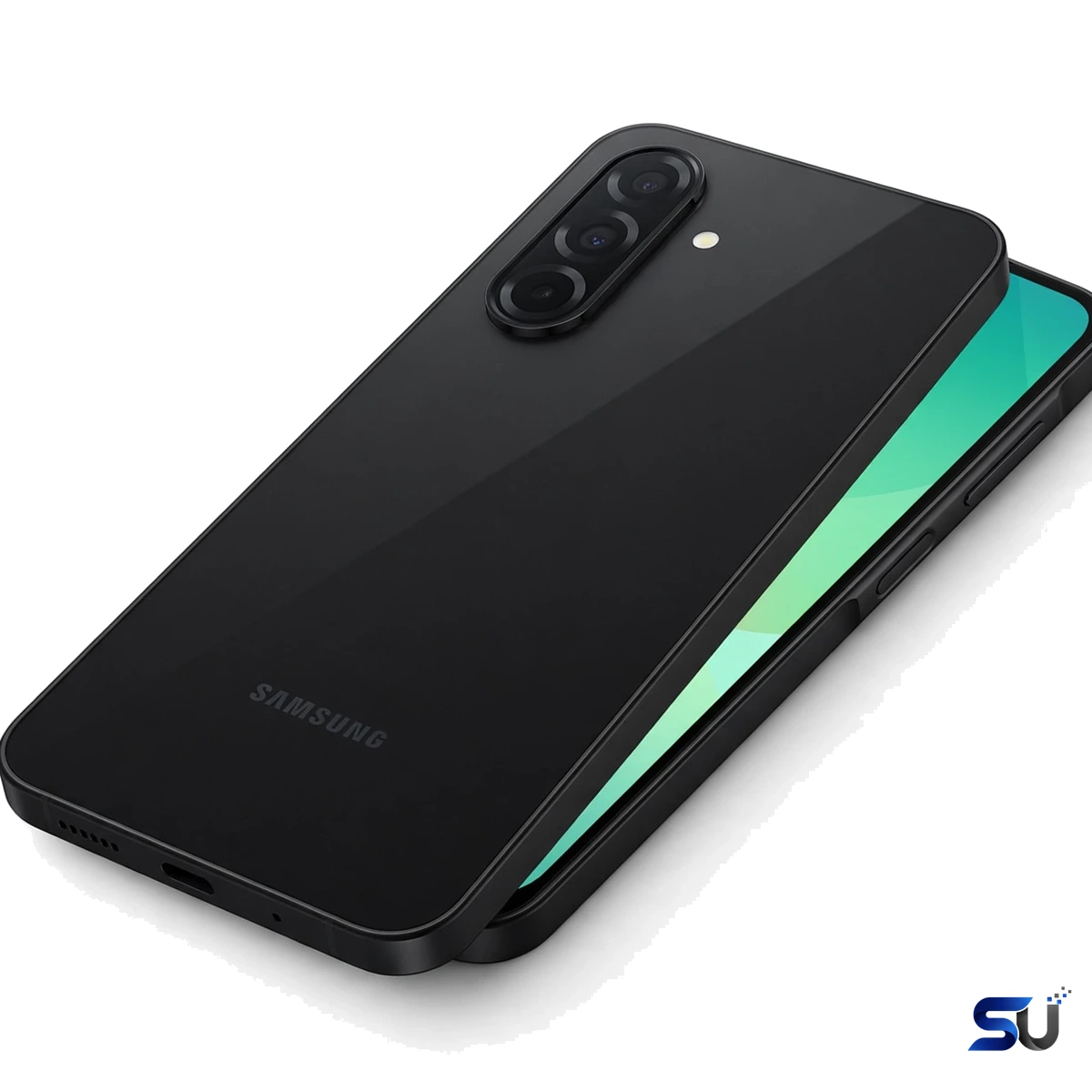
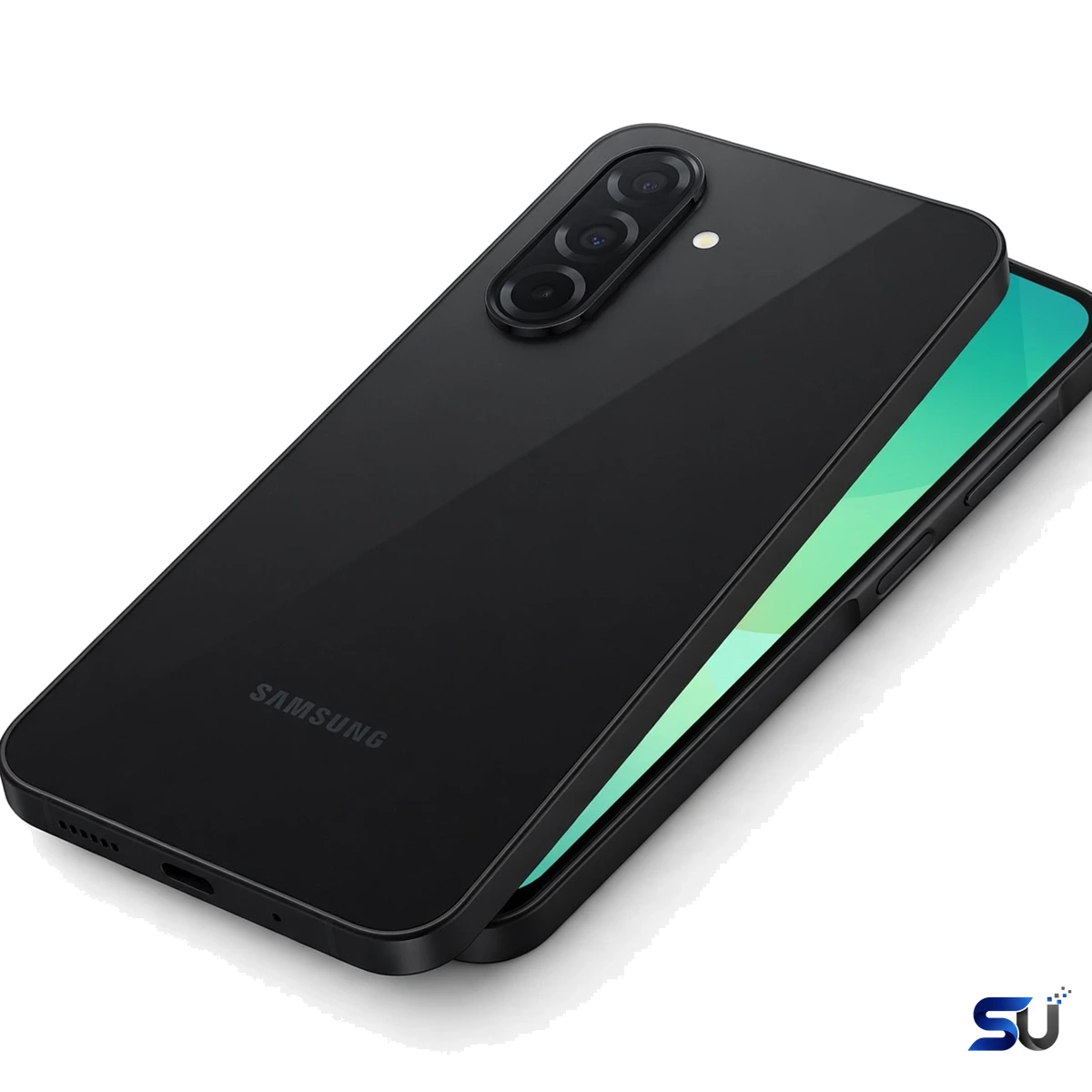
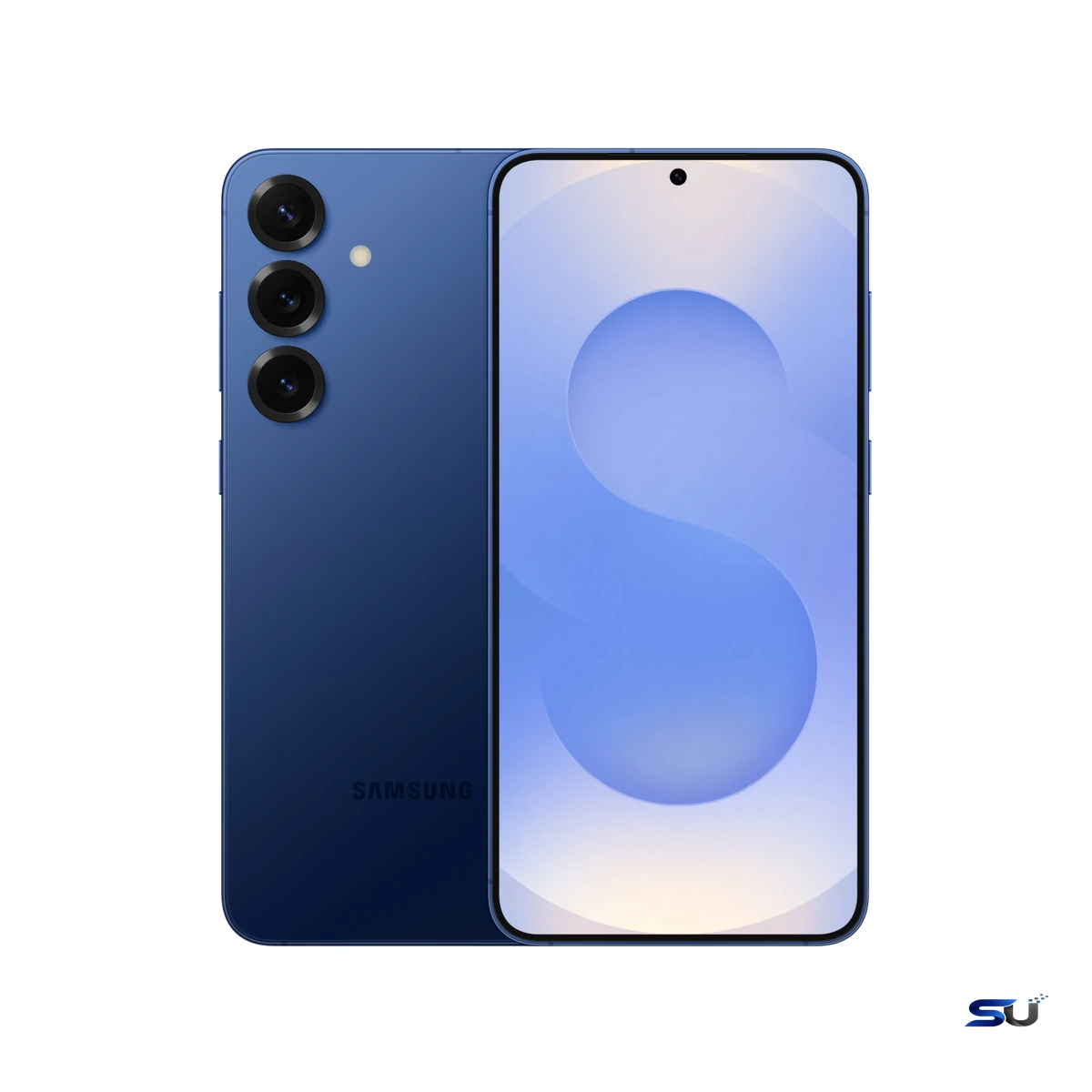
At 158.4 x 75.8 x 7.3 mm and 190 grams, the Plus is clearly larger than the standard S25. Still, it stays thin and comfortable to carry. Samsung refined the design this generation with flat sides and a flat display. Furthermore, the camera rings sit directly on the back glass rather than inside a raised island. Consequently, the phone slides into a pocket without a fight and sits flat on a desk.
The size is the whole point, of course. A 6.7-inch display changes how you use a phone. Video feels cinematic, split-screen multitasking actually works, and text is easy to read without zooming. However, one-handed reach is the trade-off. You'll shuffle the phone in your palm to reach the top corners. For that reason, Samsung's one-handed mode goes from gimmick to genuine daily tool.
Materials and durability
The Samsung Galaxy S25 Plus 12GB skips the Ultra's titanium frame. Even so, its Armor Aluminum frame feels every bit as solid. Both the front and back use Corning Gorilla Glass Victus 2. It's IP68 rated, which means 30 minutes in up to 1.5 meters of fresh water plus full dust protection. That's the same durability story as the rest of the S25 family. Moreover, it's exactly what a $999.99 phone should offer.
An ultrasonic in-display fingerprint sensor handles unlocking. It's quick and works with dry or slightly damp fingers. It also sits where your thumb naturally lands. There's no microSD slot, however, so the 256GB vs 512GB choice at checkout deserves a moment of thought. After all, you can't add storage later.
Display
QHD+ sharpness makes a comeback
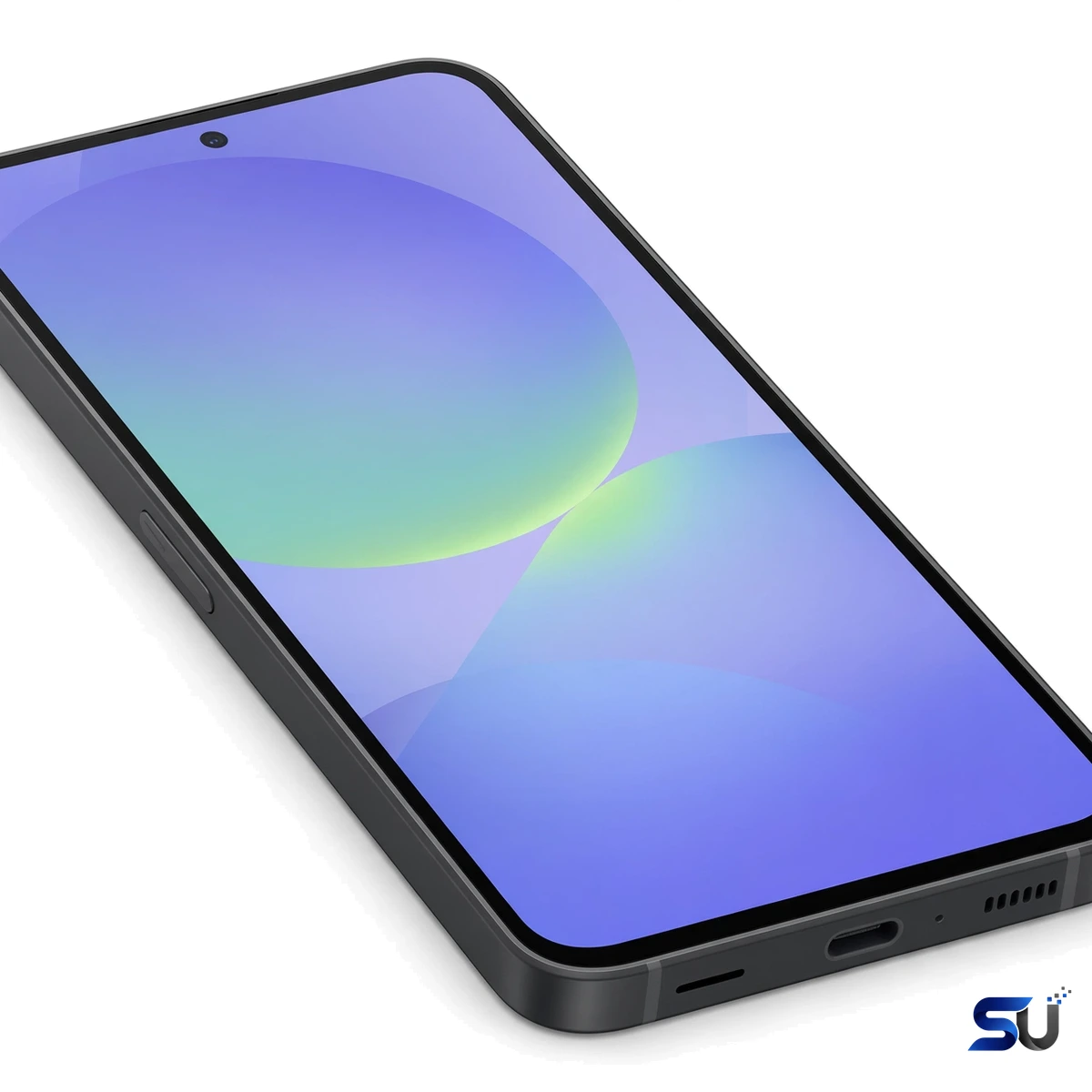
This is where the Plus earns its name. The 6.7-inch Dynamic AMOLED 2X panel runs at 3120 x 1440 — full QHD+. In contrast, the regular S25 settles for FHD+. At normal viewing distances the difference is subtle. Nevertheless, text looks crisper and high-resolution photos show finer detail. It's an LTPO panel, so the refresh rate scales from 1Hz to 120Hz depending on what's on screen. Therefore, it saves battery when you're looking at something static.
Peak brightness reaches 2,600 nits, matching the rest of the S25 lineup. In practice, the Samsung Galaxy S25 Plus 12GB display stays readable in harsh sunlight. Maps, the camera viewfinder, and messages on a bright sidewalk all stay legible. Similarly, HDR10+ support means compatible video looks the way it was graded. Bright highlights pop without washing out the shadows.
Color, smoothness and eye comfort
Color tuning out of the box leans vivid, as Samsung displays always have. For those who prefer restraint, a Natural mode is nevertheless available. Viewing angles are excellent, with no color shift or dimming when the phone lies flat on a table. The 120Hz refresh makes scrolling and animations feel fluid. Meanwhile, the LTPO backplane means you're not paying a big battery penalty for it.
One thing worth knowing: the Plus uses Gorilla Glass Victus 2 rather than the Ultra's anti-reflective glass. Consequently, reflections are slightly more visible under bright office lights. It's a minor difference, and most people will never think about it twice.
Samsung Galaxy S25 Plus 12GB Performance
Everyday speed
The Snapdragon 8 Elite for Galaxy is a 3nm chip built around Qualcomm's custom Oryon CPU. It has two prime cores at 4.47GHz and six performance cores at 3.53GHz. The Adreno 830 GPU handles graphics. The "for Galaxy" suffix means it's clocked higher than the standard 8 Elite in rival phones. With 12GB of RAM alongside it, this is simply more performance than Android currently knows what to do with.
Apps open without hesitation. Jumping between a dozen apps doesn't force reloads. The 120Hz interface stays smooth throughout. In addition, UFS 4.0 storage keeps installs and file transfers quick. Whether any phone still feels fast in 2030 is an open question. Even so, the headroom here is undeniable.
Gaming and heat
Demanding games run at high settings without complaint. The Adreno 830 was built for exactly this. Samsung's cooling keeps the frame from getting uncomfortably warm during long sessions. Like every glass phone, though, it will feel warm under sustained load. If mobile gaming is your thing, the big screen and stereo speakers make a genuine difference.
One honest note: no phone holds peak clock speeds forever. Sustained performance always depends on thermals. For the short bursts that make up real phone use, however, this chip is about as fast as it gets.
Camera
The 50MP main camera
The main camera uses a 50MP sensor with an f/1.8 lens and optical image stabilization. In good light it takes sharp, detailed photos with Samsung's characteristically punchy colors. Pixel-binning produces 12MP shots by default that look clean and balanced. The full 50MP mode is there when you want to crop hard or print big.
Dynamic range is strong. For example, bright skies and dark shadows share the same frame without one ruining the other. Shutter lag is minimal, so it's easy to catch moving subjects like kids and pets before the moment passes.
Zoom and ultrawide
The 10MP telephoto gives you 3x optical zoom with OIS. That's the sweet spot for portraits and everyday reach. Past 3x, digital zoom stretches to 30x Space Zoom. It's good enough to read a distant sign, though not for gallery prints. The 12MP ultrawide (f/2.2) covers landscapes and tight interiors with little distortion at the edges.
This is the clearest camera gap to the Ultra. There's no 200MP main sensor, no 5x periscope, and no 100x zoom. For most people, most of the time, the Samsung Galaxy S25 Plus 12GB camera is more than enough. Dedicated zoom shooters, however, will feel the difference.
Video and night shooting
Video tops out at 8K and 30fps. Still, 4K at up to 60fps is the more sensible choice, with smoother motion and smaller files. 10-bit HDR video captures finer color gradation. Slow motion at 1080p and 240fps is genuinely fun to play with. Moreover, stabilization is excellent, with OIS and electronic stabilization working together to smooth handheld footage.
At night, Nightography mode kicks in automatically. It brightens dark scenes while keeping noise in check. The main camera's wide aperture and OIS do the heavy lifting. As a result, the results are consistently usable rather than the smeary mess night modes used to produce.
The 12MP front camera has autofocus — rarer than it should be. Therefore, selfies stay sharp at any distance, and video calls look crisp.
Battery and Charging
The 4,900mAh battery is 900mAh larger than the standard S25's, and you feel that gap. It has a big, bright, high-refresh screen to feed. Even so, the extra capacity plus the efficient 3nm chip and LTPO panel do the heavy lifting. The result is a full day of heavy use without anxiety. Lighter users will stretch it to two days.
Charging is where the Plus pulls away from the regular S25. You get 45W wired Super Fast Charging 2.0 instead of 25W. Samsung rates a 30-minute charge at around 65% with a 45W adapter. Note that the adapter is sold separately, since there's no charger in the box. Wireless charging runs at 15W. Additionally, the phone is Qi2 Ready, so full magnetic Qi2 charging works with a magnetic case. Finally, Wireless PowerShare can top up earbuds or a watch from the phone's battery in a pinch.
Battery protection features like the 80% charge limit help the battery age gracefully. That pairs well with a phone you're meant to keep for seven years.
Software and Galaxy AI
One UI 7 on Android 15
The Plus ships with Android 15 and Samsung's One UI 7. The update promise is the longest in the Android world. You get seven generations of OS upgrades and seven years of security patches. That stretches into the early 2030s. Consequently, it changes the math on a $999.99 phone. The per-year cost drops fast if you actually hold onto it.
One UI 7 is a genuine refresh rather than a fresh coat of paint. Notifications are cleaner, the quick settings panel is redesigned, and animations are smoother. Customization runs deeper too. In short, Samsung's software used to be something you tolerated. Now it's a reason to buy.
Galaxy AI features
Galaxy AI runs through the whole experience on the Samsung Galaxy S25 Plus 12GB. Circle to Search answers "what's that" moments. Live Translate works during calls. Generative Edit cleans up photos, and Now Brief delivers a morning summary of your day. Some features run on-device, while others need a connection and a Samsung account. They're practical tools rather than demo tricks. Still, how much you get from them depends on how deeply you lean in.
Samsung DeX turns the phone into a desktop-style workspace on an external display. That's handy for travel or hot-desking. It's the kind of feature you forget until the day you need it. Then you're glad it's there.
Connectivity and Everyday Extras
On the connectivity front, the Samsung Galaxy S25 Plus 12GB covers the essentials and then some. US models get sub-6GHz and mmWave 5G with LTE fallback. Exact bands vary by carrier, however. Wi-Fi 7 (tri-band) handles fast local networking. There's also Bluetooth 5.4, NFC for contactless payments, and UWB for precise tag finding and digital car key support. In addition, positioning spans GPS, GLONASS, BeiDou, Galileo, and QZSS.
The US model pairs a nano-SIM with eSIM. The lone USB-C port runs at USB 3.2 speeds, which is quick enough for DeX and fast file transfers. Stereo speakers get loud without distorting. Haptics feel crisp, and call quality is excellent.
What's missing is the usual flagship shortlist. There's no headphone jack, no microSD slot, no charger in the box, and no FM radio. Still, none of that will surprise anyone shopping at this level in 2025.
Living with the Samsung Galaxy S25 Plus 12GB
Day to day, the Plus is the S25 that fits the most lifestyles. The screen is big enough to enjoy without the phone becoming a handful like the Ultra. Battery life is reassuring and charging is quick. The software stays supported into the next decade. The camera handles everything from brunch to birthdays without any fuss.
The real decision is Plus versus the regular S25. Is the bigger, sharper screen worth $200 more? What about the larger battery and faster charging? If you watch a lot of video, play games, or simply like big phones, the answer is yes. On the other hand, if compactness matters more, the regular S25 is the same phone in a smaller body.
Where it shines
- 6.7-inch QHD+ 120Hz LTPO AMOLED display
- Snapdragon 8 Elite for Galaxy with 12GB of RAM
- 45W wired charging with a 4,900mAh battery
- Seven years of OS and security updates
- Versatile 50MP triple camera with 3x optical zoom
- IP68 rating, Wi-Fi 7, UWB, and Samsung DeX
Where it compromises
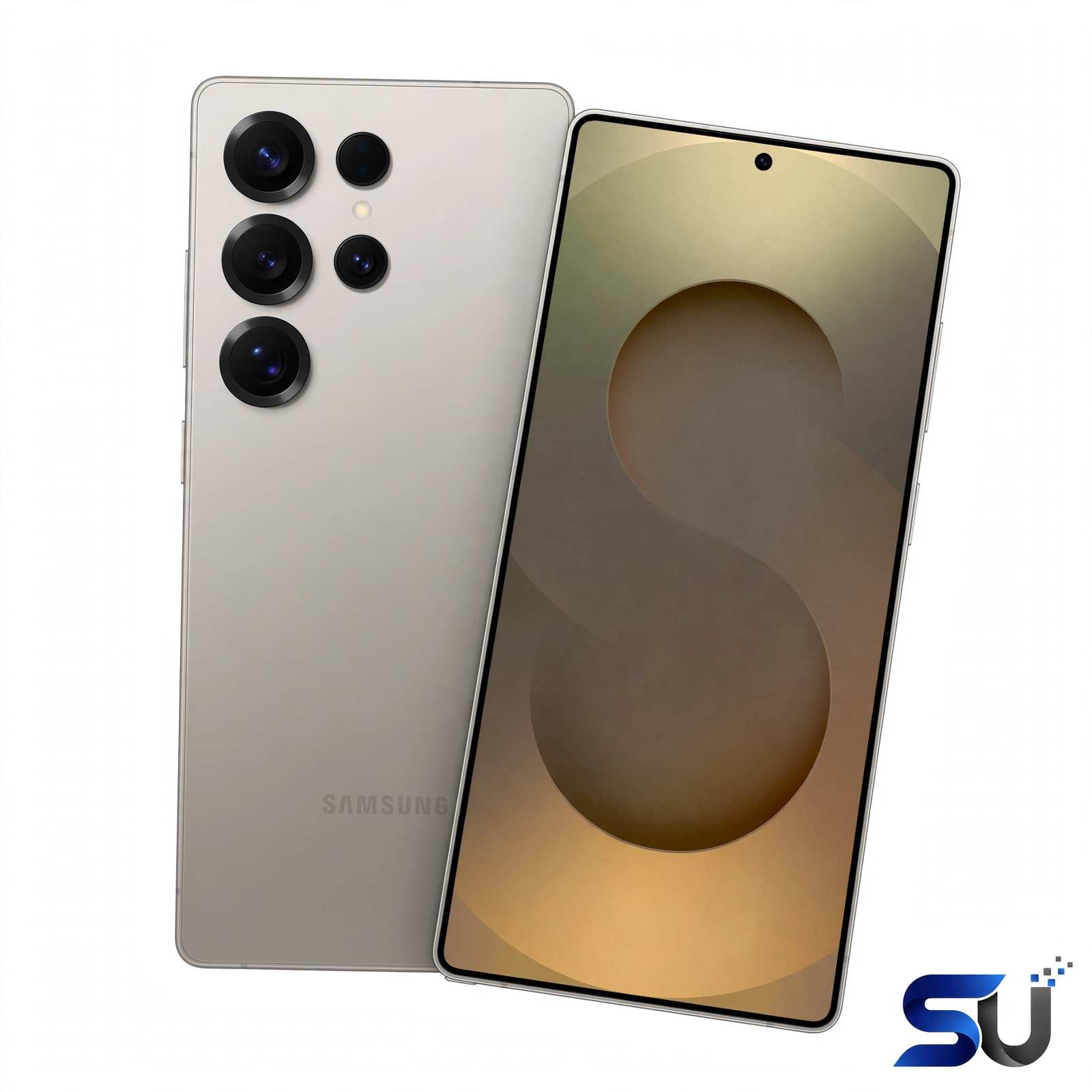
- No S Pen, 200MP camera, or 5x zoom like the Ultra
- Size makes true one-handed use a stretch
- No microSD expansion; no charger in the box
- 30x maximum zoom trails the Ultra's 100x
Frequently Asked Questions
Does the Samsung Galaxy S25 Plus 12GB support the S Pen?
No. The S Pen is exclusive to the Galaxy S25 Ultra. The Plus has no silo for it and doesn't support stylus input. If a stylus matters to you, the Ultra is the only S25 with one.
How many years of updates does it get?
Seven generations of Android OS upgrades and seven years of security updates from its February 2025 launch. As a result, coverage stretches into the early 2030s. It's the longest support window Samsung has offered on a Galaxy S phone.
Does it have a microSD card slot?
No. The Plus relies on internal storage only — 256GB or 512GB of fast UFS 4.0. If you shoot lots of 8K video or keep large offline libraries, the 512GB model is worth the step up.
How fast does it charge?
Up to 45W wired via Super Fast Charging 2.0. Samsung rates around 65% in 30 minutes with a 45W adapter, sold separately. Wireless charging runs at 15W. Additionally, the phone is Qi2 Ready with a magnetic case, and Wireless PowerShare can reverse-charge accessories.
Is the Galaxy S25 Plus waterproof?
It's IP68 rated: dust-tight and able to handle 30 minutes in up to 1.5 meters of fresh water. That covers rain, spills, and accidental pool drops. It doesn't cover salt water or high-pressure jets, however, and water damage isn't covered under warranty.
What's the difference between the S25 Plus and the S25 Ultra?
The Ultra adds a 6.9-inch screen, titanium frame, 200MP main camera, and 5x periscope zoom with 100x Space Zoom. It also includes an S Pen and a 5,000mAh battery, for $300 more. The Plus keeps the same chip, the same update promise, and the same core experience in a lighter, simpler package. Consequently, most buyers won't miss what the Ultra adds.