
Super Retina XDR OLED
12 GB
256 GB
48MP Main + 48MP Ultra Wide + 48MP Telephoto
Apple A20 Pro
5,088
6.9 in (6.86 in rectangular measurement)
Super Retina XDR OLED
2868 x 1320 pixels, 460 ppi
Adaptive up to 120 Hz
1000 nits typical; 1600 nits HDR; 3000 nits outdoor peak
Yes
Ceramic Shield 2
48MP Main + 48MP Ultra Wide + 48MP Telephoto
18MP Center Stage, f/1.9, autofocus
4x optical; 8x optical-quality; up to 40x digital
Up to 4K Dolby Vision at 120 fps; ProRes and ProRes RAW
Yes
Sensor-shift OIS on Main and Telephoto
Apple A20 Pro
6-core CPU (2 performance, 4 efficiency)
7-core GPU with Neural Accelerators
12 GB
256 GB
Yet to confirm
No
163.4 x 78.0 x 8.75 mm
249 g
Aluminum unibody; Ceramic Shield 2 front; Ceramic Shield back
IP68 (up to 6 m for 30 minutes under IEC 60529)
Black, Silver, Glacier, Burgundy
5,088
Up to 50% in around 15 minutes with 60W-capable AVS adapter
Up to 30 hours typical use; up to 45 hours video playback
5G sub-6 GHz and mmWave; Gigabit LTE
Dual eSIM; no physical SIM tray in US model
Bluetooth 6
Wi-Fi 7 (802.11be) with 2x2 MIMO
Precision dual-frequency GPS with GLONASS, Galileo, QZSS, BeiDou and NavIC
Yes, with reader mode
USB-C (USB 3 up to 10Gb/s; DisplayPort)
US eSIM carriers; international band and eSIM support varies
iOS 27
iOS
No fixed public update term stated by Apple
Yet To confirm
Yet To confirm
Yet To confirm
Yet To confirm
Yet To confirm
Yet To confirm
Yet To confirm
Yet To confirm
249 g
8.75 mm
Aluminum unibody; Ceramic Shield 2 front and Ceramic Shield back
No; Face ID
Yet To confirm
Yet To confirm
Yet To confirm
Yet To confirm
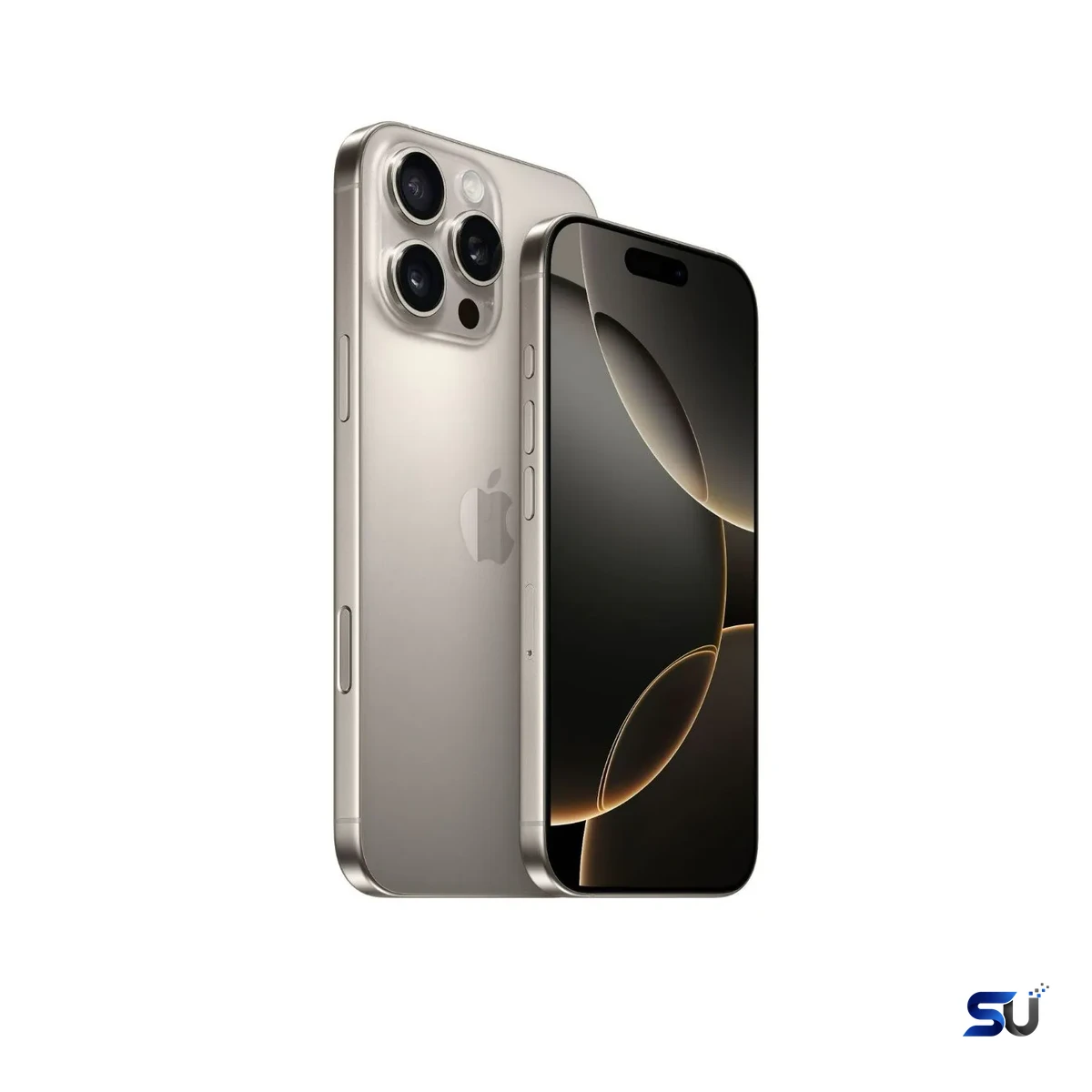
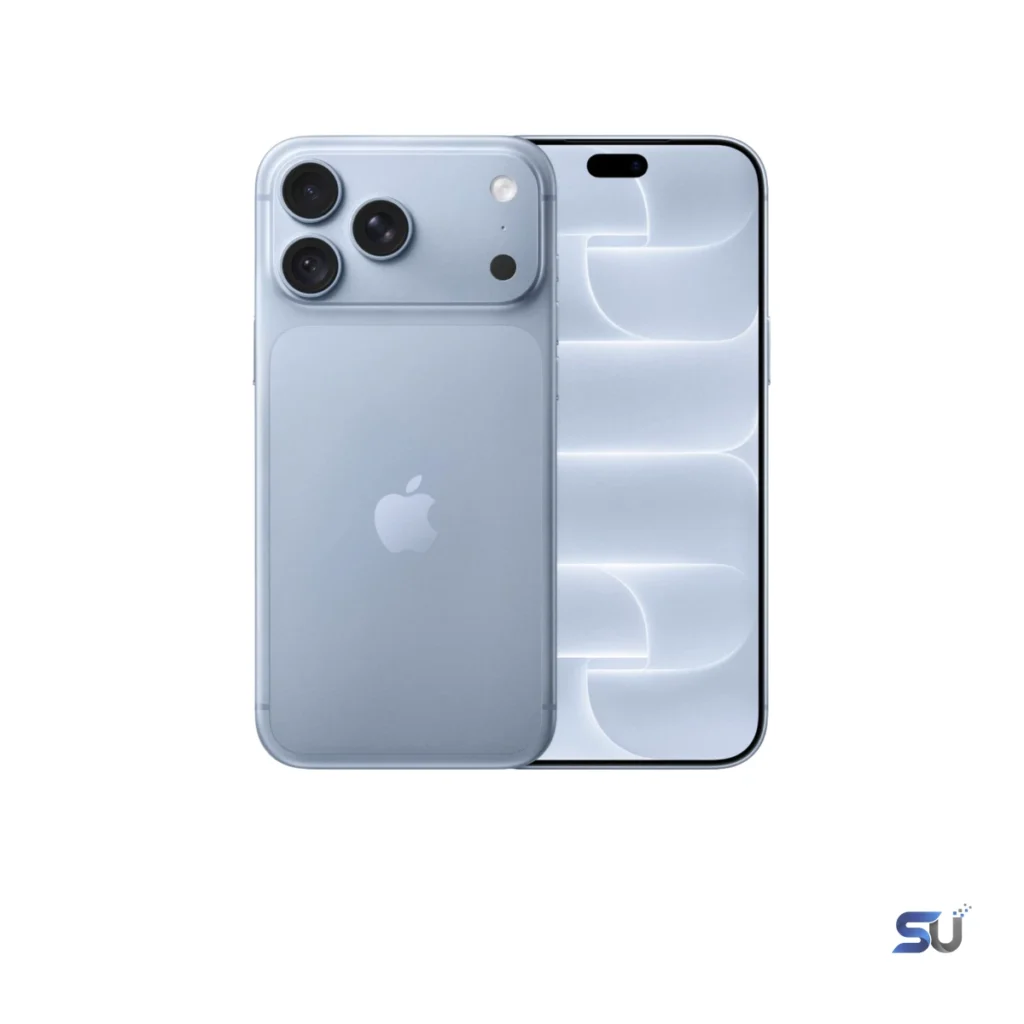
The Apple iPhone 18 Pro Max 12GB 256GB is the base-storage version of Apple’s largest conventional flagship phone for 2026. It combines a 6.9-inch ProMotion OLED display, the A20 Pro chip, three 48MP rear cameras, and 256GB of internal storage. This configuration keeps the complete Pro Max hardware while avoiding the higher cost of the 512GB, 1TB, and 2TB options.
The Apple iPhone 18 Pro Max 12GB 256GB is the base-storage version of Apple’s largest conventional flagship phone for 2026. It combines a 6.9-inch ProMotion OLED display, the A20 Pro chip, three 48MP rear cameras, and 256GB of internal storage. This configuration keeps the complete Pro Max hardware while avoiding the higher cost of the 512GB, 1TB, and 2TB options.
The 12GB memory figure comes from exact-model benchmark reporting because Apple does not publish RAM capacity on its consumer specification page. Apple does confirm the storage tier, display, processor, camera system, dimensions, charging claims, and software. The record therefore separates manufacturer specifications from third-party technical evidence instead of treating every reported number as equally official.
This model sits above the iPhone 18 Pro in screen size, physical dimensions, weight, and battery-life claims. The core A20 Pro platform and rear camera arrangement are shared across the two Pro models. As a result, the Pro Max is mainly for people who want a larger viewfinder, more room for video and games, and Apple’s longest stated battery life within the conventional iPhone 18 Pro family.
The 256GB tier gives apps, photos, downloaded media, and ordinary 4K video more room than an entry-level 128GB phone. However, ProRes recording and a large photo library can consume that space quickly. The phone has no memory-card slot. Buyers expecting to keep years of original video on the device should compare the larger storage tiers before ordering.
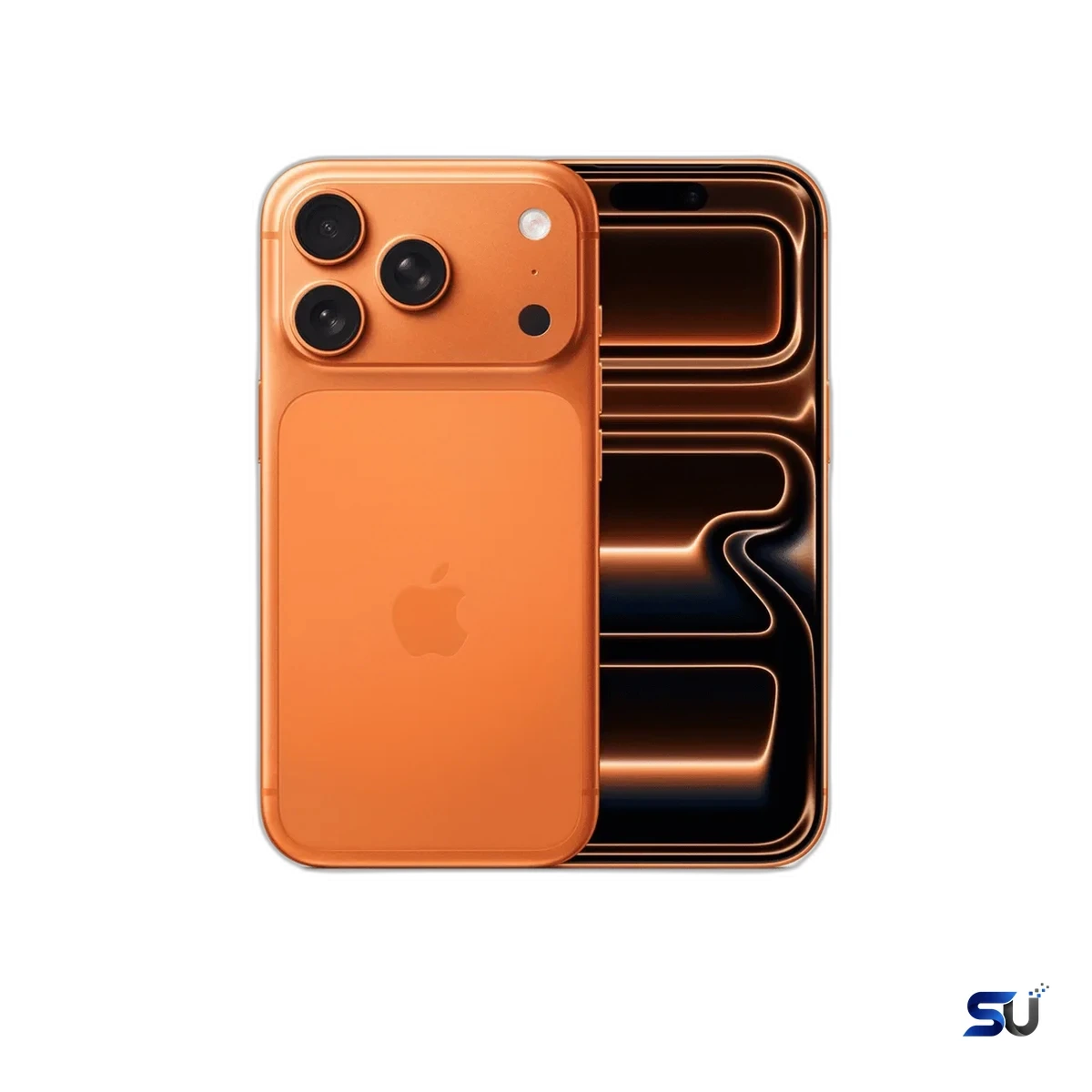
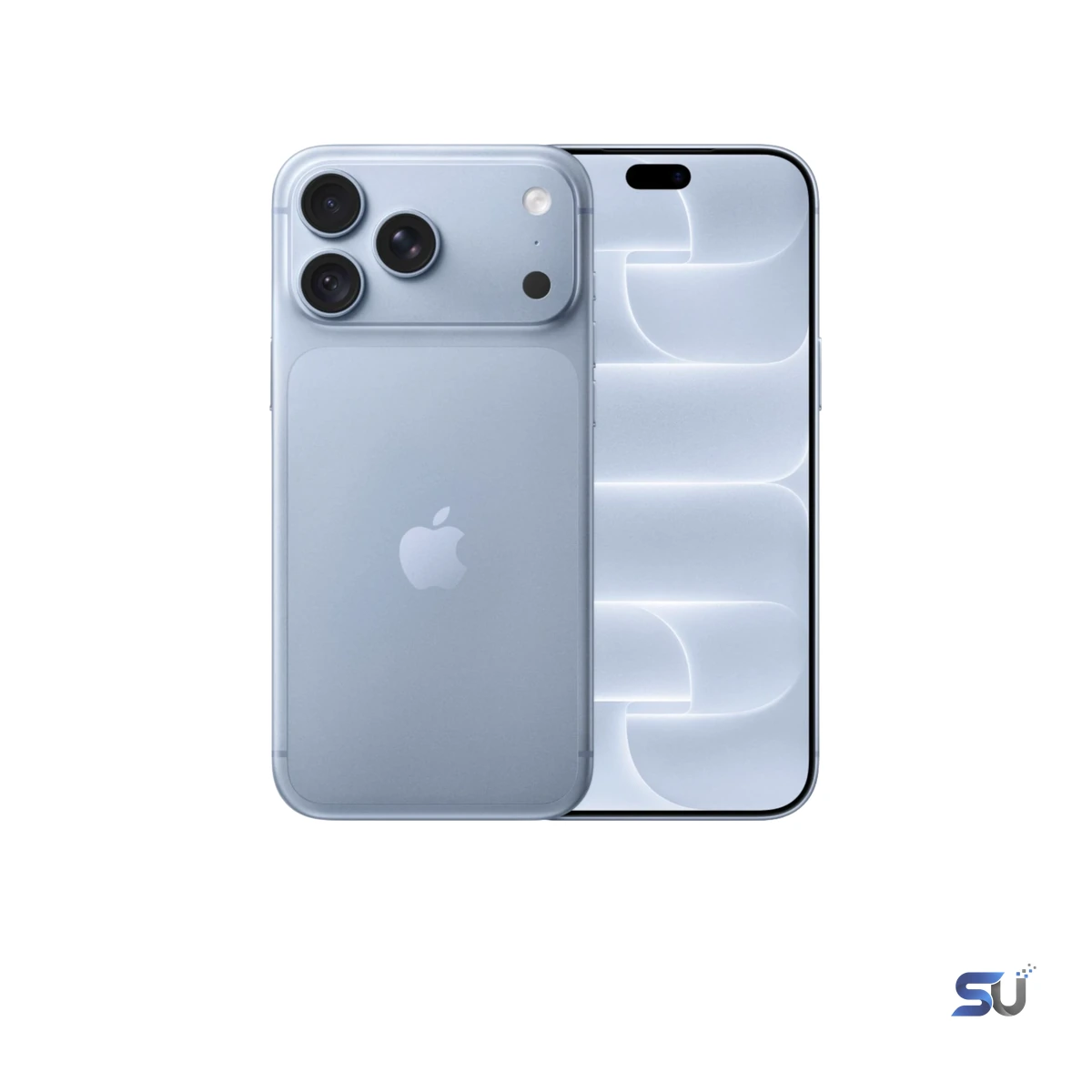
Apple offers Black, Silver, Glacier, and Burgundy finishes. Every color uses the same aluminum unibody design, Ceramic Shield 2 front, and Ceramic Shield back. Case choice matters because the camera area is large and the phone is heavier than the smaller Pro.
Apple lists a 6.9-inch Super Retina XDR OLED display with a 2868 x 1320 resolution at 460 pixels per inch. The rectangular measurement is 6.86 inches, while the rounded corners reduce the actual visible area slightly. Recording both figures prevents the marketed size and technical measurement from being confused.
ProMotion adjusts the refresh rate up to 120Hz. Fast scrolling, interface animation, and supported games can therefore look smoother than on a fixed 60Hz panel. The display can also reduce its refresh rate when movement is limited, which helps balance smoothness and energy use. An always-on mode keeps selected information visible without fully waking the phone.
Apple rates the panel at 1,000 nits maximum typical brightness, 1,600 nits for HDR peaks, and 3,000 nits outdoors. These are manufacturer limits measured under defined conditions, not independent Specs Universe results. The higher outdoor ceiling helps with maps, messages, and the camera viewfinder in strong light, while the one-nit minimum can reduce glare in dark rooms.
HDR, True Tone, wide P3 color, Haptic Touch, and an anti-reflective coating complete the display specification. The large canvas naturally suits video editing, photo review, reading, and split attention between controls and content. By contrast, one-handed reach becomes more difficult, and the phone occupies more pocket space than the 6.3-inch iPhone 18 Pro.
Ceramic Shield 2 covers the front, while Apple also lists Ceramic Shield on the back. Protection reduces risk but does not make glass immune to cracks or scratches. A raised-edge case and careful placement remain sensible for a 249g phone. Screen protectors should match the iPhone 18 Pro Max dimensions rather than a neighboring generation.
The A20 Pro contains a six-core CPU with two performance-focused cores and four efficiency cores. Its seven-core GPU includes Neural Accelerators and hardware-accelerated ray tracing. Apple also lists a dual 16-core Neural Engine. This platform supports demanding camera processing, console-style graphics features, local intelligence tasks, and the normal speed expected from a current Pro iPhone.
Exact-model benchmark reporting identifies 12GB of RAM. Since Apple does not state this figure publicly, it should be understood as independently observed hardware information. The added memory gives iOS more working space for large apps, games, camera processing, and Apple Intelligence. It does not turn the phone into a desktop computer, and iOS still controls background activity.
The 256GB storage tier is fixed and cannot be expanded. Apple does not advertise the internal storage technology by a consumer-facing name on the official page, so this record avoids assigning an unsupported standard. Transfer speed also depends on file size, temperature, cable capability, and the connected computer.
Apple supports USB 3 data transfer through the USB-C connector at up to 10Gb/s with compatible equipment. The included or chosen cable must support the required speed; many charging cables operate at slower data rates. DisplayPort support also allows compatible external-display connections, although individual apps decide how they use the second screen.
The phone uses a revised thermal design intended to manage the A20 Pro during games, video work, and extended camera use. Apple does not publish a universal sustained-performance figure because room temperature, case choice, workload, and software all affect heat. Exact long-duration testing should therefore remain separate from the processor’s peak capability.
The rear system combines a 48MP Fusion Main camera, a 48MP Fusion Ultra Wide camera, and a 48MP Fusion Telephoto camera. Each lens serves a different framing role. The main camera handles general photography, the ultra-wide expands the scene, and the telephoto provides a narrower angle for distant subjects and portraits.
The main camera uses a 24mm equivalent view and variable aperture settings of f/1.48, f/1.8, f/2.8, and f/4.0. A wider aperture can admit more light and create shallower depth, while narrower settings can keep more of a scene in focus. Apple also allows manual aperture control alongside shutter speed, white balance, and a histogram through its Pro tools.
Second-generation sensor-shift optical stabilization supports the main camera. The same sensor can produce 24MP or 48MP images and provides a 12MP optical-quality 2x view. That 2x option crops the main sensor rather than adding a fourth rear camera.
The ultra-wide camera uses a 13mm equivalent lens with an f/2.2 aperture and 120-degree field of view. It supports autofocus, high-resolution capture, and 48MP macro photography. This makes it useful for broad interiors, landscapes, groups, and close subjects, although perspective becomes more stretched near the edges.
The 48MP telephoto uses a 100mm equivalent view, an f/2.8 aperture, autofocus, and three-dimensional sensor-shift stabilization. Apple describes this as 4x optical zoom relative to the main camera. It also provides a 12MP optical-quality 8x option at a 200mm equivalent view through the telephoto sensor.
The complete camera specification reaches a 16x optical-quality zoom range and up to 40x digital zoom. “Optical-quality” does not mean the phone contains an 8x optical lens. It describes Apple’s sensor-based output at that framing. Digital zoom beyond those native or cropped views depends more heavily on processing and available light.
Rear video reaches 4K Dolby Vision at several frame rates, including up to 120 frames per second on the main camera in supported modes. The phone also supports ProRes, ProRes RAW, Apple Log 2, external recording, genlock with compatible equipment, Action mode, Cinematic mode, macro video, and spatial recording.
These formats create very different storage demands. Standard HEVC recording is easier to manage, while ProRes and ProRes RAW can fill 256GB quickly. Professional users should consider external USB-C storage where supported or select more internal capacity. The base configuration remains practical for people who transfer projects regularly.
The 18MP Center Stage front camera has an f/1.9 aperture and autofocus. Center Stage can adjust framing for photos and video calls, while Dual Capture records front and rear views together in supported situations. Face ID uses the TrueDepth system associated with the front camera hardware.
Apple does not publish the battery’s milliamp-hour capacity on its US technical page, so the capacity field remains empty rather than using an unverified leak or regional filing. Apple rates the iPhone 18 Pro Max for up to 30 hours of typical use, 45 hours of local video playback, and 40 hours of streamed video playback.
Those figures are manufacturer claims under Apple’s test conditions. Network strength, brightness, camera use, gaming, navigation, temperature, and background services can change actual runtime. The Pro Max has the strongest official endurance claims of the two conventional iPhone 18 Pro sizes, but personal use can differ substantially from video-playback testing.
For the Apple iPhone 18 Pro Max 12GB 256GB, Apple states that a compatible 60W or higher adapter with Adjustable Voltage Supply can charge the battery to 50% in around 15 minutes through USB-C. The power adapter is sold separately. A lower-rated charger may still work, but it will not necessarily reproduce the fastest stated result.
MagSafe and Qi2 wireless charging reach up to 25W with compatible equipment. Apple states roughly 50% in 30 minutes when using a 35W or higher adapter with a MagSafe Charger. Alignment, case thickness, heat, and charger certification influence wireless performance.
The iPhone 18 Pro Max measures 163.4 x 78.0 x 8.75mm and weighs 249g. Its width and weight are important ownership considerations. The large body supports the expansive screen and longer battery claim, yet it can become tiring during one-handed reading or extended filming.
Apple uses an aluminum unibody with Ceramic Shield surfaces. The phone carries an IP68 rating under IEC 60529, with laboratory resistance to a maximum depth of six meters for up to 30 minutes. Water resistance can decline with wear, and liquid damage conditions remain subject to Apple’s warranty terms.
The Action button can trigger Silent Mode, Focus, Camera, Visual Intelligence, Flashlight, Voice Memo, Translate, Magnifier, accessibility tools, controls, or a Shortcut. Camera Control provides direct access to supported photography settings. These controls reduce the need to navigate the touchscreen for repeated tasks.
The US model supports 5G, including sub-6GHz and mmWave bands, alongside Gigabit LTE. Apple’s N1 wireless chip provides Wi-Fi 7, Bluetooth 6, and Thread networking. The phone also includes second-generation Ultra Wideband, NFC reader mode, Express Cards with power reserve, and precision dual-frequency GPS.
US iPhone 18 Pro Max units use dual eSIM and do not accept a physical SIM card. Apple says the phone can store eight or more eSIMs with two active at once. International travelers should confirm that their destination carrier supports eSIM before depending on local service.
Regional model numbers and supported network bands can differ. Therefore, an imported unit should be checked against the buyer’s carrier, warranty requirements, and local eSIM support. A lower overseas price does not help if the phone loses a needed band or cannot receive normal service locally.
The USB-C port supports charging, DisplayPort, and USB 3 data. Apple does not include a headphone jack or expandable storage. Wireless audio uses Bluetooth, while wired headphones need USB-C or an appropriate adapter.
The phone ships with iOS 27 and supports Apple Intelligence and Siri AI features. Apple describes these tools as integrated across apps with privacy protections and Private Cloud Compute where required. Individual functions can depend on language, region, account settings, and service availability.
Apple has not attached a fixed number of operating-system upgrades to the product specification page. The update-policy field therefore avoids promising a specific term. Apple historically supports iPhones for several years, but past behavior is not a binding guarantee for this exact model.
Face ID handles biometric authentication. The phone also supports Apple Pay, satellite-based emergency services where available, Crash Detection, and Find My functions. Satellite and safety services depend on regional coverage and current Apple terms. They do not replace appropriate emergency planning.
The 256GB configuration is less suitable for creators who plan to keep large ProRes libraries on the phone. Its size also works against people who prioritize pocket comfort or one-handed use. The smaller iPhone 18 Pro carries much of the same core hardware in a lighter body.
Confirm the storage tier, color, carrier status, and model region before payment. Buyers should also decide whether 256GB leaves enough space after iOS, apps, offline media, and camera files. Cloud storage can reduce local pressure, but it does not replace fast access when a network is unavailable.
Cases, screen protectors, and camera accessories should explicitly support the iPhone 18 Pro Max. Similar dimensions do not guarantee exact alignment with buttons, microphones, Camera Control, or the camera housing. For charging, check both the adapter rating and cable capability.
Apple markets the OLED display as 6.9 inches. The standard rectangular measurement is 6.86 inches, and the rounded corners make the actual visible area slightly smaller.
Exact-model benchmark reporting identifies 12GB of memory. Apple does not publish RAM capacity on its consumer specification page, so this value comes from independent technical evidence.
No. The phone has no memory-card slot. Buyers needing more permanent local storage must choose a higher-capacity configuration.
No. US models use eSIM technology and can keep two eSIMs active at the same time.
Yes. Apple lists MagSafe and Qi2 wireless charging at up to 25W with compatible chargers and power adapters.
The dedicated telephoto lens provides a 4x optical view. Apple also offers a 12MP optical-quality 8x option by using the central area of the 48MP telephoto sensor.
The Apple iPhone 18 Pro Max 12GB 256GB combines Apple’s largest conventional iPhone display with the A20 Pro chip, a three-camera 48MP system, long official video-playback claims, and faster wired charging. The base storage tier suits mainstream flagship use, but high-resolution video creators should assess capacity carefully.
Its clearest practical trade-offs are the 249g weight, broad body, fixed storage, and eSIM-only US activation. Apple’s official specifications establish the display, cameras, processor, build, charging, and software. Where Apple does not publish a figure, this record either labels independent evidence clearly or leaves the field empty.