
LTPO Super Retina XDR OLED
12
256 / 512 / 1024 / 2048
Triple 48MP Pro Fusion: 48MP wide (f/1.78, 24mm, sensor-shift OIS) + 48MP ultrawide (f/2.2, 13mm) + 48MP tetraprism telephoto (f/2.8, 100mm, 4x optical)
Apple A19 Pro (3nm)
5088
6.9
LTPO Super Retina XDR OLED
2868 × 1320
120
3000
Dolby Vision, HDR10, HLG
Ceramic Shield 2 (front)
Triple 48MP Pro Fusion: 48MP wide (f/1.78, 24mm, sensor-shift OIS) + 48MP ultrawide (f/2.2, 13mm) + 48MP tetraprism telephoto (f/2.8, 100mm, 4x optical)
18MP Center Stage (f/1.9, 23mm)
4x optical in/out, 8x optical zoom range, up to 40x digital
4K Dolby Vision up to 120fps; ProRes, ProRes RAW, Log; Dual Capture (front+rear)
Yes (Photonic Engine; no Night mode portraits)
Yes — sensor-shift OIS (main), 3D sensor-shift OIS (telephoto)
Apple A19 Pro (3nm)
6
Apple GPU (6-core)
12
256 / 512 / 1024 / 2048
NVMe
No
163.4 × 78.0 × 8.75 mm
233
Aerospace-grade aluminum unibody; Ceramic Shield 2 front
IP68 (up to 6m for 30 minutes)
Cosmic Orange, Deep Blue, Silver
5088
50% in ~20 min (40W+ USB-C PD, 15V)
Up to 39 hours video playback
5G (sub-6 GHz and mmWave), Gigabit LTE, UMTS/HSPA+, GSM/EDGE
Dual eSIM (US model; no physical SIM tray)
6.0 (A2DP, LE)
Wi-Fi 7 (802.11be), 2x2 MIMO
Precision dual-frequency GPS (L1+L5), GLONASS, Galileo, QZSS, BeiDou, NavIC
Yes (reader mode, Express Cards, Apple Pay)
USB-C 3.2 Gen 2 (up to 10Gb/s), DisplayPort
US unlocked and carrier models
iOS 26
iOS (Liquid Glass design)
No fixed window published; iPhones historically receive 5-7 years of iOS and security updates
3900 (single-core) / 9900 (multi-core, Geekbench 6)
Vapor chamber + aluminum unibody keeps the phone cool under sustained load (IGN, Oct 2025)
Up to 39 hours video playback (Apple); reviewers praised best-ever iPhone battery life (IGN, Oct 2025)
233
8.75
Aerospace-grade aluminum unibody; Ceramic Shield 2 front
No (Face ID)
Apple rates Ceramic Shield 2 as 3x more scratch-resistant; early units showed micro-scratches on anodized aluminum
Linear resonant actuator (Taptic Engine)
Haptic (Taptic Engine); Camera Control with haptic click
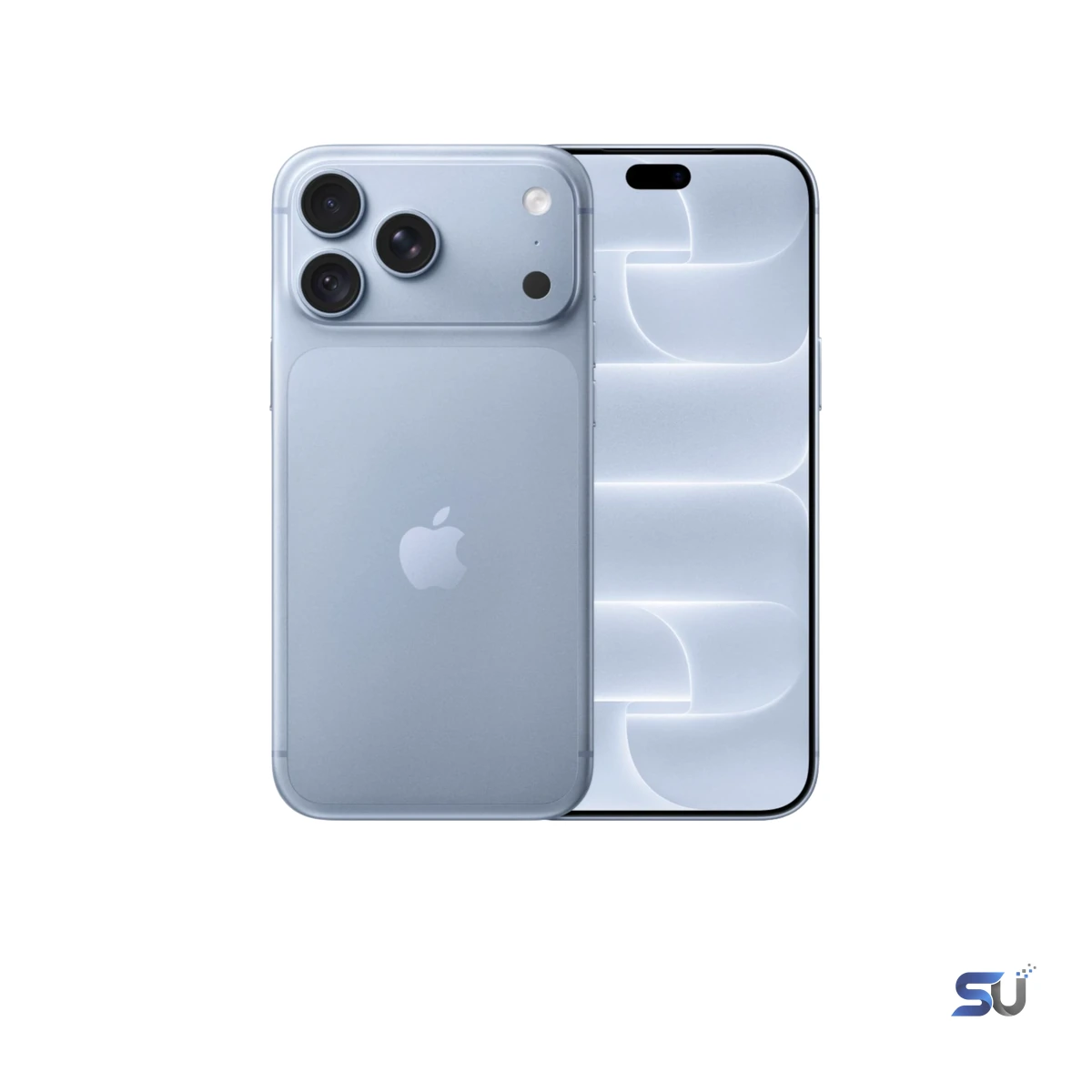
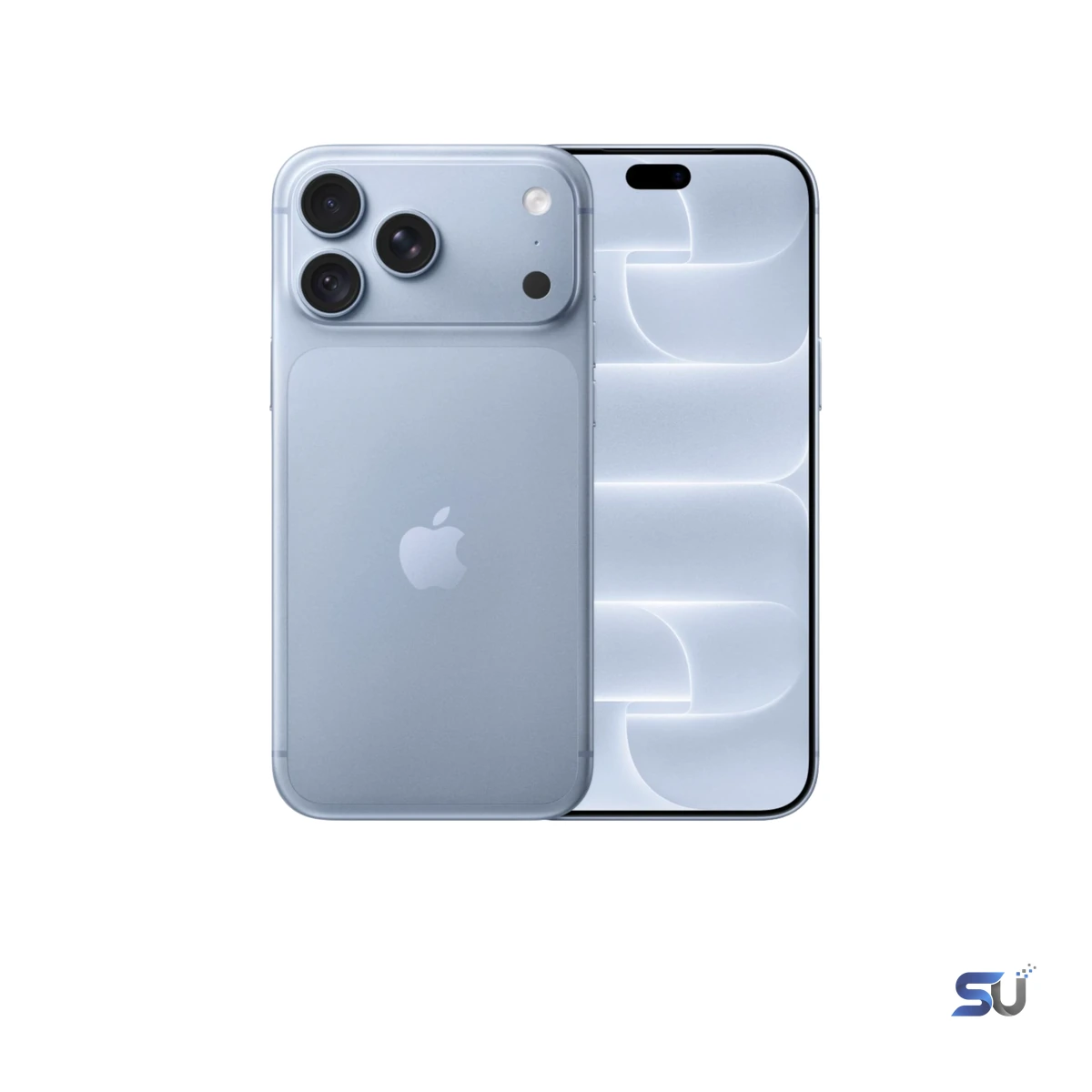
This is the most iPhone Apple currently makes. The Apple iPhone 17 Pro Max 12GB introduces a new aluminum unibody design, the A19 Pro chip, and a camera system rebuilt around a 48MP telephoto — Apple's no-compromise flagship for those who want the biggest screen, the best cameras, and the longest battery life in the lineup.
This is the most iPhone Apple currently makes. The Apple iPhone 17 Pro Max 12GB introduces a new aluminum unibody design, the A19 Pro chip, and a camera system rebuilt around a 48MP telephoto — Apple's no-compromise flagship for those who want the biggest screen, the best cameras, and the longest battery life in the lineup.
This page covers the United States configuration of the phone — dual eSIM, mmWave 5G, and the 5,088 mAh battery — alongside the full specification table. So whether you're comparing it against last year's Pro Max or deciding between storage sizes, you'll find the numbers and the context here.
The biggest visual change this year is the material. After two generations of titanium, Apple has moved the Pro lineup back to aluminum. The forged, aerospace-grade unibody also houses a new vapor chamber cooling system. Aluminum moves heat better than titanium, which helps the A19 Pro hold peak performance longer during demanding tasks like gaming or 4K video exports.
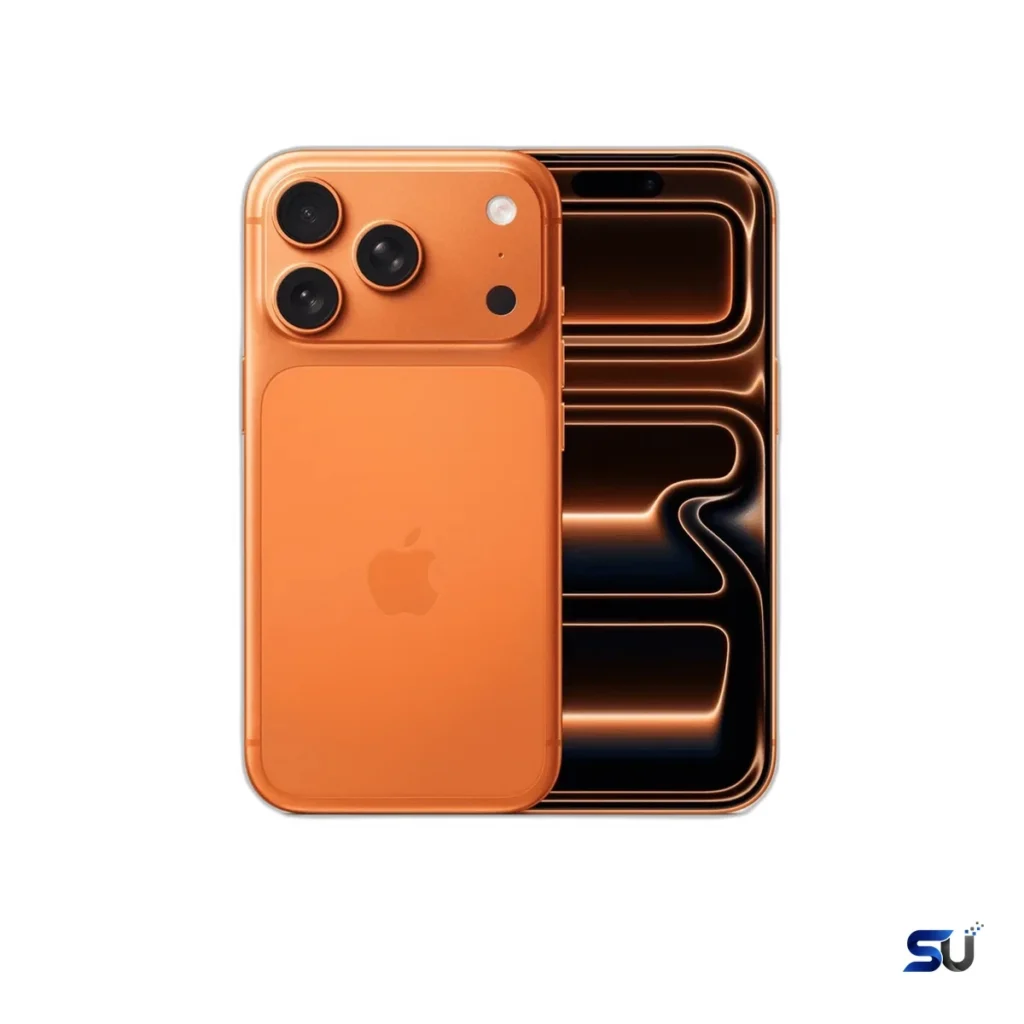
The camera area is now a full-width plateau across the top of the back panel. It gives the three 48MP cameras and the LiDAR scanner room to breathe. The back is still glass. As a result, MagSafe and Qi2 wireless charging work exactly as before.
The feel changes too. It's a touch lighter in the hand than the titanium generation suggested, and the matte finish resists fingerprints better than polished steel ever did. The Action button and Camera Control also return, giving you quick access to silent mode and camera settings without digging through menus.
The front is protected by Ceramic Shield 2, which Apple says resists scratches three times better than the previous generation. The phone carries an IP68 rating: up to 6 meters of water for 30 minutes. Rain, spills, and the odd drop in the pool shouldn't ruin your day.
One honest note: early owners found the anodized aluminum finish shows fine scratches more readily than expected, especially around the camera plateau. A case solves it completely. Consequently, it's worth budgeting for one if you care about resale value.
At 163.4 × 78.0 × 8.75 mm and 233 grams, the 17 Pro Max is unapologetically big. It's a touch thicker than its predecessor, making room for the larger battery and vapor chamber. Still, if you have smaller hands, try one in a store first. Colors are Cosmic Orange, Deep Blue, and Silver; Cosmic Orange is the head-turner, shifting character under different light.
The 6.9-inch Super Retina XDR display is the largest ever on an iPhone. This LTPO OLED panel runs at 2868 × 1320 (about 460 pixels per inch), so text looks razor sharp. ProMotion's 120Hz adaptive refresh rate drops to 1Hz for the always-on display, saving battery when the phone idles on your desk.
Peak outdoor brightness hits 3,000 nits, with 1,600 nits for HDR and 1,000 nits in typical use. In practice, the screen stays readable in harsh midday sun — a real upgrade for navigation, photography, or reading outdoors. It also dims to 1 nit for comfortable use in a dark room.
Dolby Vision, HDR10, and HLG are all supported, with P3 wide color and a 2,000,000:1 contrast ratio. Movies look superb, with deep blacks and highlights that pop without looking artificial.
ProMotion's adaptive refresh is one of those features you stop noticing until you use a 60Hz phone again. Scrolling through articles, swiping between home screens, and playing supported games all feel fluid and immediate. Because the panel can drop to 1Hz, the always-on display sips power. It shows the time, widgets, and notifications without meaningfully denting battery life.
The A19 Pro uses a 3-nanometer process. The 6-core CPU pairs two performance cores with four efficiency cores. A 6-core GPU and 16-core Neural Engine complete the package. Geekbench 6 scores of around 3,900 single-core and 9,900 multi-core were the fastest ever recorded for a phone chip at launch. Apps open instantly, photo edits apply in real time, and games run at their highest settings.
The 12GB of LPDDR5X RAM matters most for multitasking and Apple Intelligence, which keeps large AI models in memory. Safari tabs reload less. Switching between camera, maps, and messages feels seamless, and on-device AI responds faster.
Behind the scenes, the 16-core Neural Engine does the quiet work of Apple Intelligence: transcribing voice memos, recognizing text in photos, powering live translation, and driving the improved Siri. Because much of this runs on-device rather than in the cloud, it works in airplane mode. Your data stays on your phone. The 12GB of RAM also keeps models loaded and responsive.
A19 Pro plus vapor chamber plus aluminum body makes this the best iPhone for gaming yet. The vapor chamber spreads heat across the unibody, so the chip throttles less during long sessions. Meanwhile, reviewers noted the phone stays comfortable to hold under sustained load — a genuine improvement.
Storage options are 256GB, 512GB, 1TB, and 2TB of fast NVMe storage. However, there's no microSD slot, so choose carefully — heavy ProRes shooters should look at 512GB or 1TB.
For the first time, every rear camera on an iPhone is 48 megapixels. The main is a 48MP wide (f/1.78, 24mm) with second-generation sensor-shift stabilization. The ultrawide is 48MP (f/2.2, 13mm) for landscapes and tight interiors. The telephoto is a 48MP tetraprism (f/2.8, 100mm) with 4x optical zoom and 3D sensor-shift stabilization.
The payoff is consistency: on the Apple iPhone 17 Pro Max 12GB, cropping into ultrawide or telephoto shots no longer yields mushy files. The optical zoom range spans 8x, digital zoom reaches 40x, and the LiDAR scanner sharpens low-light autofocus and Night mode portraits.
Flexibility is this camera system's best trait. The 24mm main is the everyday workhorse. For interiors and sweeping landscapes, the 13mm ultrawide delivers clean, distortion-free shots. The 100mm telephoto finally makes concert and sideline shots genuinely usable. Photonic Engine processing lifts shadows and tames highlights automatically, so most people can shoot in auto and get great results.
The front camera also jumps to 18MP with Center Stage, whose square sensor reframes selfies and video calls automatically. Video reaches 4K Dolby Vision at 120fps and 1080p at 240fps, with ProRes, ProRes RAW, and Log for serious editing.
Dual Capture is the fun new trick: it records front and rear cameras simultaneously — made for vloggers, unboxings, and capturing your reaction alongside the scene.
Night mode runs on all cameras via the Photonic Engine — but note it isn't available for Portrait shots this generation, so plan low-light portraits accordingly.
The US eSIM model packs a 5,088 mAh battery (19.77 Wh), the largest ever in an iPhone. (Physical-SIM models elsewhere get a 4,823 mAh cell.) Apple rates it for up to 39 hours of video playback. Reviewers called it the best battery life they've seen on an iPhone — comfortably two days for most people.
With a 40W+ USB-C adapter (sold separately), expect about 50% charge in 20 minutes. Wireless charging reaches 25W via MagSafe or Qi2. Unfortunately, no adapter is in the box — just a USB-C cable.
Real-world endurance is where the 17 Pro Max pulls away from the pack. Heavy users — constant 5G, navigation, camera use — can expect to end the day with charge to spare, while moderate users will comfortably stretch to two days. Standby drain is minimal thanks to the efficient A19 Pro and the 1Hz always-on display, so the phone loses little overnight.
iOS 26 brings the Liquid Glass design language — translucent, fluid interface elements that feel fresh without breaking muscle memory. Apple Intelligence runs largely on-device, where the 12GB RAM and Neural Engine shine. Writing tools, notification summaries, visual intelligence, and a better Siri all run faster and more privately.
Memory Integrity Enforcement brings hardware-level protection against certain memory attacks, courtesy of the A19 Pro. Apple publishes no fixed support window, but iPhones historically get five to seven years of iOS and security updates.
Day-to-day iOS 26 highlights include smarter notification summaries that actually save time, a cleaner Camera app layout, live translation in Messages and FaceTime, and improved spam call screening. Visual intelligence lets you point the camera at a restaurant or poster to get hours, reviews, or calendar options — small conveniences that add up.
You get 5G (sub-6 GHz and mmWave), Gigabit LTE, Wi-Fi 7 with 2x2 MIMO, Bluetooth 6.0, second-gen Ultra Wideband, Thread, and NFC for Apple Pay. Positioning uses dual-frequency GPS (L1+L5) plus GLONASS, Galileo, QZSS, BeiDou, and NavIC.
The US model is eSIM-only with two active eSIMs — no physical tray. Carrier switching happens via app or QR code, and all major US carriers support instant eSIM transfer from an old iPhone. The USB-C port hits 10Gb/s with DisplayPort output for monitors and fast file transfers.
Beyond the usual radios, the phone supports Apple's satellite features: Emergency SOS, Messages, and Find My updates via satellite when you're off the grid. It's the kind of feature you hope never to need. But hikers, road-trippers, and anyone outside cell coverage may one day be glad it exists.
The Apple iPhone 17 Pro Max 12GB starts at $1,199 for 256GB in the US, stepping up through 512GB, 1TB, and 2TB. It launched September 19, 2025 in Cosmic Orange, Deep Blue, and Silver. Carrier deals and trade-ins can cut the effective price a lot — compare Apple's trade-in values with carrier promos before buying.
Which storage size should you get? The 256GB base suits most people, especially with iCloud. Choose 512GB if you keep years of photos on-device or download lots of offline media. The 1TB and 2TB models suit ProRes video shooters and anyone using the phone as their primary camera. Remember there's no way to add storage later, so it's better to overestimate slightly.
12GB of LPDDR5X — the most ever in an iPhone at launch, double the 16 Pro Max. More apps and AI models stay in memory, so multitasking is smoother and Apple Intelligence responds faster.
5,088 mAh in the US eSIM model — the largest iPhone battery ever. Apple rates it for up to 39 hours of video playback. Physical-SIM models elsewhere have a 4,823 mAh cell.
Not in the US — it's eSIM-only with two active eSIMs. Some regions get a nano-SIM tray version. All major US carriers support eSIM, so most buyers won't notice the difference.
Water-resistant, not waterproof: IP68 covers 6 meters for 30 minutes plus dust protection. Liquid damage isn't covered by warranty, so keep it dry when you can.
All three rear cameras are now 48MP, including a 48MP tetraprism telephoto with 4x optical zoom. The front camera is 18MP with Center Stage, and Dual Capture records front and rear video at once. Video tops out at 4K Dolby Vision 120fps with ProRes and Log.
It depends. You get a bigger battery, 12GB RAM, all-48MP cameras, a brighter screen, and vapor-chamber cooling. That matters if you shoot lots of photo/video, game heavily, or want maximum battery life. If your 16 Pro Max still feels fast, there's no urgency; it remains an excellent phone.
Mostly size and battery. The Pro Max has a 6.9-inch display and a 5,088 mAh battery versus 6.3 inches and a smaller cell on the Pro. The chip, cameras, RAM, and materials are the same. If you want the biggest screen and longest endurance, get the Max; if you prefer a more pocketable phone, the Pro gives up surprisingly little.
Put simply, the Apple iPhone 17 Pro Max 12GB is the most complete iPhone Apple has made. It's a refinement of nearly everything, from the cooler aluminum body to the record battery. Anyone shopping for a flagship iPhone in 2025 that will stay fast and supported for years will find everything they're looking for here.