Why This Tier Exists
Every keen photographer knows one small, familiar dread. A red warning appears, and storage suddenly runs out. Worse still, the warning arrives mid-trip or mid-celebration. Deleting old favourites under pressure rarely feels good. That quiet anxiety explains the Vivo X100 16GB perfectly.
This tier keeps every camera, chip, and display highlight. Instead, the extra money buys breathing room inside. Buyers get double the storage of the 12GB tier. Moreover, they get 16GB of RAM for busy days. Families, travellers, and creators feel that difference daily.
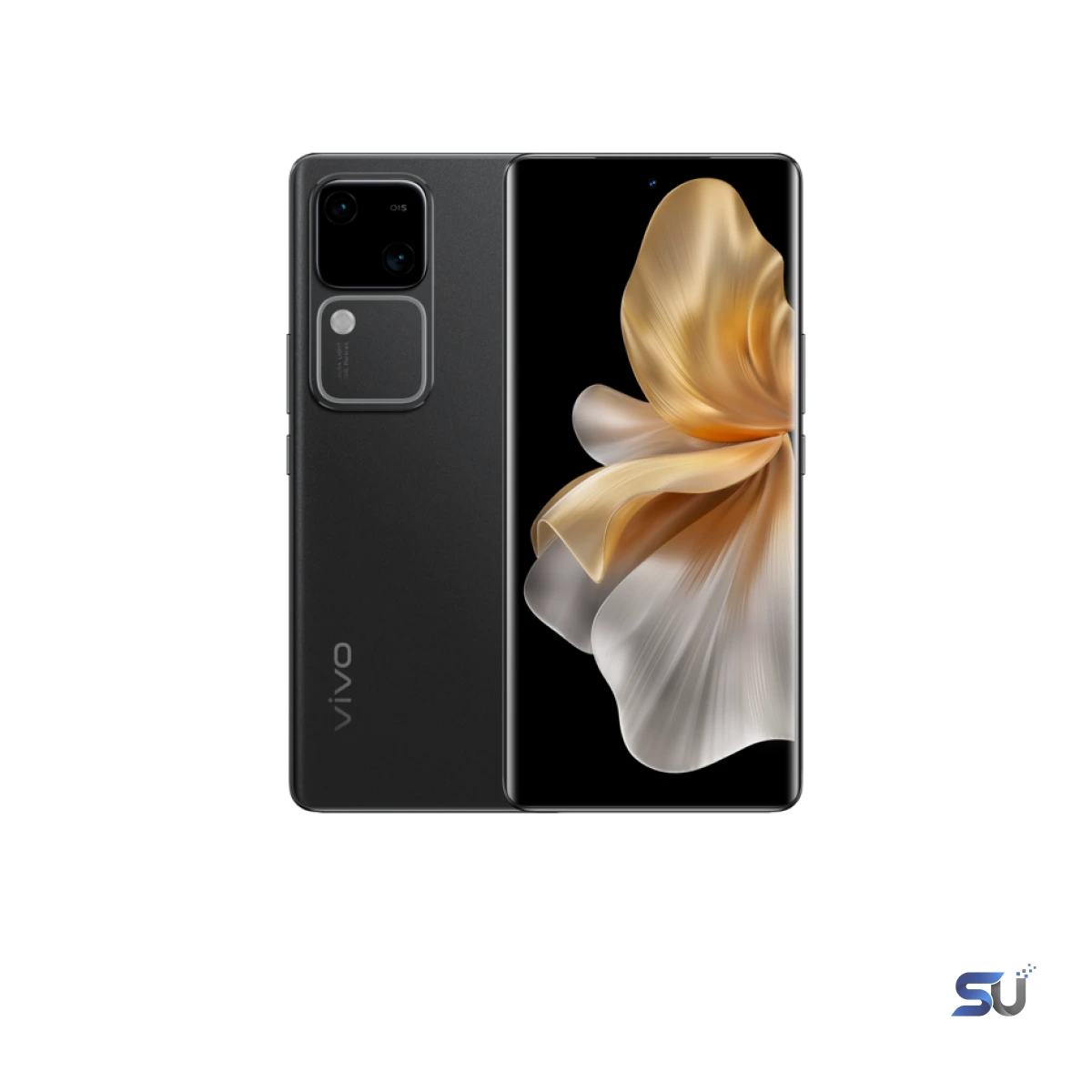
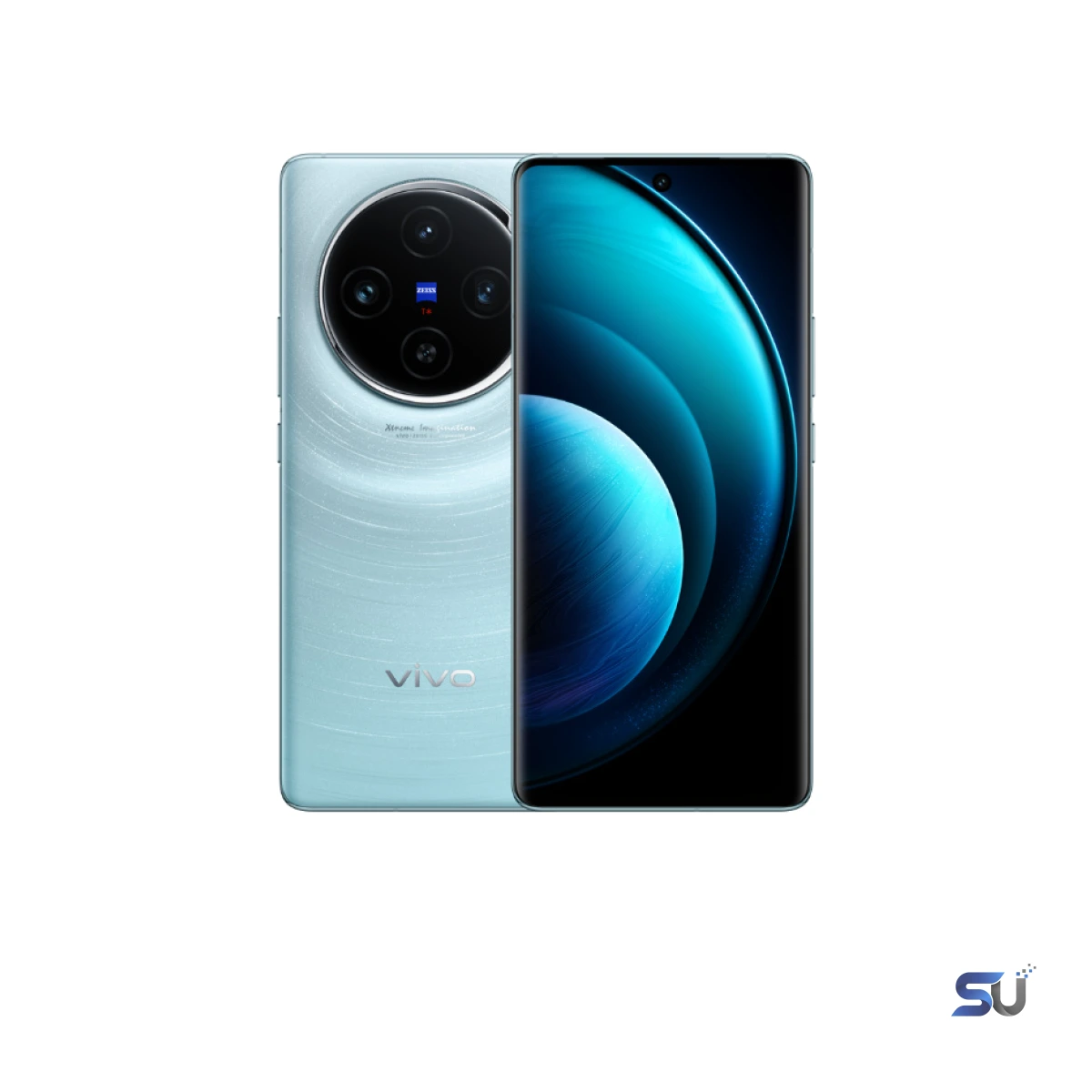
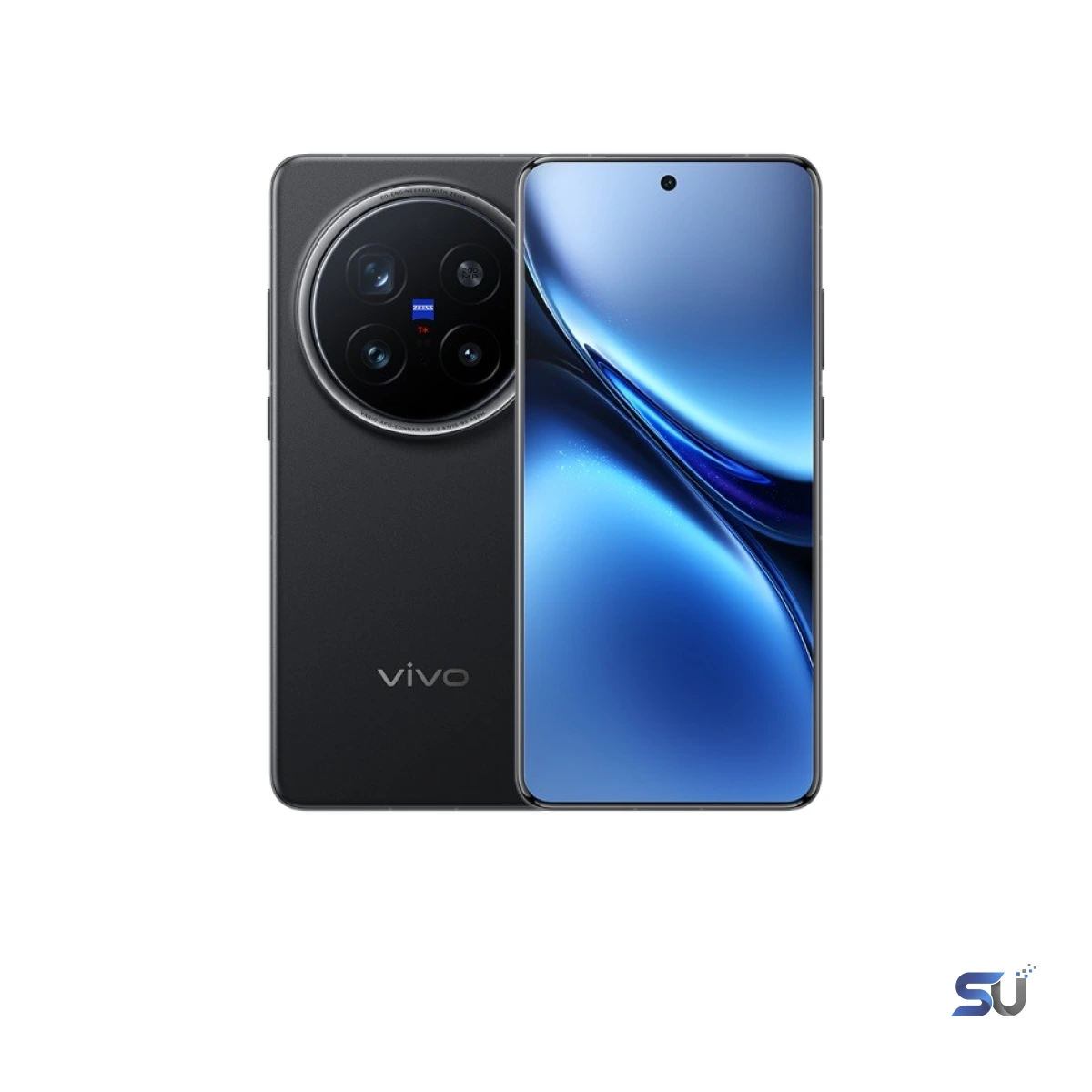
Vivo launched this model globally on 4 January 2024. Global buyers received Startrail Blue and Asteroid Black finishes. However, Vivo never sold the phone officially in America. Therefore, United States readers usually meet it through importers.
This page consequently takes a deliberately practical angle throughout. Raw specifications matter, of course, throughout the sections below. Daily comfort, however, matters just as much here. Extra capacity changes habits in surprisingly pleasant ways.
Vivo X100 16GB Storage and Memory
Official Vivo listings pair 16GB RAM with 512GB storage. No other storage size joins this memory tier. Therefore, buyers should treat any other pairing with suspicion. Sellers sometimes mislabel variants, so careful checking matters.
Fast LPDDR5X memory keeps many apps ready instantly. Similarly, UFS 4.0 storage moves big files very quickly. Copying a long 4K clip takes mere moments. Additionally, the phone skips a microSD card slot entirely. Hence, choosing enough internal storage at purchase matters.
Extended RAM adds virtual memory using spare storage. Vivo markets this tier with 16GB extended RAM. However, physical 16GB memory does the heavy lifting. Multitaskers still notice fewer reloads during busy weeks.
Consider a keen shooter with 40,000 stored photos. Such a library fits here without constant housekeeping. Video shoots also grow calmer with 512GB aboard. In short, the Vivo X100 16GB removes storage maths.
Design and Handling
In hand, the phone feels reassuringly solid and substantial. Its body measures 164.05 x 75.19 x 8.49 mm. At 206 g, weight signals serious hardware inside. Consequently, smaller hands may prefer two-handed use sometimes.
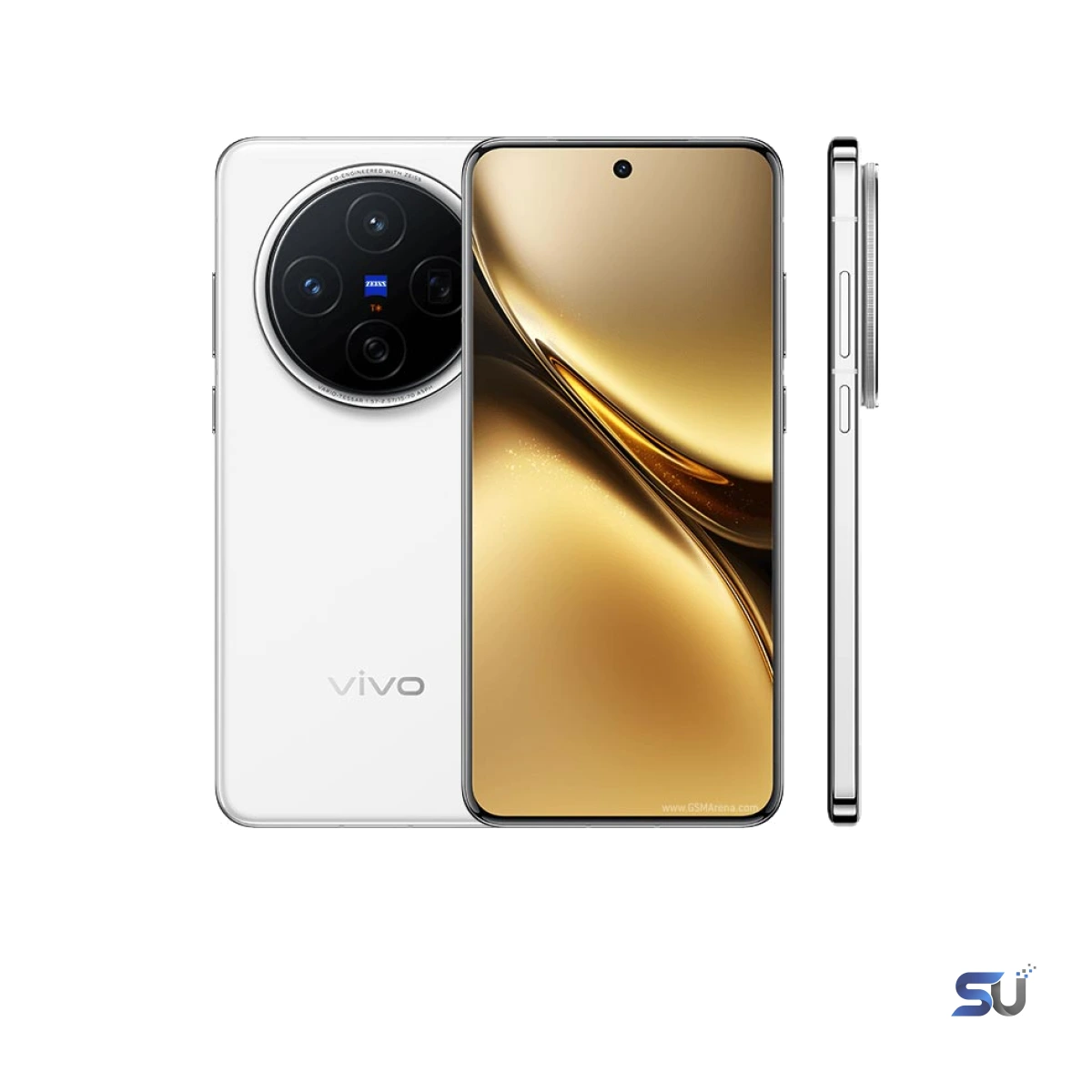
Glass covers both the front and the back. Schott Xensation Up protects that curved front glass. Meanwhile, an aluminum frame joins everything together neatly. IP68 sealing guards the phone against dust and water.
An optical fingerprint sensor sits beneath the display. Unlocking feels quick during normal, everyday use. Additionally, an X-axis linear motor sharpens every tap. Firm, clean button clicks complete the premium impression.
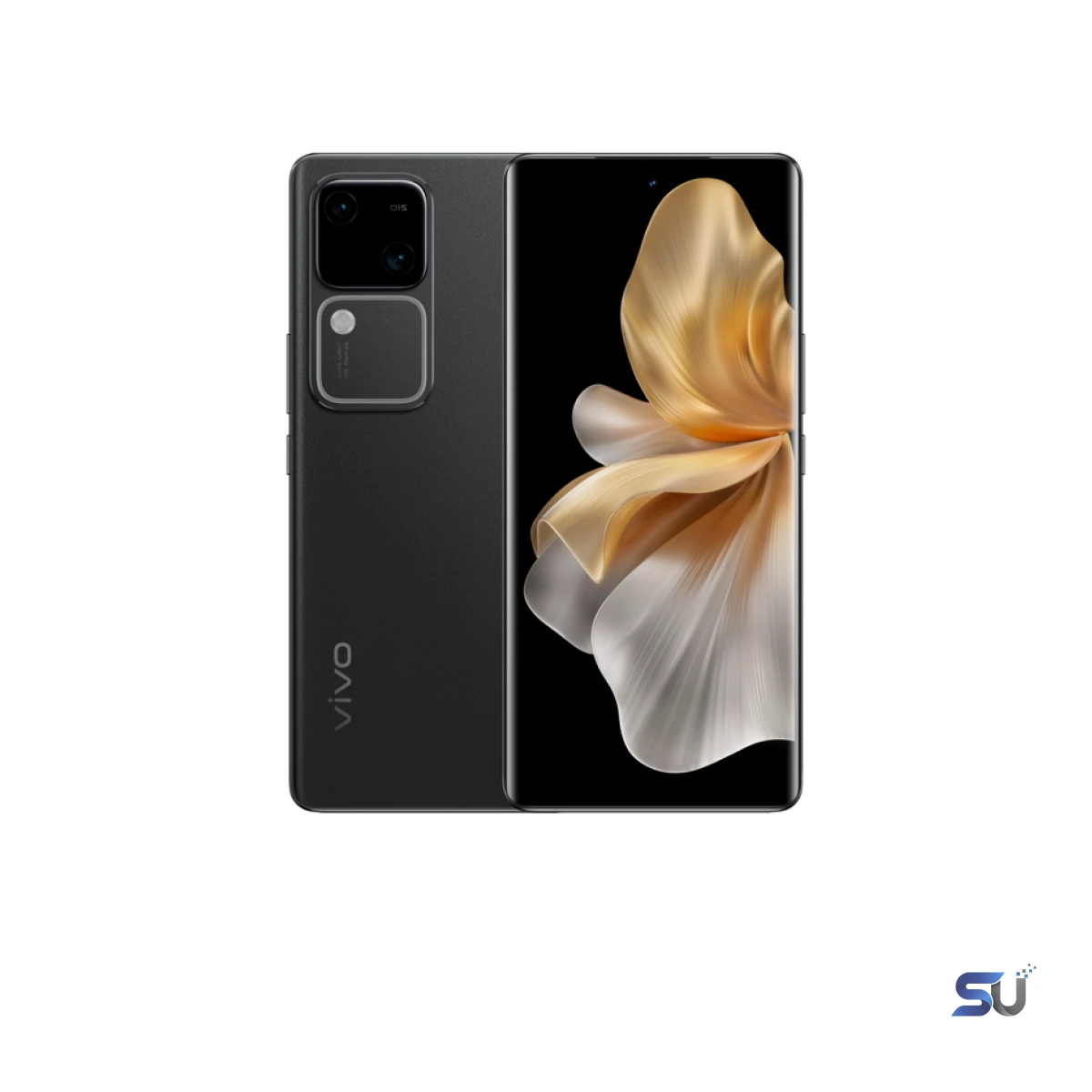
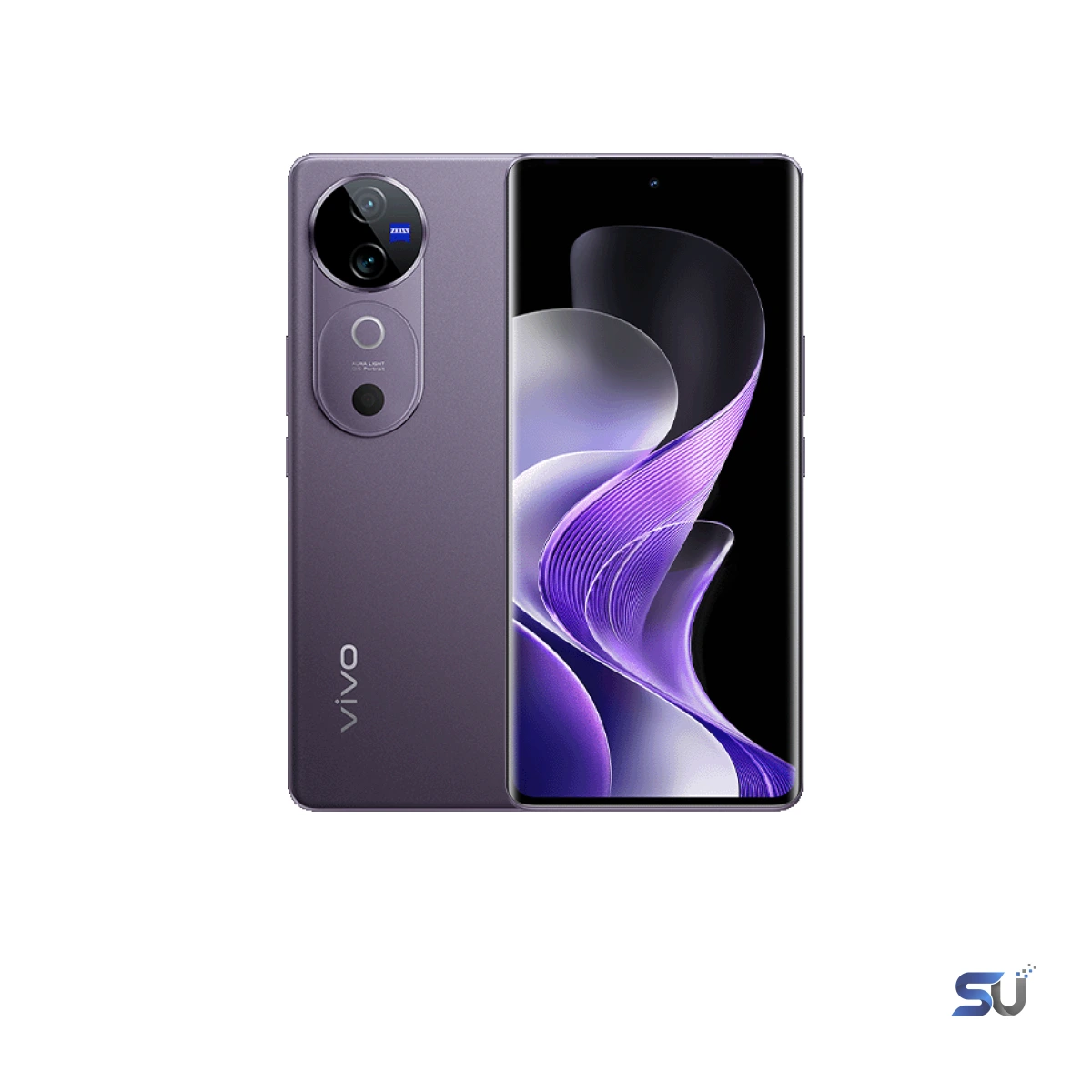
Startrail Blue swirls like a tiny captured galaxy. Asteroid Black, by contrast, keeps things quietly understated. Both finishes frame the huge circular camera island. A case, nevertheless, suits this slippery glass design.
Travel days test buttons, seals, and coatings hard. Rain showers, dusty hikes, and crowded trains happen. This hardware shrugs off such ordinary abuse confidently. Owners consequently worry less during adventurous weekends away.
A Screen Built for Photo Review
The 6.78-inch LTPO AMOLED display dominates the front. Colours look rich across a full billion shades. Text stays crisp at 2800 x 1260 pixels. Moreover, roughly 452 pixels fill every single inch.
Motion feels fluid thanks to the 120Hz refresh rate. LTPO technology lowers refresh rates for static content. As a result, the battery avoids needless energy drain. Outdoor visibility reaches a peak of 3,000 nits. HDR10+ support deepens contrast in supported streaming shows.
Eye comfort receives serious attention on this panel. High-frequency dimming runs at 2160Hz, listed by 91mobiles. Sensitive viewers often prefer such fast PWM dimming. Photo review, naturally, benefits from the accurate colours. DCI-P3 coverage keeps reds and greens looking true.
Curved edges make swipes feel smooth and natural. However, curved glass also demands a careful grip. Accidental touches occasionally appear during one-handed use. Still, photographers will forgive those minor quirks quickly.
Photo editors will love reviewing shots right here. Zooming into corners reveals focus accuracy very clearly. Brightness headroom also helps under harsh midday sun. Consequently, keepers and rejects separate much faster outdoors.
ZEISS Cameras and the Main Sensor
ZEISS co-engineering headlines the whole camera story here. The main camera uses a 50MP Sony IMX920 sensor. Its wide f/1.57 lens gathers generous evening light. Optical stabilisation steadies handheld shots and clips alike.
Beside it sits a versatile 50MP ultrawide camera. The f/2.0 lens spans a dramatic 119 degrees. Autofocus lets that ultrawide double for close-ups. Landscapes, interiors, and group shots gain real flexibility.
Vivo adds its V2 imaging chip for processing. The chip assists portraits and low-light scenes directly. ZEISS T* coating also reduces stray reflections noticeably. Together, these touches favour clean, believable image files.
Everyday results favour natural colour over wild saturation. Skin tones stay believable in mixed indoor lighting. Consequently, families can share photos without heavy editing. Detail, in fact, survives cropping better than expected.
Colour science aims for truth over heavy drama. Greens stay controlled, and skies avoid neon exaggeration. Night highlights, moreover, retain detail without ugly blooming. The main camera consequently anchors the whole system.
Portraits, Zoom and Night Shots
A 64MP periscope telephoto handles the portrait magic. Its 70mm lens offers true 3x optical zoom. The f/2.57 aperture keeps distant subjects bright enough. Optical stabilisation again steadies the longer focal length.
ZEISS styles mimic classic portrait lenses quite convincingly. Biotar, Sonnar, Planar, and Distagon options appear in-app. Super Night Portrait adds help after dark falls. Moreover, digital zoom stretches as far as 100x. Such extremes suit moon shots and distant landmarks.
Night mode works across rear and front cameras. The 32MP front camera uses an f/2.0 lens. Selfies stay detailed during bright and dim conditions. Group selfies, meanwhile, keep faces across frames recognisable.
Street photographers will enjoy the discreet 70mm framing. Faces relax when the camera stays farther away. Backgrounds, in addition, melt pleasantly at f/2.57 apertures. Portraits therefore look deliberate rather than hurried snapshots.
Video and Everyday Shooting
Video recording tops out at sharp 4K resolution. Creators can choose 30 or 60 frames per second. Gyro-EIS smoothing calms walking footage quite noticeably. Additionally, Cinematic mode adds a film-style shooting option.
Everyday clips favour convenience over complex colour grading. Night video support helps during evening events greatly. Families can simply point, record, and trust exposure. Results, overall, look pleasing straight from the gallery.
Storage, again, quietly transforms long recording sessions. Nobody enjoys deleting clips between concert songs. Therefore, the Vivo X100 16GB suits filming parents regularly. Long takes also stay safer from interruption anxiety.
Slow evenings benefit from the fast main lens. Indoor concerts challenge lesser phones far more severely. Here, stabilisation and light gathering preserve the moment. Clips consequently need less rescue work afterwards.
Dimensity 9300 Speed in Daily Life
MediaTek's Dimensity 9300 drives every task here effortlessly. The 4 nm chip uses eight performance-focused cores. One Cortex-X4 core reaches speeds of 3.25 GHz. Three further Cortex-X4 cores run at 2.85 GHz. Four Cortex-A720 cores handle efficiency work at 2.0 GHz.
Graphics come from an Immortalis-G720 MC12 GPU. Demanding games render smoothly at high settings generally. A large vapour chamber spreads heat during play. Consequently, short gaming bursts feel effortlessly fast throughout.
Daily fluidity, however, matters more than peak numbers. Apps open quickly, and scrolling stays consistently smooth. With 16GB RAM, background apps survive longer breaks. Returning to maps or chats rarely forces reloads. Multitasking consequently feels calmer across the whole week.
Photo editors also appreciate the responsive chip daily. Batch exports finish without long, frustrating pauses. Filters preview instantly on the bright AMOLED screen. Creative work therefore continues anywhere, not desks.
What the Benchmarks Actually Say
Independent numbers support the flagship speed claims strongly. 91mobiles recorded an AnTuTu score of 2,038,916 points. The same testing produced Geekbench 6 results too. Single-core performance reached 2,205 in that testing. Multi-core performance, meanwhile, reached a strong 7,351.
Treat single scores as guides, never gospel truth. Software versions and room temperature shift results noticeably. Still, every figure places this phone among flagships. Moreover, consistency across tests matters more than peaks.
Gaming frame rates lack an exact independent test. Thermal results likewise stay unlisted in this record. Honest gaps, therefore, replace invented figures throughout here. Readers deserve attribution, not convenient made-up numbers.
Owners mainly feel this speed during heavy multitasking. Games, galleries, and uploads compete without obvious stutter. Sustained loads naturally warm the glass back somewhat. Short breaks, however, restore full pace very quickly.
Battery Life and 120W Charging
A 5,000mAh battery powers the phone through long days. Typical users should finish busy days with reserve. 91mobiles measured 14h 40m in PCMark battery testing. That workload loop mixes browsing, video, and productivity.
Charging steals the headlines at 120W FlashCharge speeds. Vivo rates half a charge at about 11 minutes. Short top-ups therefore replace overnight charging habits easily. Coffee breaks become genuinely useful charging windows again.
Wireless charging, however, never joins the feature list. Wired reverse charging can rescue earbuds or friends. Cable life consequently matters for this phone's owners. A spare cable, in addition, suits frequent travellers.
Heavy camera days usually drain batteries the fastest. Bright screens, GPS tagging, and 4K clips combine. Even so, endurance here feels comfortably above average. Fast charging then erases shortfalls within minutes flat.
Software, Updates and Connectivity
Android 14 arrives with Funtouch OS 14 globally. Chinese models instead run Vivo's own OriginOS 4. 91mobiles lists three major Android upgrades for X100. Three years of security updates accompany that promise.
Connectivity covers Wi-Fi 7 and Bluetooth 5.4 standards. aptX HD support suits higher-quality wireless headphones well. NFC enables tap payments and quick device pairing. Dual Nano-SIM slots handle two numbers at once.
Navigation uses GPS, GLONASS, BDS, and GALILEO systems. QZSS and NavIC support widen positioning coverage further. A USB-C 2.0 port handles charging and transfers. An infrared blaster can control televisions and air conditioners.
Stereo speakers add welcome volume for video playback. However, no 3.5mm headphone jack appears anywhere here. United States buyers must check carrier bands carefully. Vivo lists global bands, not American retail support.
Buying Notes for United States Readers
Importing demands a little homework before any purchase. Sellers should confirm the global Funtouch OS version. Buyers should also check charger plug types carefully. Warranty handling usually stays with the selling importer.
Carrier compatibility deserves particular attention in the States. Many global 5G bands overlap American networks partially. Nevertheless, rural coverage can differ sharply by carrier. A returns policy therefore protects cautious buyers greatly.
English language support comes standard on global software. Google services work normally on global Funtouch builds. Consequently, daily use feels familiar from day one. Research, in short, prevents nearly every import surprise.
Price varies widely between importers and storage listings. This record intentionally lists no price at all. Comparison shoppers should verify the exact variant twice. Mislabelled RAM and storage listings do occasionally appear.
Living With 512GB: A Realistic Month
Imagine returning from a long two-week family holiday. Thousands of photos land safely on one device. Several hours of 4K video join them too. Nobody opens a laptop for emergency backups nightly.
Wedding weekends create exactly this joyful storage chaos. Grandparents request copies, and originals stay protected locally. Cloud uploads can wait for home Wi-Fi calmly. Moreover, offline albums keep working on flights home.
Year two feels different on generous storage tiers. App caches grow, and game installs swell steadily. Message archives quietly accumulate thousands of shared clips. Still, 512GB absorbs that growth without weekly purges.
The Vivo X100 16GB supports this relaxed lifestyle daily. Gallery searches stay responsive across enormous local libraries. Editing apps hold recent projects ready for revisiting. In essence, capacity turns into everyday peace of mind.
Downloads also pile up on relaxed storage tiers. Offline playlists, podcasts, and films accumulate without guilt. Boarding passes and maps stay available fully offline. Small freedoms, together, make travel days noticeably smoother.
Summary
Overall, the Vivo X100 16GB removes two daily worries. Storage anxiety fades, and memory pressure fades too. Every ZEISS camera highlight from the range remains. Buyers therefore choose capacity, not a different phone.
- 512GB of UFS 4.0 storage for huge libraries
- ZEISS triple cameras with true 3x optical zoom
- Blazing 120W charging and strong battery life
- Bright 120Hz AMOLED display peaking at 3,000 nits
Choose the Vivo X100 16GB for photography and travel. Long ownership suits its generous memory and storage. Skip it for wireless charging or official US sales. Finally, check importer support before spending any money.