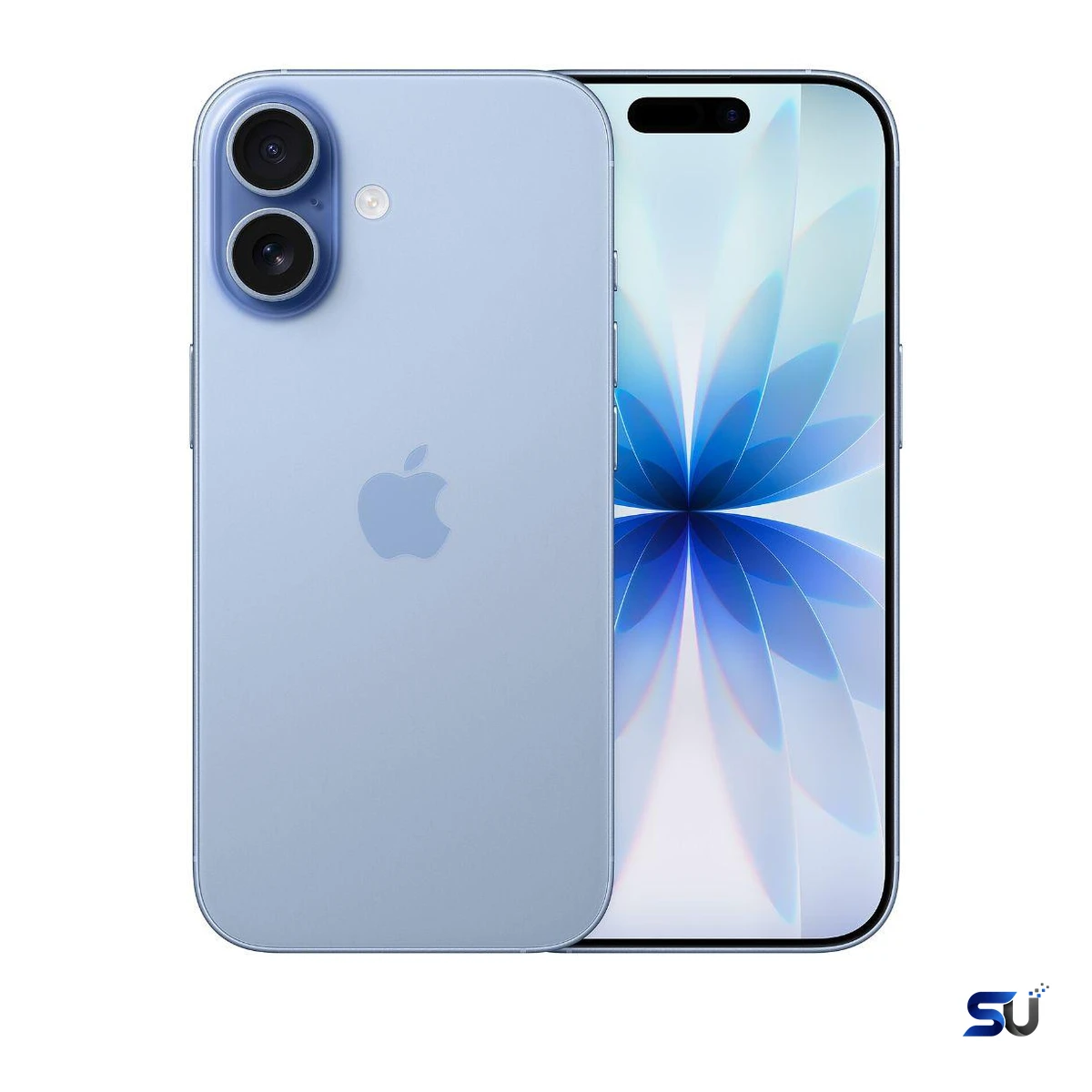
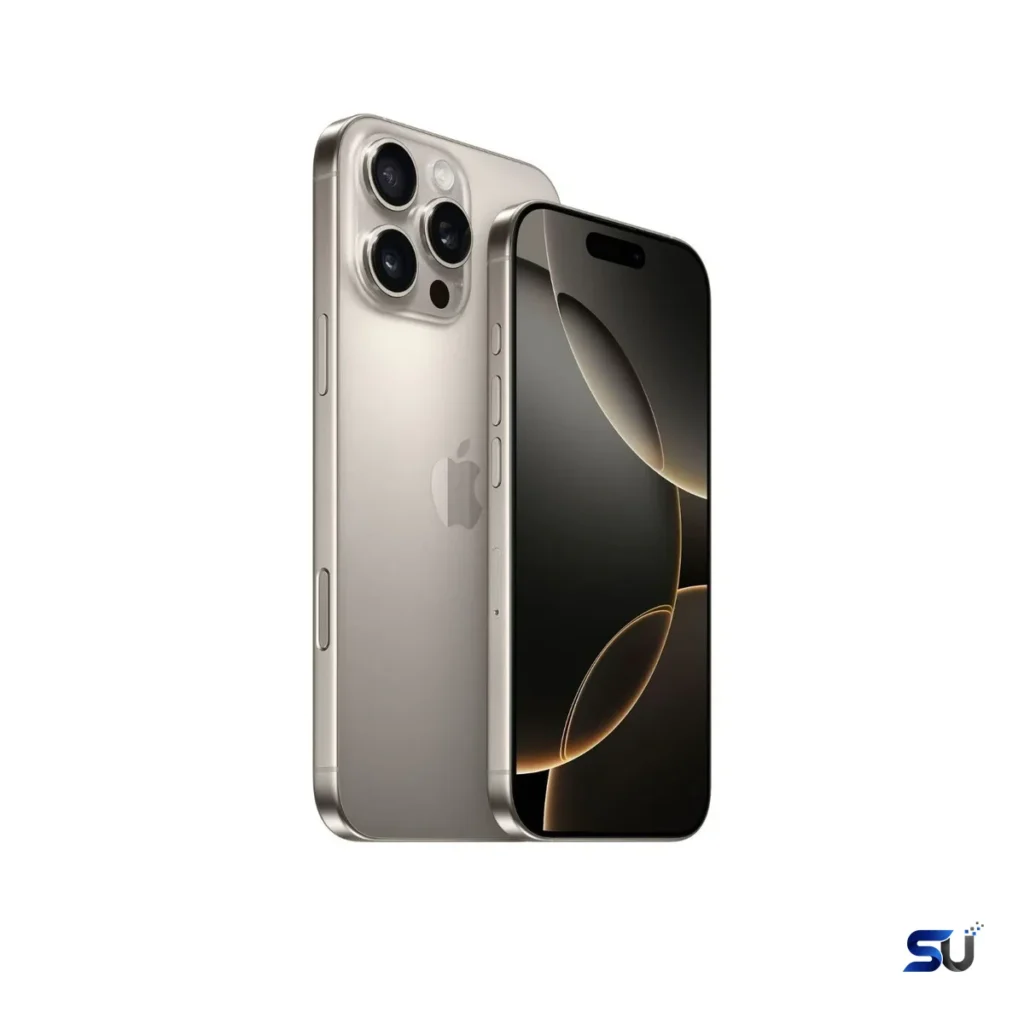
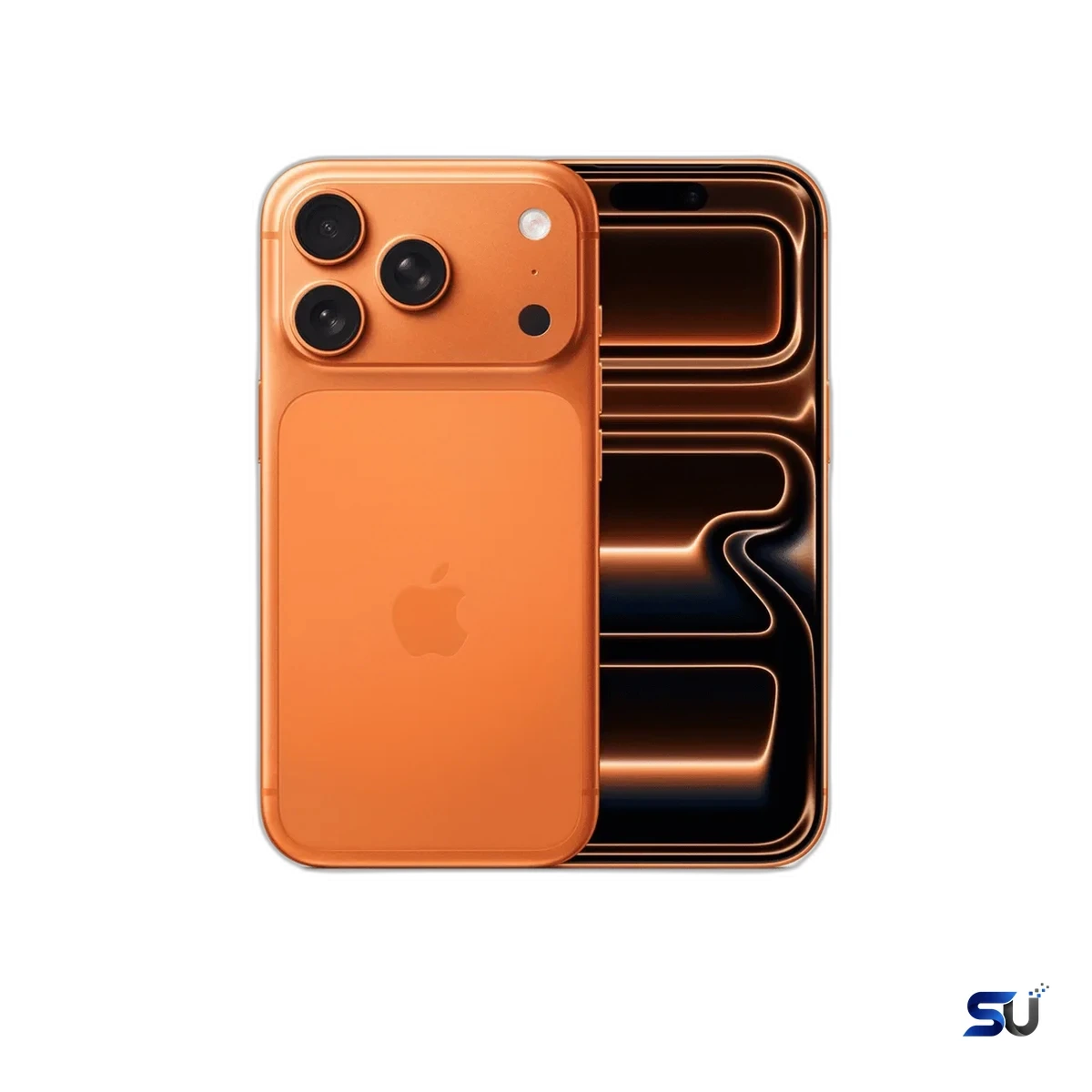
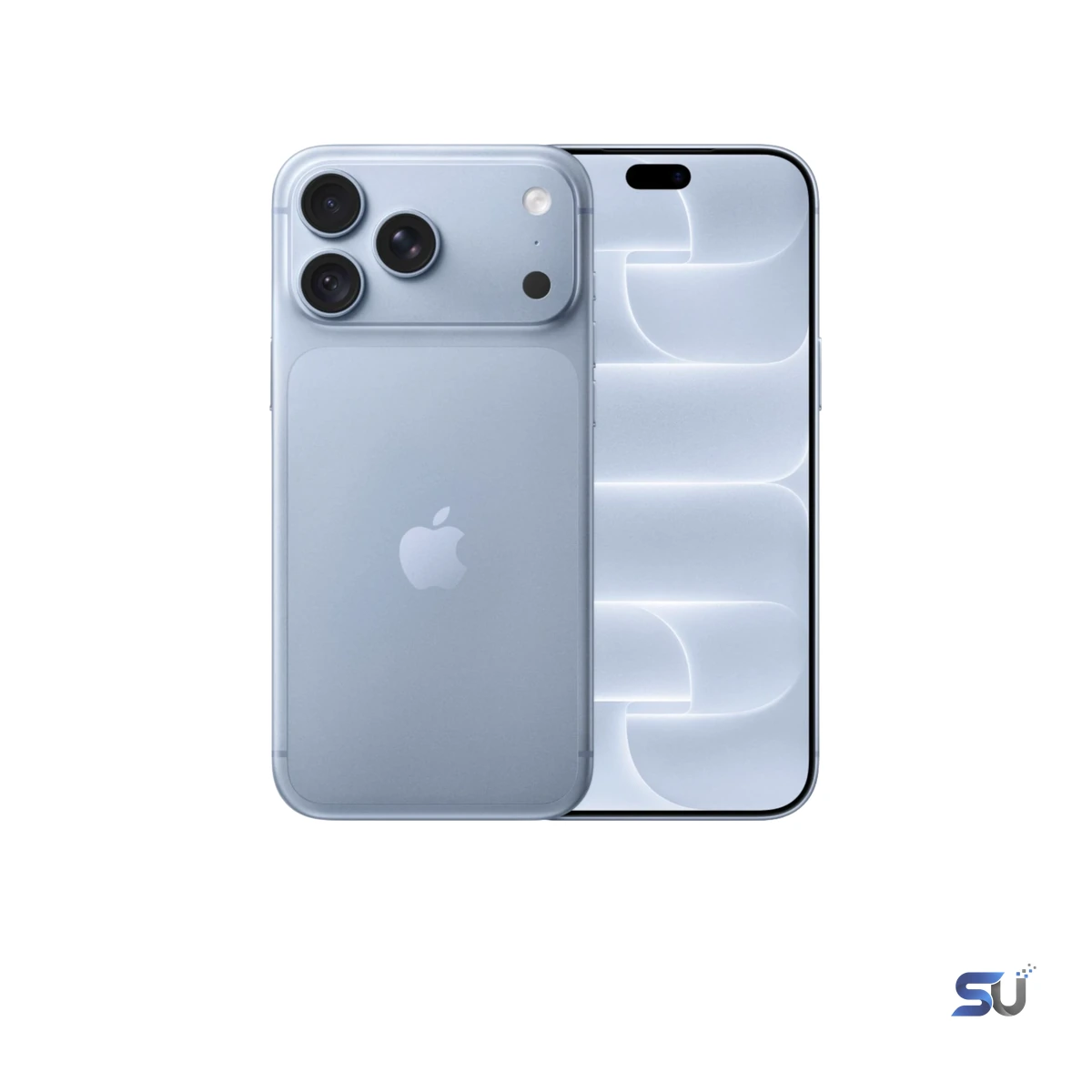
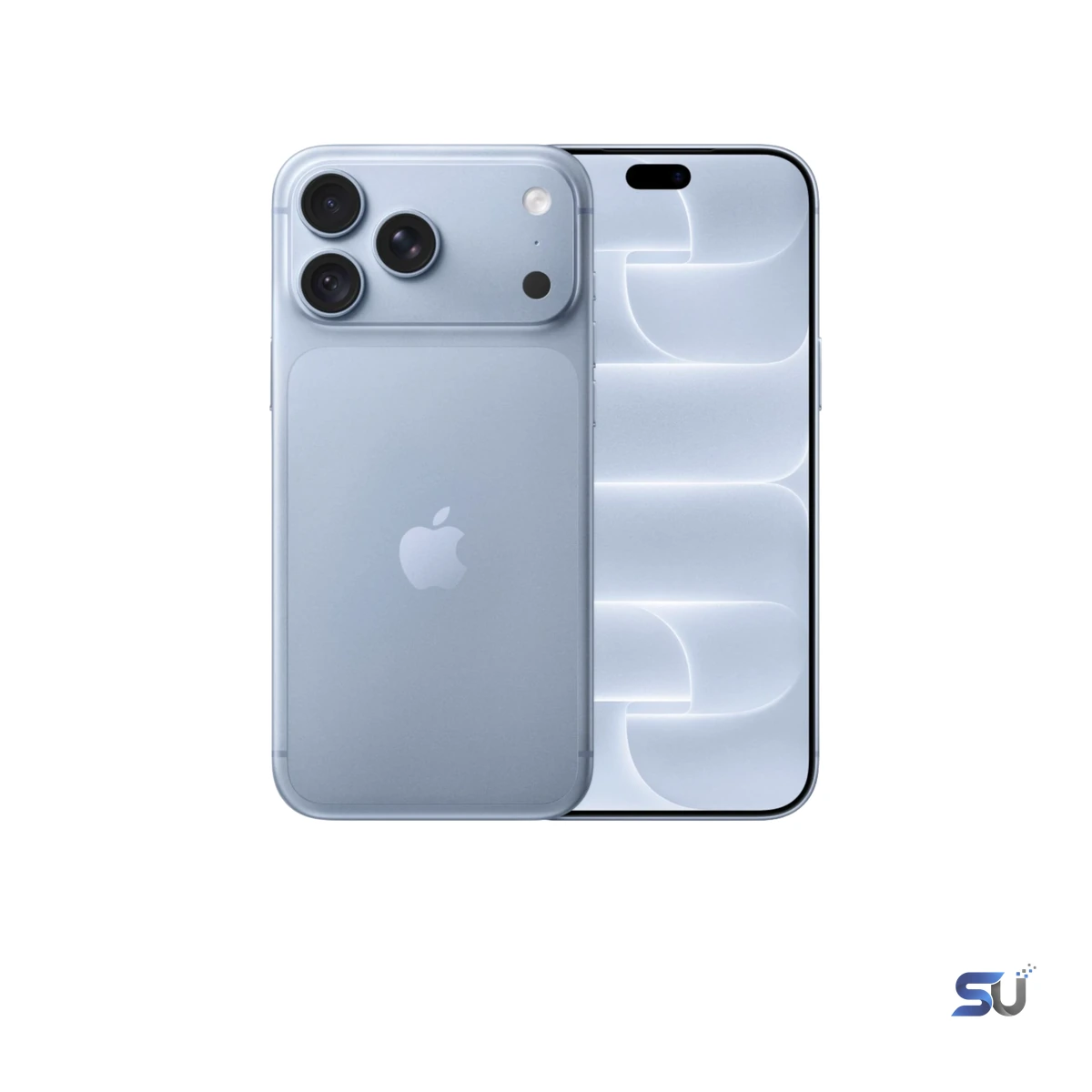
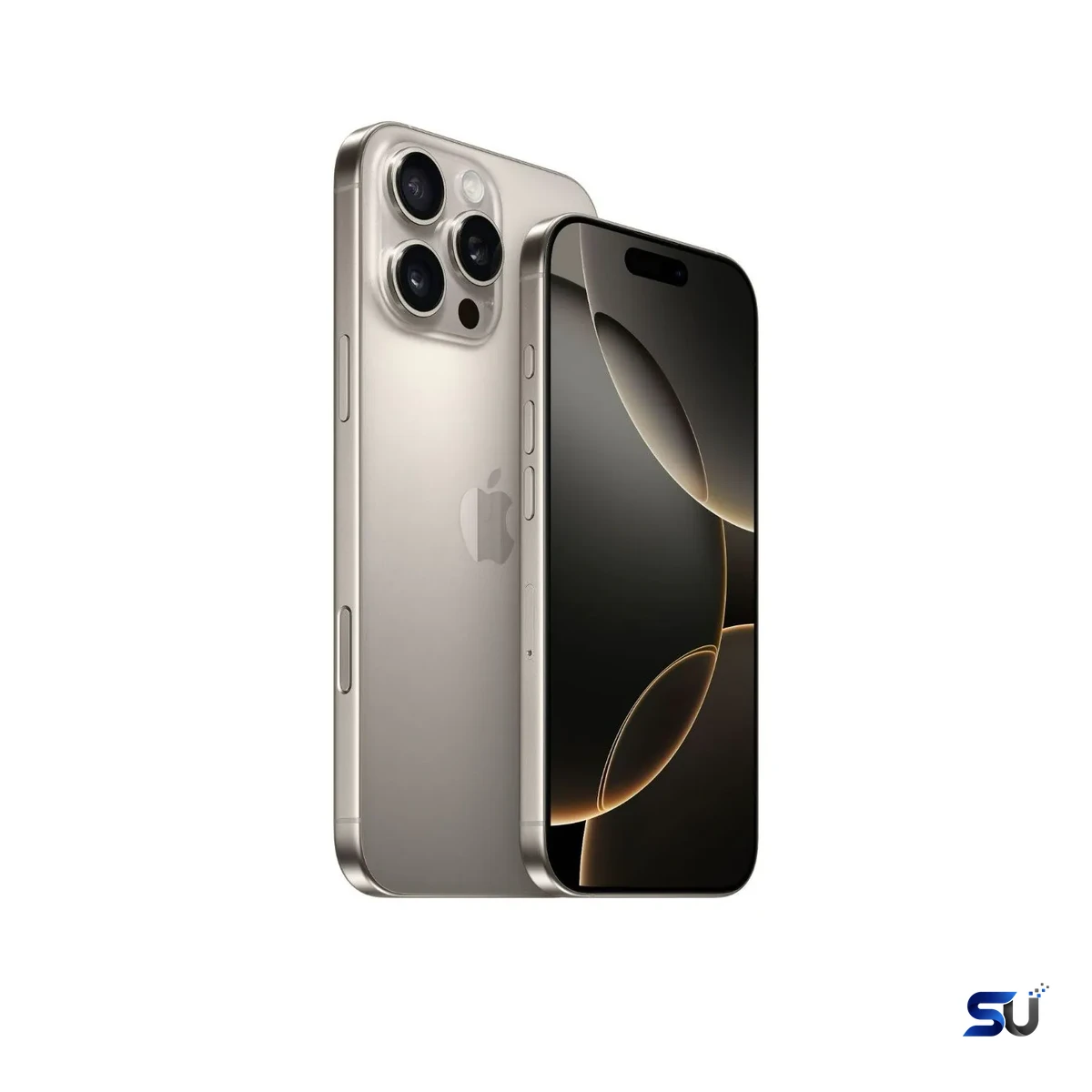
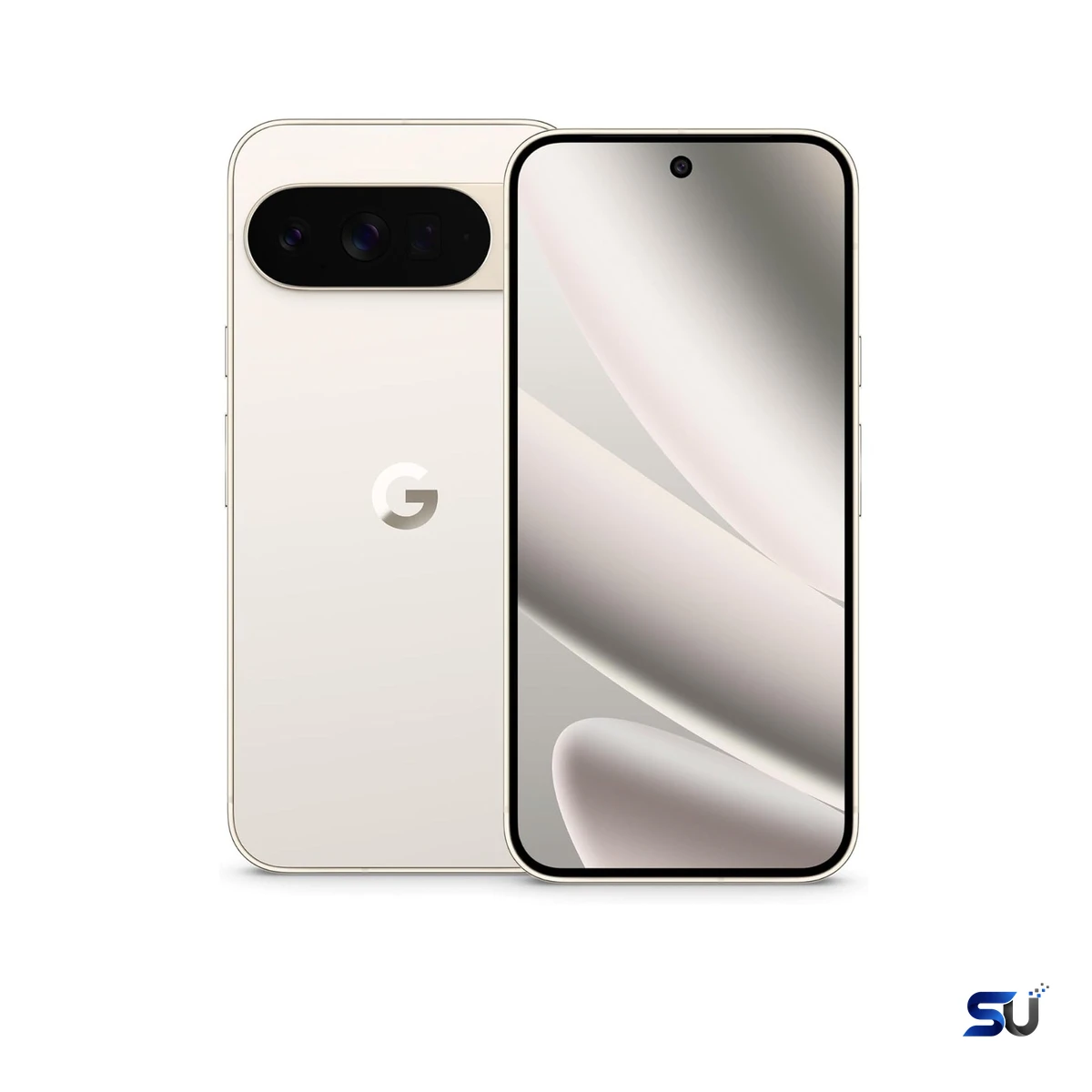
A generation on, the Apple iPhone 16 Pro Max 8GB remains a powerhouse. Apple's largest display ever, the A18 Pro chip, Camera Control, and battery life that embarrasses most rivals — it's still a flagship by any measure.
Apple iPhone 16 Pro Max 8GB: model and release details
Apple announced the iPhone 16 Pro Max on September 9, 2024. It launched next to the smaller iPhone 16 Pro, the iPhone 16, and the iPhone 16 Plus. Pre-orders opened on September 13, and the phone reached stores on September 20, 2024. It launched with iOS 18 and was one of the first iPhones built from the ground up for Apple Intelligence.
The "8GB" in the name refers to RAM. Every iPhone 16 Pro Max ships with 8GB of memory, while storage comes in 256GB, 512GB, and 1TB options. In the United States, the phone started at $1,199 for the 256GB model. The 512GB cost $1,399, and the 1TB cost $1,599. US models use dual eSIM and ship without a physical SIM tray.
Key specifications at a glance
Here is the short version of what the phone offers:
- Display: 6.9-inch LTPO Super Retina XDR OLED, 2868 x 1320, 120Hz ProMotion, Always-On, Dynamic Island
- Chip: Apple A18 Pro (3 nm), 6-core CPU, 6-core GPU, 16-core Neural Engine
- Memory and storage: 8GB RAM; 256GB, 512GB, or 1TB NVMe storage
- Rear cameras: 48MP wide (f/1.78) + 48MP ultrawide (f/2.2) + 12MP 5x telephoto (f/2.8)
- Front camera: 12MP TrueDepth with autofocus
- Video: 4K Dolby Vision up to 120fps, ProRes, Log recording
- Battery: 4,685 mAh; up to 33 hours of video playback
- Charging: 25W MagSafe wireless, 15W Qi2, fast wired charging
- Build: Grade 5 titanium frame, Ceramic Shield front, IP68, 227g
- Connectivity: 5G (sub-6 and mmWave), Wi-Fi 7, Bluetooth 5.3, USB-C, satellite SOS
Display: a 6.9-inch panel that stays readable anywhere
Size, resolution and brightness
At 6.9 inches, this is the largest screen Apple had ever fitted to an iPhone. Still, the thinnest borders on any Apple product keep it from feeling oversized. Resolution sits at 2868 x 1320 pixels, or 460 pixels per inch — so text looks crisp at any normal viewing distance.
Brightness is a genuine strength. Apple rates the panel at 1,000 nits typical, 1,600 nits peak for HDR content, and 2,000 nits peak outdoors. In practice, the screen stays readable in harsh sunlight. HDR video also shows far more punch in bright highlights than older iPhones managed.
ProMotion, Always-On and Dynamic Island
Thanks to the LTPO panel, the refresh rate adjusts from 1Hz to 120Hz based on what is on screen. Scrolling and animations look smooth, while static content sips power at low refresh rates. Instead of switching off, the Always-On display simply dims the Lock Screen, so widgets, the time, and notifications stay visible without draining much battery.
Apple kept the Dynamic Island, which houses the TrueDepth camera and Face ID sensors. It expands for calls, timers, music, and navigation, keeping background tasks visible without opening apps. Protecting it all is the latest-generation Ceramic Shield, which Apple says is 50 percent tougher than the first version.
Camera system: three lenses that cover every distance
Main, ultrawide and 5x telephoto
Apple built the main camera around a 48MP Fusion sensor with an f/1.78 aperture and sensor-shift stabilization. By default it produces 24MP photos that blend detail from the full sensor. You can also switch to full 48MP, or use a 2x crop that behaves like a 48mm lens. Daylight shots are sharp and consistent, while the Photonic Engine keeps noise low as light fades.
An upgraded 48MP sensor also serves the ultrawide this generation, with an f/2.2 aperture and a 120-degree field of view. It doubles as a macro camera that focuses close enough for tiny subjects. The extra resolution also means cropped ultrawide shots hold up better than before.
For distance, the telephoto uses a tetraprism design to squeeze 5x optical zoom (120mm equivalent) into the slim body. It has an f/2.8 aperture and stabilization, with digital zoom reaching 25x. From the 13mm ultrawide to the 120mm telephoto, the Apple iPhone 16 Pro Max 8GB covers a genuinely useful range, and the main camera's 24mm and 48mm crops fill the gaps, so you never swap lenses.
Video: 4K 120fps Dolby Vision
Video is where this phone pulls ahead of most rivals. It records 4K Dolby Vision at up to 120 frames per second. That means slow motion at full 4K resolution — something few phones could do in 2024. It also offers ProRes and Log recording for color grading. Support even extends to the Academy Color Encoding System used in film production.
Four studio-quality microphones capture spatial audio, and a feature called Audio Mix lets you reshape voices after recording. You can pull a speaker forward, cut background noise, or make a clip sound like a studio take. Wind noise reduction helps outdoor footage as well.
Front camera and Camera Control
Up front, the 12MP TrueDepth camera pairs an f/1.9 aperture with autofocus, so selfies and video calls stay sharp at arm's length. Night mode, Deep Fusion, and Smart HDR 5 work across all cameras, front and back.
A new Camera Control button sits on the lower right edge. Press lightly to open the camera. Sliding a finger adjusts zoom, exposure, or depth, and a firmer press takes the shot. It takes a day or two to learn, but it makes the phone feel closer to a real camera. The customizable Action button from the previous generation carries over too.
Performance: the A18 Pro barely breaks a sweat
Built on a second-generation 3-nanometer process, the A18 Pro combines two performance cores with four efficiency cores in its 6-core CPU. The 6-core GPU runs about 20 percent faster than the A17 Pro's, while a 16-core Neural Engine handles 35 trillion operations per second for on-device AI.
Speed in daily use and gaming
In daily use, everything feels instant. Apps open without hesitation, and the camera processes 48MP shots quickly. With 8GB of RAM, switching between heavy apps rarely forces a reload. Hardware-accelerated ray tracing gives supported games more realistic lighting and reflections, and Apple widened memory bandwidth by 17 percent to help sustained performance.
On Geekbench 7, the Apple iPhone 16 Pro Max 8GB averages around 2,870 points single-core and 7,690 multi-core. That is ahead of every Android flagship from 2024. In games, it holds a steady frame rate at high settings. The titanium frame also spreads heat well, so long sessions stay comfortable to hold.
Apple Intelligence
Those 8GB of RAM are not just for multitasking — they are the minimum Apple requires for Apple Intelligence. That unlocks writing tools, notification summaries, and a smarter Siri, with on-device processing that keeps personal data off remote servers. Some features arrived in later iOS 18 updates, and support continues into iOS 26.
Battery life and charging
At 4,685 mAh, this is the largest battery Apple had put in an iPhone — and it shows. Apple rates the phone for up to 33 hours of video playback and up to 105 hours of audio playback, the best figures ever claimed for an iPhone. In real use, most people end the day with charge to spare, and lighter users can stretch into a second day.
Charging improved most on the wireless side. MagSafe now delivers up to 25W with a 30W or higher adapter. Qi2 chargers provide 15W, and standard Qi gives 7.5W. Wired charging over USB-C reaches about 50 percent in 30 minutes with a 20W or higher adapter. No charger ships in the box — just a USB-C cable — so you will need your own adapter.
Build quality and design
Apple used Grade 5 titanium with a blasted texture for the frame, paired with a matte glass back. At 227 grams and 8.25mm thick, this is a big phone — yet the weight sits well in the hand, and gently curved edges keep it comfortable. The IP68 rating means it survives 30 minutes in up to 6 meters of fresh water.
Colors stay restrained: Black Titanium, White Titanium, Natural Titanium, and Desert Titanium — a warm gold-toned finish that was new for this generation. The Action button and the new Camera Control break up the otherwise clean edges. At the bottom, the USB-C port supports 10Gb/s transfers.
There is no fingerprint sensor — Face ID handles unlocking and payments. The Taptic Engine gives precise haptic feedback. As you slide through settings, the Camera Control adds its own subtle clicks.
Software: iOS 18 with years of updates ahead
This iPhone launched with iOS 18, and Apple kept it current — it runs iOS 26 as well. You get the familiar iPhone strengths: updates arrive on day one, integration with Mac, iPad, Apple Watch, and AirPods is tight, and the App Store still leads on pro creative apps.
Apple states no fixed number of update years. Still, iPhones typically receive major iOS versions for five to six years. Buying in 2024 meant software support well into the next decade, which counts for a lot at this price.
Connectivity and extras
US models support both sub-6 GHz and mmWave 5G, plus Gigabit LTE where 5G is unavailable. Wi-Fi 7 is on board for faster wireless with compatible routers. You also get Bluetooth 5.3, Thread for smart-home gear, and a second-generation Ultra Wideband chip for precise Find My tracking.
Charging, DisplayPort video output, and 10Gb/s data all run through the USB-C port. Emergency SOS via satellite, satellite messaging, and Crash Detection come standard, with the satellite features free for two years from activation. Dual eSIM replaces the physical SIM tray on US models.
Independent test results
Lab tests back up Apple's claims. Geekbench 7 averages of roughly 2,870 single-core and 7,690 multi-core put the A18 Pro at the top. No other 2024 smartphone chip scores higher. Display measurements show peak brightness clearing 1,700 nits in real content, and color accuracy is excellent out of the box.
Battery tests consistently rank the phone among the longest-lasting of its generation. They match the spirit of Apple's 33-hour video claim. Drop tests show the latest Ceramic Shield resisting cracks better than the first generation. It is still glass, though — a case remains wise. Scratch tests mark the screen at Mohs level 6, with deeper grooves at level 7.
Strengths
Where the phone clearly wins:
- The 6.9-inch 120Hz OLED is big, bright, and color-accurate — great for video, reading, and multitasking.
- Apple's A18 Pro was the fastest phone chip of 2024, with headroom for years of updates and demanding games.
- The camera system spans 13mm to 120mm with serious video skills, including 4K 120fps Dolby Vision.
- Battery life is the best ever in an iPhone, comfortably covering a full day of heavy use.
- The titanium build, IP68 rating, and Ceramic Shield make it tough without feeling heavy.
Limitations to know about
A few things to weigh before buying:
- It is expensive — $1,199 to start, and storage upgrades cost $200 per tier.
- At 227g and 6.9 inches, it is a handful; small-phone fans should look at the 16 Pro instead.
- Wired charging trails many Android rivals, and no charger is included in the box.
- Apple Intelligence features rolled out gradually, so early buyers waited for the full set.
- US models have no physical SIM tray, which complicates travel where eSIM support is thin.
Who is the Apple iPhone 16 Pro Max 8GB for?
This is the iPhone for people who want the biggest screen and the longest battery life without compromise. Mobile photographers and videographers get the most flexible camera system Apple makes. Its 4K 120fps video doubles as a slow-motion tool. Power users get a chip that will not feel slow for years.
If you prefer smaller phones, the iPhone 16 Pro packs the same chip and cameras into a 6.3-inch body. On a tighter budget, the standard iPhone 16 covers the basics for much less.
Frequently asked questions
Does the Apple iPhone 16 Pro Max 8GB support Apple Intelligence?
Yes. The A18 Pro chip and 8GB of RAM meet Apple's requirements. Writing tools, notification summaries, and the smarter Siri all run on this phone. Features arrived across iOS 18 updates and continue in iOS 26.
How much storage do the 8GB models come with?
The 8GB refers to RAM — every iPhone 16 Pro Max has 8GB of memory. Storage is separate: 256GB, 512GB, or 1TB. There is no microSD slot, so choose the size you will need for the life of the phone.
Is the iPhone 16 Pro Max waterproof?
It is water-resistant, not waterproof. The IP68 rating covers 30 minutes in up to 6 meters of fresh water, plus dust protection. Apple does not cover liquid damage under warranty, so do not swim with it on purpose.
Does it charge faster than older iPhones?
Somewhat. Wired charging still takes about 30 minutes to reach 50 percent with a 20W or higher adapter. The bigger jump is wireless: 25W MagSafe with a 30W or higher adapter, versus 15W on older models.
Can I use a physical SIM card?
Not on US models — they are dual eSIM only, with no SIM tray. Some international models keep the nano-SIM slot. So check the model number if you buy the phone abroad.
Is the Apple iPhone 16 Pro Max 8GB still worth buying?
If you want the largest iPhone with the best battery life and cameras, yes. It remains a top-tier phone with years of updates ahead. Still, check prices against newer models first — discounts can make it the smarter buy.
Closing overview
The Apple iPhone 16 Pro Max 8GB is the full-size flagship experience. It has the biggest display, the fastest chip, the most flexible cameras, and the longest battery life Apple offered in 2024. For buyers who want everything Apple can fit in a phone, it is the obvious pick. With years of software support ahead, it will stay that way for a long time.