Overview
The Apple iPhone 17 8GB might be the smartest buy in Apple's 2025 lineup. Its 8GB of RAM powers Apple Intelligence, the display finally gets 120Hz ProMotion, and the A19 chip keeps everything fluid — a base model that no longer feels like a compromise.
What makes the Apple iPhone 17 8GB stand out is how little it gives up to the Pro models. The screen finally runs at 120Hz with an always-on mode. The front camera jumps to 18MP with Center Stage, and the whole phone weighs just 177 grams. If your current iPhone is a few years old, this is the upgrade that actually feels worth it. It keeps the familiar iPhone shape. It also fixes the two complaints people had about the standard model: the 60Hz screen and the slow charging.
Design and Build
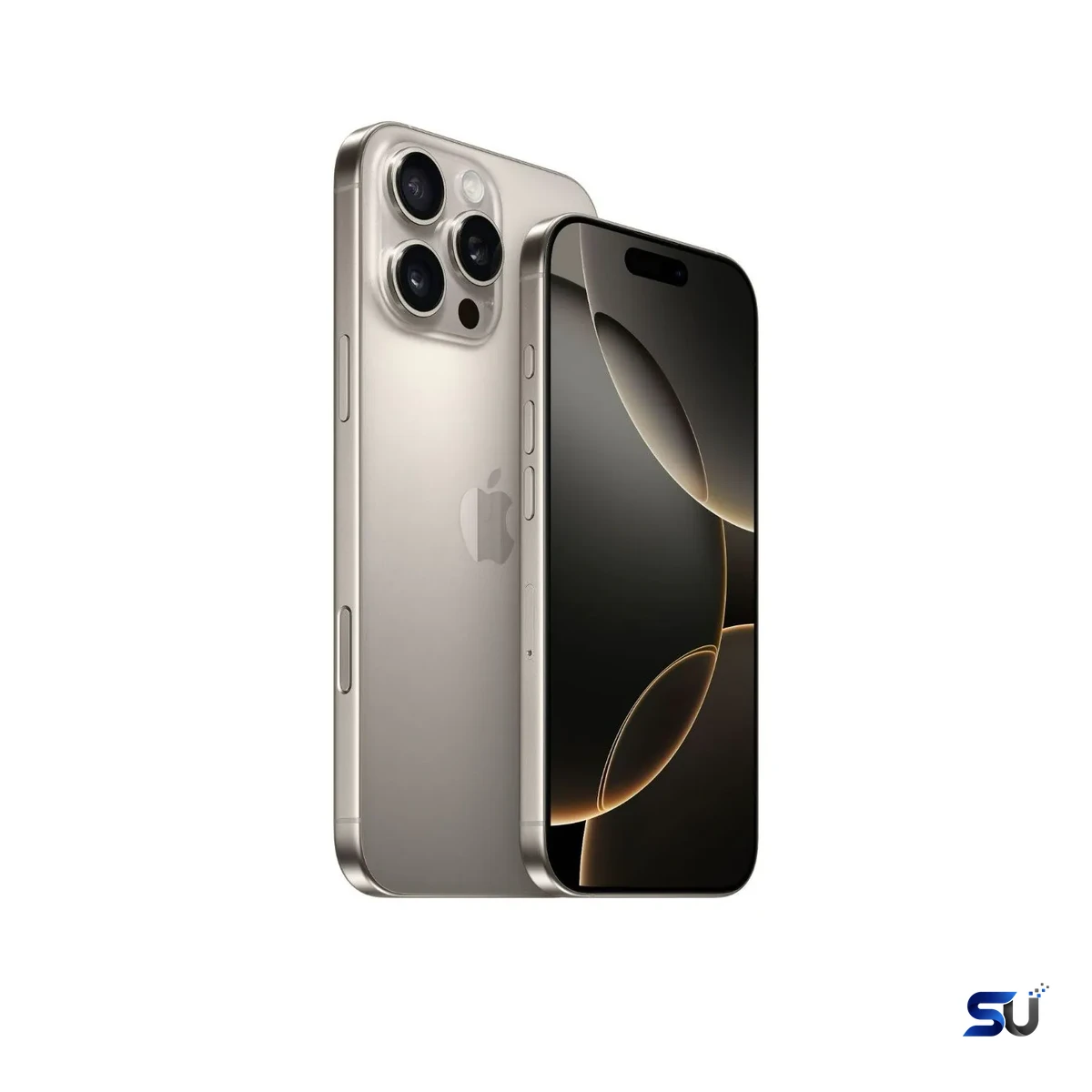
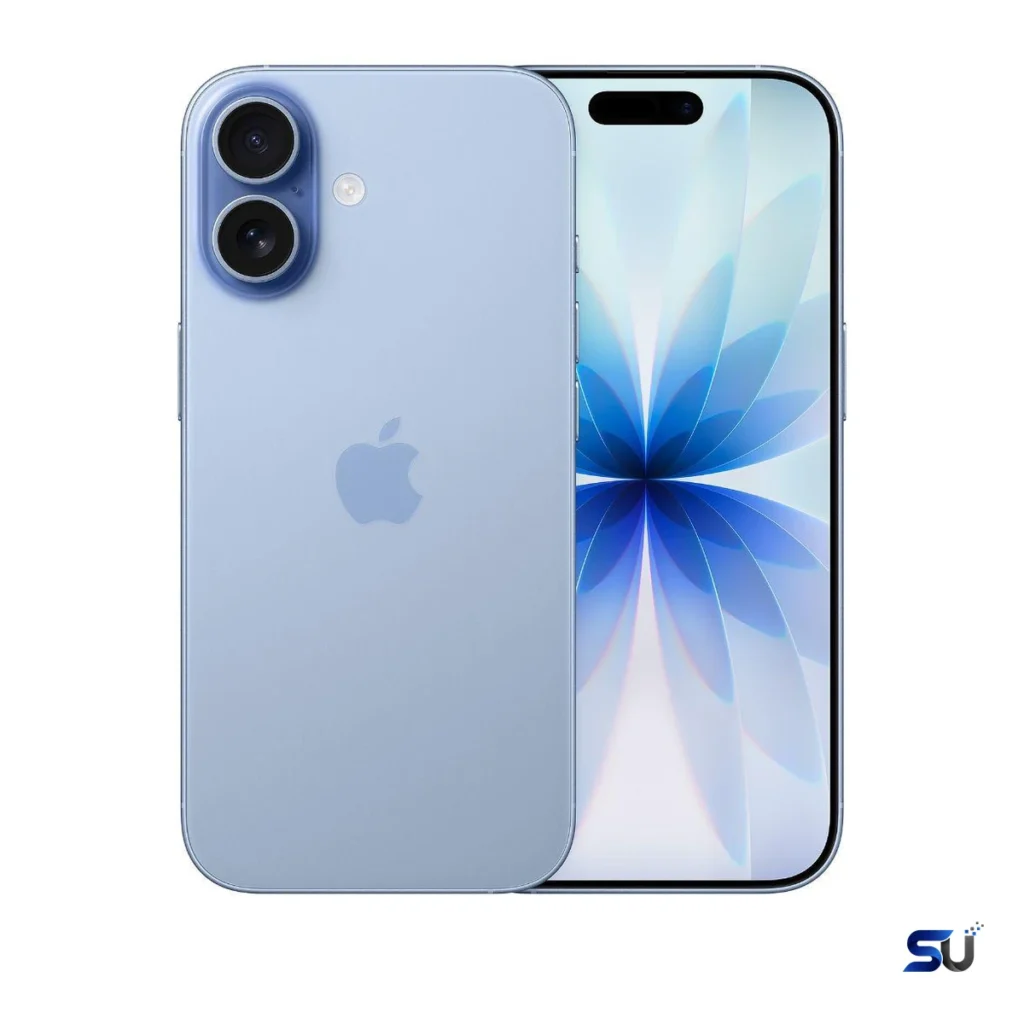
Apple keeps the familiar flat-edge look, but the details are new. The frame is aluminum and the back is glass, while the front uses Ceramic Shield 2, which Apple says resists scratches three times better than the previous generation. It measures 149.6 x 71.5 x 7.95 mm and weighs 177 grams. So the Apple iPhone 17 8GB is actually lighter than the iPhone 16 it replaces. That's impressive with a bigger screen, and it matters when you hold a phone for hours every day.
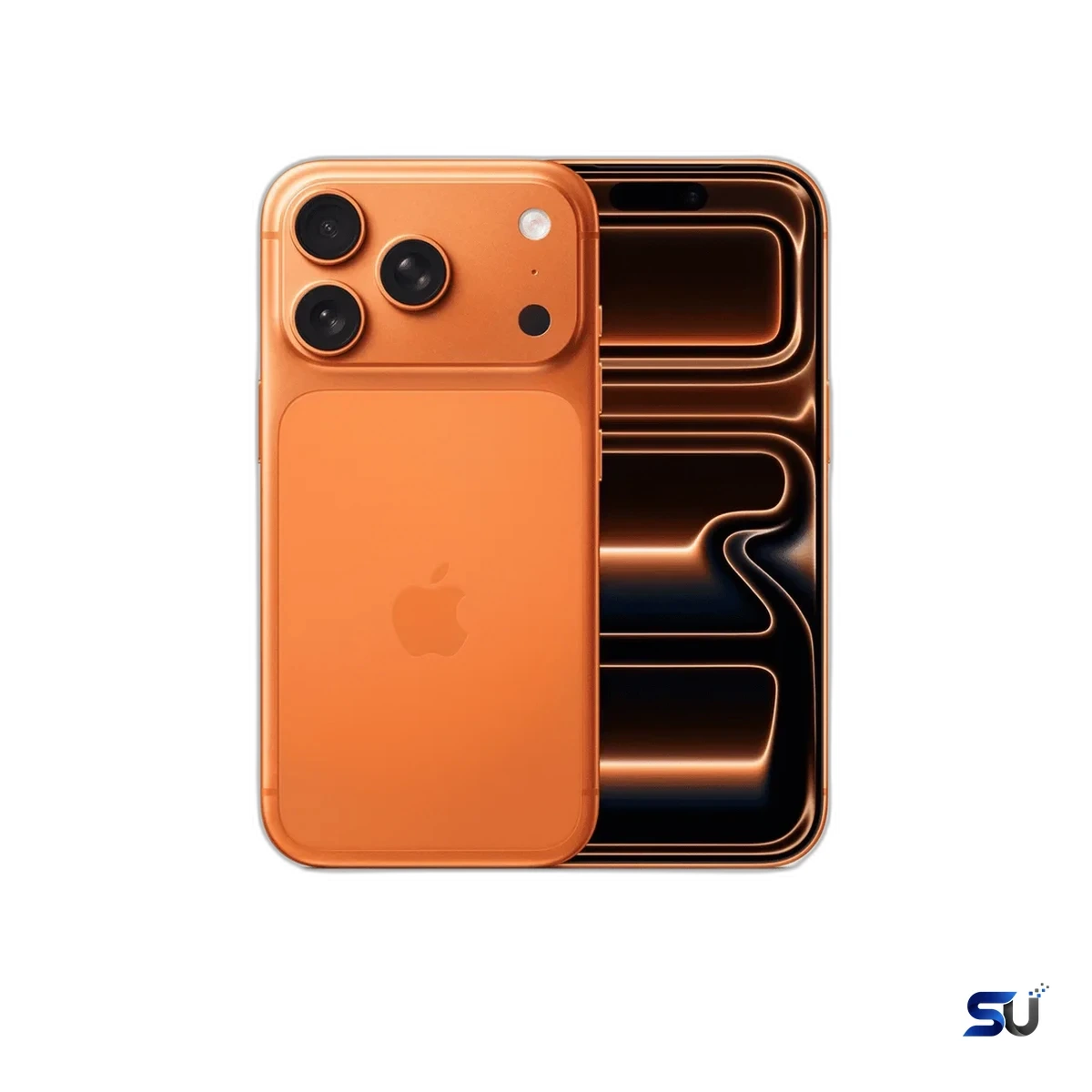
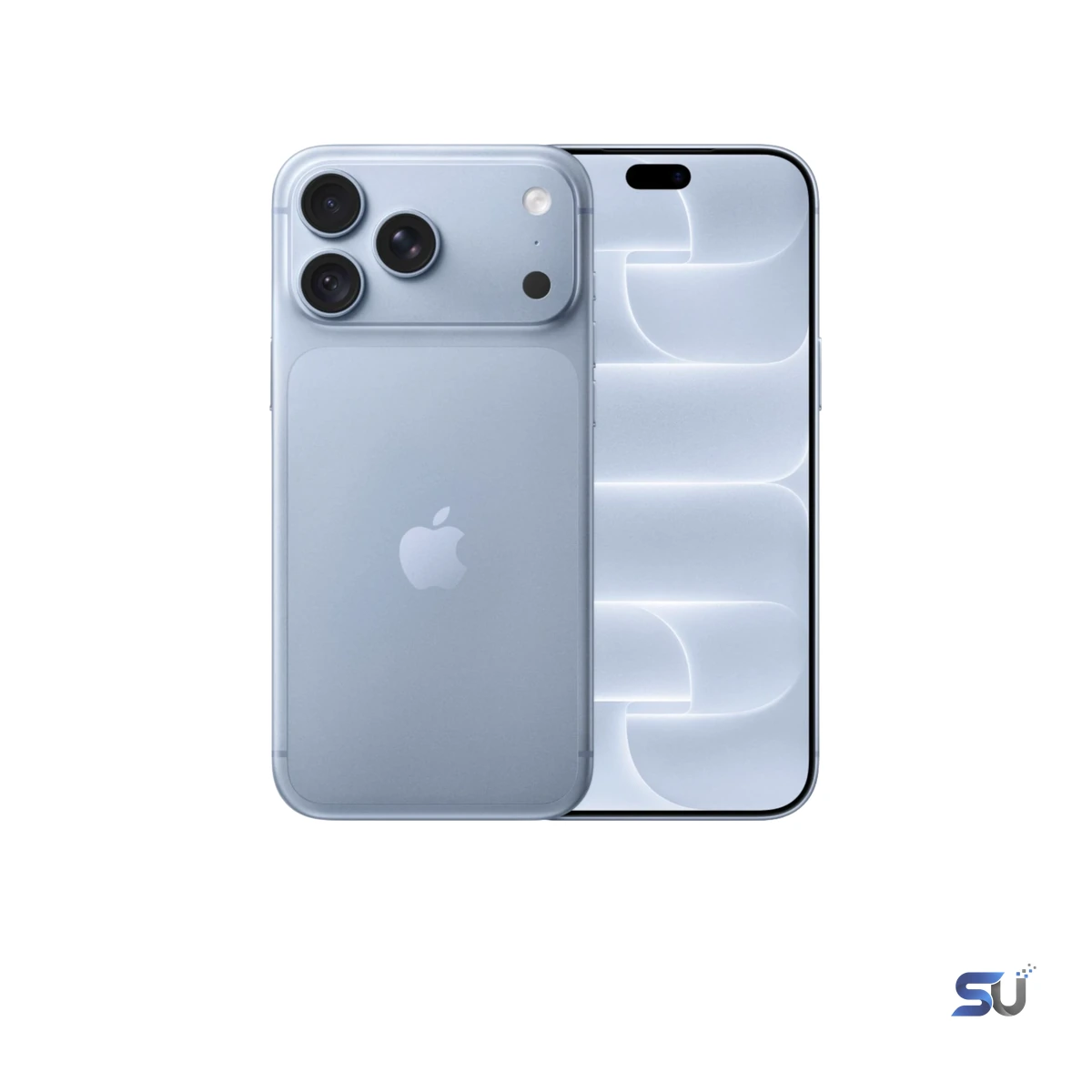
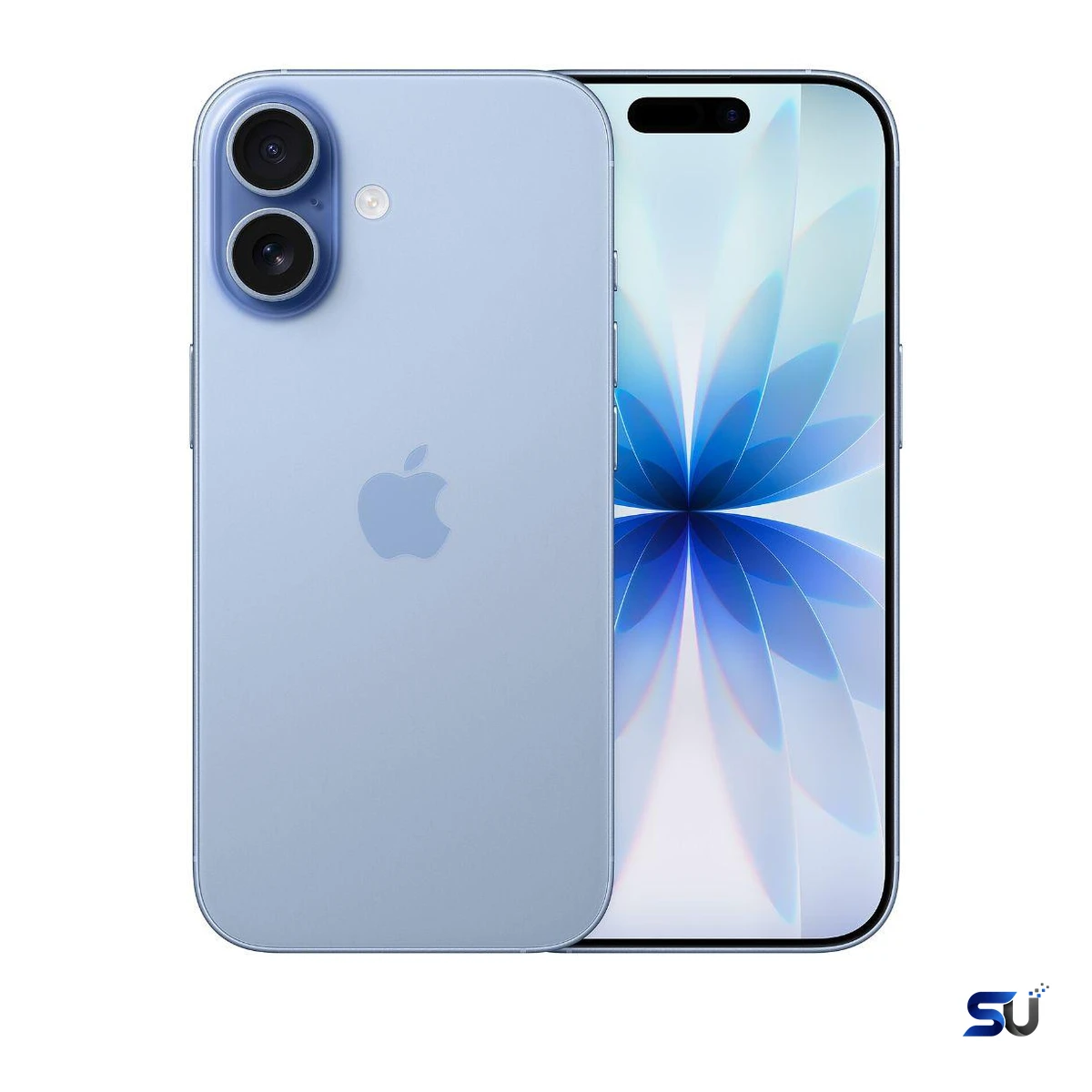
It comes in five finishes: Lavender, Sage, Mist Blue, White, and Black. The Lavender and Sage shades are new this year, and they look softer in person than they do in photos. If you prefer something safe, Black and White are exactly what you'd expect. Because the Apple iPhone 17 8GB carries an IP68 rating, it survives 30 minutes under 6 meters of water, plus dust and splashes.
Returning favorites include the Action button and Camera Control. It's a pressure-sensitive strip that opens the camera with a click and adjusts zoom or exposure with a slide. Meanwhile, the USB-C port sits at the bottom, and US models skip the physical SIM tray entirely in favor of dual eSIM. Buttons feel crisp, the fit and finish are typical Apple, and there's no camera bump drama beyond the familiar pill-shaped module.
Apple iPhone 17 8GB Display
The biggest upgrade on paper is a 6.3-inch LTPO Super Retina XDR OLED, and you notice it immediately. Resolution is 2622 x 1206 (460 ppi). ProMotion finally brings adaptive refresh up to 120Hz to the standard model. As a result, scrolling and animations look noticeably smoother than on any 60Hz iPhone. It's also an always-on display now, so the time and widgets stay visible when the phone is locked.
Brightness is where the Apple iPhone 17 8GB really pulls ahead. It hits 1,000 nits in typical use, 1,600 nits peak for HDR content, and up to 3,000 nits outdoors in direct sunlight. Reading outside is no longer a squint-fest. Apple also added a 1-nit minimum brightness, which makes the screen easy on the eyes in a dark bedroom. You get HDR10, Dolby Vision, HLG, True Tone, and wide color (P3). The Dynamic Island up top houses the TrueDepth camera.
Because it's an LTPO panel, the refresh rate drops when nothing is moving, which saves battery. The 120Hz mode also makes the Apple iPhone 17 8GB feel snappier. Touches register faster, and games that support high frame rates look cleaner. Ceramic Shield 2 covers the glass, with three times better scratch resistance than before, according to Apple.
Performance: A19 Chip and 8GB of RAM
Power comes from the A19 chip, built on a second-generation 3nm process. It has a 6-core CPU with two performance cores and four efficiency cores. There's also a 5-core GPU with hardware-accelerated ray tracing, plus a 16-core Neural Engine. Apple pairs it with 8GB of RAM — the same memory setup as the Pro models. In plain terms, everything feels instant on the Apple iPhone 17 8GB. Apps open without hesitation. The camera processes 48MP shots in the background, and games run at high frame rates with console-style lighting effects.
Eight gigabytes of RAM matters more than the number suggests. It keeps more apps alive in the background, so switching back to a game or a maps session doesn't force a reload. It also gives Apple Intelligence features room to breathe, since on-device AI models live in memory. Storage starts at 256GB — double the old base — with a 512GB option if you shoot a lot of video. However, there is no microSD slot, so pick your size carefully when you buy.
Heat is handled well too. The A19 is efficient enough that the phone doesn't get uncomfortably warm during long video calls or navigation sessions. And the chip is overpowered for today's apps. So the Apple iPhone 17 8GB should still feel fast three or four years from now, when iOS updates get heavier.
Cameras
Around back, the Apple iPhone 17 8GB carries a dual 48MP Fusion setup. The 48MP Fusion Main camera has sensor-shift optical stabilization. The 48MP Fusion Ultra Wide doubles as a macro camera. You get 0.5x, 1x, and a 2x telephoto-quality zoom that crops into the main sensor. There's no separate zoom lens, but the 2x crops look clean because the sensor has resolution to spare. Night mode works on both rear cameras, and the main camera handles Night mode portraits.
Video is a strong suit. You can shoot 4K Dolby Vision at up to 60 fps. Cinematic mode hits 4K at 30 fps. Action mode reaches 2.8K at 60 fps for shaky footage. Slow motion runs at 240 fps in 1080p. New this year is Dual Capture, which records with the front and rear cameras at the same time. That's handy for reaction videos, or for filming your kids while keeping yourself in the shot. Audio Mix lets you reshape the sound after recording, and wind noise reduction keeps outdoor clips usable.
Selfies and video calls get a big step up: an all-new 18MP Center Stage camera with a square sensor. You can tap to zoom out or rotate the phone, and the camera reframes automatically. So group selfies fit more people, and video calls keep you centered as you move around the room. Both front and rear cameras support Photonic Engine, Deep Fusion, and Smart HDR 5. The latest Photographic Styles now offer more nuanced skin-tone control.
For most people, this camera system removes the main reason to buy a Pro. You lose the 5x telephoto and a few pro video codecs. Still, the wide and ultrawide — the lenses people actually use — are genuinely excellent on the Apple iPhone 17 8GB.
Apple iPhone 17 8GB Battery and Charging
Apple claims up to 30 hours of video playback and 27 hours of streamed video. That's the best battery life it has ever put in a standard iPhone. In real terms, most people will end the day with charge to spare, even with the 120Hz always-on display running. Heavy days with lots of camera use and 5G will drain it faster, but a quick top-up fixes that.
Charging is faster this year. The Apple iPhone 17 8GB reaches 50% in about 20 minutes with a 40W (or higher) USB-C adapter, which Apple sells separately. Wireless charging improved too. MagSafe now goes up to 25W with a 30W adapter, hitting 50% in about 30 minutes. The phone also works with Qi2 and standard Qi chargers. There is no reverse wireless charging, so you can't top up your AirPods from the back of the phone. As usual, Apple doesn't publish the battery's mAh rating.
Battery health features carry over as well. You can cap charging at 80% to slow long-term wear, and iOS 26 shows detailed battery stats per app. If you keep phones for years, these small settings add up.
Connectivity
US models of the Apple iPhone 17 8GB connect over 5G — both sub-6 GHz and mmWave — with 4x4 MIMO, plus Gigabit LTE as a fallback. Wi-Fi 7 is on board for faster home networking. Bluetooth 6 handles audio and accessories. There's also Thread for smart-home gear, plus a second-generation Ultra Wideband chip for precise item finding. Dual-frequency GPS covers GPS, GLONASS, Galileo, QZSS, BeiDou, and NavIC, which keeps navigation accurate between tall buildings.
Charging and data run through USB-C, though data speeds stay at USB 2 rates. That's fine for charging and CarPlay, but moving big 4K video files to a computer will feel slow. US models are dual eSIM only — there's no physical SIM tray — so switching carriers means scanning a QR code or using carrier activation. NFC is included for Apple Pay, and Face ID handles unlocking, App Store purchases, and banking apps.
Software: iOS 26
Out of the box, the Apple iPhone 17 8GB ships with iOS 26. It's the big Liquid Glass redesign, with translucent menus, rounded controls, and a restyleable lock screen. Apple Intelligence features run on the A19's 16-core Neural Engine. You get writing tools that rewrite or summarize text. There are notification summaries, Genmoji, and Image Playground. Siri is smarter too, and understands context better than before. Visual Intelligence lets you point the camera at a poster, a plant, or a product and get useful info instantly.
Because it's an iPhone, software support is a non-issue. Apple doesn't promise a fixed number of years. Still, iPhones routinely receive major iOS updates for five to six years, with security patches often going longer. Day-one updates, fast security fixes, and a huge app library are the quiet reasons many people stay with iOS. And since the Apple iPhone 17 8GB starts on iOS 26 with 8GB of RAM, it's well placed to receive every update Apple ships for years.
Colors and Pricing
You can pick the Apple iPhone 17 8GB in Lavender, Sage, Mist Blue, White, or Black, with 256GB or 512GB of storage. US pricing starts at $899 for the 256GB model, and the 512GB version costs $1,099. Apple released the iPhone 17 in September 2025, alongside the iPhone 17 Pro, iPhone 17 Pro Max, and iPhone Air.
One thing missing from the box: a charger. Apple includes a USB-C cable, but the wall adapter is sold separately. If you already own a USB-C charger from the last few years, you're covered. Cases and MagSafe accessories from the iPhone 16 won't fit. The dimensions changed slightly, so budget for a new case too.
Apple iPhone 17 8GB: Who It's For
This is the default iPhone, and that's a compliment. It suits people who want a fast phone with a great screen and strong cameras, without paying Pro prices or carrying Pro weight. Students, commuters, parents, and anyone upgrading from an older iPhone will feel at home immediately.
Pros:
- 120Hz ProMotion always-on display finally arrives on the standard model
- A19 chip with 8GB of RAM keeps pace with Pro phones for everyday tasks
- Dual 48MP cameras with 4K Dolby Vision video and an 18MP Center Stage front camera
- Best battery life Apple has put in a regular iPhone
- 256GB base storage, iOS 26, and years of software updates ahead
Cons:
- No dedicated telephoto lens — optical-quality zoom tops out at 2x
- USB-C data transfer speeds stay at USB 2
- US models are eSIM-only, with no physical SIM tray
- 512GB is the largest storage option
- Wall charger sold separately
Apple iPhone 17 8GB FAQs
How much RAM does the Apple iPhone 17 8GB have?
It has 8GB of RAM, paired with the Apple A19 chip. That's the same amount of memory as the iPhone 17 Pro models. It's enough to keep background apps alive and to run Apple Intelligence features smoothly.
When was the Apple iPhone 17 8GB released?
Apple released the iPhone 17 in September 2025. It launched alongside the iPhone 17 Pro, iPhone 17 Pro Max, and the new iPhone Air.
Does the Apple iPhone 17 8GB have a 120Hz display?
Yes. The 6.3-inch LTPO OLED runs at up to 120Hz with ProMotion, and it's an always-on display. This is the first standard iPhone to get both features — they used to be Pro-only.
Is the Apple iPhone 17 8GB waterproof?
It's rated IP68, so it survives 30 minutes under 6 meters of water, plus dust and splashes. That covers rain, spills, and an accidental drop in the pool. Still, Apple doesn't cover water damage under warranty, so don't push your luck.
Does the Apple iPhone 17 8GB have a SIM card slot?
US models do not — they're dual eSIM only. You activate service with a QR code or carrier activation. Models sold in some other regions may differ, so check your local version before you buy.
How fast does the Apple iPhone 17 8GB charge?
It reaches 50% in about 20 minutes with a 40W or higher USB-C adapter, which is sold separately. MagSafe wireless charging goes up to 25W with a 30W adapter, reaching 50% in about 30 minutes.
What colors does the Apple iPhone 17 8GB come in?
Five: Lavender, Sage, Mist Blue, White, and Black. Lavender and Sage are the new shades for 2025, while Black and White are the safe classics.