
Super Retina XDR OLED; ProMotion; always-on
12GB LPDDR5X (iFixit teardown; Apple does not state RAM)
256GB
48MP Fusion Main, variable aperture f/1.48, f/1.8, f/2.8, f/4.0; 48MP Fusion Ultra Wide f/2.2; 48MP Fusion Telephoto 4x f/2.8
Apple A20 Pro
4,288 mAh (US eSIM model; iFixit teardown)
6.3 inches
Super Retina XDR OLED; ProMotion; always-on
2622 × 1206 pixels (460 ppi)
Up to 120
1000 typical; 1600 HDR peak; 3000 outdoor peak
HDR display; Dolby Vision playback
Ceramic Shield 2 front; anti-reflective coating
48MP Fusion Main, variable aperture f/1.48, f/1.8, f/2.8, f/4.0; 48MP Fusion Ultra Wide f/2.2; 48MP Fusion Telephoto 4x f/2.8
18MP Center Stage, f/1.9, autofocus
4x optical telephoto; 8x optical-quality crop; up to 40x digital
Up to 4K Dolby Vision 120 fps on Fusion Main; ProRes up to 4K 120 fps with external recording; ProRes RAW and Apple Log 2
Yes, front and rear cameras
Second-generation sensor-shift OIS on Main; 3D sensor-shift OIS on Telephoto
Apple A20 Pro
6-core CPU: 2 super cores + 4 efficiency cores
7-core GPU with Neural Accelerators; hardware-accelerated ray tracing
12GB LPDDR5X (iFixit teardown; Apple does not state RAM)
256GB
No microSD; USB-C external recording supported
150.0 × 71.9 × 8.75 mm
211 g
Aluminum unibody; Ceramic Shield 2 front; Ceramic Shield back
IP68, up to 6 m for 30 minutes under IEC 60529
Black, Silver, Glacier, Burgundy
4,288 mAh (US eSIM model; iFixit teardown)
Apple: up to 50% in around 15 minutes with 60W-capable USB-C adapter (sold separately)
Apple: up to 36 hours video playback; up to 33 hours streamed video
5G sub-6 GHz and mmWave; Gigabit LTE (US model)
Dual eSIM; two active eSIMs, eight or more stored; no physical SIM for US model
Bluetooth 6
Wi-Fi 7 (802.11be), 2×2 MIMO; Thread
Precision dual-frequency GPS; GLONASS, Galileo, QZSS, BeiDou, NavIC
Yes, NFC with reader mode; Apple Pay
USB-C with USB 3 up to 10Gb/s and DisplayPort
US eSIM-only model; confirm carrier eSIM activation and international roaming before purchase
iOS 27
iOS 27 with Apple Intelligence and Siri AI
Apple does not state a fixed end date for iOS updates; check current support information
211 g
8.75 mm
Aluminum unibody; Ceramic Shield 2 front; Ceramic Shield back
None; Face ID via TrueDepth
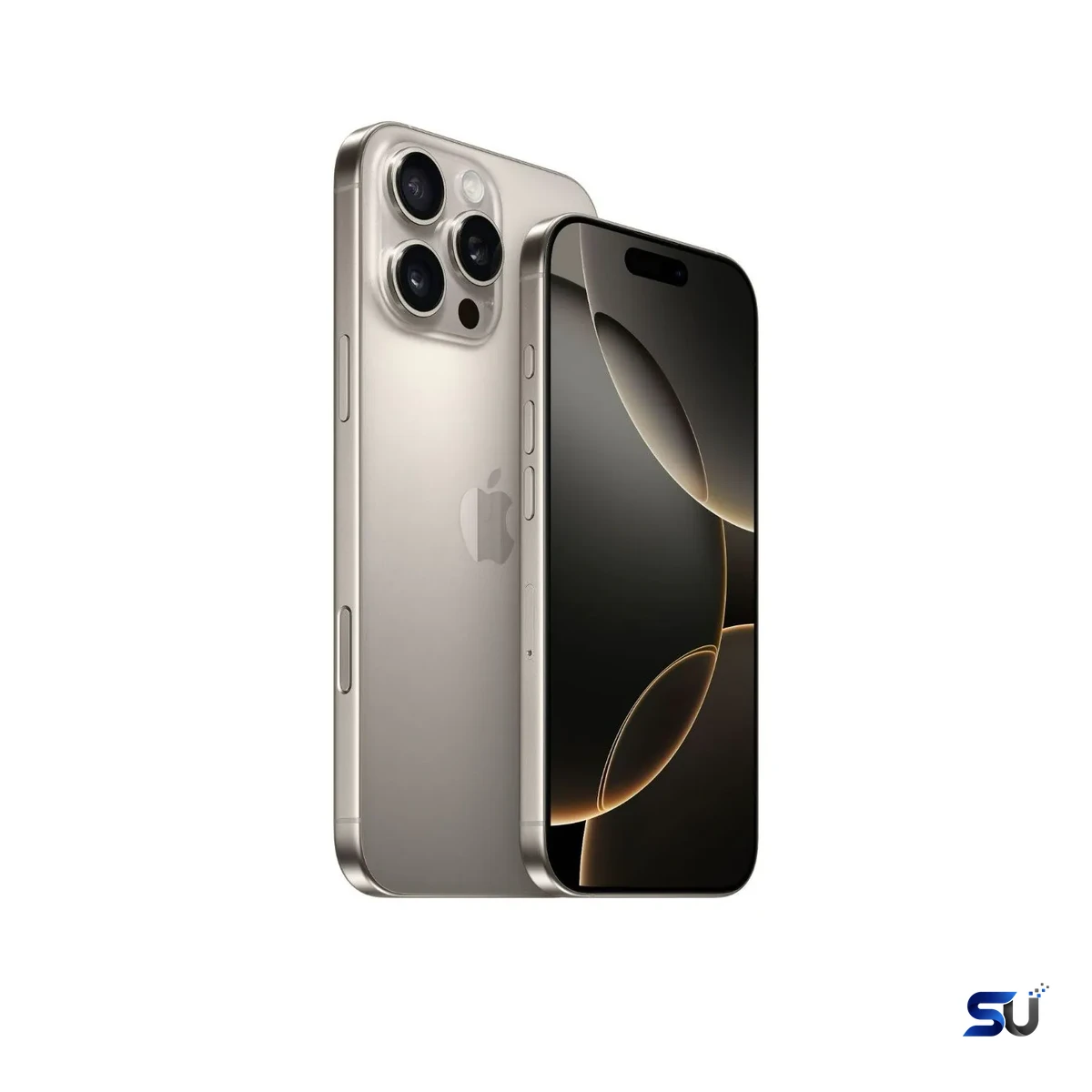
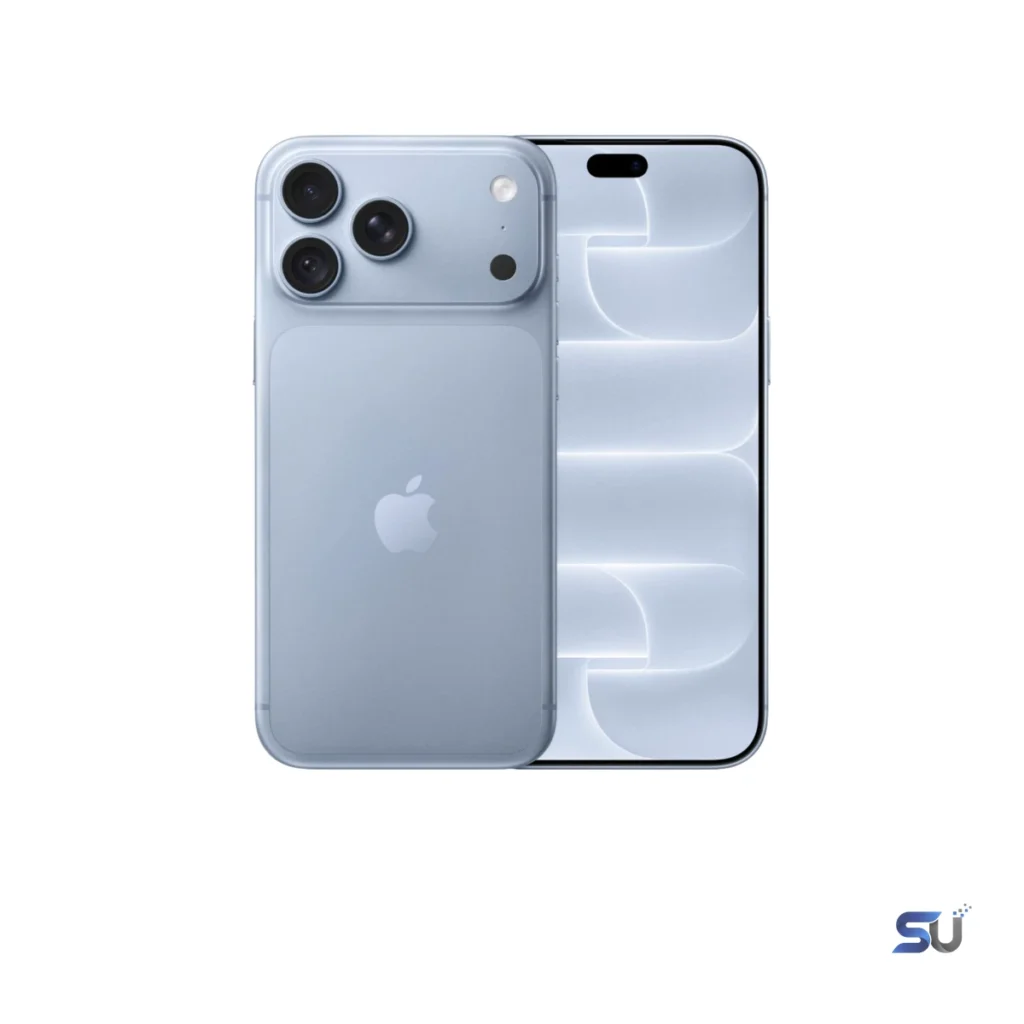
The Apple iPhone 18 Pro 12GB 256GB is the smaller of Apple's two Pro phones for 2026. It combines a 6.3-inch display, the A20 Pro chip, a three-camera rear system and 256GB of built-in storage. This page describes the United States configuration, which uses eSIM rather than a physical SIM tray. The distinction matters because regional hardware can differ. The Pro Max is a separate, larger phone with different dimensions and battery capacity.
The Apple iPhone 18 Pro 12GB 256GB is the smaller of Apple's two Pro phones for 2026. It combines a 6.3-inch display, the A20 Pro chip, a three-camera rear system and 256GB of built-in storage. This page describes the United States configuration, which uses eSIM rather than a physical SIM tray. The distinction matters because regional hardware can differ. The Pro Max is a separate, larger phone with different dimensions and battery capacity.
At 256GB, this is the starting capacity for this particular listing. It provides space for apps, photos and everyday video, while demanding 4K workflows may need careful storage planning or an external drive. Apple announced the series in September 2026 and listed September 18 as the availability date. Prices change with promotions, carrier terms, taxes and regional offers change. Check the current seller price and the exact storage and SIM configuration when comparing offers.
For a quick orientation, the main specifications are a 2622 × 1206 Super Retina XDR OLED screen, an A20 Pro with a six-core CPU and seven-core GPU, three 48MP rear cameras, an 18MP Center Stage front camera and USB-C with USB 3 speeds. Apple rates video playback at up to 36 hours. The 12GB memory figure comes from independent teardown information because Apple does not state a RAM amount on its public specifications page.
For example, the 6.3-inch Super Retina XDR display has 460 pixels per inch at 2622 × 1206 pixels. Fine type, interface details and high-resolution photos therefore have ample pixel density at ordinary viewing distances. Apple's ProMotion technology adjusts refresh rate up to 120Hz, which supports smooth scrolling and animations. The always-on display can show glanceable information without lighting the entire screen as it would during regular use. These features make the screen useful for reading, navigation, messaging and editing photos as well as entertainment.
Apple quotes 1000 nits typical brightness, a 1600-nit peak for HDR content and up to 3000 nits outdoors. Those figures describe different measurement conditions, so no single value represents constant brightness. HDR support and Dolby Vision playback help compatible video preserve bright highlights and darker detail. However, actual visibility still depends on ambient light, content, screen settings and reflections. Ceramic Shield 2 protects the front, while an anti-reflective coating aims to reduce glare. Therefore, a case or screen protector remains a personal choice, especially if the phone will share a pocket or bag with hard objects.
Compared with the Pro Max, this model's 6.3-inch panel keeps the phone narrower and easier to accommodate in a pocket. It also provides less display area for split tasks, timelines or large text than the larger model. That tradeoff is worth considering if a phone is a primary video screen or document reader. The Apple iPhone 18 Pro 12GB 256GB is the appropriate choice in this lineup when the smaller physical size matters more than the largest available screen.
The A20 Pro has a six-core CPU made up of two super cores and four efficiency cores. Its seven-core GPU includes Neural Accelerators and supports hardware-accelerated ray tracing. That combination provides the hardware for responsive system tasks, demanding graphics and on-device features that use machine learning. For instance, performance in a specific game or editing app still depends on software support, graphics settings, sustained heat and the workload. The chip name alone cannot establish a universal frames-per-second figure.
This listing specifies 12GB LPDDR5X RAM. That amount is drawn from iFixit's device information rather than an Apple-published RAM specification. It is useful context for multitasking and large apps, but memory capacity by itself does not predict how long an application stays open or how quickly a task completes. The iOS memory manager, the app and storage activity also influence the result. Likewise, synthetic benchmarks can be helpful for comparing similar test conditions, but a score from a phone with unverified storage capacity does not represent this exact 256GB variant.
A microSD card cannot expand the built-in 256GB. People who shoot ProRes or keep a substantial offline library should estimate the space used by existing photos, videos and apps before choosing this capacity. USB-C supports external recording in compatible workflows, and cloud storage can help with backups or synchronization. Neither should be mistaken for expandable internal storage: external gear requires a connection and compatible software, and cloud access depends on a service and network.
Three rear 48MP cameras cover wide, ultra-wide and telephoto perspectives. The 48MP Fusion Main camera has a variable aperture with f/1.48, f/1.8, f/2.8 and f/4.0 settings. Aperture changes affect how much light reaches the sensor and how the camera renders a scene, although computational processing and exposure settings also shape the final image. The variable settings provide more flexibility than one fixed opening when lighting or the desired depth of field changes. For a fair comparison, examine representative samples from the scenes that matter to you.
In addition, the 48MP Fusion Ultra Wide uses an f/2.2 aperture for broad scenes and close-range compositions. The 48MP Fusion Telephoto has an f/2.8 aperture and a 4x optical perspective. Additionally, Apple lists an 8x optical-quality crop and up to 40x digital zoom. Optical, crop and digital magnification describe different ways of framing a distant subject; the upper digital figure is a reach limit, not a promise of the same image quality as the 4x optical lens. For example, a steady hand, sufficient light and subject movement all affect long-range results.
Second-generation sensor-shift optical image stabilization on the Main camera and 3D sensor-shift stabilization on the Telephoto address camera movement. Night mode is available on front and rear cameras. In addition, the camera system can help with low-light scenes, portraits, landscapes and action, but the right mode and lens depend on subject distance and light. The Apple iPhone 18 Pro 12GB 256GB offers the same broad set of focal-length choices that defines this Pro generation in a smaller body than the Pro Max.
The 18MP Center Stage front camera has an f/1.9 aperture and autofocus. Center Stage can help keep people framed in supported uses, including calls and group shots. Autofocus matters when the subject distance changes, although lighting and the app still influence a selfie or video call. Face ID uses the TrueDepth system for biometric unlocking; there is no fingerprint sensor. Users who prefer a fingerprint reader should account for that before purchase.
The Fusion Main camera supports Dolby Vision video at up to 4K and 120 frames per second. Apple also lists ProRes recording up to 4K at 120 fps when recording externally, alongside ProRes RAW and Apple Log 2. These options give experienced creators more control over capture and post-production. They may also increase file sizes, power use and editing requirements. Check the supported codec, recording destination, cable and app for a planned workflow rather than assuming that every format or frame rate works in every combination.
For routine clips, however, the phone can record without the extra complexity of an external setup. Stabilization and the choice of lenses give flexibility for handheld footage and changes in framing. Therefore, a content creator choosing between 256GB and a larger capacity should think about how frequently they will offload footage, particularly for high-bit-rate formats. USB 3 on the USB-C port is relevant here because it supports transfer rates up to 10Gb/s with suitable accessories, though actual transfer speed varies with the drive, cable and files.
For the Apple iPhone 18 Pro 12GB 256GB, Apple rates up to 36 hours of video playback and up to 33 hours of streamed video. These controlled-use figures do not guarantee of the same result under navigation, gaming, cellular data and camera use. Screen brightness, signal strength, app activity, temperature and battery age can all change the time between charges. An iFixit teardown identified the US eSIM model's battery as 16.76Wh, or 4,288mAh. Keep this regional figure separate from the Pro Max battery and versions with a physical SIM tray.
With a 60W-capable USB-C adapter, Apple says the phone can reach up to 50% charge in around 15 minutes. The adapter is sold separately. MagSafe and Qi2 wireless charging support up to 25W; Apple also quotes up to 50% in 30 minutes with its MagSafe Charger and a 35W adapter. These are claims under specified setups and starting conditions. Real charging can slow as the battery fills or as temperature rises, and the chosen charger and cable matter. For example, USB-C can power certain connected accessories, but Apple does not advertise reverse wireless charging for this model.
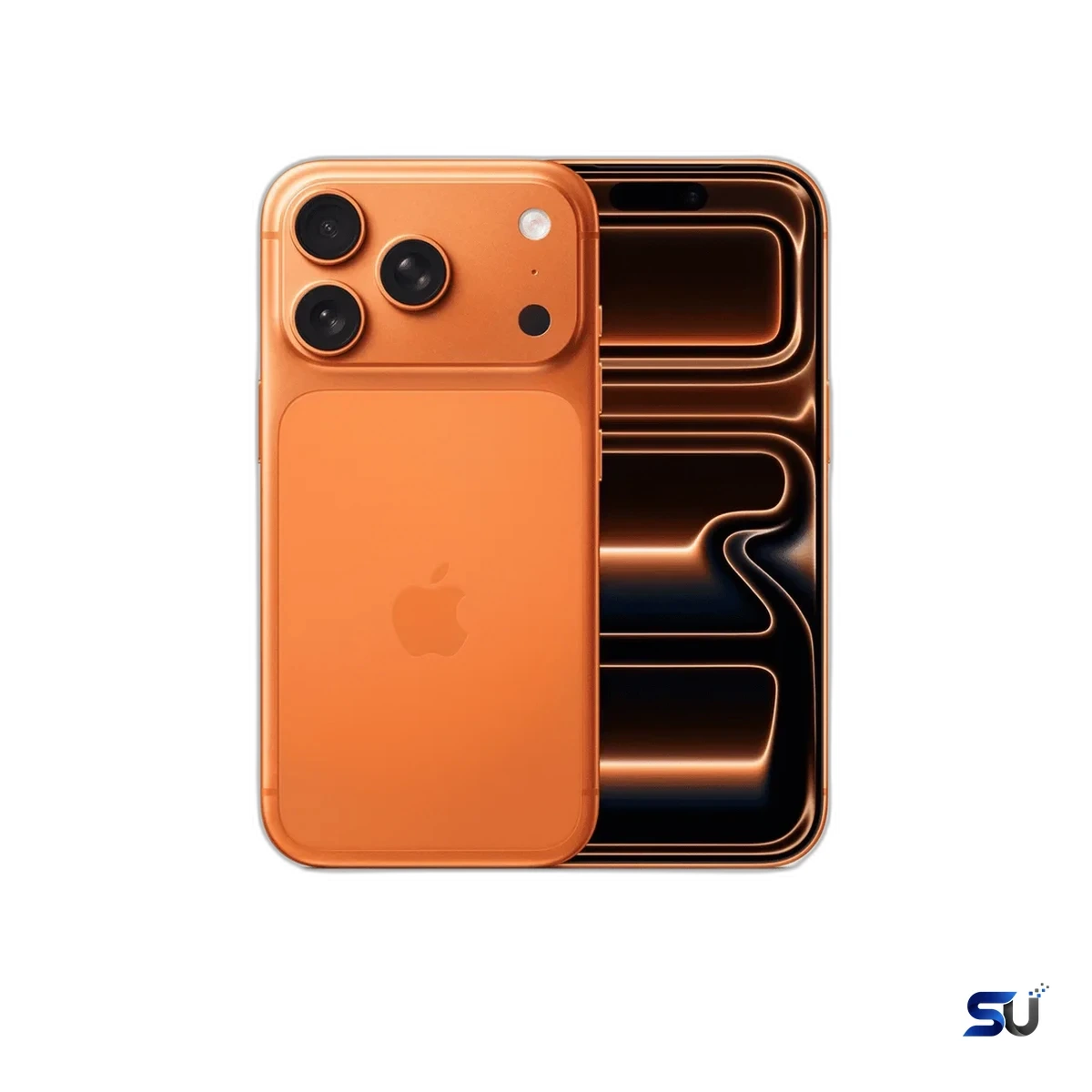
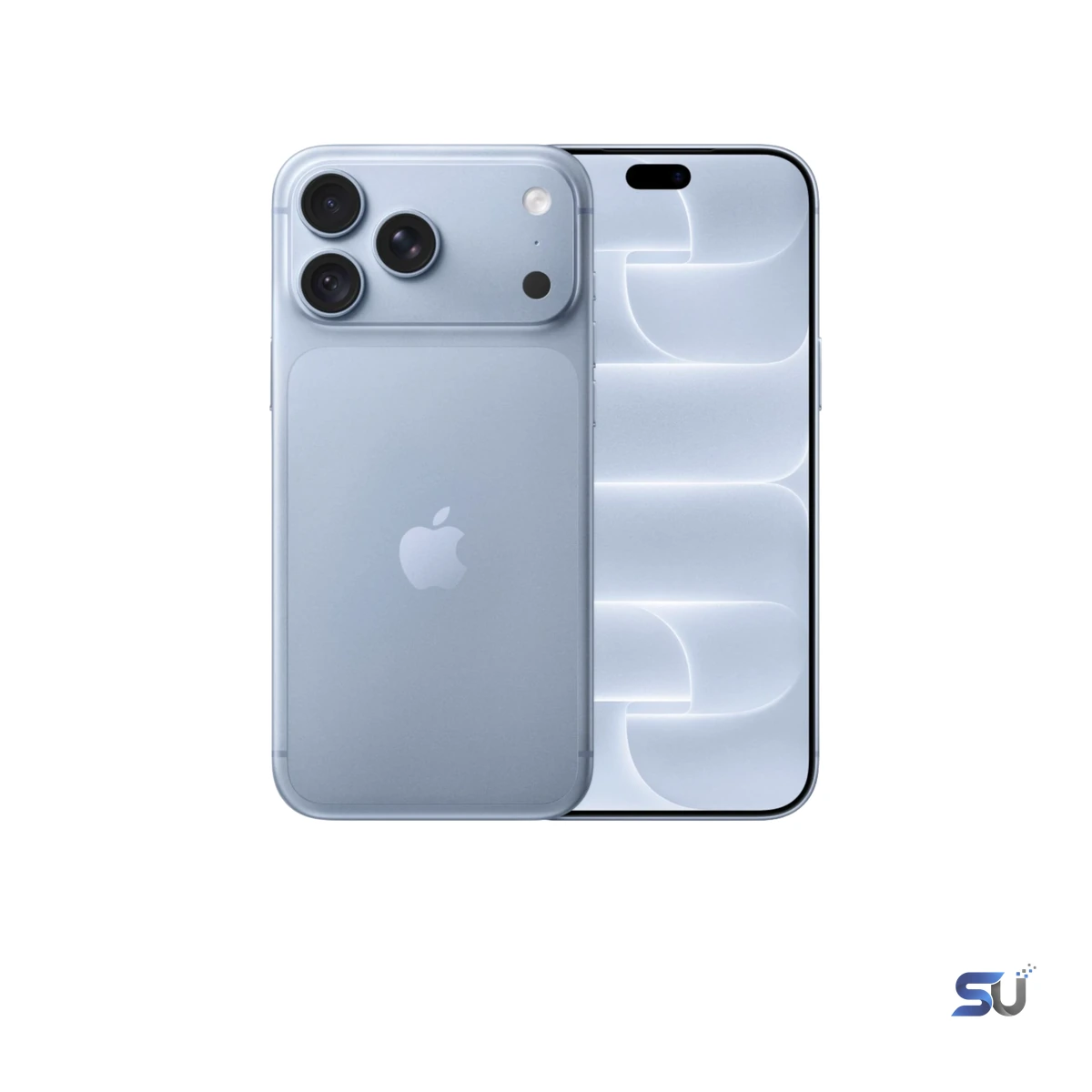
The iPhone 18 Pro measures 150.0 × 71.9 × 8.75 mm and weighs 211g. Its aluminum unibody, Ceramic Shield 2 front and Ceramic Shield back are the principal materials. Apple offers Black, Silver, Glacier and Burgundy finishes. The dimensions distinguish it from the Pro Max. Check this model when comparing cases, mounts, weight or a listing's product image. Even small differences in button or camera placement matter for accessories.
Apple lists IP68 resistance under IEC 60529, with testing to a maximum depth of six meters for up to 30 minutes. That laboratory rating describes resistance to water and dust under specified conditions. It is not a reason to treat the phone as waterproof in every setting, and normal wear can affect seals over time. The materials and protective glass contribute to durability, but they do not eliminate the possibility of damage from a drop or abrasion. This page does not assign an unverified drop-test score, scratch grade or vibration-motor specification.
The Apple iPhone 18 Pro 12GB 256GB supports 5G sub-6 GHz and mmWave, plus Gigabit LTE. Nevertheless, network availability and speed depend on carrier coverage, plan, local spectrum and congestion. The phone has two active eSIMs and can store eight or more eSIM profiles. It has no physical SIM slot in this US listing. Travelers and people moving a number from an older phone should confirm that their carriers support eSIM activation and the intended international roaming arrangement before purchase. However, a carrier listing from another region may describe different physical hardware.
Alongside cellular access, Wi-Fi 7 with 2×2 MIMO, Bluetooth 6 and Thread cover local wireless connections. Moreover, the phone includes NFC with reader mode and Apple Pay. Location support includes precision dual-frequency GPS as well as GLONASS, Galileo, QZSS, BeiDou and NavIC. Reception will vary with the environment and the services available. USB-C supports USB 3 transfer up to 10Gb/s and DisplayPort output with compatible equipment. You may need a high-speed data cable, external storage or a compatible display for those capabilities; a connector's shape alone does not establish its supported speed.
The Apple iPhone 18 Pro 12GB 256GB launches with iOS 27, including Apple Intelligence and Siri AI features. Availability of an individual feature can depend on language, region, account settings, software release and device configuration. Apple does not give this model a fixed public end date for iOS updates on the specifications page, so a precise number of promised major upgrades would be speculative. Check Apple's current software support information for the latest available release and any feature-specific requirements.
For buyers who want a compact Pro device, the combination of a 6.3-inch screen, 4x optical telephoto, advanced recording options and fast USB-C transfers is the main appeal. Everyday calls, messages, maps, streaming and apps also fit naturally within the hardware. The Apple iPhone 18 Pro 12GB 256GB is less suitable for someone who needs a physical SIM, expandable internal storage or the largest possible screen and battery in the lineup. Storage needs and carrier compatibility are concrete checks to make before ordering.
No. This US model uses eSIM, supports two active eSIMs and can store eight or more profiles. Confirm eSIM support with the intended carrier, especially when switching from a physical SIM or planning travel.
For clarity, the phone has no microSD slot. Compatible external storage can be useful for certain USB-C recording or transfer workflows, while cloud services can provide remote backup or synchronization. Neither changes the internal 256GB capacity.
This is the smaller 6.3-inch Pro, measuring 150.0 × 71.9 × 8.75 mm and weighing 211g. It has its own battery specification. Verify the exact model name when buying a case, reading battery figures or comparing store listings.
Apple claims up to 50% in around 15 minutes with a 60W-capable USB-C adapter sold separately. MagSafe and Qi2 reach up to 25W, with Apple's stated 50% in 30 minutes requiring its MagSafe Charger and a 35W adapter. Results vary with conditions.
Apple lists ProRes RAW, Apple Log 2 and ProRes up to 4K at 120 fps with external recording. The Fusion Main camera also supports up to 4K Dolby Vision at 120 fps. Confirm format, app and external accessory requirements for a particular project.
Apple's consumer specifications do not state RAM. The 12GB LPDDR5X figure in this listing comes from iFixit device information. Treat it as a separately sourced hardware detail rather than an Apple marketing claim.