Overview
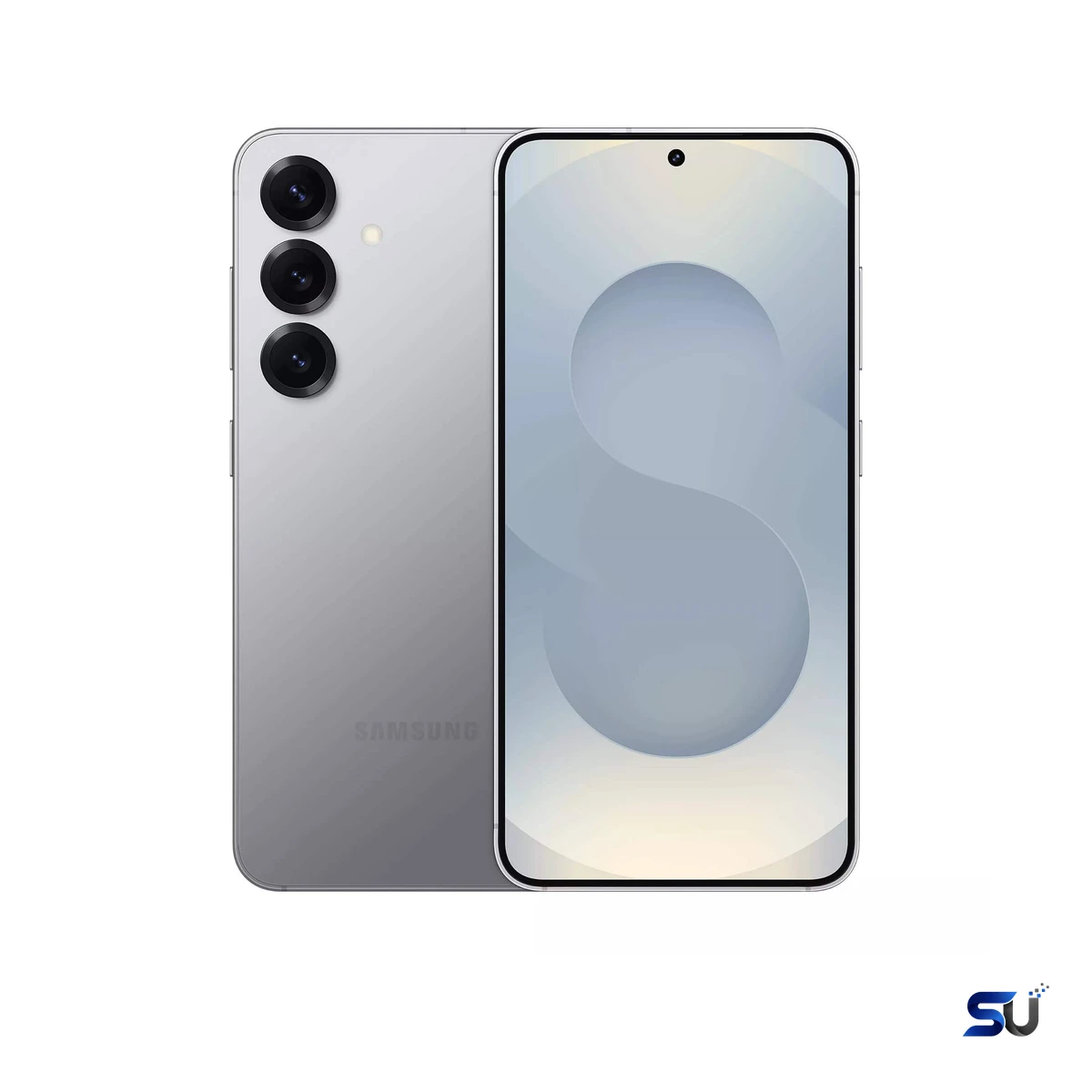
Not everyone needs the Ultra. The Samsung Galaxy S25 12GB distills Samsung's 2025 flagship experience — Snapdragon 8 Elite for Galaxy, Galaxy AI features, and seven years of updates — into a compact 6.2-inch phone that's easy to use one-handed.
It launched in the US on February 7, 2025, next to the S25+ and S25 Ultra. Plus, it runs Android 15 with One UI 7 out of the box. Samsung promises seven generations of OS upgrades and seven years of security updates. So a phone bought today should still get updates in 2032. That's a long time to keep a phone. This one is built to go the distance.
Design and Build Quality
Samsung slimmed the S25 down to 7.2mm and kept the weight at 162g. That makes it one of the lightest true flagships you can buy. The frame, meanwhile, is Armor Aluminum. In addition, Corning Gorilla Glass Victus 2 covers the front and the back. On the other hand, there's no titanium here — Samsung reserved that for the Ultra. In daily use, though, the difference is mostly about bragging rights. The flat frame and flat display make it easy to grip. Overall, everything feels dense and well put together, with no creaks or flex.
A compact flagship that fits
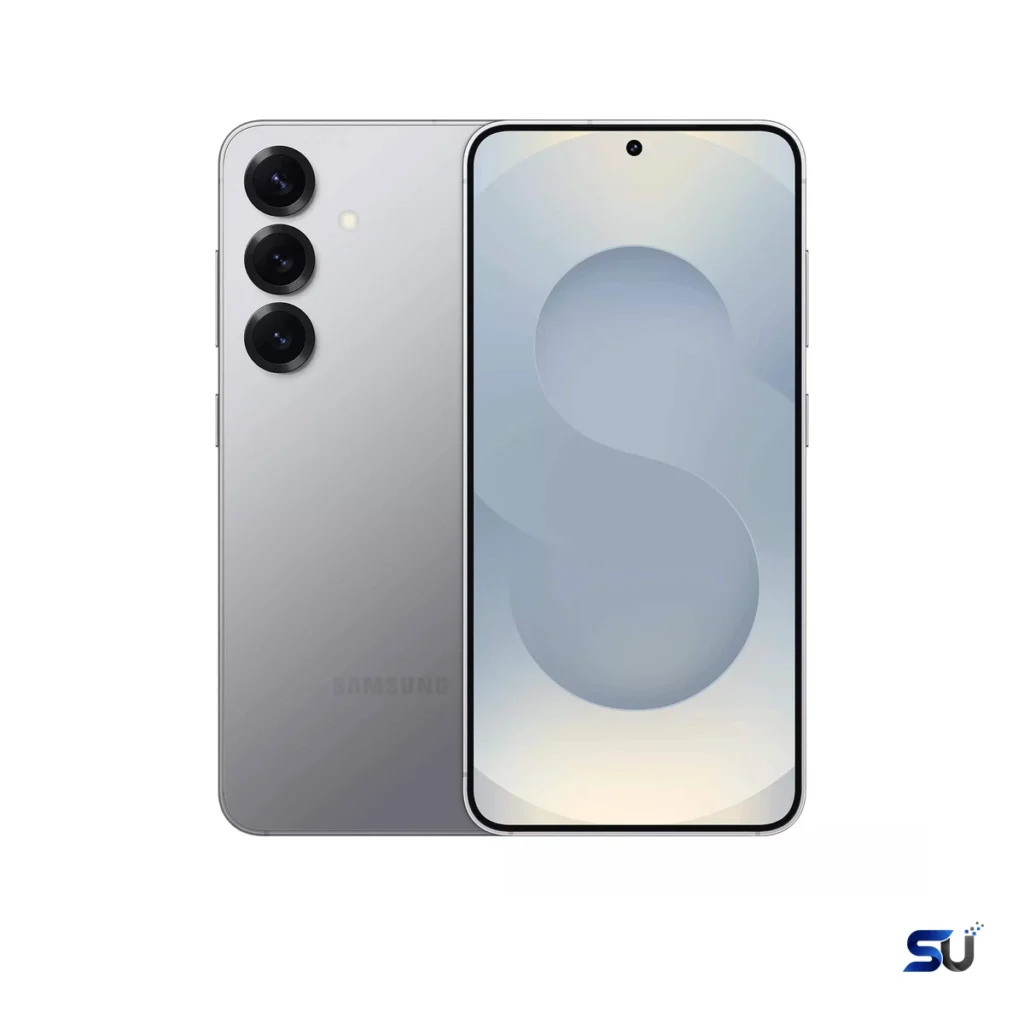
At 146.9 × 70.5mm, the Galaxy S25 is genuinely usable with one hand. Your thumb reaches most of the screen without the awkward hand-shuffle. It also slides into jeans pockets without a fight. Samsung sells it in Icyblue, Navy, Mint, and Silver Shadow. Beyond that, three extra finishes — Blueblack, Coralred, and Pinkgold — are available from Samsung's own site. The colors stay tasteful rather than loud. The matte glass back doesn't collect fingerprints the way glossy phones do.
Materials and durability
IP68 sealing means the phone survives dust and a dunk in up to 1.5 meters of fresh water for 30 minutes. That's the same rating as phones costing twice as much. After all, accidents happen — a spilled drink, a rainstorm, a drop in the sink. Victus 2 shrugs off keys and coins in a pocket. If you're rough on phones, a case is still smart. But nothing about this device feels fragile.
Display
The 6.2-inch Dynamic AMOLED 2X panel on the Samsung Galaxy S25 12GB runs at 2340 × 1080. That works out to a sharp 416 pixels per inch. Clearly, text looks crisp, and you won't see individual pixels in normal use. The LTPO backplane lets the refresh rate slide between 1Hz and 120Hz. Scrolling stays silky while static content sips power. HDR10+ support gives supported shows and videos proper dynamic range.
Brightness you can actually use
Peak brightness is rated at 2,600 nits. Independent lab measurements recorded over 1,300 nits in bright conditions. In plain terms, you can read maps and messages in direct sunlight. As a result, there's no need to cup a hand over the screen. Auto-brightness reacts quickly. The minimum brightness drops low enough for comfortable reading in a dark bedroom.
Color, smoothness and eye comfort
Out of the box the display leans vivid. Switch to Natural mode and colors measure very accurately — nearly 97.4% of the sRGB gamut with low color error in lab tests. The panel uses 240Hz PWM dimming at low brightness. That suits most people, though a small number of flicker-sensitive users may notice it. The LTPO tech keeps the always-on display efficient. Leaving it on costs almost no battery.
Samsung Galaxy S25 12GB Performance
This is where the phone punches above its size. The Snapdragon 8 Elite for Galaxy is a 3nm chip with two prime cores at 4.47GHz and six performance cores at 3.53GHz. In fact, it's the fastest silicon Samsung has ever shipped. Paired with 12GB of LPDDR5X RAM and UFS 4.0 storage, everything feels instant. Apps open without hesitation. Similarly, the camera fires up fast. Juggling a dozen apps doesn't slow anything down. In Geekbench 6.7, independent testing recorded 3,087 single-core and 9,776 multi-core. Those scores beat plenty of laptops from just a couple of years ago.
Everyday speed
Benchmarks aside, daily use is where this chip earns its keep. The phone never stutters through the One UI 7 interface. Photo processing happens in the background without you noticing. Galaxy AI features like live translation run on-device instead of waiting on the cloud. Storage comes in 128GB or 256GB in the US, and it's quick UFS 4.0. Lab tests measured sequential reads near 4,000 MB/s. Big games and 8K clips move fast.
Gaming and thermals
Mobile gamers are well served here. In GameBench testing, Genshin Impact held a steady 60 fps average. PUBG Mobile on the Smooth preset averaged 119.6 fps — that's the 120Hz display earning its keep. The Adreno 830 GPU handles ray tracing in supported titles. At the same time, Vulkan tuning keeps frame pacing smooth. Under sustained load the phone warms up, with surface temperatures peaking around 43°C in stress tests. It holds roughly half its peak performance in long runs. Ultimately, long sessions stay comfortable, and normal play never makes the small body uncomfortably hot.
Camera
The triple camera sticks with a proven formula. There's a 50MP main sensor with optical stabilization, a 12MP ultrawide, and a 10MP 3x telephoto that's also stabilized. In contrast to older models, Samsung's processing leans natural these days rather than oversaturated. The main sensor's large pixels pull in plenty of light. In short, for most people, most of the time, this camera just works. Point, shoot, keep the photo.
The main camera
Pixel binning drops the 50MP main camera (f/1.8) to 12.5MP by default. That delivers cleaner shots with better dynamic range than the full 50MP mode. Daylight photos come out sharp with honest colors. The fast readout, meanwhile, keeps up with kids and pets. For example, you can shoot full 50MP when you want maximum detail for cropping. The default mode is the better everyday choice, though.
Zoom and ultrawide
For portraits and distant subjects, the 3x telephoto is the real deal — optical, stabilized, and genuinely useful. Digital zoom stretches to 30x. Anything past 10x gets soft, but it's fine for reading a sign across the street. The 12MP ultrawide covers 120 degrees for landscapes and tight interiors, with little edge distortion. There's no periscope lens like the Ultra's. But 3x optical covers the zoom range most people actually use.
Video and night shooting
Video tops out at 8K 30fps, with 4K at up to 60fps and 240fps slow motion at 1080p. Samsung's 10-bit HDR video captures noticeably more highlight and shadow detail. After recording, Audio Eraser can strip wind and crowd noise from clips. At night, Nightography mode stacks exposures for bright, low-noise shots. Cleaner shadows show the improved noise reduction over last year's model. The 12MP front camera has autofocus — rare at this size — so selfies stay sharp at arm's length.
Battery and Charging
The 4,000mAh battery looks modest on paper. But the efficient 3nm chip and LTPO display stretch it further than you'd guess. Samsung rates video playback at up to 29 hours. Independent lab testing logged 18 hours of Wi-Fi web browsing plus 26.5 hours of video playback. In other words, most people will end the day with 20 to 30 percent left. Therefore, light users can genuinely stretch it to two days.
Charging the Samsung Galaxy S25 12GB is the one spec that feels last-generation. It tops out at 25W wired, reaching about 50% in 30 minutes with a 25W adapter. However, the adapter is sold separately — the box holds only a cable and a SIM tool. A full charge takes a little over an hour. Wireless charging runs at 15W, and the phone is Qi2 Ready. With a magnetic case, it snaps onto magnetic chargers with proper alignment. Wireless PowerShare lets you top up earbuds or a friend's phone from the back of the device in a pinch.
Software and Galaxy AI
On the Samsung Galaxy S25 12GB, One UI 7 over Android 15 is Samsung's most polished software yet. The interface looks cleaner and animations run smoother. Notably, the new Now Bar puts live activities — timers, music, sports scores — right on the lock screen. Now Brief serves a morning summary of your day and an evening recap. It pulls from your calendar, health data, and routines. It's genuinely useful once it learns your habits.
Galaxy AI runs through the whole experience. Live call translation, writing assistance, generative photo editing, and Circle to Search all work well. Importantly, much of it is processed on-device for privacy. Samsung Knox and the dedicated Knox Vault keep sensitive data isolated from everything else. Then there's the update promise — seven years of OS and security updates carries this phone to 2032. Nevertheless, no other Android maker matches that.
Connectivity and Everyday Extras
The US model (SM-S931U) covers sub-6GHz and mmWave 5G. As a result, it works at full speed on every major carrier. You get nano-SIM plus eSIM, Wi-Fi 7 across all three bands, Bluetooth 5.4, and NFC for payments and transit. Samsung DeX turns the phone into a desktop-style experience on an external display. The USB-C port runs at USB 3.2 Gen 1 speeds for quick file transfers. The stereo speakers play loud and clear — lab measurements hit 91.7 dB. Bass stays thin, as it does on every phone this size.
Two things worth knowing. There's no microSD slot, so choose between 128GB and 256GB carefully at purchase. The base S25 also skips ultra-wideband — precise digital car keys and UWB trackers work better on the S25+ or Ultra. The ultrasonic in-display fingerprint sensor is quick and reads through slightly damp fingers. Finally, face unlock covers the convenient-but-less-secure moments.
Living with the Samsung Galaxy S25 12GB
Once the spec sheet fades, what remains is a phone that disappears into your day. It's light enough to forget in a pocket. It's also fast enough that you never wait on it. The camera handles everything from birthday candles to beach sunsets. With seven years of updates promised, you can buy it and stop thinking about phones for a long while. The trade-offs are honest: slower 25W charging, no periscope zoom, no UWB. Most buyers won't miss any of them day to day.
Where it shines:
- Flagship Snapdragon 8 Elite for Galaxy speed in a 162g body
- Bright, color-accurate 6.2-inch 120Hz AMOLED display
- Versatile triple camera with 3x optical zoom and 8K video
- Seven years of OS and security updates
- IP68 durability and reassuring build quality
Where it compromises:
- 25W wired charging feels slow next to rivals
- No microSD expansion and no charger in the box
- No UWB radio and no periscope telephoto lens
- 4,000mAh battery is fine rather than exceptional
Frequently Asked Questions
Does the Samsung Galaxy S25 12GB have a microSD card slot?
No. Like recent Samsung flagships, there's no expandable storage. You pick 128GB or 256GB when you buy. In practice, most people won't feel the limit thanks to cloud backups and the 256GB option. Heavy 8K video shooters should grab the larger size.
How long will the Galaxy S25 12GB receive software updates?
Seven generations of Android OS upgrades and seven years of security patches. Support runs through January 2032. That's the best update commitment in the Android world. As a result, the phone holds its value well over time.
Is there a charger in the box?
No. The box includes the phone, a USB-C cable, and a SIM ejection tool. You'll need your own 25W (or faster) USB-C PD adapter for the quickest wired charging. Meanwhile, any Qi wireless charger handles 15W wireless top-ups.
Does it support Qi2 magnetic wireless charging?
The Samsung Galaxy S25 12GB is Qi2 Ready. It charges at 15W on wireless pads. With a magnetic case, it aligns properly with Qi2 magnetic chargers and accessories. The magnets aren't built into the phone itself, so the case does the alignment work.
What's the difference between the Galaxy S25 and the S25+?
The S25+ brings a bigger 6.7-inch QHD+ display, a 4,900mAh battery, 45W wired charging, and an ultra-wideband radio. The regular S25 keeps the same chip, the same core cameras, and the same software. It comes in a smaller, lighter body that costs $200 less. Still, if a big screen isn't a priority, the smaller phone gives you the same essentials for less money.
Is the Galaxy S25 12GB dual SIM?
The US model takes one nano-SIM and one eSIM. It also supports dual-eSIM setups depending on your carrier. Elsewhere, international variants follow the same nano-SIM plus eSIM arrangement.