Overview
Indeed, the Redmi Note 13 Pro Plus 8GB is the phone you buy when you are done compromising. Not the kind of compromise where you accept a dim screen or a camera that gives up at sunset, but the smart kind: you skip the four-figure flagship price and still walk away with a curved AMOLED display, a 200MP camera with optical image stabilization, 120W HyperCharge, and proper IP68 water resistance. This is the top dog of the Redmi Note 13 lineup, and the 8GB version is the one most people should actually look at.
Firstly, why this variant? For instance, consider what the extra money for the 12GB model buys you: more RAM for heavier multitasking and double the storage. That matters for power users. For everyone else, 8GB of RAM paired with 256GB of storage is the sweet spot. It keeps the price keener while changing absolutely nothing about the display, the cameras, the chip, the battery, or the charging. Same phone, same experience, smaller bill.
Furthermore, launched globally in January 2024, the Redmi Note 13 Pro Plus 8GB arrived at a moment when the mid-range segment was getting genuinely exciting. Xiaomi clearly decided that the "Plus" in the name had to mean something. It means the fastest charging Redmi had ever shipped at the time, a flagship-grade main sensor, and durability credentials that were unheard of at this price. Let us break down what all of that means in real life.
Design and Build
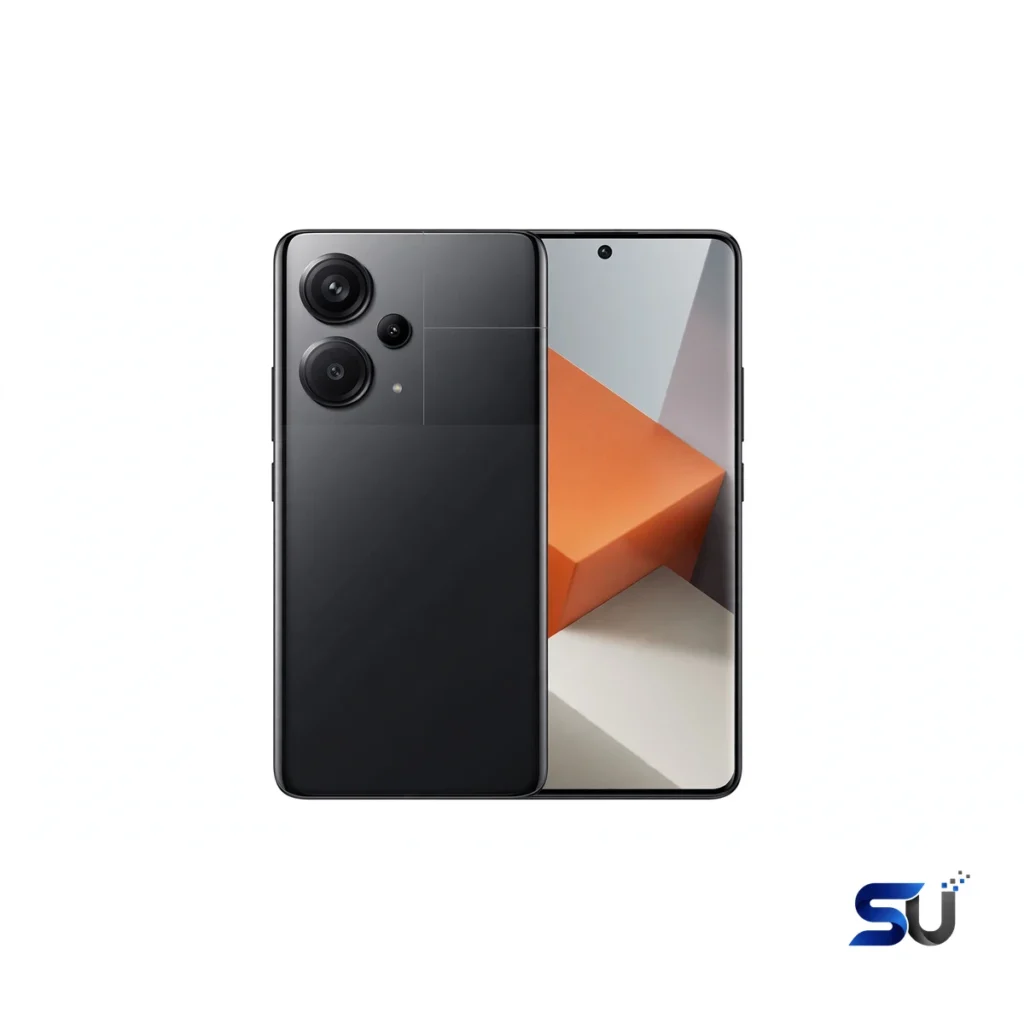
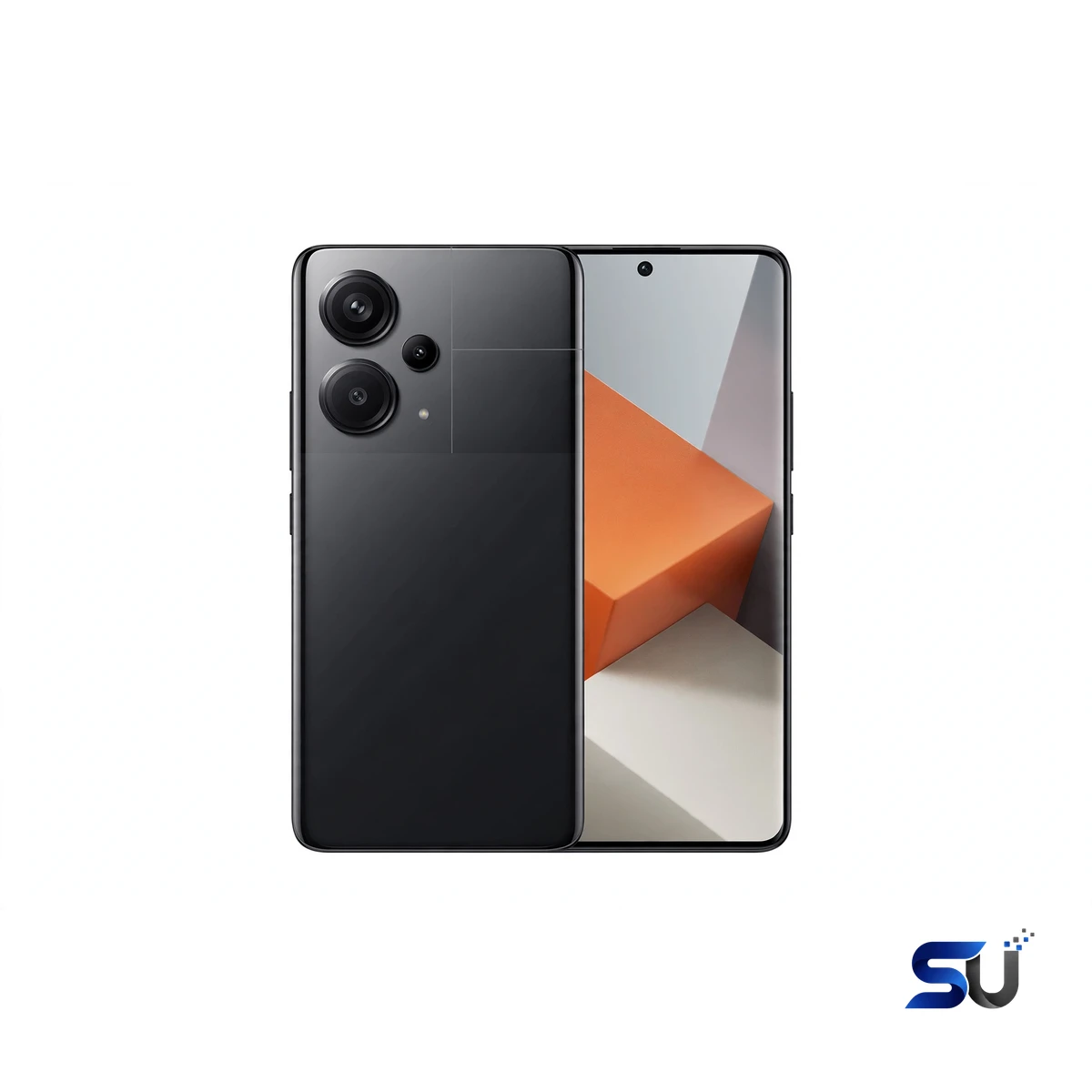
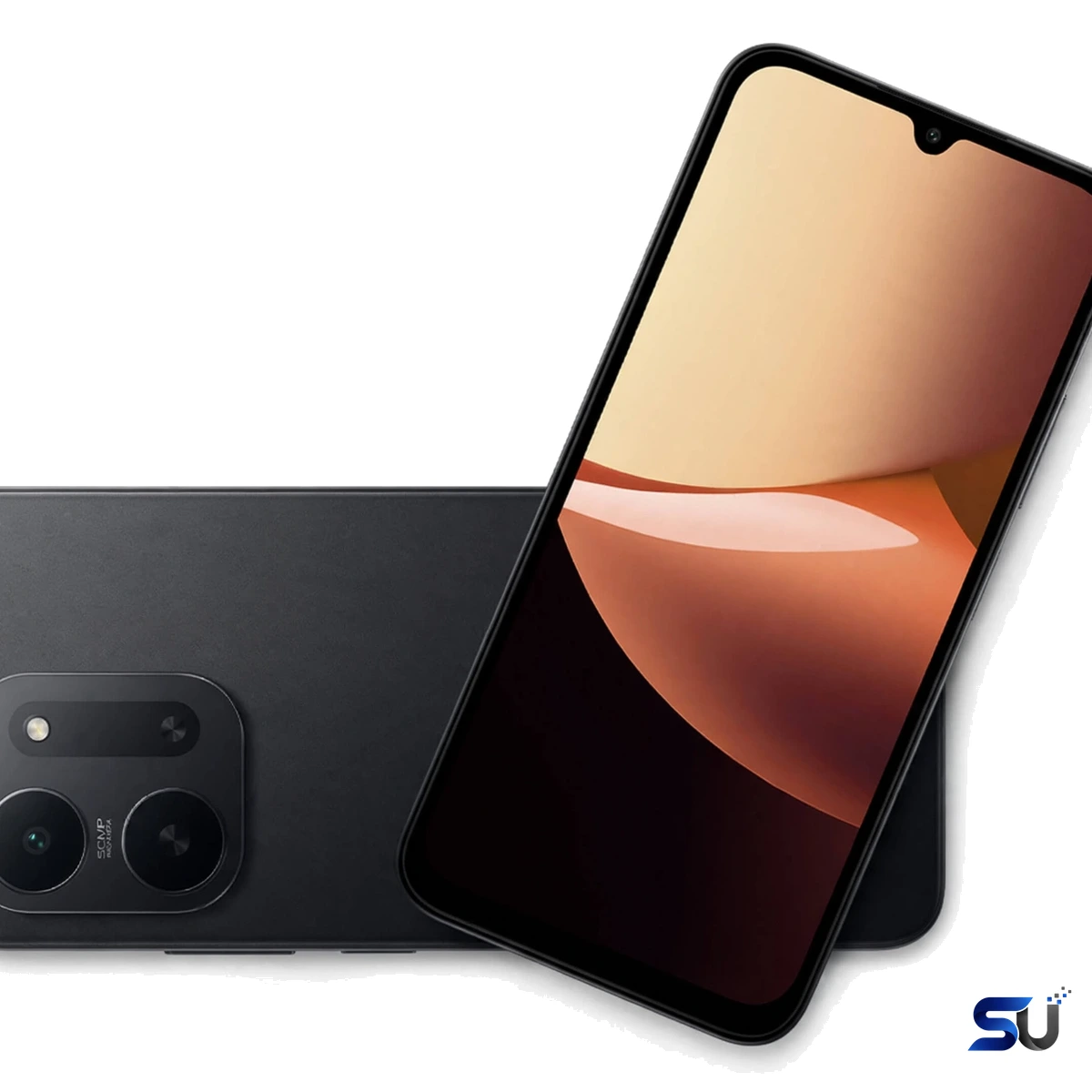
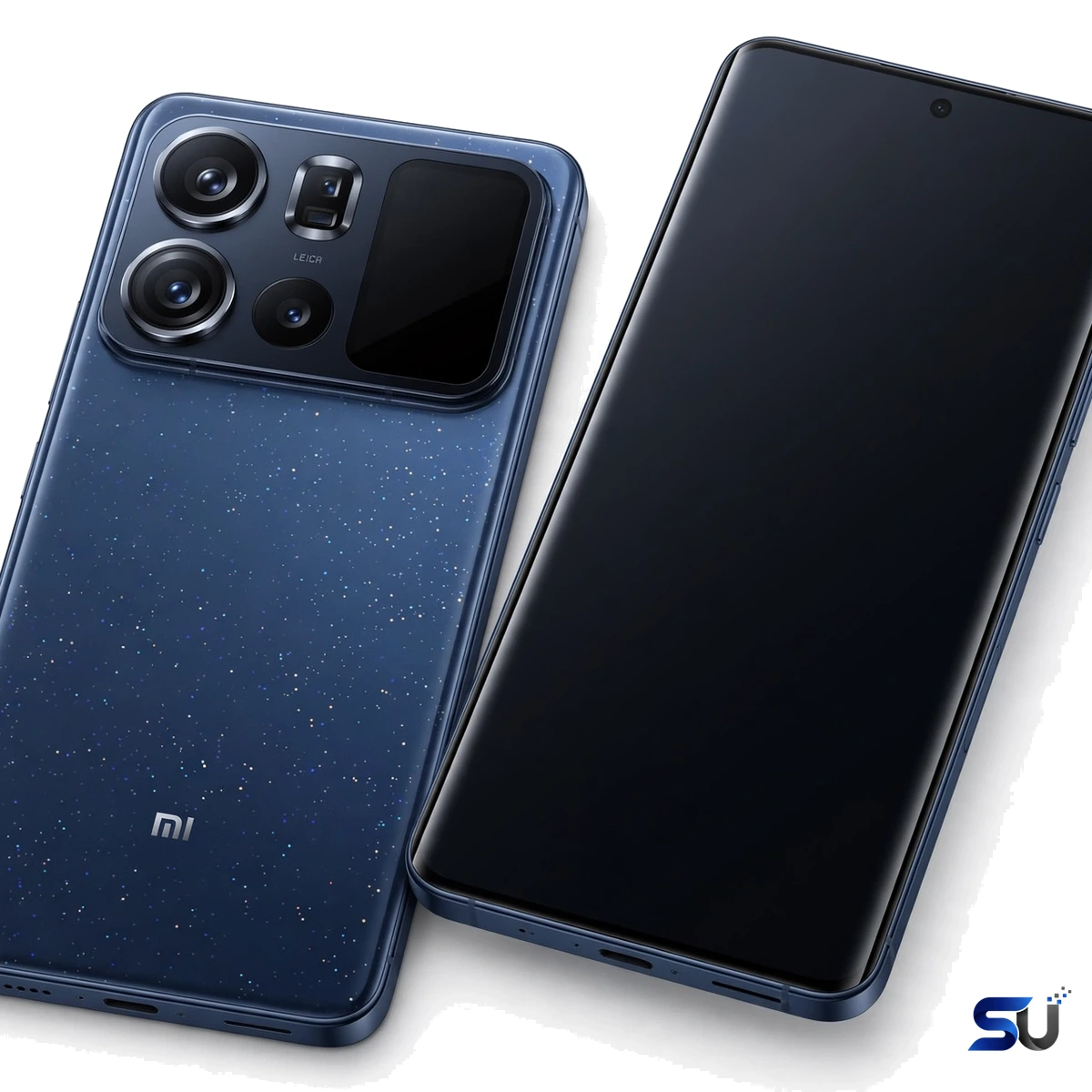
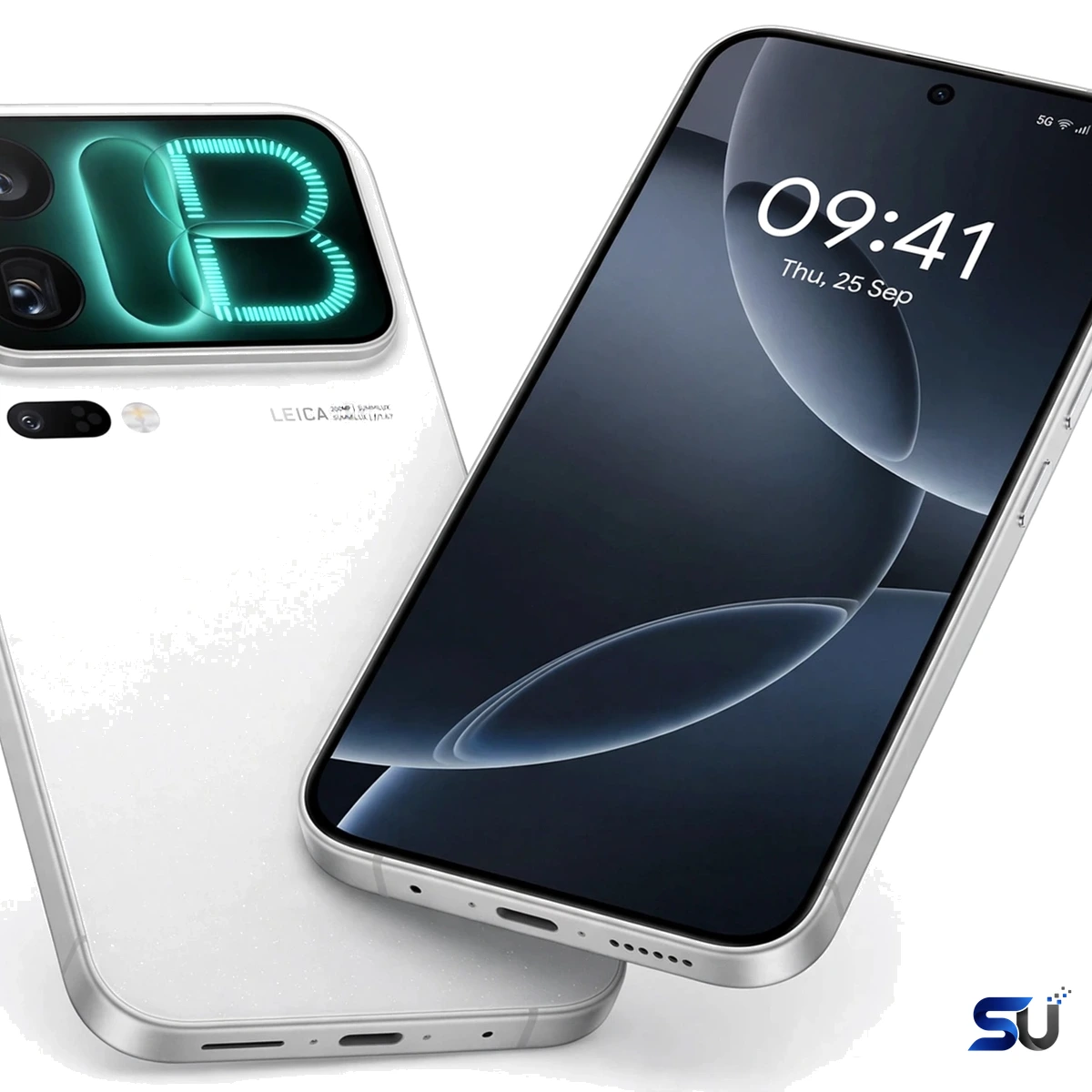
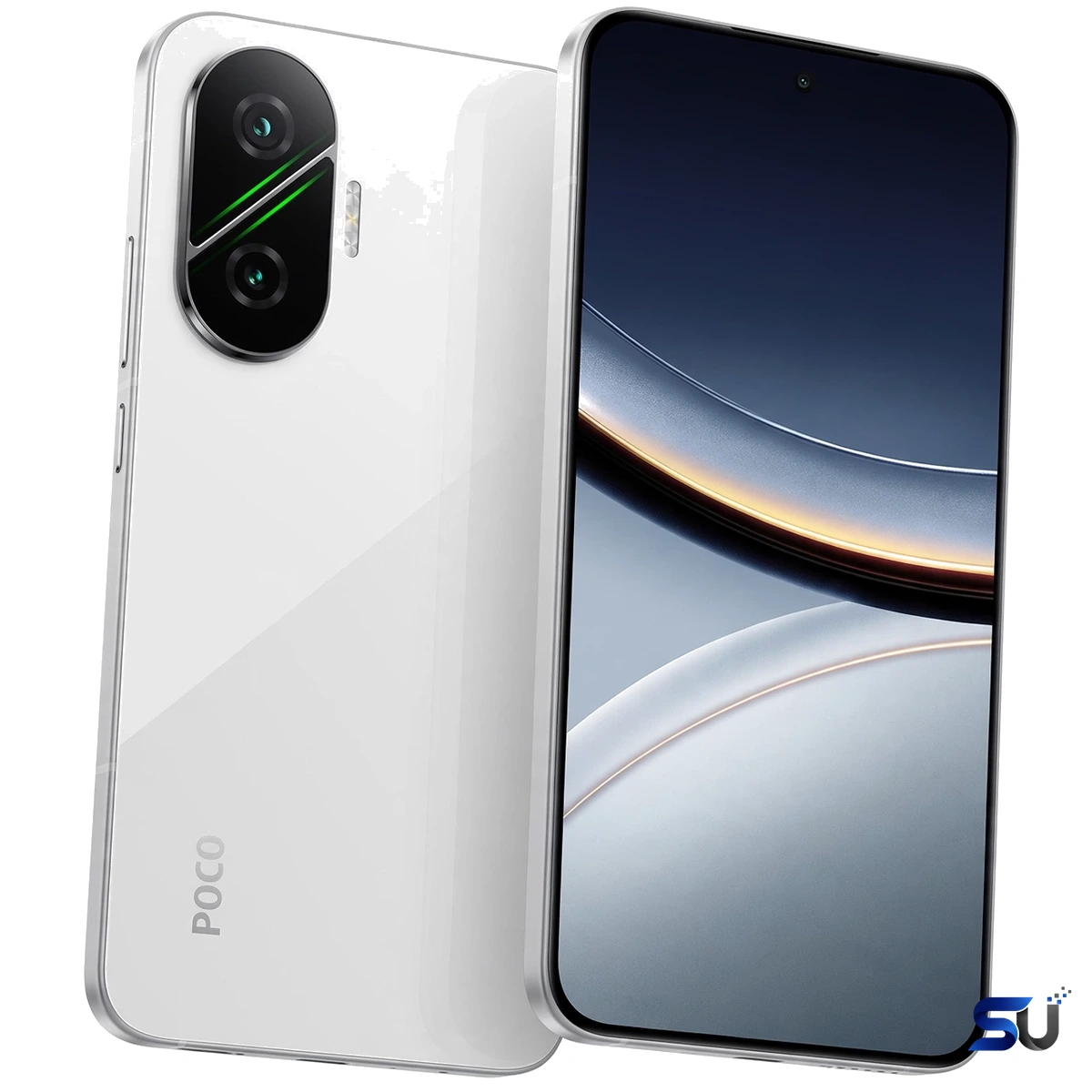
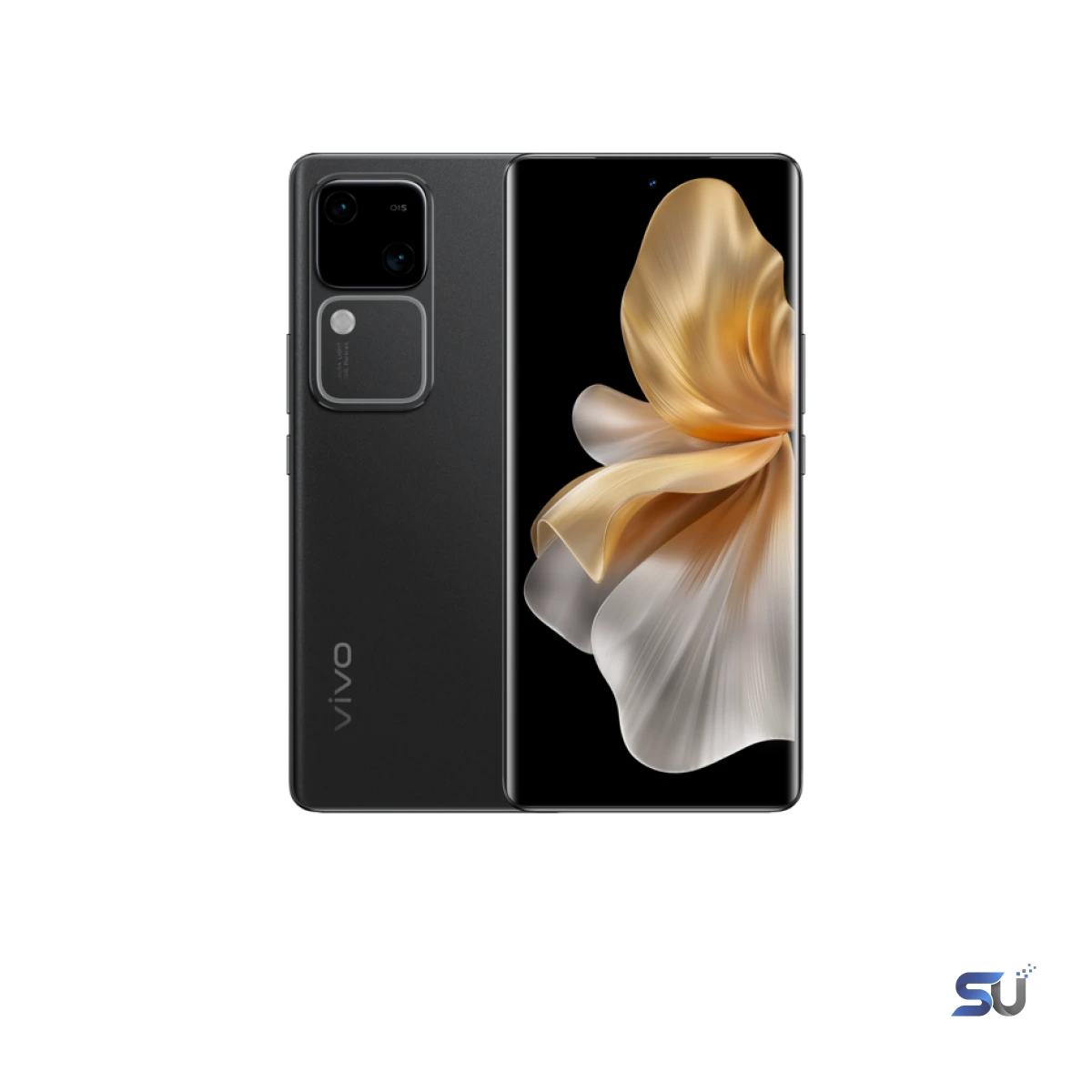
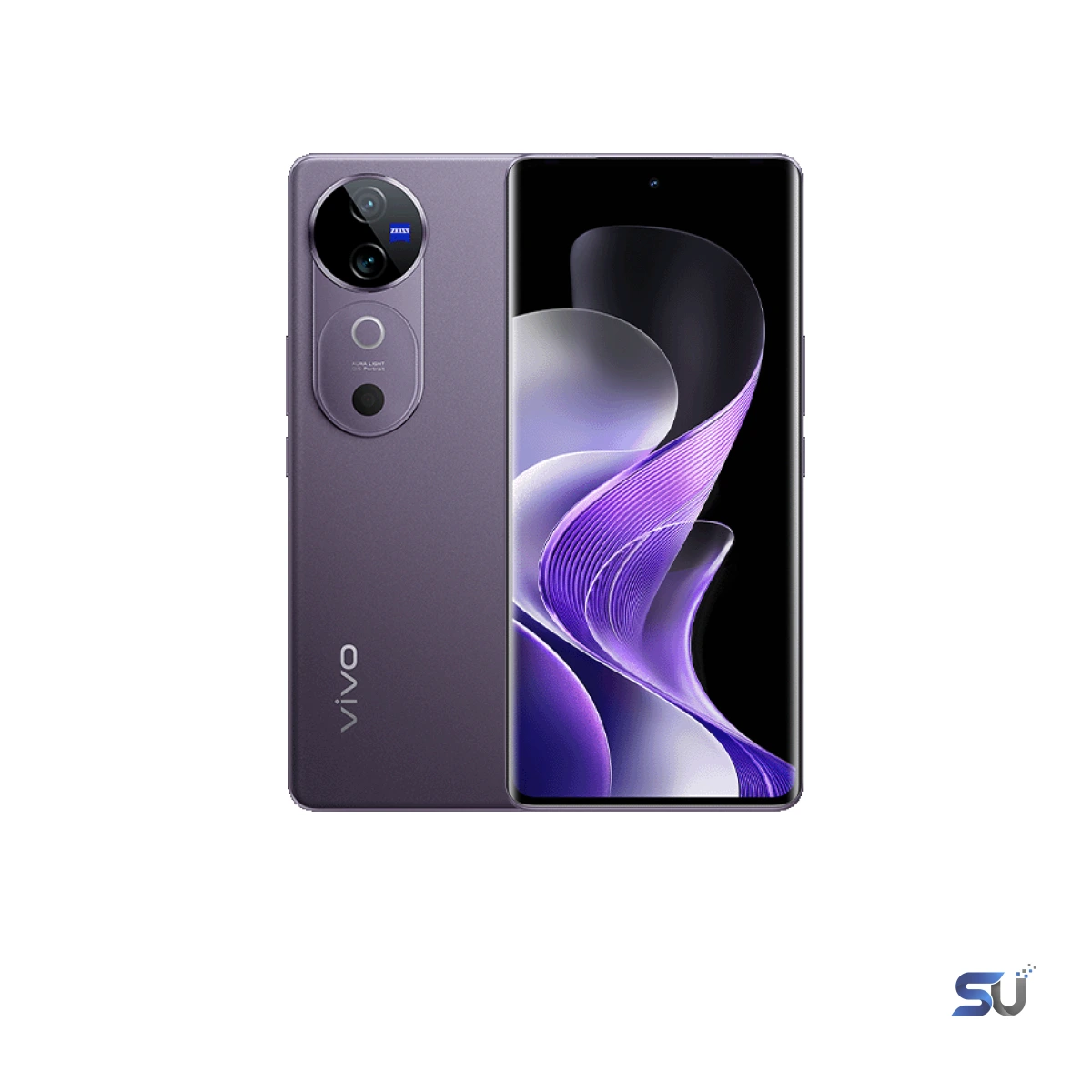
For instance, pick up the Redmi Note 13 Pro Plus 8GB and the first thing you notice is the curve. The display melts over the edges of the frame in a way that used to be reserved for phones costing three times as much. It makes the phone feel slimmer than its 8.9mm profile suggests and gives the whole device a premium, almost jewel-like character. The back panel is glass with a soft, frosted finish on most colorways, so it shrugs off fingerprints far better than glossy plastic ever could.
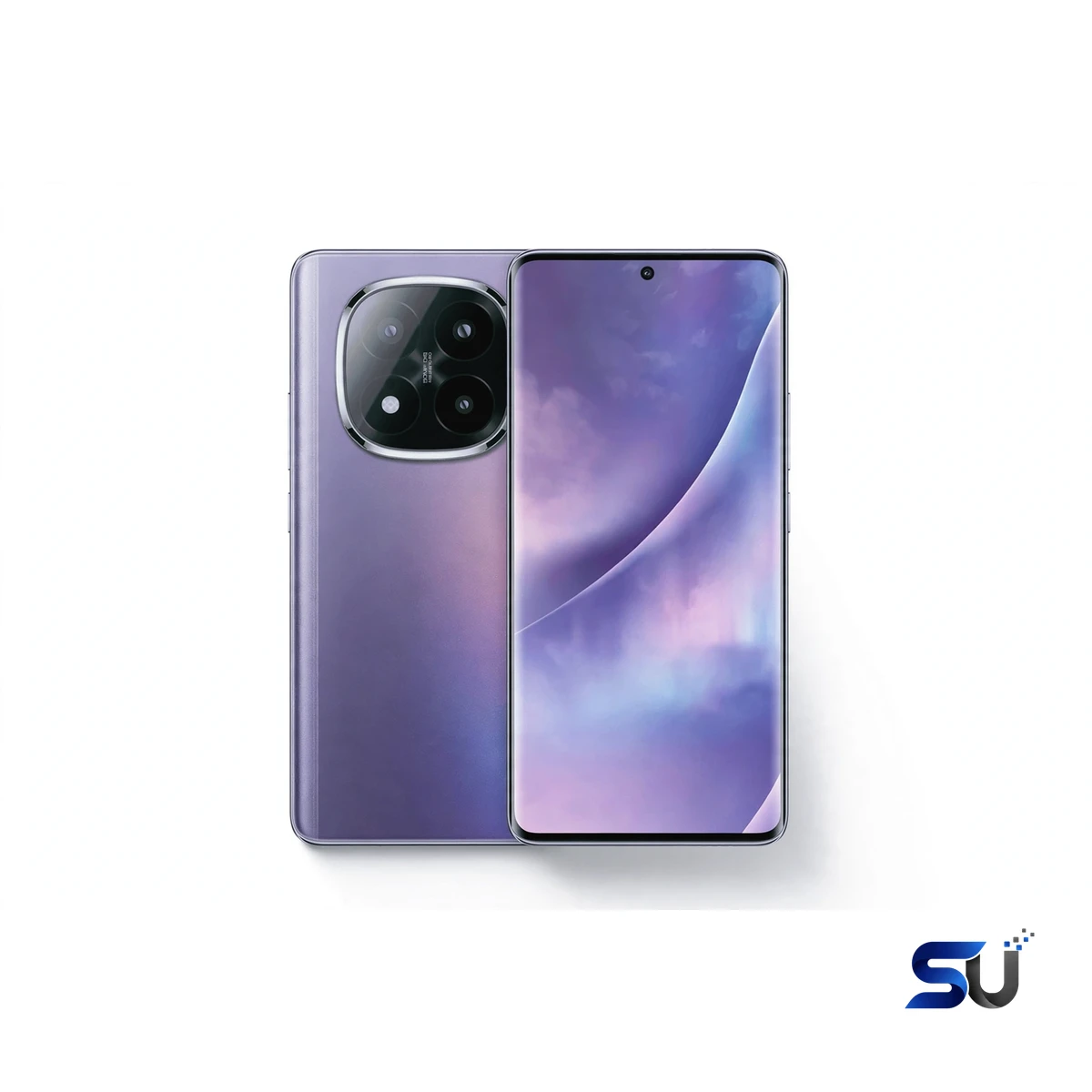
Secondly, Xiaomi offers it in Midnight Black, Moonlight White, and Aurora Purple. The black is the stealthy choice, the white has a clean ceramic feel, and the purple shifts subtly in the light. At 199 grams, the Redmi Note 13 Pro Plus 8GB has real presence without feeling like a brick. It is a two-handed phone, no question, but the curved edges and rounded frame make it comfortable to hold for long stretches.
However, the real headline here is the IP68 rating. Dust-tight and able to survive submersion, this is the kind of protection budget and mid-range phones almost never get. Furthermore, the display is shielded by Corning Gorilla Glass Victus, a meaningful step up from the glass on cheaper phones. Accidental drops and dusty pockets are simply less of a worry. For a device at this price, that durability story is genuinely rare.
Display
Moreover, the 6.67-inch CrystalRes AMOLED panel is the single best reason to consider the Redmi Note 13 Pro Plus 8GB. Resolution is 1220 x 2712, which Xiaomi calls 1.5K, and it lands in a lovely middle ground: visibly sharper than 1080p, without the battery penalty of full QHD. Text looks crisp, photos have bite, and the 120Hz refresh rate keeps scrolling and animations feeling liquid.
Furthermore, brightness is another strength. Peak brightness reaches 1800 nits, which means the screen stays readable even under harsh midday sun. Indeed, this is brighter than some phones that cost twice as much. The panel also supports 1920Hz high-frequency PWM dimming, which reduces flicker at low brightness. If you read in bed at night with the brightness turned down, your eyes will thank you.
Similarly, color reproduction is vivid without going overboard, with support for 12-bit color depth and 100% DCI-P3 coverage. Moreover, the in-display fingerprint sensor sits under this panel and works quickly and reliably. Thin bezels and a small centered punch-hole keep the front looking modern. Simply put, there is no "budget screen" compromise here. This display would not embarrass a flagship.
Performance
For example, under the hood, the Redmi Note 13 Pro Plus 8GB runs on the MediaTek Dimensity 7200 Ultra, a 4nm chipset built specifically for upper-mid-range devices that punch above their weight. The octa-core CPU pairs two performance cores clocked at 2.8GHz with six efficiency cores, while the Mali-G610 MC4 GPU handles graphics. On paper, this is one of the most capable chips you will find outside flagship territory.
Thus, what does that mean day to day? Apps open instantly, multitasking across a dozen apps is smooth, and demanding games run well at sensible settings. The 4nm process keeps efficiency in check, so the phone does not turn into a hand warmer during long sessions. 8GB of RAM is plenty for typical use, and MIUI 14 can extend it virtually using storage when needed. 256GB of internal storage gives you room for a serious photo library, offline playlists, and big games without constantly managing space.
Nevertheless, it is worth being honest about positioning. The Dimensity 7200 Ultra is not a Snapdragon 8-series flagship chip, and it does not pretend to be. What it does is deliver roughly 90 percent of the everyday experience for a fraction of the silicon cost. For gaming, social media, photography, streaming, and work, the Redmi Note 13 Pro Plus 8GB is fast in every way that matters. Unless you are chasing benchmark leaderboards, you will not feel short-changed.
Camera
For instance, the camera system is headlined by a 200MP Samsung HP3 main sensor with an f/1.65 aperture and optical image stabilization. That combination matters more than the megapixel number alone. The large sensor pulls in lots of light, the wide aperture helps further, and OIS keeps shots sharp when your hands are not perfectly steady or when light levels drop. By default, the sensor bins pixels down to produce detailed 12.5MP images, and you can shoot at the full 200MP when you want maximum detail for cropping.
Indeed, in good light, photos from the Redmi Note 13 Pro Plus 8GB are sharp, colorful, and full of detail. In low light, the OIS and night mode work together to keep noise under control and preserve detail that cheaper phones simply smear away. For example, evening street scenes and indoor shots come out cleaner than you would expect at this price. The main camera is genuinely the star of the show.
Moreover, it is joined by an 8MP ultra-wide camera for landscapes and group shots, plus a 2MP macro camera for close-ups. The ultra-wide is useful rather than spectacular, which is normal at this price. Around the front, a 16MP selfie camera handles video calls and self-portraits capably. Video recording goes up to 4K from the main camera, with stabilization helping to smooth out handheld footage. Similarly, the phone offers a solid set of shooting modes including portrait, night, and pro controls for those who like to tinker.
Battery and Charging
Indeed, here is the party trick: 120W HyperCharge. The Redmi Note 13 Pro Plus 8GB can refill its 5000mAh battery at speeds that were flagship-exclusive not long ago. Xiaomi claims a full charge in around 19 minutes, and even if your mileage varies slightly, we are talking about going from empty to ready in the time it takes to have breakfast. A quick ten-minute top-up before heading out can genuinely save your day.
As a result, battery anxiety mostly disappears. The 5000mAh cell itself is good for a full day of heavy use, and the 4nm chip sips power efficiently. Charging is handled over USB-C with the fast charger included in the box, which is worth appreciating since some brands have stopped including one. Xiaomi also includes battery health features that manage charging patterns to slow long-term degradation, which matters when you are filling a battery this quickly, this often.
However, there is no wireless charging, which is the one omission. At this price, though, that is an easy trade: 120W wired charging is so fast that wireless would feel glacial by comparison. For most people, this is the best charging setup available outside true flagships.
Software
For instance, the Redmi Note 13 Pro Plus 8GB ships with MIUI 14 running on top of Android 13. MIUI is Xiaomi's heavily customized take on Android, and version 14 is its most polished effort: cleaner visuals, useful widgets, a proper app drawer option, and thoughtful touches like floating windows for multitasking. If you are coming from another Xiaomi phone, everything will feel familiar. If you are switching brands, give it a week and it clicks.
However, there are the usual pre-installed apps, some of which you can remove and some you cannot, which remains MIUI's most valid criticism. On the positive side, Xiaomi committed to three generations of Android updates and four years of security patches for the Note 13 series. That means the Redmi Note 13 Pro Plus 8GB should stay current and secure well into its usable life, which is exactly what you want from a phone you plan to keep for years.
Connectivity and Extras
Furthermore, as the 5G in the family name suggests, the Redmi Note 13 Pro Plus 8GB is a full 5G device with dual SIM support, so you are set for fast mobile data wherever networks allow. Furthermore, you get NFC for contactless payments, an IR blaster for controlling TVs and air conditioners (a beloved Xiaomi signature), and stereo speakers with Dolby Atmos support that sound surprisingly full for a phone.
Similarly, the USB-C port handles charging and data, and the in-display fingerprint sensor doubles as a secure, convenient unlock method alongside face unlock. What you do not get is a 3.5mm headphone jack or a microSD card slot, so plan on wireless earbuds and the generous 256GB of built-in storage. Those are the only real asterisks on an otherwise complete connectivity sheet.
Summary
Thus, the Redmi Note 13 Pro Plus 8GB is the complete package: a stunning curved 1.5K AMOLED display, a 200MP OIS camera that punches above its price, blistering 120W charging, and IP68 durability that most rivals cannot match. The 8GB RAM configuration keeps the price sensible while delivering the exact same flagship-style experience as its bigger sibling in every way that counts.
- 6.67-inch curved CrystalRes AMOLED display with 120Hz refresh and 1800-nit peak brightness
- 200MP Samsung HP3 main camera with OIS for sharp, detailed photos day and night
- 120W HyperCharge fills the 5000mAh battery in around 19 minutes
- IP68 dust and water resistance plus Gorilla Glass Victus, rare at this price
- Dimensity 7200 Ultra 4nm chip with 8GB RAM and 256GB storage for smooth everyday performance
FAQs
Is the Redmi Note 13 Pro Plus 8GB waterproof?
Indeed, it carries an IP68 rating, which means it is dust-tight and can survive submersion in water under controlled conditions. In practice, it will handle rain, splashes, and accidental drops into water far better than most mid-range phones. It is not designed for swimming or high-pressure water, but for everyday accidents, you are well covered.
How fast is the 120W charging on the Redmi Note 13 Pro Plus 8GB?
Indeed, Xiaomi claims a full 0 to 100% charge in about 19 minutes using the included 120W HyperCharge adapter. Real-world times vary slightly with temperature and battery age, but even a 10-minute charge delivers a large chunk of battery. It is among the fastest charging speeds available on any phone at this price.
Is 8GB of RAM enough, or should I get the 12GB model?
Indeed, for most users, 8GB is plenty. It handles multitasking, gaming, and heavy apps smoothly, and MIUI can borrow storage as virtual RAM when needed. The 12GB variant makes sense if you are a heavy multitasker who keeps dozens of apps open, or if you want the larger 512GB storage. Otherwise, the 8GB model delivers the same experience for less.
Does the Redmi Note 13 Pro Plus 8GB support 5G?
Indeed, the Dimensity 7200 Ultra includes an integrated 5G modem, and the phone supports dual SIM 5G connectivity. You also get NFC for contactless payments, Wi-Fi, Bluetooth, and Xiaomi's signature IR blaster for controlling home appliances.
Does it have a headphone jack or microSD card slot?
However, the answer is no to both: the Redmi Note 13 Pro Plus 8GB omits the 3.5mm headphone jack and does not support storage expansion via microSD. You will want wireless earbuds for audio, and the 256GB of built-in storage should be ample for most users' apps, photos, and media.
What software updates will the Redmi Note 13 Pro Plus 8GB receive?
Indeed, it ships with MIUI 14 based on Android 13, and Xiaomi has committed to three major Android version updates plus four years of security patches for the Note 13 series. That keeps the phone current and protected well into a typical ownership period of three to four years.