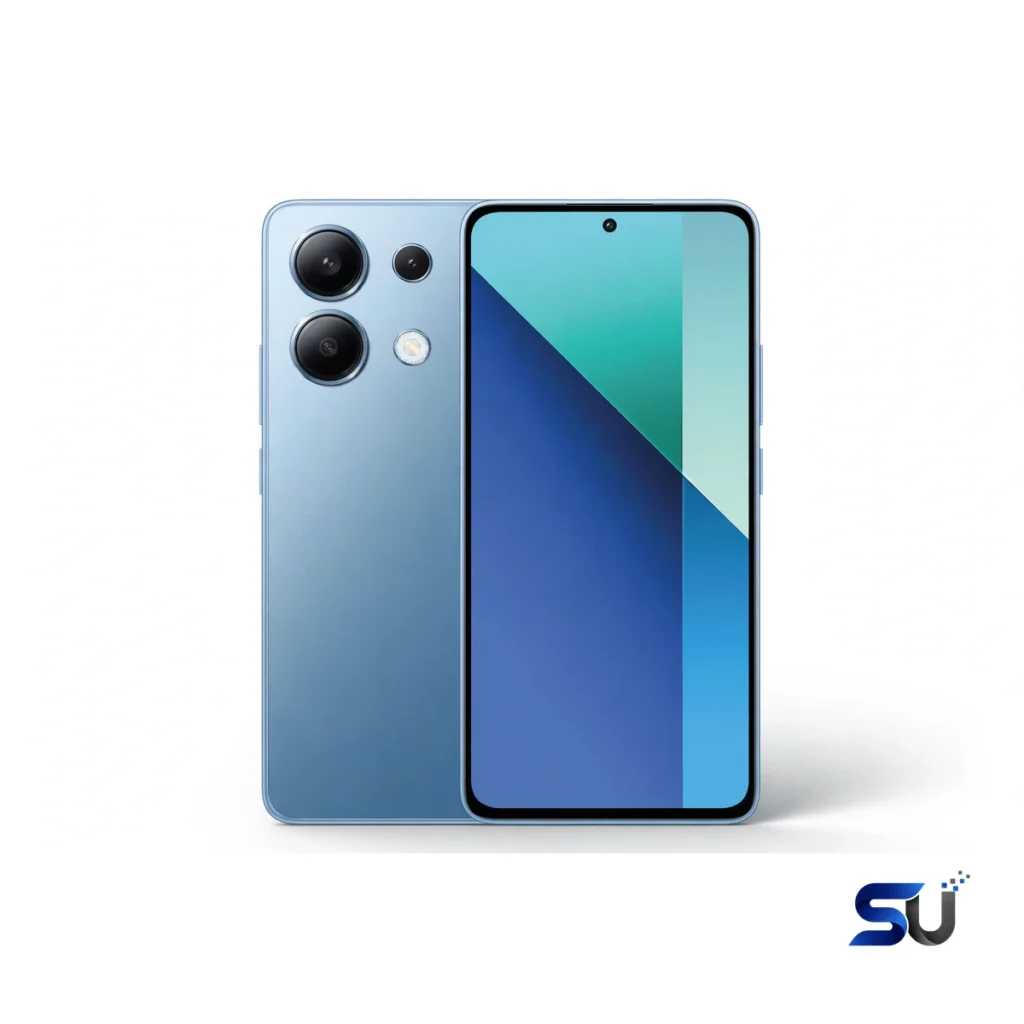
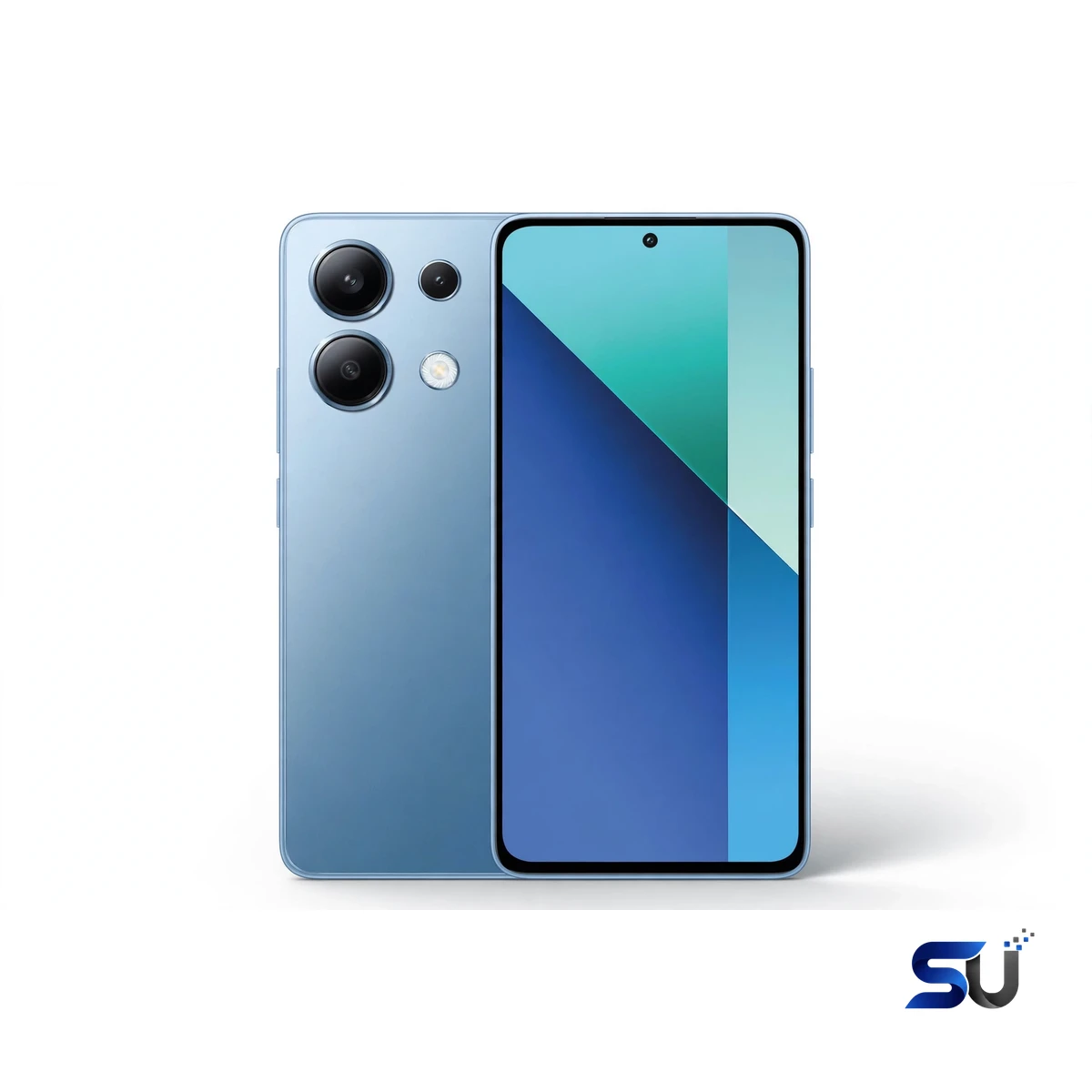
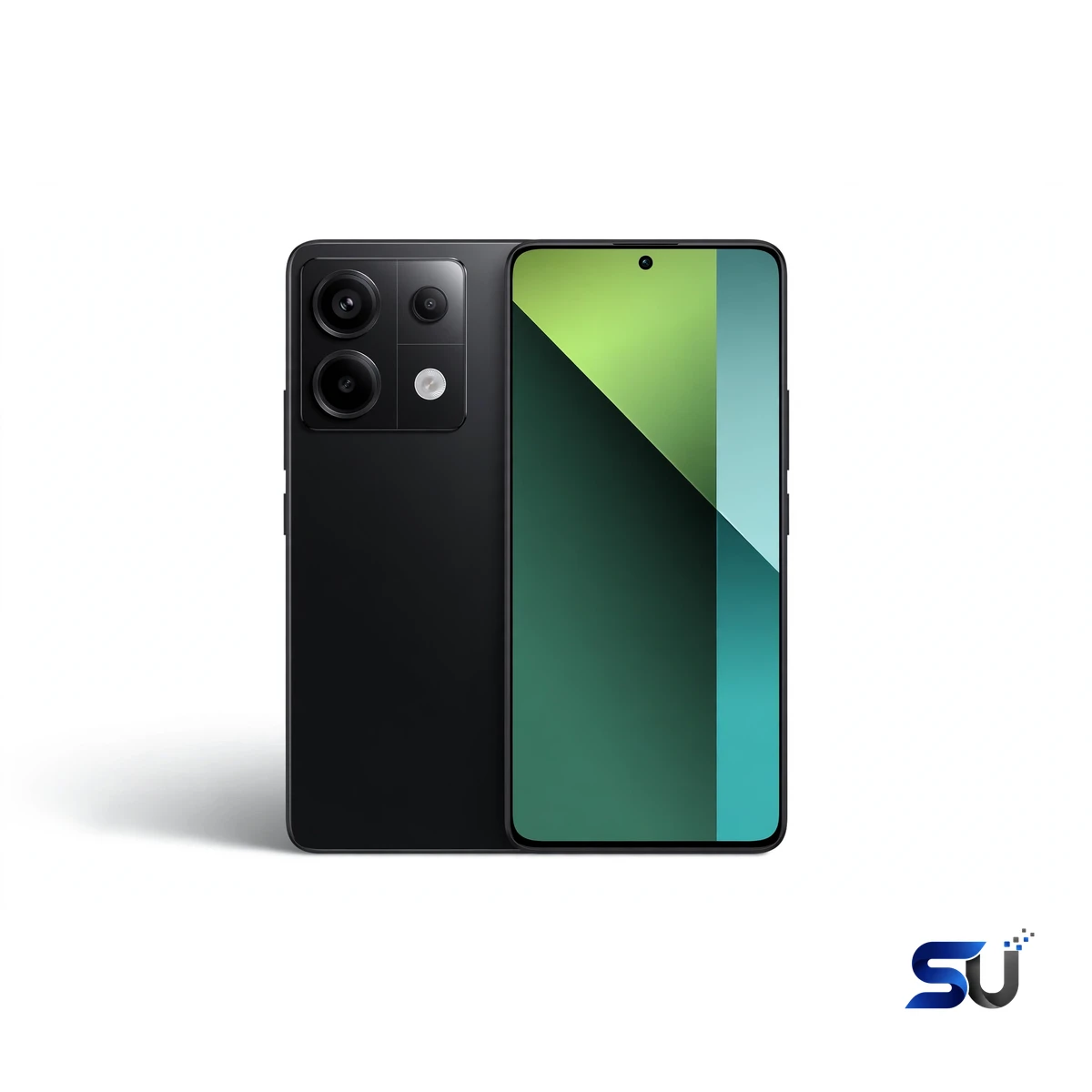
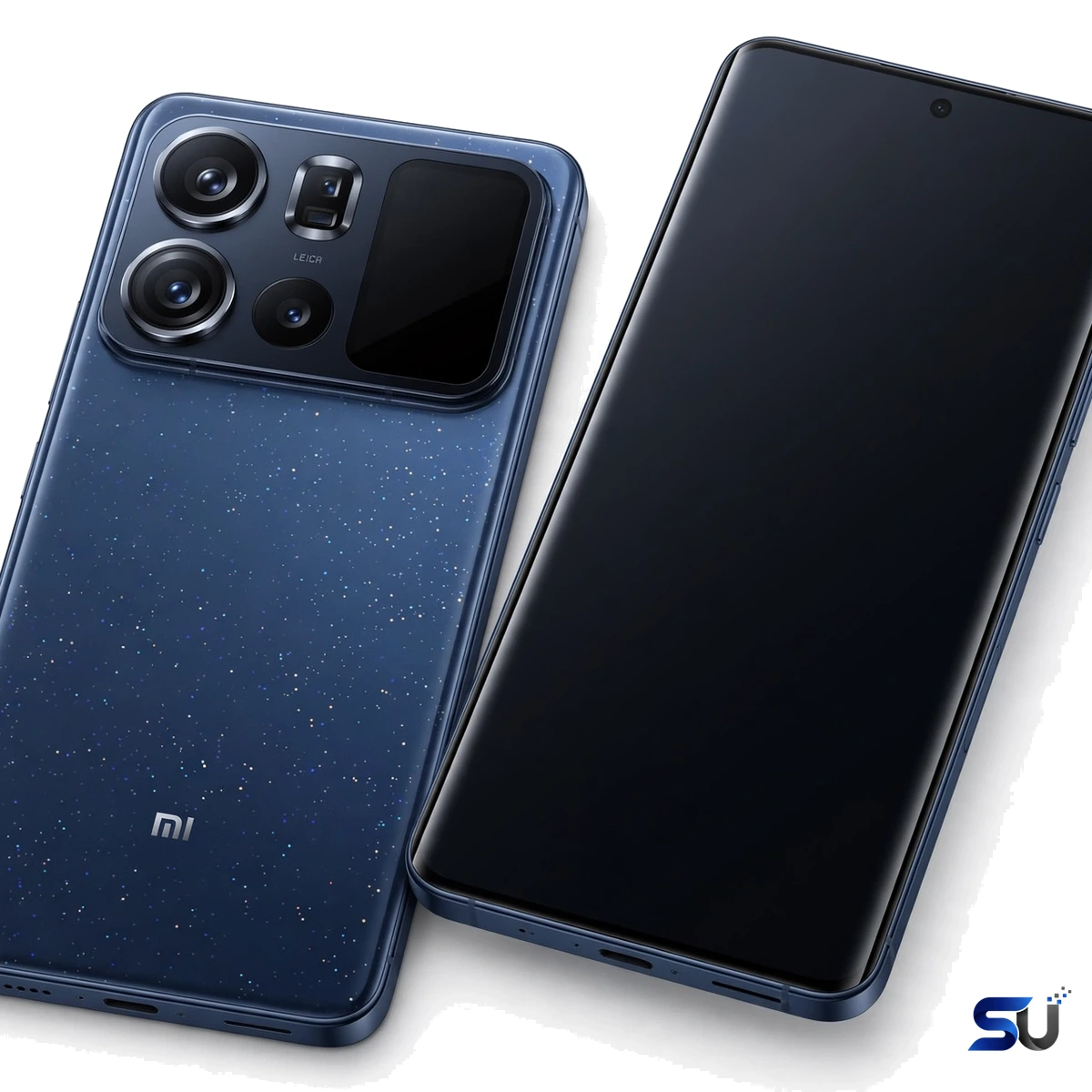
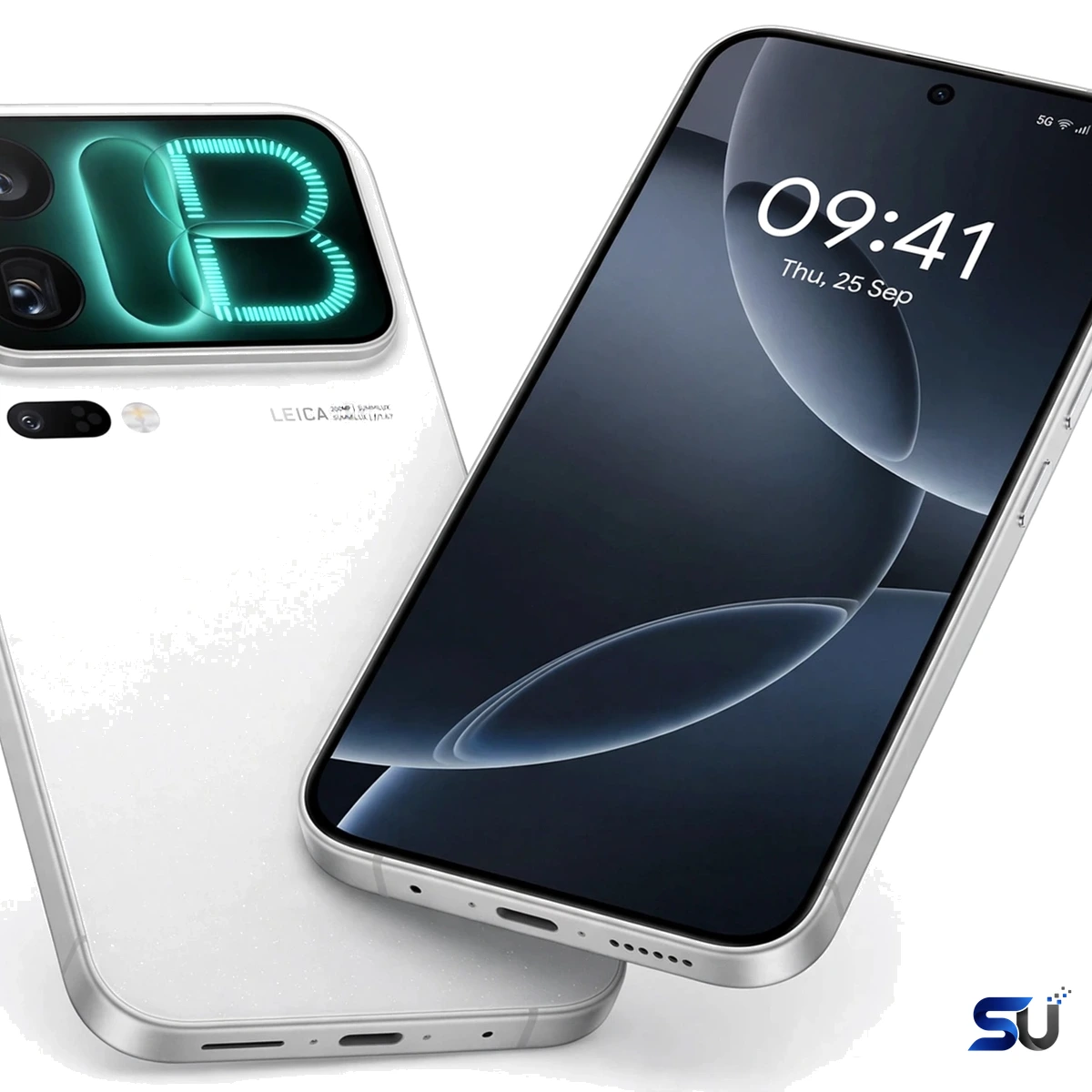
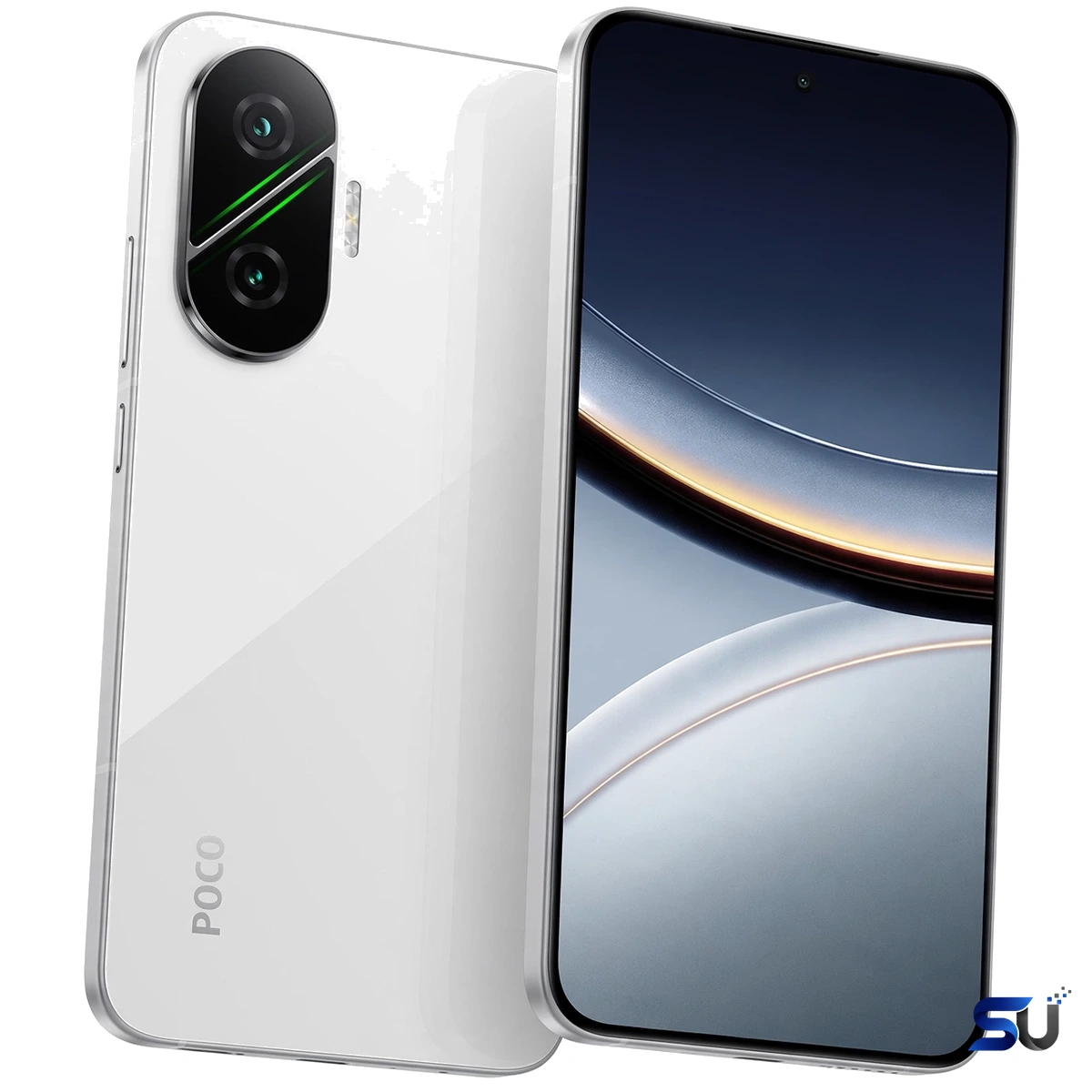
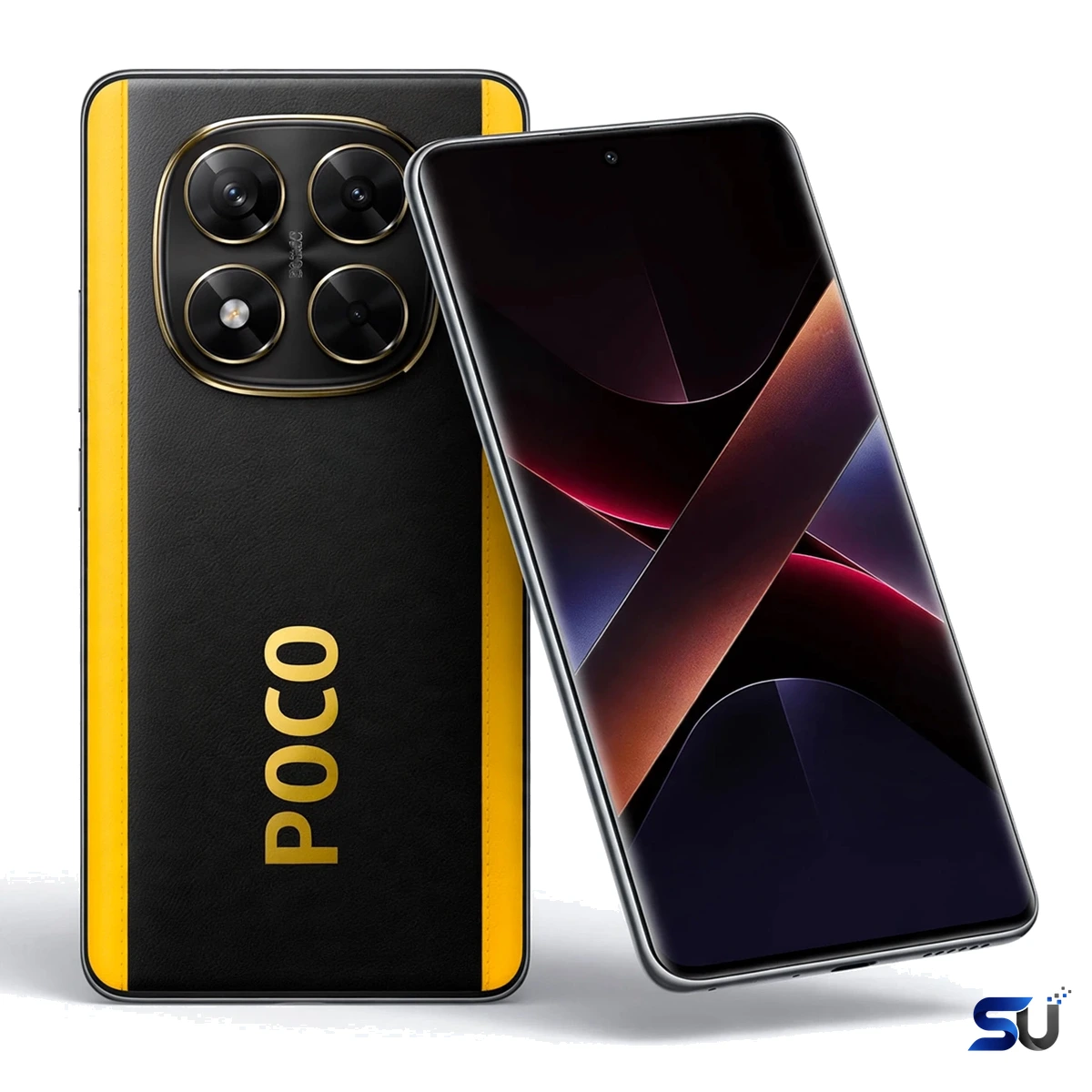
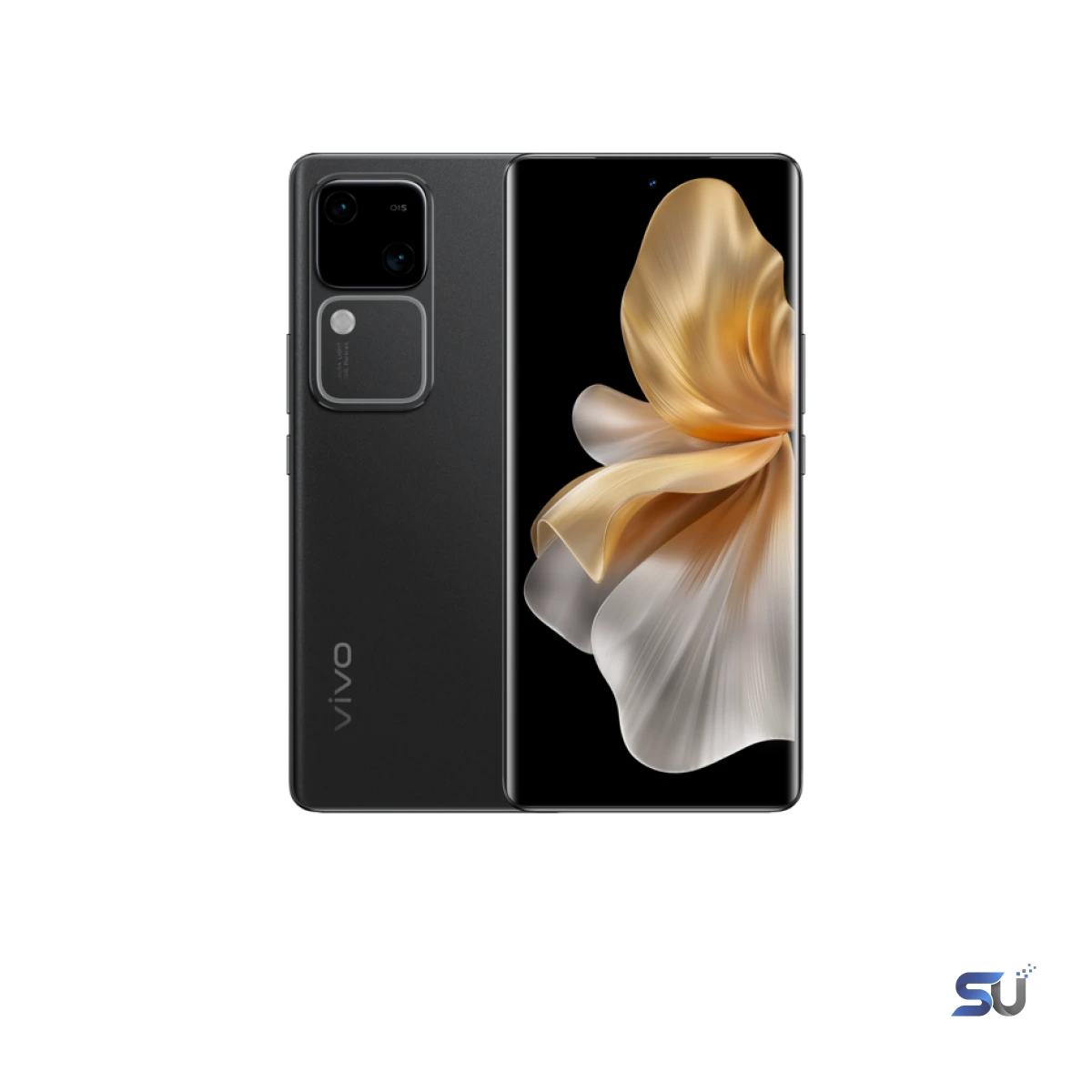
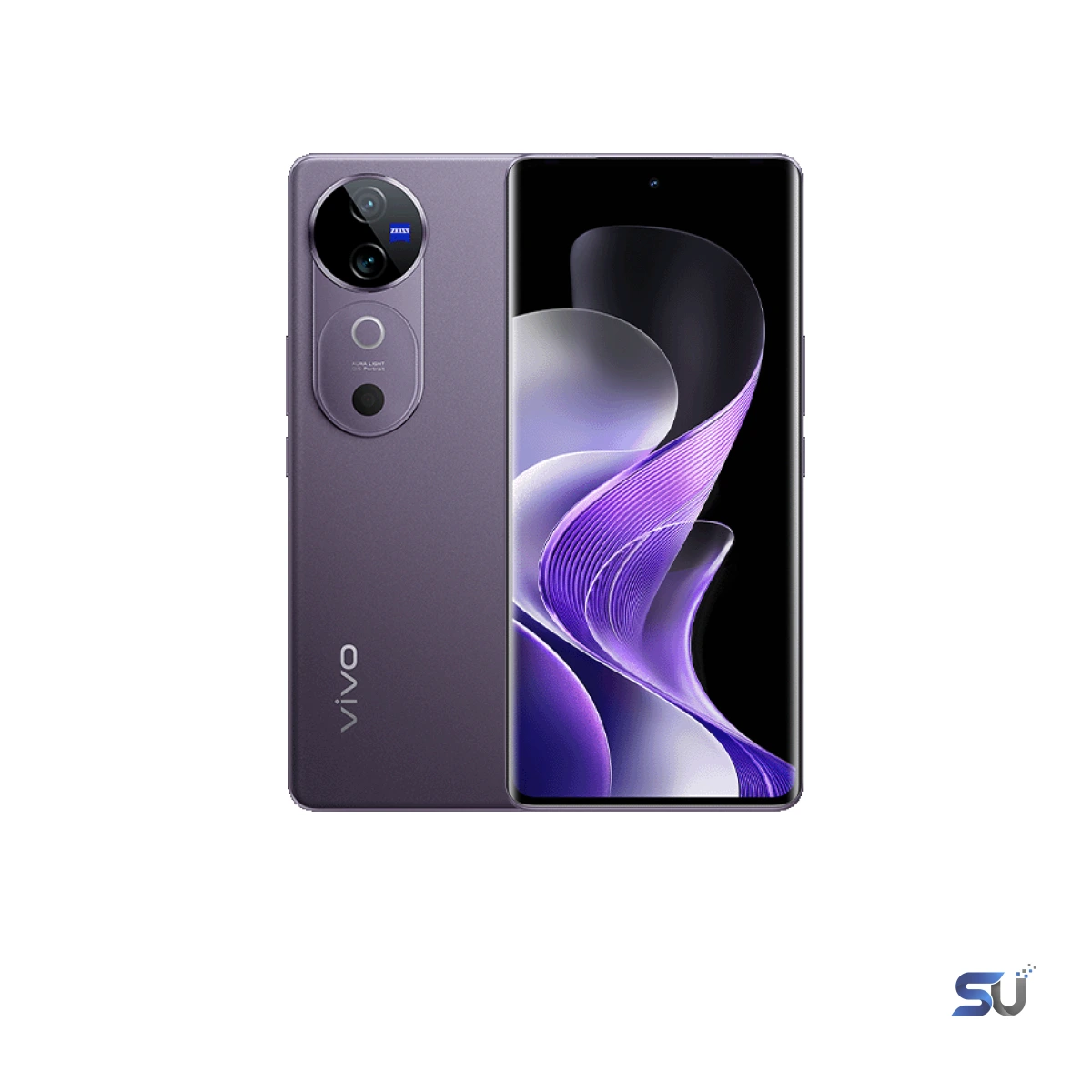
Redmi Note 13 8GB Overview
Buying a budget phone means picking your poison: great screen, weak battery; good camera, sluggish performance. The Redmi Note 13 8GB exists because Xiaomi stopped asking buyers to choose. This higher-memory variant of the Redmi Note 13 4G takes a balanced formula. It also removes the bottleneck that ages a phone fastest — RAM.
The highlights read like a greatest-hits list of midrange features. First, a 6.67-inch 120Hz AMOLED display. Then a 108MP main camera with an f/1.75 aperture, plus 8MP ultra-wide and 2MP macro lenses. Add a 16MP front camera and a 5000mAh battery with 33W turbo charging. At the center: the Snapdragon 685 with 8GB of LPDDR4X RAM, running MIUI 14 on Android 13.
That extra memory is the whole story. Six gigabytes gets the job done today, while eight gigabytes keeps the Redmi Note 13 8GB feeling quick two or three years from now. Apps stay loaded in the background instead of reloading every time you switch. For long-term owners, this is the variant that makes sense.
The caveats matter too. This is a 4G-only device — the Snapdragon 685 has no 5G modem. Video recording tops out at 1080p at 30fps, so 4K shooters should look elsewhere. The ultra-wide and macro cameras are decent rather than dazzling, and there is no optical image stabilization. None of this hides in fine print; it is simply what the price buys.
Weighed as a whole, the Redmi Note 13 8GB is one of the easiest recommendations in its class. The screen is excellent, the battery goes the distance, and the main camera delivers. The added memory also gives the package staying power. It suits students, commuters, and anyone upgrading from a tired old handset.
Design: Slim Lines and a Comfortable Grip
Pick up the Redmi Note 13 8GB and the first thing you notice is how little fuss there is. At 7.97mm thin and 188.5g, it sits comfortably in the hand. There's none of the top-heavy feel some big-screen phones have. Softly rounded edges keep it from digging into your palm, so one-handed use stays workable.
The rear camera array sits nearly flush with the back instead of jutting out. As a result, the phone lies flat and doesn't wobble while you type. An IP54 rating adds dust and splash resistance. It's not waterproofing, but rain and dusty commutes stop being a worry.
Xiaomi also keeps a few features the industry keeps trying to kill. The 3.5mm headphone jack survives, so wired earbuds work without dongles. The IR blaster turns the phone into a TV remote. And the fingerprint sensor lives under the display, unlocking fast from exactly where your thumb expects it.
Display: A 120Hz AMOLED That Punches Up
The screen is the single best reason to consider the Redmi Note 13 8GB. The 6.67-inch AMOLED panel runs at 120Hz with a sharp 2400 x 1080 resolution. The step up from a standard 60Hz display is obvious from the first swipe. Scrolling is fluid, animations glide, and even ordinary tasks feel more responsive than the spec sheet suggests.
Outdoor visibility is a strong point. Peak brightness hits 1800 nits, keeping the screen readable in direct sunlight where lesser panels fade to grey. After dark, 1920Hz PWM dimming cuts flicker for easier late-night reading. With 100% DCI-P3 color coverage, photos and video look vivid without tipping into oversaturation.
Durability gets its due as well. Corning Gorilla Glass 3 shrugs off the scratches of daily pocket life. And because AMOLED pixels switch off individually, blacks are truly black. Dark mode looks superb and sips less power. Displays this capable used to cost far more.
Camera: What the 108MP Triple Setup Gets Right
Let's be straight about the 108MP headline on the Redmi Note 13 8GB: the number is real, but the engineering behind it matters more. In daylight, for example, the main camera captures detailed, well-balanced photos with confident color. Pixel-binning merges multiple pixels into one, producing clean 12MP shots by default. The f/1.75 aperture also keeps evening shots usable.
After dark, night mode earns its keep by stacking exposures to lift shadows and tame streetlights. Results won't trouble a flagship, but they're comfortably shareable. That's a long way from the muddy night shots budget phones used to produce. Without optical stabilization, a steady hand helps; multi-frame processing covers most of the gap.
The companion lenses know their place. The 8MP ultra-wide handles landscapes and group shots in good light but softens as light fades. Meanwhile, the 2MP macro is a niche tool for extreme close-ups of flowers and textures. Up front, the 16MP f/2.45 selfie camera keeps skin tones natural and handles video calls cleanly.
Video needs calibrated expectations. Both cameras top out at 1080p at 30fps. That's fine for social clips and family videos, but 4K is off the menu entirely. If video drives your buying decision, budget more. For everyone else, stills are where this system earns its keep.
Performance: Snapdragon 685 Meets 8GB of RAM
The Snapdragon 685 doesn't chase headlines. This 6nm octa-core chip, running up to 2.8GHz, is tuned for efficiency and consistency over raw speed. Inside the Redmi Note 13 8GB, everyday tasks run smooth and dependable — messaging, browsing, navigation, streaming, social feeds. The 120Hz display adds perceived speed on top.
The 8GB of LPDDR4X RAM is where multitasking transforms. As a result, a dozen apps stay alive in the background without the reload shuffle that plagues smaller-memory phones. Navigation keeps running while music plays. The browser holds your tabs. Games resume where you left them.
Gaming holds up within reason. Casual and mid-tier titles run well, and heavier games stay playable with settings dialed down. The chip runs cool under sustained load, so there's no dramatic mid-session throttling. Storage is 128GB of UFS 2.2 — generous for the class — though there's no microSD slot, so plan downloads accordingly.
Battery: Two-Day Stamina, 33W Refills
A 5000mAh battery plus an efficient chip is a simple recipe, and the Redmi Note 13 8GB follows it well. Moderate users can realistically stretch into a second day. That's messaging, browsing, video, and social media without the evening low-battery dread. Heavy users will still clear a full day comfortably.
In practice, three things stretch each charge. The Snapdragon 685 sips power. The AMOLED display draws less on dark interfaces. MIUI's battery management keeps background apps on a short leash.
Charging is a non-issue at 33W turbo speeds. A short plug-in over breakfast adds hours of use, and a full charge lands well under ninety minutes. Charger availability varies by region, so check the box — the phone itself supports the full 33W regardless.
Software: MIUI 14 on Android 13
The Redmi Note 13 8GB ships with MIUI 14 over Android 13 — the most refined MIUI in years. Animations are fluid, the interface is consistent, and settings are sensibly organized. Day to day, it stays out of the way.
Customization remains the headline act. Themes, always-on display styles, floating windows, and per-app controls give tinkerers plenty to play with. Dual Apps and Second Space, meanwhile, genuinely help separate work and personal life.
The usual Xiaomi housekeeping applies: a few pre-installed apps to remove, a few extras to decline during setup. In short, budget ten minutes once, then forget about it. After cleanup, the software is a non-story — exactly what you want.
Connectivity: 4G Today, Everything Else Included
The one gap on the Redmi Note 13 8GB is 5G. The Snapdragon 685 is 4G-only, so this phone will never touch a 5G network. On strong LTE, speeds handle streaming, video calls, and tethering without complaint. But where 5G is live and matters to you, this is a dealbreaker — no way around it.
Everything else checks out. Dual nano-SIM slots, for example, keep two numbers live at once. NFC is included in supported markets for tap-to-pay. Wi-Fi, Bluetooth, and GPS perform to modern standards with quick satellite locks.
The wired side is refreshingly complete. USB-C covers charging and data. The 3.5mm jack keeps every wired accessory working, and dual speakers round out media playback. No adapters required.
Strengths and Weaknesses
Where It Shines
- Display: a 6.67-inch 120Hz AMOLED at 1800 nits peak — a genuine standout at this price.
- 8GB of RAM: multitasking stays smooth and the phone should age gracefully.
- Battery life: two-day potential for moderate users, with quick 33W top-ups.
- 108MP main camera: detailed, likeable daylight photos that belie the price.
- Build and extras: slim 7.97mm body with IP54 splash resistance. Extras include the headphone jack, IR blaster, dual speakers, and in-display fingerprint sensor.
Where It Falls Short
- 4G only: no 5G modem — a dealbreaker if 5G matters to you.
- Video: capped at 1080p at 30fps, with no 4K option.
- Secondary cameras: the ultra-wide and macro are supporting players at best, and the main sensor lacks optical stabilization.
- Software and storage: MIUI needs a one-time declutter, and 128GB is fixed with no microSD expansion.
Final Verdict: The Variant Worth the Small Step Up
Here's the simplest read on the Redmi Note 13 8GB: it's the version of an already good phone with future-proofing baked in. Screen, battery, and camera would be easy to recommend alone. The extra RAM, however, turns a good two-year phone into a good three- or four-year phone.
The compromises are plain and easy to judge. No 5G. No 4K video. Modest secondary cameras. A few minutes of setup cleanup. If you can live with that list — and most buyers at this price can — there's little to regret.
Bottom line: choosing between Redmi Note 13 variants, the Redmi Note 13 8GB is the one we'd point most people toward. It removes the constraint most likely to annoy you down the road, for little extra outlay.
Redmi Note 13 8GB FAQs
Is 8GB of RAM worth it over the 6GB model?
For most buyers, yes. The rest of the phone is identical, but 8GB keeps more apps alive, cuts reloading when multitasking, and gives headroom as apps grow heavier.
How is the Redmi Note 13 8GB camera in low light?
Respectable. The 108MP sensor's f/1.75 aperture and pixel-binning capture usable evening shots, and night mode stacks exposures for cleaner results. There's no optical stabilization, so keep steady — for social sharing, results hold up well.
Does the Redmi Note 13 8GB support 5G networks?
No. The Snapdragon 685 is a 4G-only chipset, so the Redmi Note 13 8GB connects over 4G LTE. Everyday speeds on good LTE suit streaming and browsing fine, but 5G isn't available on this variant.
How long does the battery last on the Redmi Note 13 8GB?
The 5000mAh battery clears a full day of heavy use and can reach a second day for moderate users. When low, 33W turbo charging adds hours from a short top-up, with a full charge taking well under ninety minutes.
Does it have a headphone jack and expandable storage?
Yes to the first, no to the second. A 3.5mm headphone jack covers wired audio. Storage, however, is a fixed 128GB of UFS 2.2 with no microSD slot. Heavy downloaders should watch free space or lean on cloud storage.
Will the Redmi Note 13 8GB get software updates?
It ships with MIUI 14 on Android 13, and Xiaomi provides ongoing MIUI updates plus security patches for Redmi Note devices. There's no published fixed schedule for this model, so keep automatic updates switched on.
Redmi Note 13 8GB Full Specifications
Display: 6.67-inch AMOLED, 2400 x 1080, 120Hz refresh rate, 1800 nits peak brightness, 1920Hz PWM dimming, 100% DCI-P3, Corning Gorilla Glass 3
Performance: Snapdragon 685 (6nm, octa-core, up to 2.8GHz), 8GB LPDDR4X RAM, 128GB UFS 2.2 storage
Rear Camera: 108MP main (f/1.75) + 8MP ultra-wide + 2MP macro; 1080p@30fps video; night mode; no OIS
Front Camera: 16MP (f/2.45); 1080p@30fps video
Battery: 5000mAh; 33W turbo charging
Software: MIUI 14 based on Android 13
Build: 7.97mm thin, 188.5g, IP54 dust and splash resistance, in-display fingerprint sensor
Connectivity: 4G LTE, dual nano-SIM, NFC (supported markets), USB-C, 3.5mm headphone jack, IR blaster, dual speakers