AMOLED
6 GB LPDDR4X
128 GB
108MP main (f/1.75) + 8MP ultra-wide + 2MP macro
Snapdragon 685 (6 nm)
5000
6.67
AMOLED
2400 × 1080
120
1800
No HDR certification has been documented for this screen
Corning Gorilla Glass 3
108MP main (f/1.75) + 8MP ultra-wide + 2MP macro
16MP, f/2.45
No optical zoom (digital zoom only)
1080p@30fps
Yes
No
Snapdragon 685 (6 nm)
Octa-core, up to 2.8GHz
Adreno 610
6 GB LPDDR4X
128 GB
UFS 2.2
No
161.1 × 75 × 7.97 mm
188.5 g
Corning Gorilla Glass 3 front, plastic frame, plastic back
IP54
Midnight Black, Mint Green, Ice Blue, Ocean Sunset
5000
33
No
No
Full day of heavy use; up to 2 days for moderate users
4G
Dual nano-SIM
5.1
Wi-Fi 5 (802.11a/b/g/n/ac)
GPS, GLONASS, BeiDou, Galileo
Yes (market dependent)
USB Type-C, 3.5mm headphone jack
GSM / HSPA / LTE
MIUI 14
MIUI 14
2 major OS updates, 4 years of security patches (Xiaomi promise)
Verified Geekbench results for this exact variant aren't available yet
No credible AnTuTu listing exists for this model yet
Published frame-rate tests for this handset are still missing
Nobody has published throttle behavior data for this phone
No independent battery endurance figures exist for this device
Timed charging benchmarks for this model remain unpublished
Measured speaker loudness data can't be found for this phone
No PWM data has been disclosed for this display
188.5g
7.97mm
Corning Gorilla Glass 3 front, plastic frame, plastic back
In-display fingerprint sensor (optical)
No certified drop-test outcome exists for this variant
Scratch testing for this device hasn't been documented anywhere
Xiaomi keeps the haptic hardware details undisclosed on this phone
Its keys offer a light, tactile press with short travel
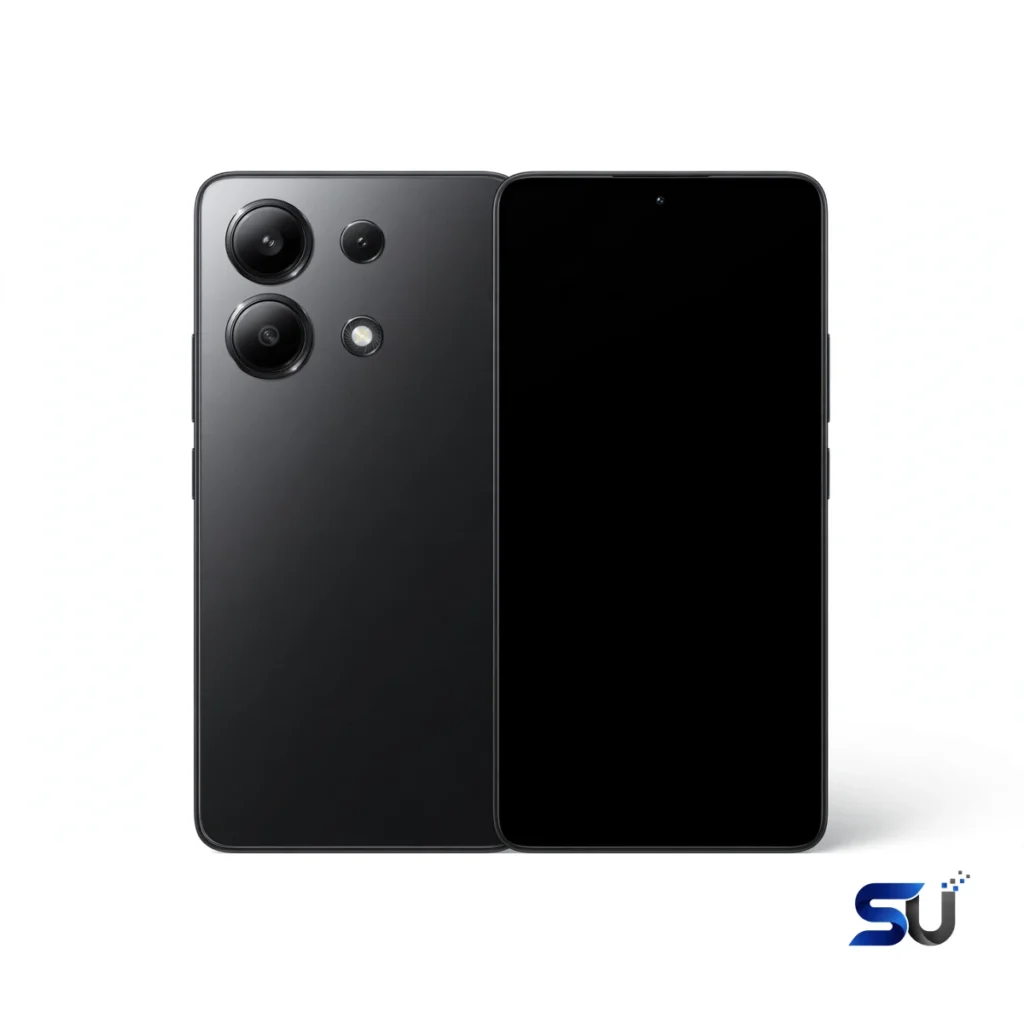
Some phones arrive with fireworks. The Redmi Note 13 6GB arrives with something better: a plan. Xiaomi's pitch here is refreshingly old-fashioned. Take the things people touch daily, make them genuinely good, and skip the party tricks that inflate the bill.
Some phones arrive with fireworks. The Redmi Note 13 6GB arrives with something better: a plan. Xiaomi's pitch here is refreshingly old-fashioned. Take the things people touch daily, make them genuinely good, and skip the party tricks that inflate the bill.
That thinking shows the moment you switch it on. A 6.67-inch 120Hz AMOLED display takes over the front, all deep blacks and fluid motion. Around the back, a 108MP main camera leads a sensible triple setup. Under the hood, the Snapdragon 685 teams up with 6GB of RAM and a 5000mAh battery. Meanwhile, 33W turbo charging handles the top-ups. No single item on that list demands attention. Put together, though, they make a phone that gets through your week.
So who should care? Mostly, anyone upgrading from a three- or four-year-old handset — the cracked-screen veteran, the phone that dies by dinner. For those buyers, the Redmi Note 13 6GB is a leap in nearly every direction: screen, camera, battery life, and everyday speed. It also suits students, first-jobbers, and anyone buying a dependable phone for the family, because it asks for very little while giving plenty back.
Honesty first, though. This is a 4G phone. The Snapdragon 685 has no 5G modem, so if fast 5G is already live in your area and you want it, look elsewhere. Video recording maxes out at 1080p at 30fps. And while the 108MP headline figure is real, the ultra-wide and macro companions are modest — a fair compromise at this level, but a compromise all the same.
Even so, judged against the right yardstick, the Redmi Note 13 6GB is an easy phone to like. It nails the unglamorous essentials: a bright screen, a long-lasting battery, a reliable camera, and software that mostly stays out of your way.
At 7.97mm thick and 188.5g, the Redmi Note 13 6GB lands in that comfortable middle ground. It is substantial enough to feel solid, yet light enough to forget in a jacket pocket. The frame has gently rounded edges where it meets the back panel. That makes one-handed use realistic despite the large 6.67-inch display. Your thumb can actually reach most of the screen.
The camera module sits nearly flush with the rear panel instead of jutting out like a sore thumb. That sounds trivial until you type on a desk every day without the phone rocking. An IP54 rating brings dust and splash resistance into the mix. It is no invitation to go swimming, but rain and dusty commutes stop being a source of anxiety.
Then there are the small, stubborn details Xiaomi refuses to drop. The 3.5mm headphone jack survives on the Redmi Note 13 6GB, which will please anyone with a drawer full of wired earbuds. The IR blaster — a classic Xiaomi flourish — turns the phone into a universal remote for your TV and air conditioner. Meanwhile, the in-display fingerprint sensor unlocks quickly and sits right where your thumb naturally lands.
If one component sells the Redmi Note 13 6GB, it is this screen. The 6.67-inch AMOLED panel runs at a 120Hz refresh rate with a 2400 x 1080 resolution, and the difference over a standard 60Hz display is immediate. Scrolling feels liquid. Animations glide. Even mundane tasks like swiping through settings feel oddly premium.
Brightness is another quiet triumph. With a peak of 1800 nits, the display stays readable under harsh midday sun — the exact situation where cheaper screens wash out. For night owls, 1920Hz high-frequency PWM dimming reduces flicker at low brightness. That means less eye strain during late scrolling sessions. Colors, meanwhile, cover 100% of the DCI-P3 gamut, so photos and videos look rich without tipping into cartoonish oversaturation.
Durability gets a nod too. Corning Gorilla Glass 3 protects the front, shrugging off the keys-and-coins chaos of a pocket. And because it is an AMOLED panel, blacks are truly black, which makes dark mode look fantastic and saves a little battery along the way. Frankly, displays this good used to cost a lot more. That gap has now closed.
Big megapixel numbers invite skepticism, so let us talk about what the 108MP main camera actually does. In good light, it captures genuinely detailed photos with confident color and solid dynamic range. Thanks to pixel-binning, it merges multiple pixels into one. The result is cleaner, brighter 12MP shots by default — the smart way to use all that resolution. The f/1.75 aperture helps too, pulling in enough light for respectable evening shots.
Night mode is worth switching on after dark. It stacks multiple exposures to lift shadows and tame streetlights. The results are perfectly shareable — not flagship-grade, but far better than the muddy messes budget phones produced a few years ago. There is no optical image stabilization, so keep your hands reasonably steady and let the software do its stacking.
The supporting cast is honest about its limits. For landscapes and group shots in daylight, the 8MP ultra-wide does a great job, though it softens noticeably when the light drops. As for the 2MP macro lens, it is a fun occasional toy for extreme close-ups of flowers and textures. Up front, the 16MP selfie camera (f/2.45) delivers clean, natural-looking selfies and handles video calls well.
Video is the one place to calibrate expectations. On the Redmi Note 13 6GB, recording tops out at 1080p at 30fps on both front and rear cameras. Footage looks fine for social media and family clips, but 4K is simply off the menu. If video is your creative outlet, that matters. For everyone else, it is a non-issue.
The Snapdragon 685 will never win a benchmark contest, and that is entirely the point. This 6nm octa-core chip, clocked up to 2.8GHz, is built for efficiency rather than spectacle. In daily use — messaging, browsing, maps, streaming, social media — it feels smooth and responsive. Apps open promptly, and the 120Hz display makes everything feel a touch faster than it is.
Gaming is a pleasant surprise within reason. Lightweight and mid-tier titles run well, and even demanding games are playable if you dial the graphics settings down a notch. The chip stays cool under sustained load, which means no dramatic throttling halfway through a session. Competitive esports players will want more power, but casual gamers will be perfectly happy.
The 6GB of LPDDR4X RAM deserves its own mention, because it is what separates this variant from the base model. Six gigabytes is the sweet spot for modern Android. It keeps a dozen apps alive in the background without constant reloading. Switching between your browser, a chat app, maps, and music happens without the stutter-and-reload dance that plagues 4GB phones. Storage is 128GB of UFS 2.2 — roomy enough for most people. There is no microSD slot, though, so heavy media hoarders should manage their libraries.
The 5000mAh battery is the Redmi Note 13 6GB's quiet superpower. For moderate users, the Redmi Note 13 6GB comfortably stretches into a second day. That covers some browsing, messaging, an hour of video, and a bit of social media. Heavy users will still need a nightly charge, but the anxiety of a dying phone at 6pm simply disappears.
Several things work in its favor. The Snapdragon 685 sips power rather than gulping it. The AMOLED display draws less energy on dark interfaces. And MIUI's battery management is genuinely aggressive about taming background apps. Together, they squeeze remarkable mileage out of the cell.
When you do need to charge, 33W turbo charging keeps the wait short. A quick top-up while you shower or eat breakfast adds hours of use. A full charge takes well under ninety minutes. The charger situation varies by region, so check the box — but the phone itself supports the full 33W either way.
Out of the box, the Redmi Note 13 6GB runs MIUI 14 on top of Android 13. Say what you like about MIUI — and people say plenty — but version 14 is the leanest, most polished iteration in years. Animations are smooth, the interface feels cohesive, and the settings menus are sensibly organized.
Customization is the headline act. Themes, always-on display styles, floating windows, and granular per-app controls give tinkerers plenty to play with. Features like Second Space and Dual Apps remain genuinely useful for separating work and personal life. For everyone else, the phone works fine with everything left at defaults.
The honest caveats: MIUI still ships with a handful of pre-installed apps you may never open. You will also spend ten minutes during setup declining extras and turning off a few toggles. It is a one-time chore, not a daily burden. Once cleaned up, the software fades into the background and lets the hardware shine.
Let us address the elephant first: the Redmi Note 13 6GB has no 5G. The Snapdragon 685 is a 4G-only chip. On solid LTE, though, everyday speeds are perfectly fine for streaming, video calls, and hotspotting. If your daily life runs on Wi-Fi with LTE as backup, you will rarely notice the difference.
Everything else is present and correct. Dual nano-SIM slots keep two lines active, which travelers and dual-number users will appreciate. NFC is included in supported markets for contactless payments. Bluetooth and Wi-Fi are the modern standards you would expect, and GPS locks on quickly for navigation.
Wired options are refreshingly complete. USB-C handles charging and data, while the 3.5mm headphone jack means your wired headphones and aux cables keep working with zero adapters. The IR blaster, meanwhile, remains one of those features you mock until the TV remote vanishes. Then it is the best thing on the phone.
The display leads the list. A 6.67-inch 120Hz AMOLED with 1800-nit peak brightness is simply outstanding at this level. Battery life comes next. Thanks to the 5000mAh cell and an efficient chip, moderate users can realistically expect two-day endurance. Topping up is quick as well, with 33W turbo charging on standby.
The 108MP main camera delivers detailed, confident daylight photos that punch above its weight. Despite the slim 7.97mm frame, IP54 protection shrugs off dust and splashes. Finally, the extras: headphone jack, IR blaster, dual speakers, and NFC in supported markets.
The 4G-only modem is the biggest asterisk. Buyers in areas with strong 5G will feel they are missing out. Video recording caps at 1080p at 30fps, with no 4K option. The ultra-wide and macro cameras are serviceable rather than special, and there is no optical stabilization on the main sensor.
Software needs a brief cleanup session out of the box, and there is no microSD slot for storage expansion. None of these are dealbreakers on their own. Stacked together, though, they define the ceiling: this is a brilliant budget phone, not a discounted flagship.
So where does the Redmi Note 13 6GB land? Right at the top of the sensible-budget shortlist. It takes the four things that matter most in daily life — screen, battery, camera, and performance. Then it delivers all of them with unusual confidence. The 120Hz AMOLED alone would justify a look; the 5000mAh battery and 108MP camera seal the deal.
The trade-offs are clear and, frankly, fair. No 5G, no 4K video, modest secondary cameras, and ten minutes of MIUI housekeeping. If any of those are non-negotiable for you, spend more. For everyone else, this is the rare budget phone that never feels like a punishment.
Our take: if you are upgrading from an aging handset and want the most phone for the least fuss, start here. The Redmi Note 13 6GB is exactly the kind of upgrade that makes you wonder why anyone pays double. It earns its place as our budget pick without breaking a sweat.
For casual and mid-tier gaming, yes. The Snapdragon 685 handles popular titles smoothly at sensible settings, and it stays cool under sustained load. Competitive players chasing maximum frame rates should look at pricier gaming-focused phones, but most gamers will be satisfied.
The 5000mAh battery typically lasts a full day of heavy use and can stretch into a second day for moderate users. When it runs low, 33W turbo charging refills it quickly — a short top-up adds hours of use.
No. The Snapdragon 685 is a 4G-only chipset, so the Redmi Note 13 6GB works on 4G LTE networks. Everyday speeds on good LTE are fine for streaming and browsing, but 5G is not available on this model.
It includes a 3.5mm headphone jack, so wired headphones work without adapters. However, there is no microSD card slot — storage is fixed at 128GB, so plan your photo and app libraries accordingly.
It ships with MIUI 14 based on Android 13. Expect Xiaomi's usual customization options, themes, and features like Dual Apps. You may also want to remove a few pre-installed apps during setup.
It carries an IP54 rating, which means protection against dust and water splashes. It will survive rain and spills, but it is not designed for submersion — keep it away from pools and sinks.
Display: 6.67-inch AMOLED, 2400 x 1080, 120Hz refresh rate, 1800 nits peak brightness, 1920Hz PWM dimming, 100% DCI-P3, Corning Gorilla Glass 3
Performance: Snapdragon 685 (6nm, octa-core, up to 2.8GHz), 6GB LPDDR4X RAM, 128GB UFS 2.2 storage
Rear Camera: 108MP main (f/1.75) + 8MP ultra-wide + 2MP macro; 1080p@30fps video; night mode; no OIS
Front Camera: 16MP (f/2.45); 1080p@30fps video
Battery: 5000mAh; 33W turbo charging
Software: MIUI 14 based on Android 13
Build: 7.97mm thick, 188.5g, IP54 dust and splash resistance, in-display fingerprint sensor
Connectivity: 4G LTE, dual nano-SIM, NFC (supported markets), USB-C, 3.5mm headphone jack, IR blaster, dual speakers