The Apple iPhone 16e 8GB is Apple's most affordable route to Apple Intelligence, launching at $599 with the A18 chip, 8GB of RAM, and a 48MP Fusion camera. It brings flagship-level AI features and strong performance to a lower price point. With a 6.1-inch Super Retina XDR display and the efficient Apple C1 modem, it targets buyers who want modern iPhone capabilities without the premium cost.
Apple introduced the iPhone 16e as a spiritual successor to the iPhone SE line. It replaces the dated SE design with a full-screen notch display. The Action button carries over from the iPhone 15 Pro. For example, the $599 price undercuts the standard iPhone 16 by $200.
What makes the Apple iPhone 16e 8GB notable is how little it compromises. The A18 chip matches the iPhone 16's processor. The 48MP Fusion camera delivers the same main-sensor quality. Moreover, the 4005mAh battery offers the longest video playback in the iPhone 16 family.
Design and Build Quality
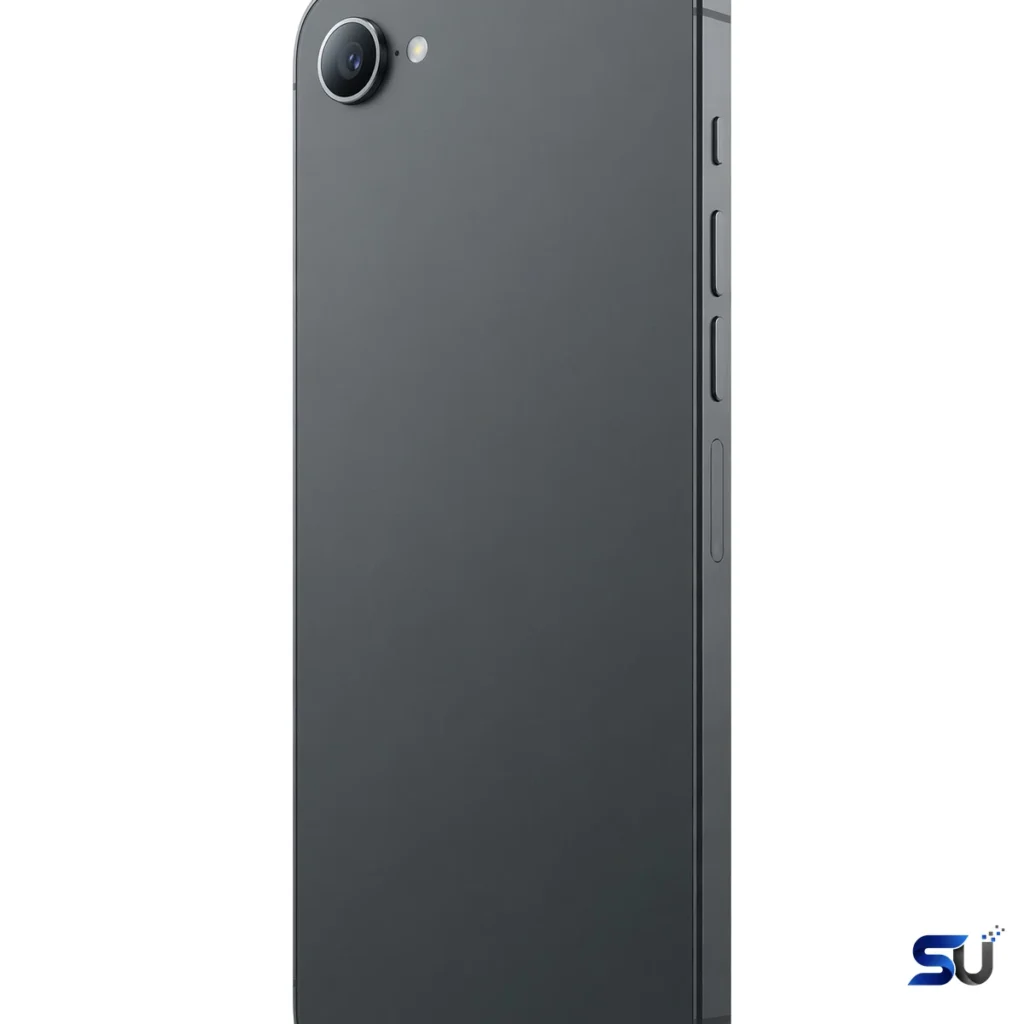
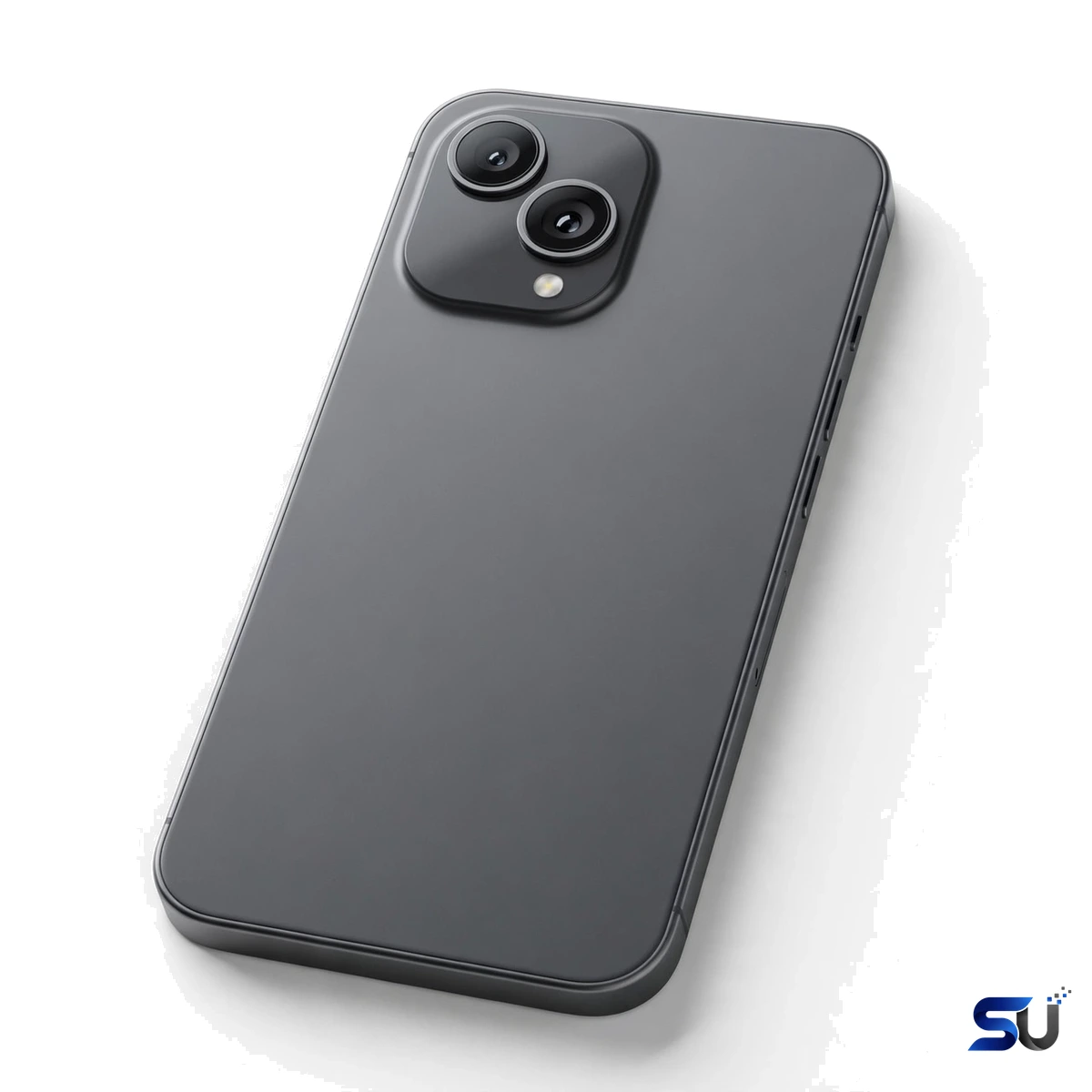
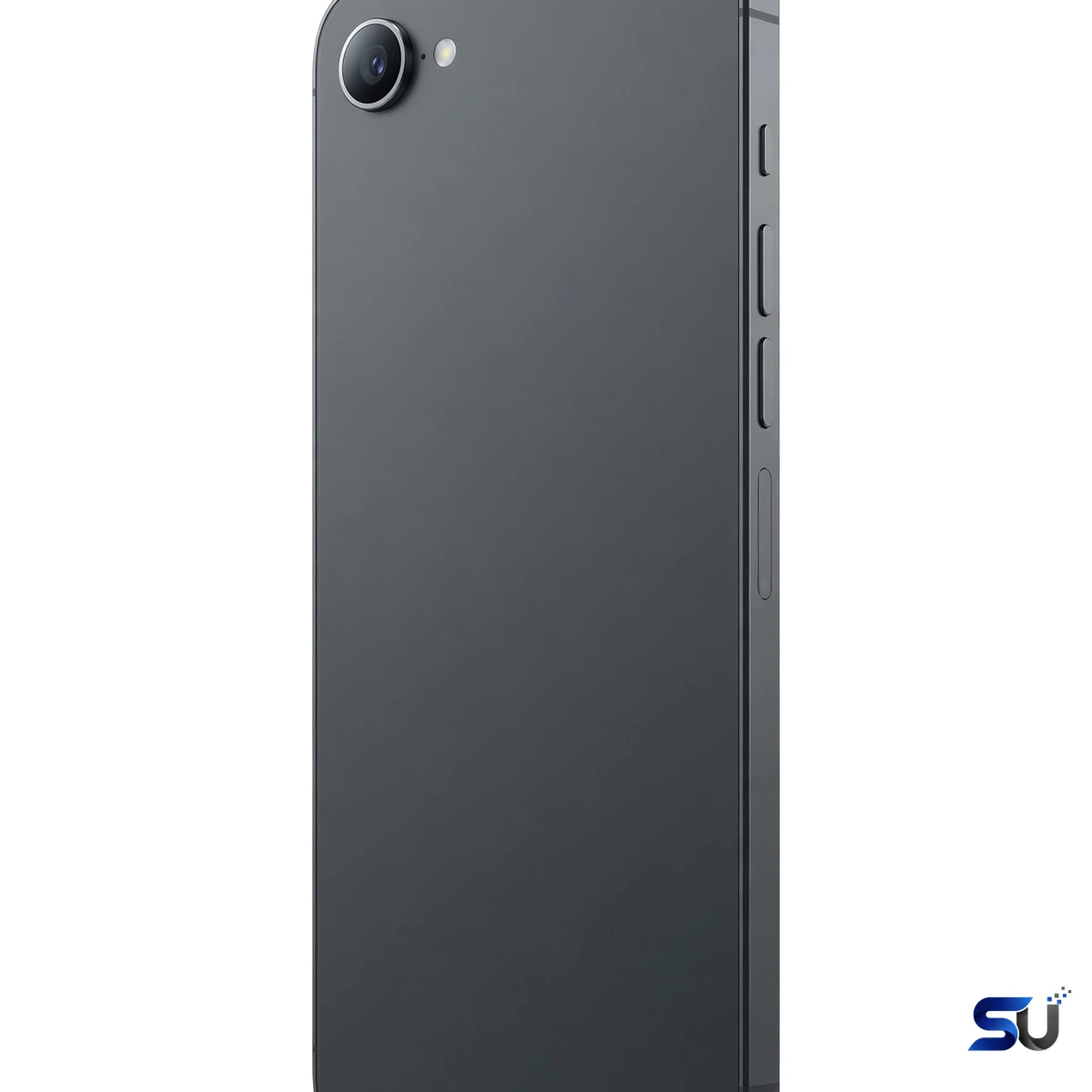
The iPhone 16e adopts the familiar flat-edge iPhone design. The aluminum frame and glass back feel premium for the price. At 167 grams it is the lightest in the iPhone 16 lineup. In addition, the 7.8 mm thickness keeps it slim and pocketable.
The notch returns instead of the Dynamic Island. This houses the TrueDepth camera for Face ID. The Action button replaces the mute switch above the volume keys. Meanwhile, the overall construction matches Apple's usual high standards.
Colours and Finishes
Apple offers just Black and White for the iPhone 16e. The matte glass back resists fingerprints well. Additionally, the understated palette suits professional environments. Both colours look clean and timeless.
Display
The 6.1-inch Super Retina XDR OLED panel delivers 2532 × 1179 resolution at 460 pixels per inch. Text appears sharp, and colours stay accurate. Peak HDR brightness reaches 1,200 nits for punchy video. The notch is larger than the Dynamic Island but quickly fades from notice.
The 60Hz refresh rate matches the standard iPhone 16. Scrolling is smooth enough for most users. However, those accustomed to 120Hz ProMotion will notice the difference. In practice, the OLED contrast and colour matter more day to day.
True Tone adjusts white balance to ambient light. Wide colour (P3) support helps photo editing. The Ceramic Shield front resists cracks and scratches. As a result, the display holds up well to daily use.
On the Apple iPhone 16e 8GB, HDR10 and Dolby Vision content looks excellent. The panel covers the full DCI-P3 gamut. Outdoor visibility is good, though not chart-topping. For the price, the display impresses.
Performance
The A18 chip inside the Apple iPhone 16e 8GB uses a second-generation 3nm process. Its 6-core CPU and 4-core GPU handle demanding apps with ease. The 16-core Neural Engine powers Apple Intelligence. Apple claims the chip is fast enough for console-class gaming.
The 4-core GPU is one fewer than the iPhone 16's 5-core part. In real use, the difference is minimal. Thermal management keeps the phone cool during long sessions. Consequently, sustained performance remains strong.
Gaming runs well on the A18. Demanding titles play at high settings smoothly. Hardware ray tracing improves lighting in supported games. Furthermore, the efficient chip sips power, which helps battery life. Mobile gamers get excellent value here.
Memory and Storage
Eight gigabytes of RAM enable the full Apple Intelligence suite. Multitasking stays smooth with many apps open. Storage options include 128GB, 256GB, and 512GB of fast NVMe. For instance, the 128GB base suits cloud-reliant users. There is no microSD expansion.
Camera System
The single 48MP Fusion rear camera covers 1x and 2x focal lengths. Pixel binning produces detailed 24MP default photos. The f/1.6 aperture gathers plenty of light. For instance, colours look natural with Apple's balanced processing. The 2x crop delivers clean telephoto-style shots.
There is no ultra-wide or dedicated telephoto lens. This is the main camera compromise. However, the 48MP main sensor handles most situations well. Night mode works on the rear and front cameras.
For the Apple iPhone 16e 8GB, Photographic Styles add creative control. Users can adjust tone live in the viewfinder. The 12MP TrueDepth front camera handles selfies reliably. Portrait mode produces pleasant background blur.
Video and Front Camera
Video recording reaches 4K Dolby Vision at 60 fps. Stabilization keeps footage smooth. Cinematic mode adds depth of field effects. The front camera records 4K, which suits video calls and vlogging.
Battery Life and Charging
The 4,005mAh battery is the largest in the iPhone 16 family. Apple rates it for up to 26 hours of video playback. Most users will end the day with charge to spare. The efficient C1 modem and A18 chip contribute to this endurance.
Wired charging reaches 50 percent in about 30 minutes with a 20W or faster adapter. Wireless charging tops out at 7.5W Qi. There is no MagSafe on the iPhone 16e. Nevertheless, standard Qi chargers work fine overnight.
Optimized charging learns routines to reduce battery aging. The 80 percent limit option extends lifespan further. These features work quietly in the background. Consequently, the battery should stay healthy for years.
Connectivity and the Apple C1 Modem
The iPhone 16e debuts Apple's in-house C1 modem. It handles 5G sub-6 GHz and Gigabit LTE. Apple claims it is the most power-efficient iPhone modem ever. In real use, speeds match typical sub-6 networks. There is no mmWave support.
The C1 modem represents years of Apple silicon investment. It integrates tightly with the A18 for power savings. Real-world tests show competitive speeds on sub-6 networks. Additionally, the modem enables satellite features for emergency SOS. Nevertheless, mmWave's absence limits peak speeds in dense urban hotspots.
Dual eSIM replaces the physical SIM tray on US models. Wi-Fi 6 covers home and office networking. Bluetooth 5.3 pairs reliably with accessories. The USB-C port supports USB 2 speeds up to 480Mb/s.
The lack of MagSafe means no magnetic accessories. Standard Qi wireless charging still works. In short, Apple kept the essentials while trimming premium extras.
Software and Apple Intelligence
The phone ships with iOS 18 and supports Apple Intelligence fully. Writing Tools polish text in any app. Notification summaries distill long threads. Above all, on-device processing protects privacy. The 8GB of RAM meets Apple's AI threshold.
On the Apple iPhone 16e 8GB, Apple promises years of iOS updates. The support window typically exceeds five years. New Apple Intelligence features arrive through iOS updates. Finally, the App Store ecosystem remains unmatched.
Apple Intelligence in Depth
Apple Intelligence is the iPhone 16e's key selling point. The A18 and 8GB of RAM unlock the full suite. Writing Tools rewrite and summarize across apps. Visual intelligence works through the camera. For example, pointing at a restaurant shows hours and reviews.
Siri gains a glowing interface and better understanding. Users can type to Siri by double-tapping. ChatGPT integration handles complex queries with permission. Moreover, most processing stays on-device for privacy.
Photo Cleanup removes distractions with a brush gesture. Genmoji creates custom emoji from descriptions. Image Playground generates illustrations. These features show how Apple Intelligence grows over time. Similarly, rival phones offer AI under different names.
Privacy underpins the system. Private Cloud Compute extends protections to server tasks. Apple publishes software for audit. Nevertheless, users control which features to enable. The approach feels thoughtful rather than intrusive.
Advantages
The iPhone 16e nails the essentials at $599. Its strengths suit value seekers well.
- A18 chip with 8GB RAM enables full Apple Intelligence at $599
- Excellent 48MP Fusion camera with 2x optical-quality zoom
- Best battery life in the iPhone 16 family (26h video)
- Efficient Apple C1 modem for strong 5G endurance
- Bright 6.1-inch Super Retina XDR OLED display
- Premium aluminum build with Ceramic Shield and IP68
- Long iOS update support, typically five years or more
Limitations
A few omissions keep the price at $599.
- No ultra-wide camera or macro photography
- No MagSafe magnetic charging or accessories
- Notch instead of Dynamic Island
- 60Hz display without ProMotion
- No mmWave 5G support
- Wi-Fi 6 rather than Wi-Fi 7
- Only Black and White colour options
- No charger included in the box
Who It Suits Best
Budget-conscious buyers get the most from the iPhone 16e. It delivers Apple Intelligence and flagship performance at $599. Upgraders from the iPhone SE or iPhone 11 will notice a huge leap. For example, the camera, display, and battery all transform the experience.
It also suits first-time iPhone buyers. Students and families get modern features affordably. However, photography enthusiasts who need ultra-wide should consider the iPhone 16. MagSafe accessory users should look at the standard 16 too.
Buying Checklist
Before buying the Apple iPhone 16e 8GB, work through these checks.
- Decide if the missing ultra-wide and MagSafe matter to you
- Choose storage: 128GB for light users, 256GB+ for heavy camera use
- Confirm carrier eSIM support for your region
- Budget for a 20W+ USB-C charger (none in box)
- Compare with discounted iPhone 15 if ultra-wide is essential
- Pick Black or White based on preference
Pricing and Availability
Apple launched the iPhone 16e at $599 for 128GB in February 2025. The 256GB and 512GB versions cost more. Carrier deals and trade-ins can lower the effective price. In addition, the phone is widely available through Apple and retailers. It represents strong value in Apple's lineup.
iPhone 16e vs iPhone 16: Key Differences
The $200 gap between the iPhone 16e and iPhone 16 reflects specific trade-offs. The 16e uses a single 48MP camera instead of a dual system. It omits the ultra-wide lens and macro mode. However, the main sensor quality is identical.
The 16e lacks MagSafe, the Dynamic Island, and Camera Control. It uses Wi-Fi 6 instead of Wi-Fi 7. The notch replaces the Dynamic Island. For example, buyers who rely on magnetic wallets will miss MagSafe. In addition, the 16e's 4-core GPU trails the 16's 5-core part slightly.
Battery life favors the 16e with 26 hours versus 22 hours of video playback. The C1 modem contributes to this efficiency. Moreover, the 16e is lighter at 167 grams. For budget-focused buyers, these trade-offs are sensible. The core experience remains flagship-grade.
What's in the Box
Apple keeps the box minimal.
- Apple iPhone 16e 8GB handset
- USB-C to USB-C cable
- Documentation and SIM ejector where applicable
Frequently Asked Questions
Is the Apple iPhone 16e 8GB worth buying?
It is excellent value at $599 with the A18 chip and Apple Intelligence. The 48MP camera and best-in-family battery cover daily needs. Students and first-time iPhone buyers benefit most. The $599 price leaves room for accessories. In addition, trade-in values for older iPhones can reduce the cost further. However, those needing ultra-wide or MagSafe should consider the iPhone 16. For most buyers, the 16e hits the sweet spot.
Does the iPhone 16e support Apple Intelligence?
Yes, the A18 chip and 8GB of RAM meet all requirements. Writing Tools, notification summaries, and visual intelligence run fully. Features arrive through iOS updates. Therefore, the phone stays current as Apple expands AI. It is the cheapest iPhone with full support.
What is the Apple C1 modem?
The C1 is Apple's first in-house cellular modem. It handles 5G sub-6 GHz efficiently. Apple claims it is the most power-efficient iPhone modem. Real-world speeds match typical networks. However, it lacks mmWave for ultra-fast hotspots.
Does it have MagSafe?
No, the iPhone 16e omits MagSafe magnets. It supports standard 7.5W Qi wireless charging. Magnetic accessories and wallets will not attach. Buyers invested in MagSafe should choose the iPhone 16. Standard cases and chargers work fine.
How is the battery life?
Apple rates it for up to 26 hours of video playback. The 4,005mAh capacity is the largest in the iPhone 16 family. Most users get well over a day. Still, heavy gaming may need an evening top-up. The efficient modem helps endurance.
What is in the box?
Apple includes the handset and a USB-C cable. No power adapter ships in the box. Buyers need a 20W or faster USB-C charger. Documentation is included. Recycling an old charger reduces waste.
Is the Apple iPhone 16e 8GB the Right Phone for You?
The Apple iPhone 16e 8GB suits buyers who want Apple Intelligence affordably. The A18 chip, 48MP camera, and superb battery deliver flagship essentials. Meanwhile, the $599 price undercuts the iPhone 16 significantly. Most mainstream users will miss nothing important.
There are trade-offs. The missing ultra-wide and MagSafe may matter to some. The notch feels dated next to the Dynamic Island. Nevertheless, the iPhone 16e is the smart value pick. Carrier promotions and education pricing can make it even cheaper. In addition, the phone holds resale value well thanks to Apple's long software support. For example, students can often find education discounts through Apple. For budget-aware buyers, it is the right iPhone.