Overview
Some phones shout for attention with wild colours and sharp angles. The Vivo X200 12GB took a calmer path into that crowded flagship year. However, its promise was anything but quiet or ordinary. Vivo wanted true flagship camera craft without flagship bulk.
Furthermore, it wanted that craft at the range's entry point. The result is a phone built around photography first. For years, the best ZEISS cameras sat on Pro models alone. Indeed, buyers paid more mainly to reach those celebrated lenses.
This generation changed that familiar pattern in a welcome way. Moreover, the standard model now carries the same imaging partnership. Its main camera uses ZEISS optics and a large Sony sensor. A real telephoto lens adds true optical zoom instead. Thus, portraits and distant details keep a natural, optical character. The rest of the phone refuses to feel like a compromise.
For example, its processor matches the fastest chips of its year. Its battery outlasts many larger and heavier rival flagships. Bright and smooth, the display also stays gentle on eyes. As a result, the whole package feels deliberately balanced.
Nothing here chases a headline at the expense of daily comfort. Instead, every part supports the same calm, confident idea. Street photographers, parents, and travellers all found something here. Moreover, each group valued the same honest camera system.
Design and Build Quality
Pick it up, and the first surprise is its slimness. However, a large battery hides inside that slim frame. The phone measures 160.27 by 74.81 by 7.99 millimetres. Moreover, the Carbon Black version weighs only 197 grams.
Other colours weigh 202 grams, still comfortable for long sessions. Its frame is aluminum, with glass on both faces. Furthermore, the front glass is Schott Xensation Alpha. The rear panel curves gently into that metal frame.
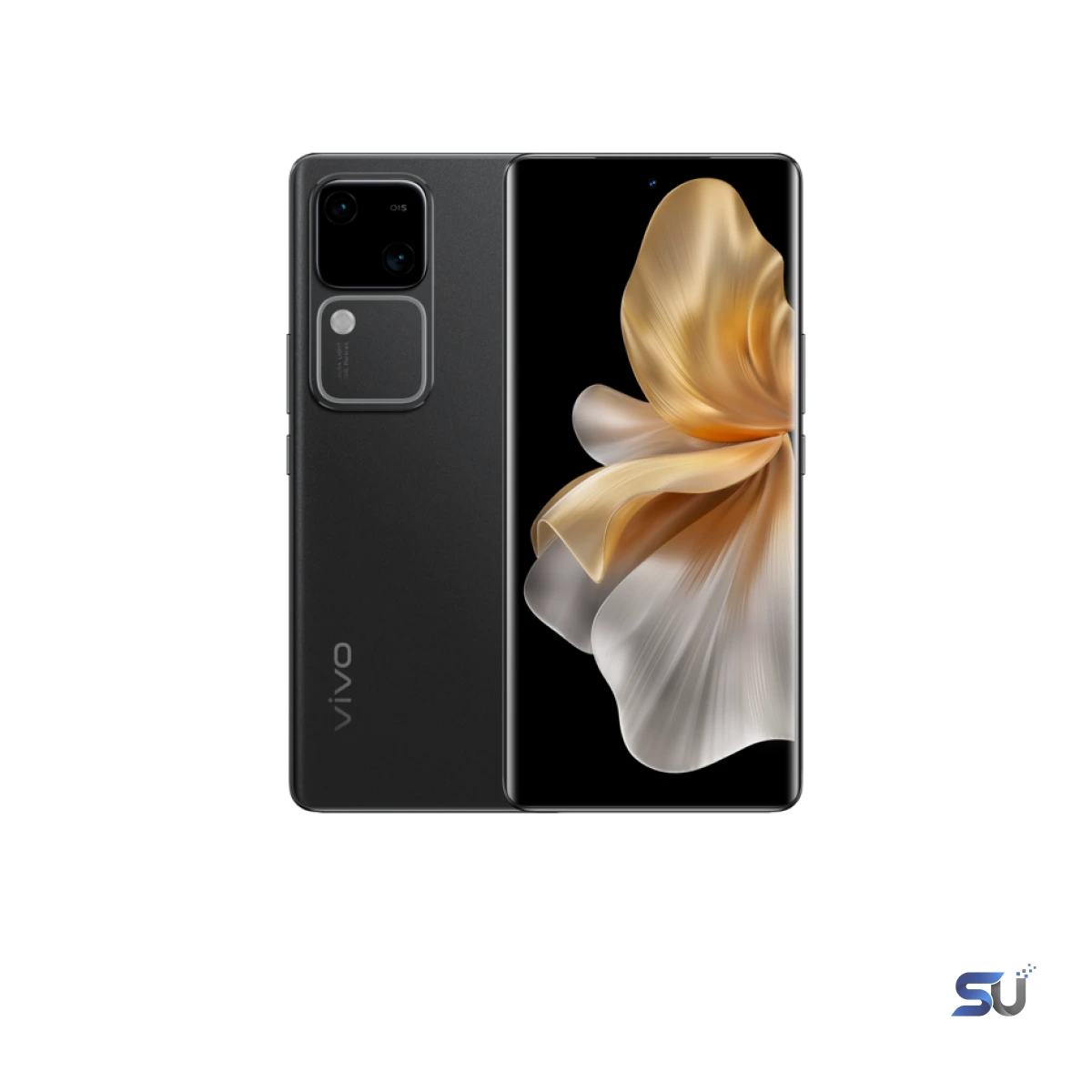
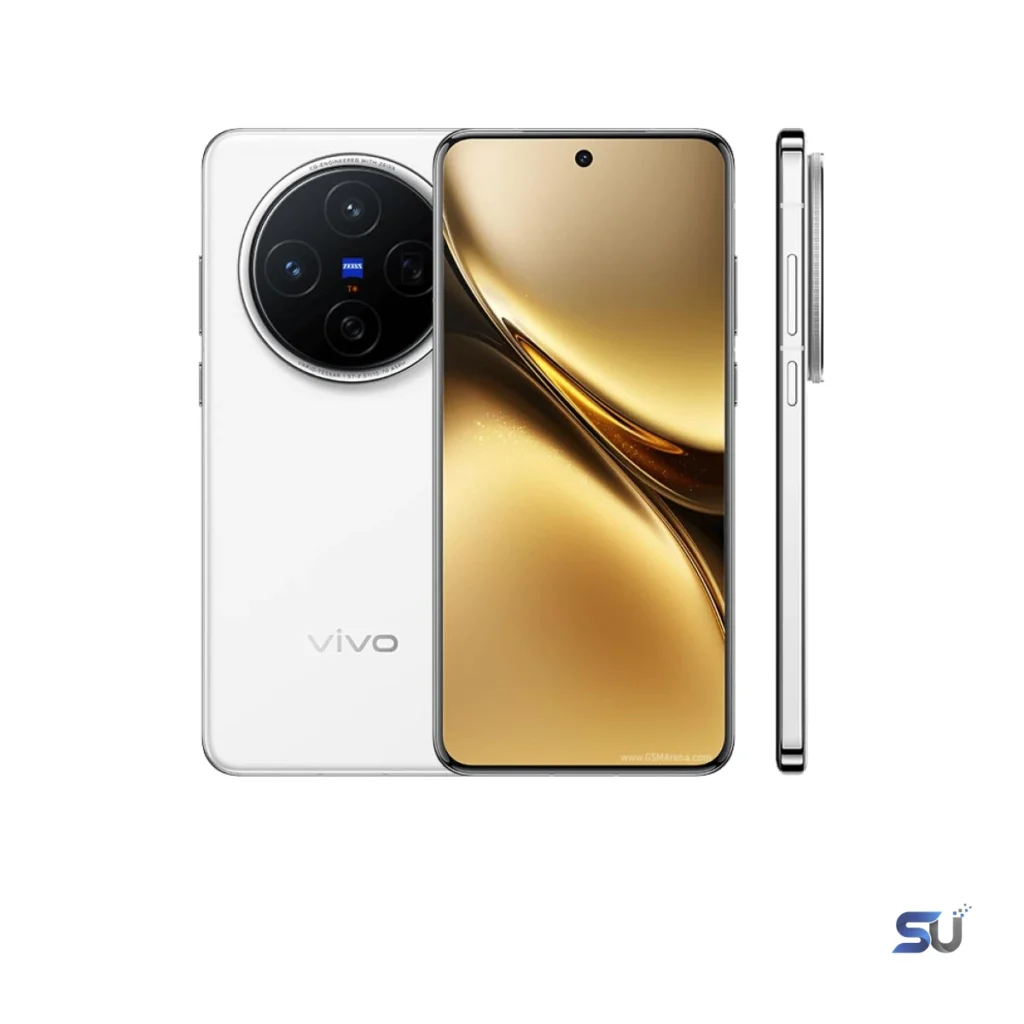
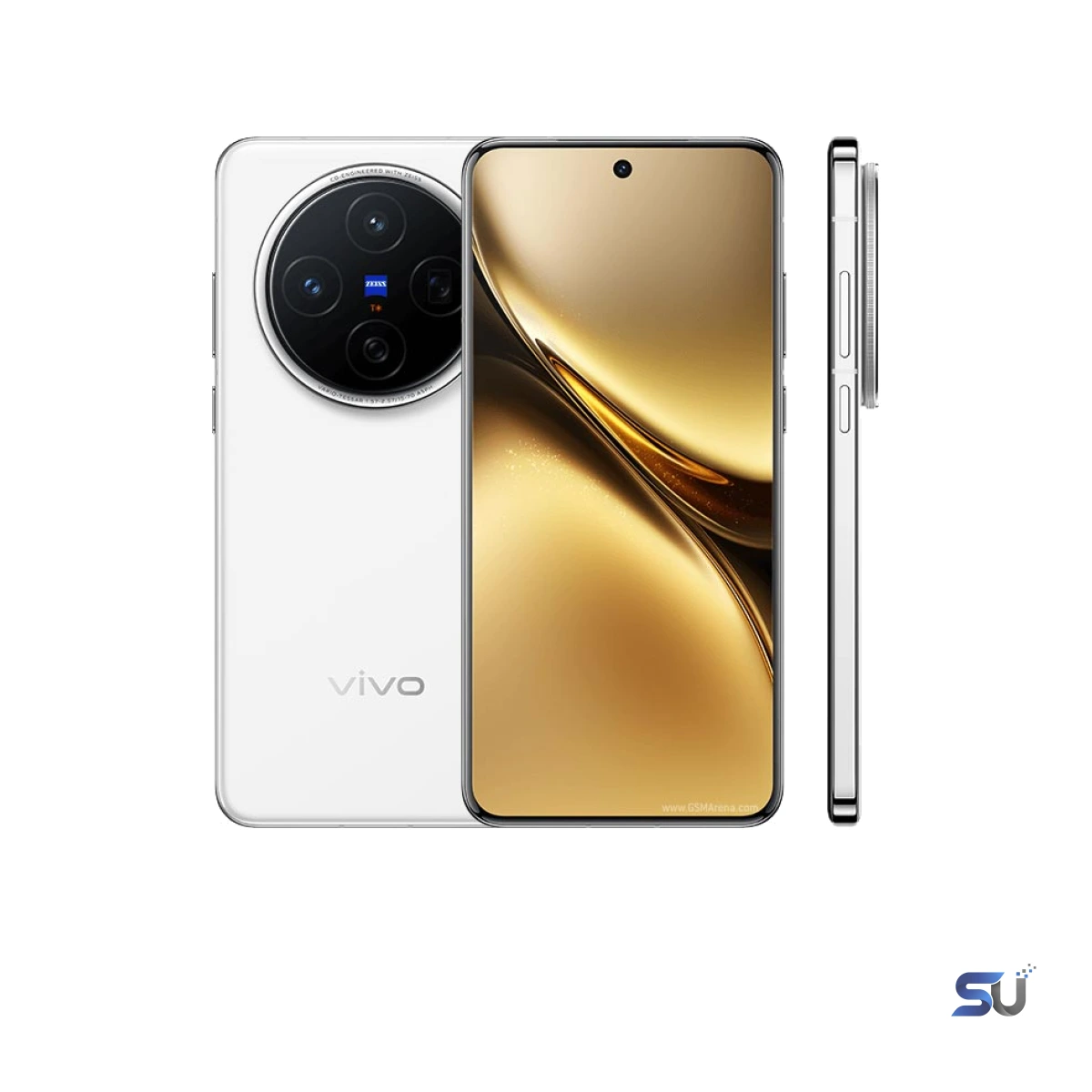
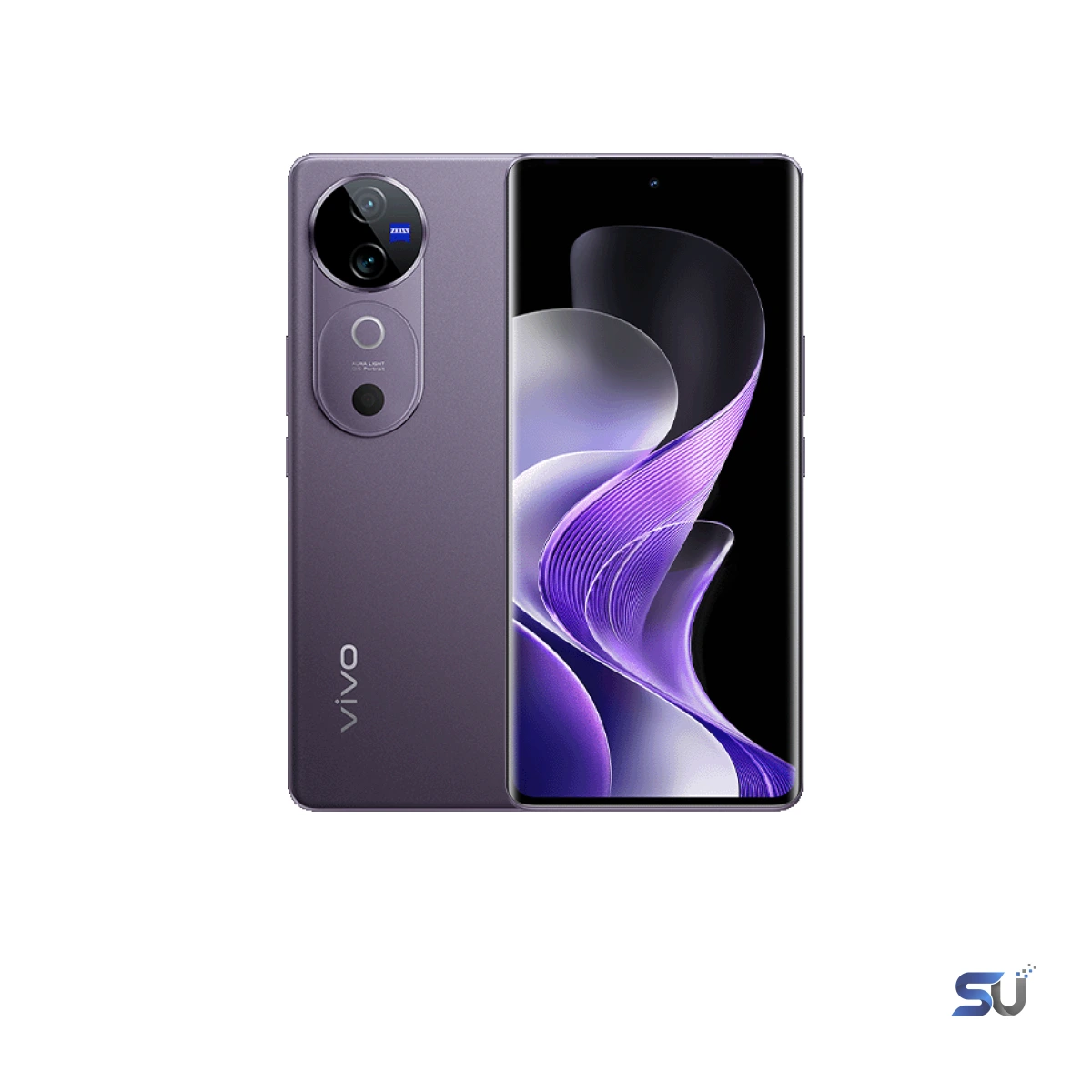
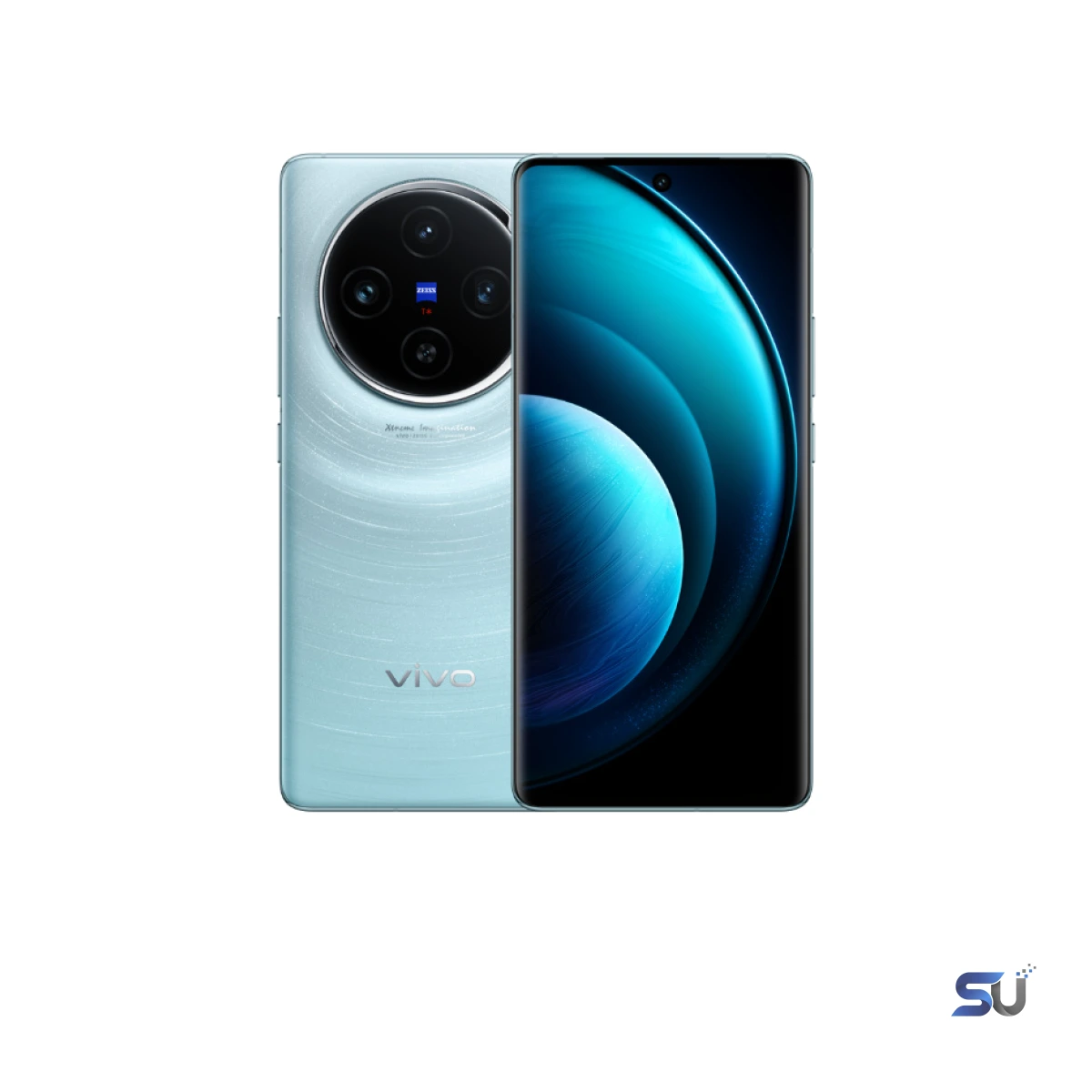
As a result, the phone feels smooth rather than slab-like. A huge circular camera module dominates the rear design. Indeed, that module signals the phone's photographic ambitions clearly. The ring sits centrally, so the phone rests steadily on tables. Similarly, the balanced layout helps the phone feel secure in hand.
Vivo sells the phone in four global colour finishes. Buyers can choose Carbon Black, Moonlight White, Cobalt Blue, or Copper Green. Nevertheless, every finish keeps the same clean, premium look.
The phone also carries IP68 and IP69 water resistance ratings. Thus, rain, splashes, and dusty days hold little fear here. An ultrasonic fingerprint sensor sits beneath the display surface. For example, it unlocks quickly, even with damp fingers.
Display and Visual Experience
The display measures 6.67 inches across its flat panel. However, it feels smaller than many curved rivals in daily use. Its AMOLED panel shows deep blacks and rich, accurate colour. Moreover, ZEISS Master Color tuning keeps tones looking natural. Resolution reaches 2800 by 1260 pixels, near 460 ppi.
As a result, text looks crisp at any sensible distance. The refresh rate peaks at a smooth 120Hz. Furthermore, scrolling and animations feel fluid throughout the interface. Local peak brightness climbs to an impressive 4,500 nits. Indeed, sunlight readability stays strong on bright afternoons.
The panel supports HDR10+ and Netflix HDR playback. Similarly, streamed films show bright highlights and deep shadows. Vivo also focused on comfort during long viewing sessions. For example, 2160Hz PWM dimming reduces low-brightness flicker.
Above 80 nits, the panel switches to DC dimming instead. Thus, sensitive eyes face less strain during evening reading. An LTPO backplane is absent, yet efficiency stays respectable. Nevertheless, the Vivo X200 12GB still feels fast on every swipe. Colours stay consistent across wide viewing angles as well. Overall, this is a bright, calm, and colour-honest screen.
Camera System: ZEISS at the Standard Tier
Photography defines this phone more than any other feature. However, the hardware list only tells half the story. Three rear cameras each carry 50 megapixels of resolution. Moreover, each one serves a distinct, useful purpose.
The main camera uses Sony's IMX921 sensor behind ZEISS optics. Its f/1.57 aperture gathers generous light in dark scenes. Furthermore, optical stabilization keeps handheld shots steady and sharp. Vivo rates that stabilization at CIPA 4.5 level. As a result, night streets keep detail without smeared highlights.
The telephoto camera uses Sony's IMX882 sensor instead. Indeed, its 70mm lens gives a true 3x optical zoom. Portraits gain flattering compression and softly blurred backgrounds. Similarly, the same lens doubles as a telephoto macro camera. It can focus closely at 20x for tiny subjects. For example, flowers and insects reveal striking fine detail. Digital HyperZoom then reaches as far as 100x.
Nevertheless, optical ranges always look cleaner than digital extremes. The ultrawide camera uses Samsung's JN1 sensor with autofocus. Its 15mm lens covers a wide 119-degree view. Thus, landscapes and group photos fit more into frame.
ZEISS T* coating also fights flare and ghosting artifacts. Moreover, ZEISS colour styles add a distinctive photographic flavour. Vivo's own VCS colour aims for true-to-life tones instead. As a result, the Vivo X200 12GB suits both tastes comfortably.
The front camera carries 32 megapixels for selfies. Its f/2.0 lens handles video calls and portraits well. Video recording reaches 4K at 30 or 60 frames per second. Furthermore, gyro stabilization smooths walking footage noticeably.
Stage mode and snapshot tools target moving subjects directly. Super Moon and Super Landscape modes extend creative reach further. A dedicated night mode supports both rear and front cameras. Indeed, low-light selfies stay brighter than many rivals manage.
Performance and Everyday Speed
MediaTek's Dimensity 9400 powers every version of this phone. However, calling it a mid-tier chip would be wrong. This 3-nanometre processor sits among 2024's very fastest designs. Moreover, its all-big-core layout favours sustained, responsive performance.
One Cortex-X925 core runs at up to 3.626 GHz. Three Cortex-X4 cores then handle heavy multi-threaded work. Furthermore, four Cortex-A720 cores manage lighter everyday tasks. Graphics come from the Immortalis-G925 MC12 GPU.
As a result, demanding games run at high settings smoothly. This 12GB tier pairs its RAM with 256GB of storage. Indeed, vivo lists no other storage for this RAM tier globally. The storage uses fast UFS 4.0 technology throughout. Similarly, LPDDR5X memory keeps multitasking quick and fluid.
In 91mobiles testing, AnTuTu reached 2,537,181 points overall. Moreover, Geekbench 6 returned 2,683 single-core and 7,767 multi-core scores. Those numbers place it firmly in flagship territory.
Nevertheless, no microSD slot exists for later expansion. Buyers should therefore choose their storage tier carefully. For example, pairing 12GB with 256GB keeps its price lower. The Vivo X200 12GB still offers ample room for most libraries.
Battery Life and Charging
A 5,800mAh battery anchors the phone's endurance story. However, its silicon-carbon chemistry keeps the body slim. Vivo's third-generation Silicon Negative technology enables that trick. Moreover, the cell keeps working in extreme cold conditions. Vivo rates performance down to minus 20 degrees Celsius.
In its own labs, video playback reached 17.7 hours. Furthermore, 91mobiles measured 13 hours 52 minutes in PCMark testing. As a result, most users can expect a full, heavy day easily. Many lighter users will stretch into a second day.
Charging runs through 90W wired FlashCharge technology. Indeed, short top-ups restore hours of use quickly. The phone also supports wired reverse charging for accessories. Nevertheless, wireless charging is absent from this model entirely. Similarly, magnetic charging accessories find nothing to grip here.
Thus, cable fans win, while pad users should look elsewhere. For example, the Pro model adds proper wireless charging support. Battery health tools inside Funtouch OS help long-term care. Overall, endurance stands among this phone's strongest qualities.
Software and Daily Use
The phone launched with Android 15 on board. However, regional software differs more than usual here. Global and Indian models run Funtouch OS 15. Moreover, Chinese models run OriginOS 5 instead.
Funtouch feels lighter and cleaner than older vivo skins. Furthermore, animations stay smooth on the 120Hz display. Vivo promised four major Android upgrades in India. It also promised five years of security updates there. As a result, the phone should age gracefully for years.
AI features assist with notes, transcripts, and photo cleanup. Google's Circle to Search also speeds up everyday lookups. The interface still includes some preinstalled extra apps. Nevertheless, most extras can be removed or disabled quickly. Similarly, gesture controls and split-screen tools reward exploration.
An infrared blaster even controls televisions and air conditioners. Thus, the Vivo X200 12GB doubles as a living-room remote. Stereo speakers deliver clear, balanced sound for videos. For example, dialogue stays intelligible at moderate volumes.
Connectivity and Extra Features
Dual Nano-SIM cards handle two numbers at once. However, physical SIM trays remain the standard fitment here. The phone supports 5G on SA and NSA networks. Moreover, its band list covers most global carriers well.
Wi-Fi 7 handles fast home and office networks. Furthermore, Bluetooth 5.4 supports modern audio codecs widely. These include aptX HD, aptX Adaptive, and LHDC 5. As a result, wireless headphones sound detailed and stable.
NFC enables contactless payments on supported regional models. Indeed, GPS support spans multiple satellite systems and bands. The USB-C port follows the USB 2.0 standard only. Similarly, no 3.5mm headphone jack appears on this phone.
United States buyers face one important caveat, though. Vivo never sold this phone officially in that market. Thus, imported units need careful carrier band checking first. Nevertheless, travellers in supported regions will connect easily.
Living With the Phone Day to Day
Morning starts with a quick glance at the lock screen. However, the ultrasonic reader wakes the phone almost instantly. Commutes feel easy, because the body stays slim in pockets. Moreover, one-handed reach beats most large flagships here.
Calls sound clear through the earpiece and speakers. Furthermore, vibration feedback feels tight and refined during typing. The X-axis linear motor deserves some credit there. As a result, small touches feel considered throughout.
Photos taken through the day need little editing afterwards. Indeed, ZEISS colour often looks finished straight away. Evening arrives with battery still comfortably in reserve. Similarly, a short charge during dinner restores confidence.
The phone then handles maps, music, and messages effortlessly. Nevertheless, its size still demands two hands for typing sometimes. A case also helps protect that large camera module. Thus, daily life with it feels calm and dependable. For example, nothing in the software fights for attention. Everything simply supports the camera-led experience quietly.
Who Should Buy the Vivo X200 12GB?
This phone suits people who photograph their lives daily. However, it also suits people who simply hate charging nightly. Its cameras reward both casual snappers and serious hobbyists. Moreover, its size stays friendlier than ultra-flagship slabs.
Students will value the strong battery and fast charging. Travellers will value the durable build and bright screen. Furthermore, its performance will not feel dated soon. Gamers can play demanding titles at high settings here.
Nevertheless, dedicated gaming phones offer stronger sustained cooling. Video-first creators may prefer the Pro model's extras. Similarly, wireless-charging fans must also look elsewhere. The standard model instead prioritises value within its range.
Indeed, it keeps the range's headline camera experience intact. It also keeps the same flagship processor as its siblings. As a result, few buyers will feel short-changed here. For example, pairing 12GB with 256GB keeps its price lower. That balance defines the phone's whole character, really.
Summary
The Vivo X200 12GB proves a simple point elegantly. However, flagship photography no longer demands the priciest model. ZEISS optics, three 50MP cameras, and real telephoto zoom lead. Moreover, flagship speed and endurance support them completely.
Its display stays bright, smooth, and comfortable for hours. Furthermore, its build feels premium without punishing weight. The compromises are clear, honest, and easy to judge. Indeed, wireless charging and US availability are the main gaps.
Neither gap undermines the phone's core photographic mission. Thus, camera lovers on this budget tier should shortlist it. As a result, it stands as the range's sweet spot.
Its story began by sharing ZEISS craft more widely. That decision gives this model its lasting significance. Buyers finally gained Pro-grade imaging thinking without Pro pricing.
- ZEISS triple 50MP cameras with 3x optical zoom
- Flagship Dimensity 9400 performance
- Large 5,800mAh battery, 90W charging
- Bright 120Hz AMOLED, gentle PWM dimming