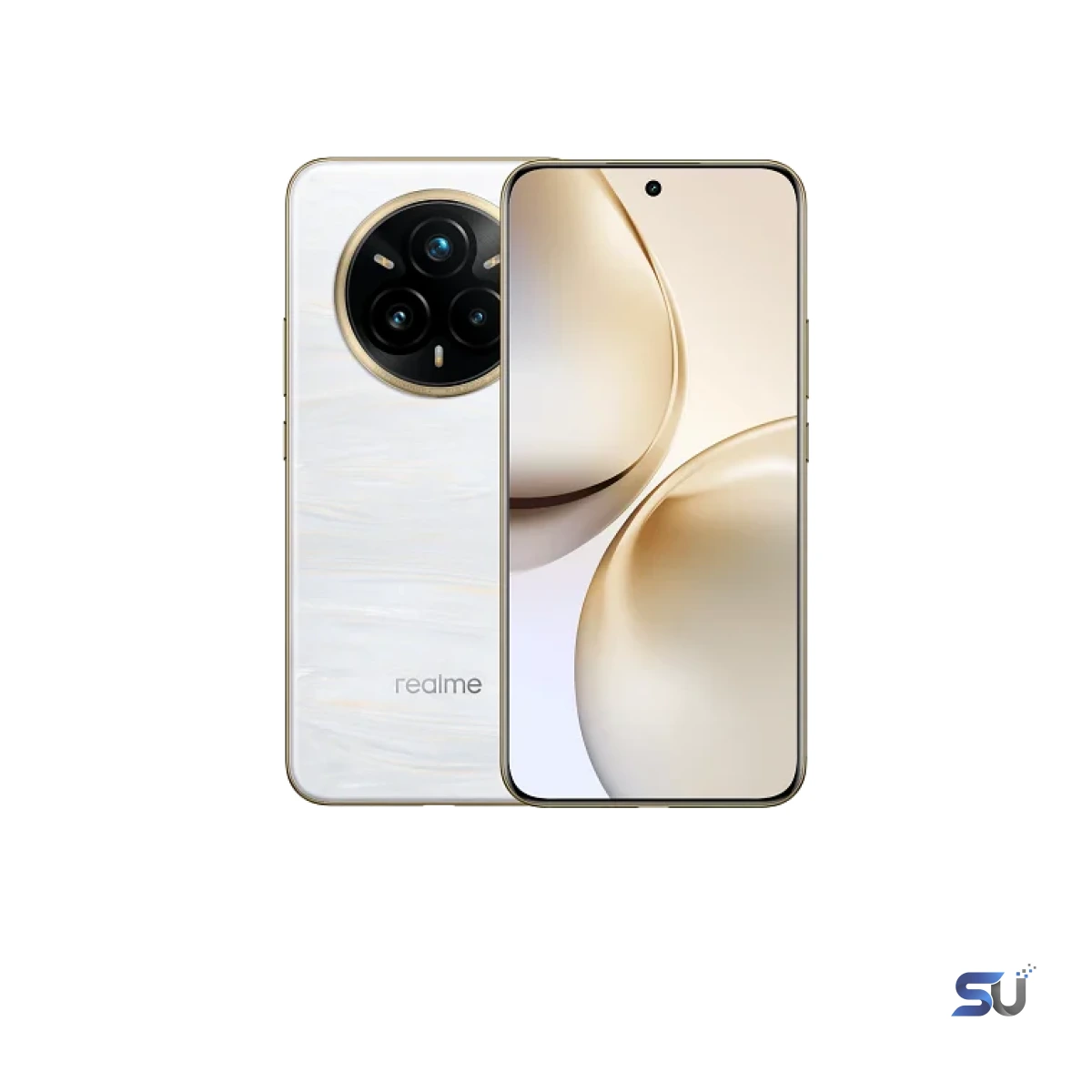
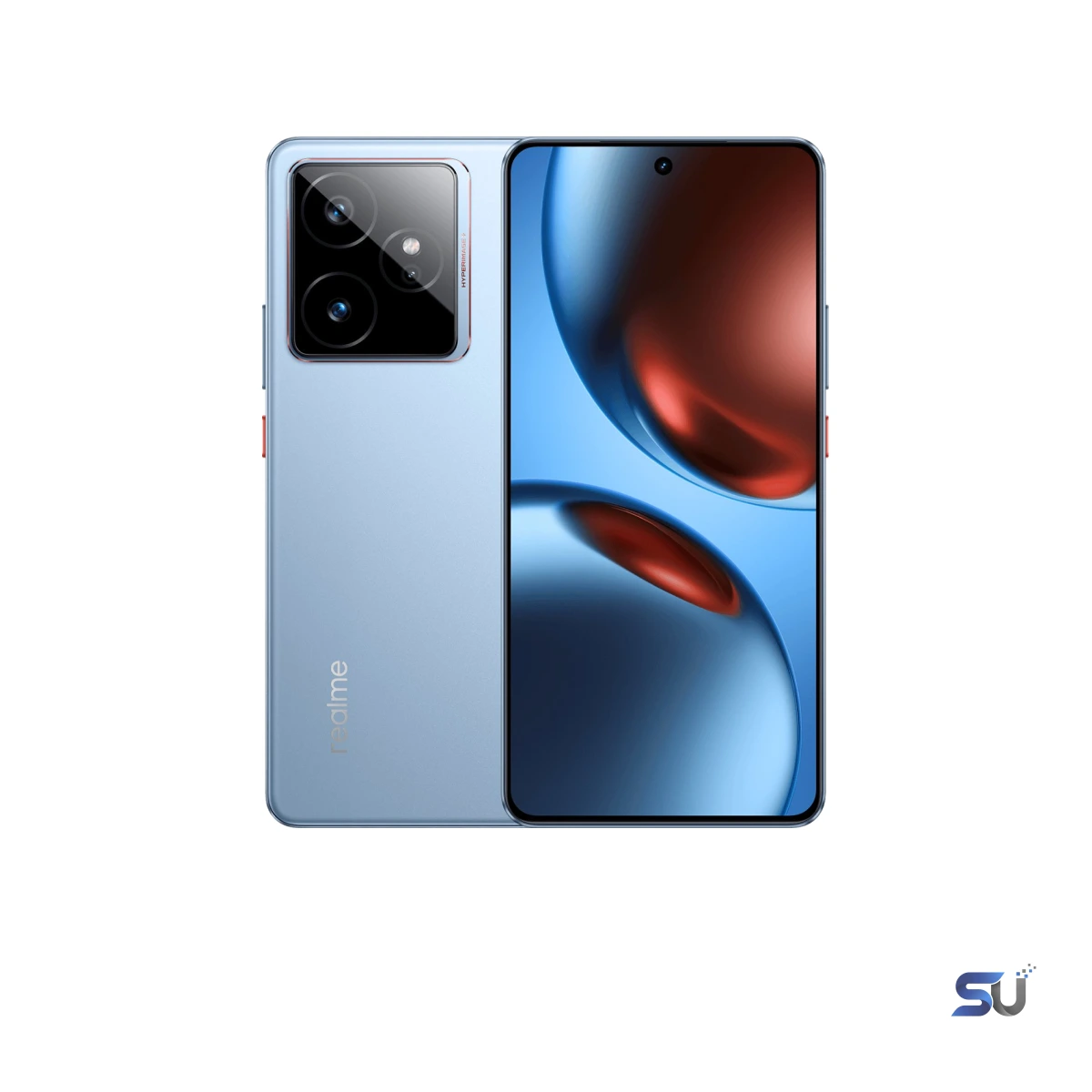
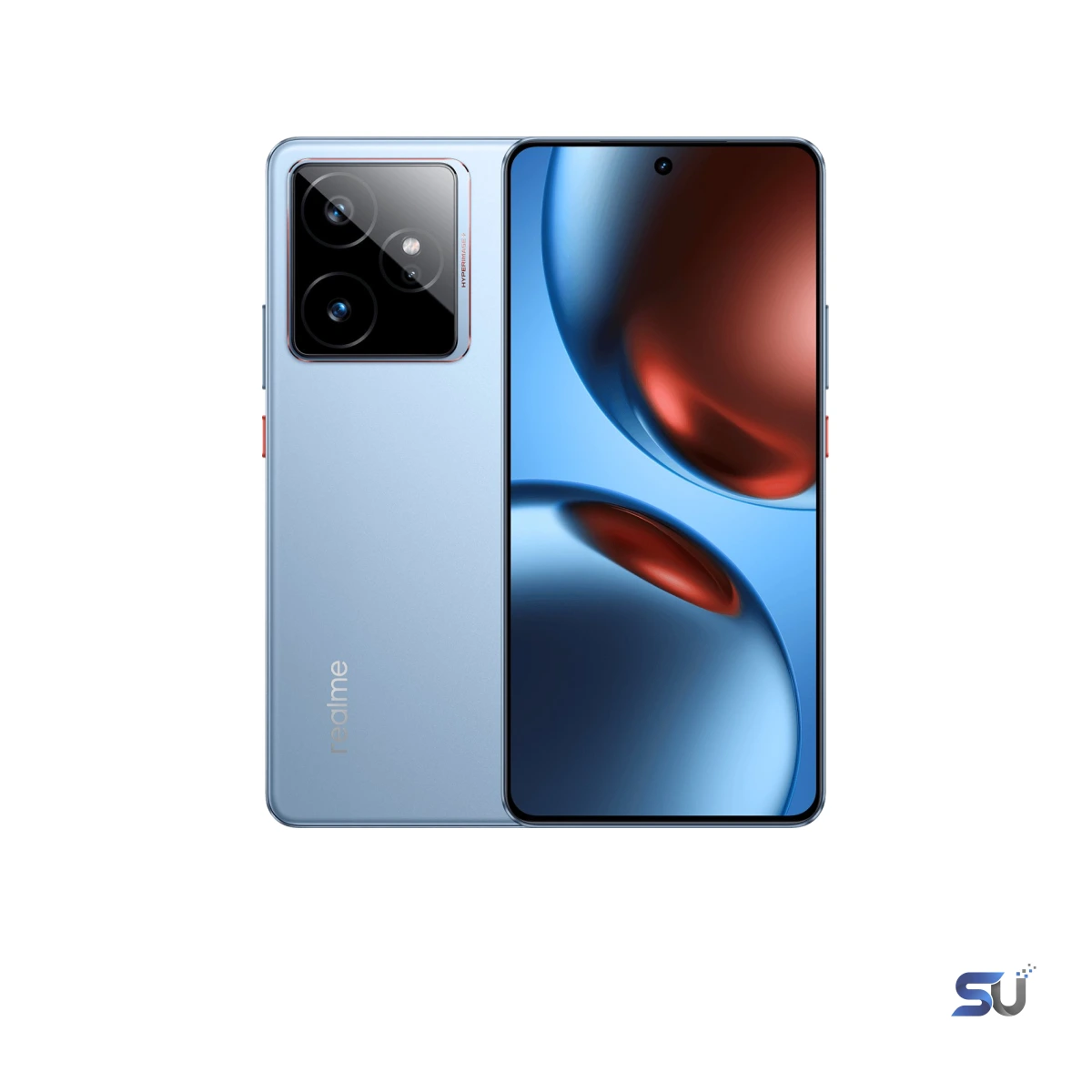
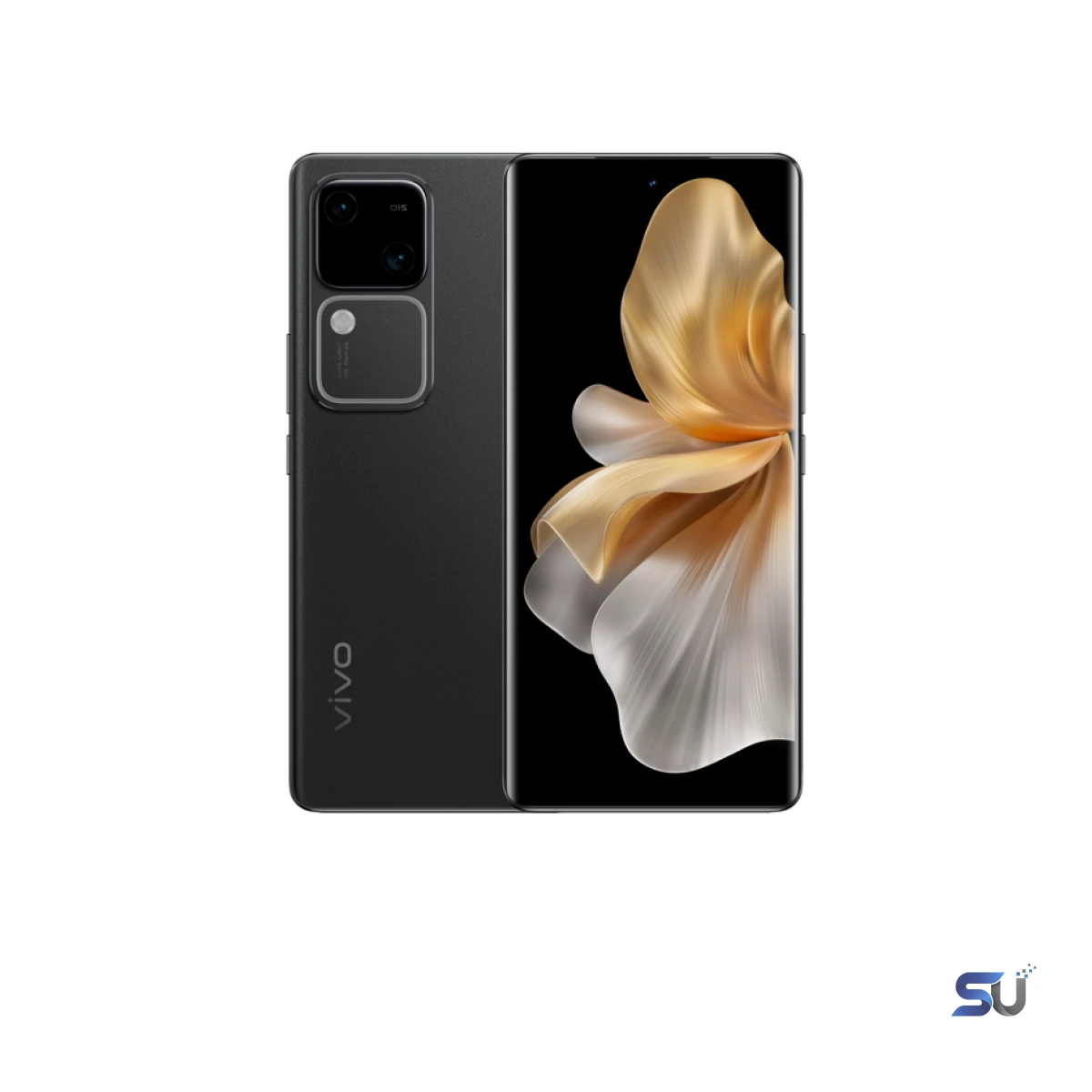
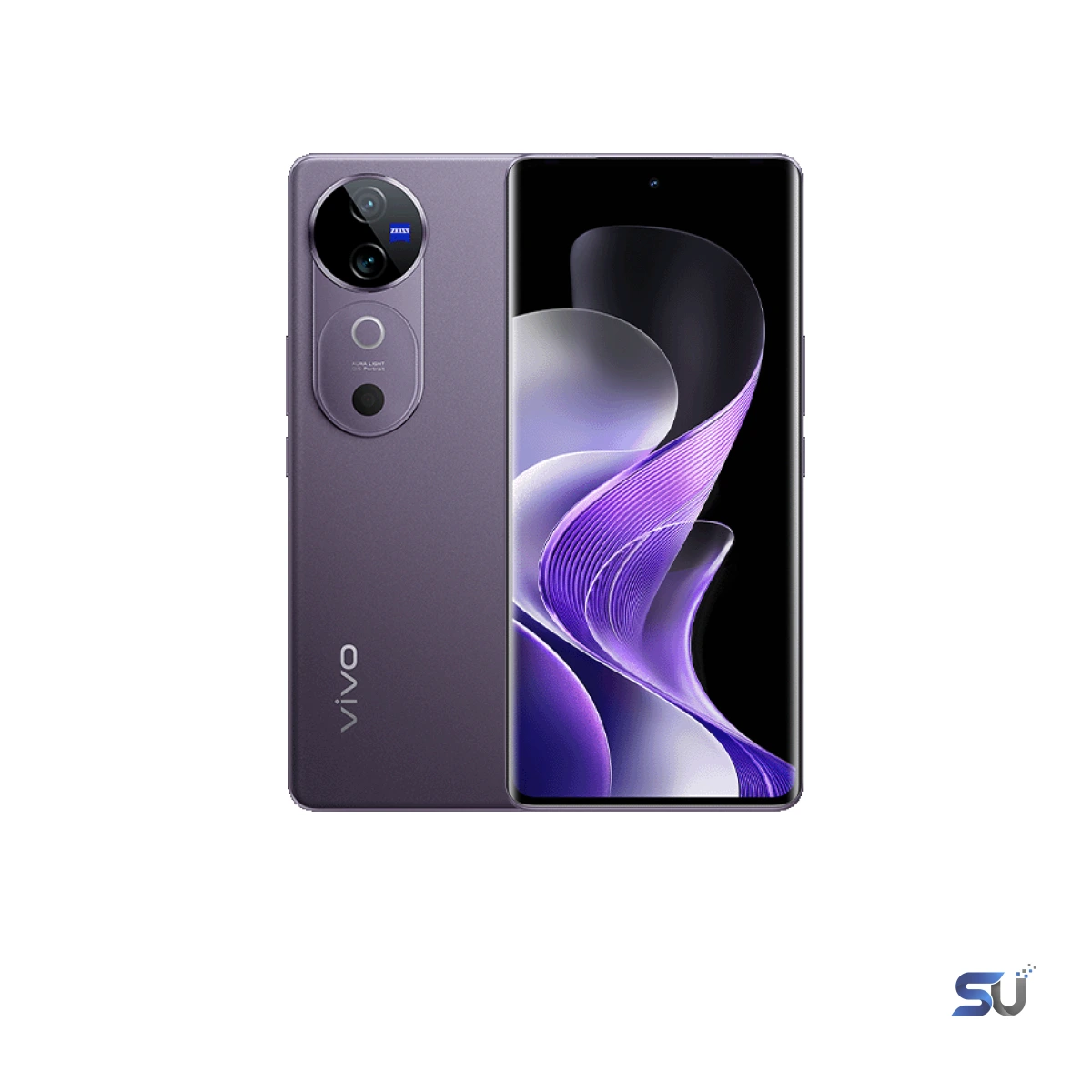
Camera reach defines this mid-range phone from the first glance. Few handsets at this level carry a true periscope zoom. The Realme 14 Pro Plus 8GB builds its whole case around that lens.
Overview
Few phones at this price shoot like the Realme 14 Pro Plus 8GB does. Most mid-range rivals ask buyers to pick between reach and restraint. Zoom cameras usually live far above this price band. Realme chose to challenge that habit with a proper periscope lens. Its telephoto camera peers toward subjects that rivals only crop into. However, the story never stops at that single lens. A huge battery, serious sealing and a curved OLED screen complete the pitch. This device targets photographers first, and everyone else second.
Realme announced the model on 16 January 2025 in India. First sales followed on 23 January 2025 through Realme stores. Retail partner Flipkart carried the phone from day one. The global model code reads RMX5051 on this variant. China sells a domestic twin under code RMX5050 instead. Furthermore, this record covers the 8GB RAM configuration only. Buyers pair that memory with 128GB or 256GB storage. A separate 12GB tier sits beside it in stores. Indeed, separating the tiers keeps every figure honest here.
Position matters inside the crowded Realme 14 family. This Plus model stands above the standard Pro clearly. It adds the periscope camera, faster charging and sharper screen. Moreover, it keeps the family focus on toughness intact. Buyers cross-shop it against Redmi Note rivals daily. Samsung Galaxy A models also crowd this bracket. Nevertheless, few competitors answer with real optical zoom. That single gap shapes the whole sales pitch.
A periscope camera in the mid-range
Periscope lenses fold light sideways inside the phone body. That fold delivers real optical reach without protruding parts. Here, the telephoto camera provides 3x optical zoom. It uses a 50 megapixel Sony IMX882 sensor. Optical stabilization steadies that long lens during handheld shots. Furthermore, clarity holds up surprisingly well at full reach. For example, distant stage performers become realistic subjects here. Street signs stay readable across busy roads too.
Toughness and a color-changing finish
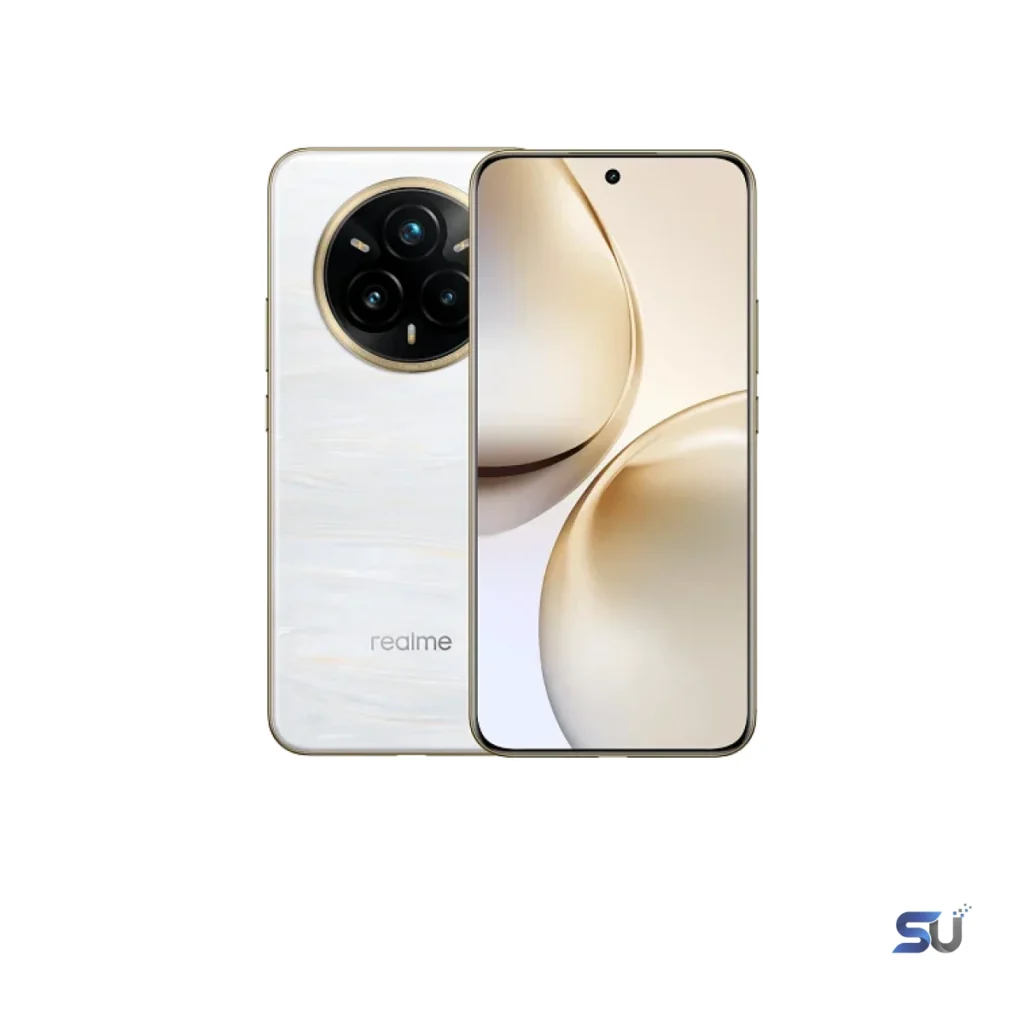
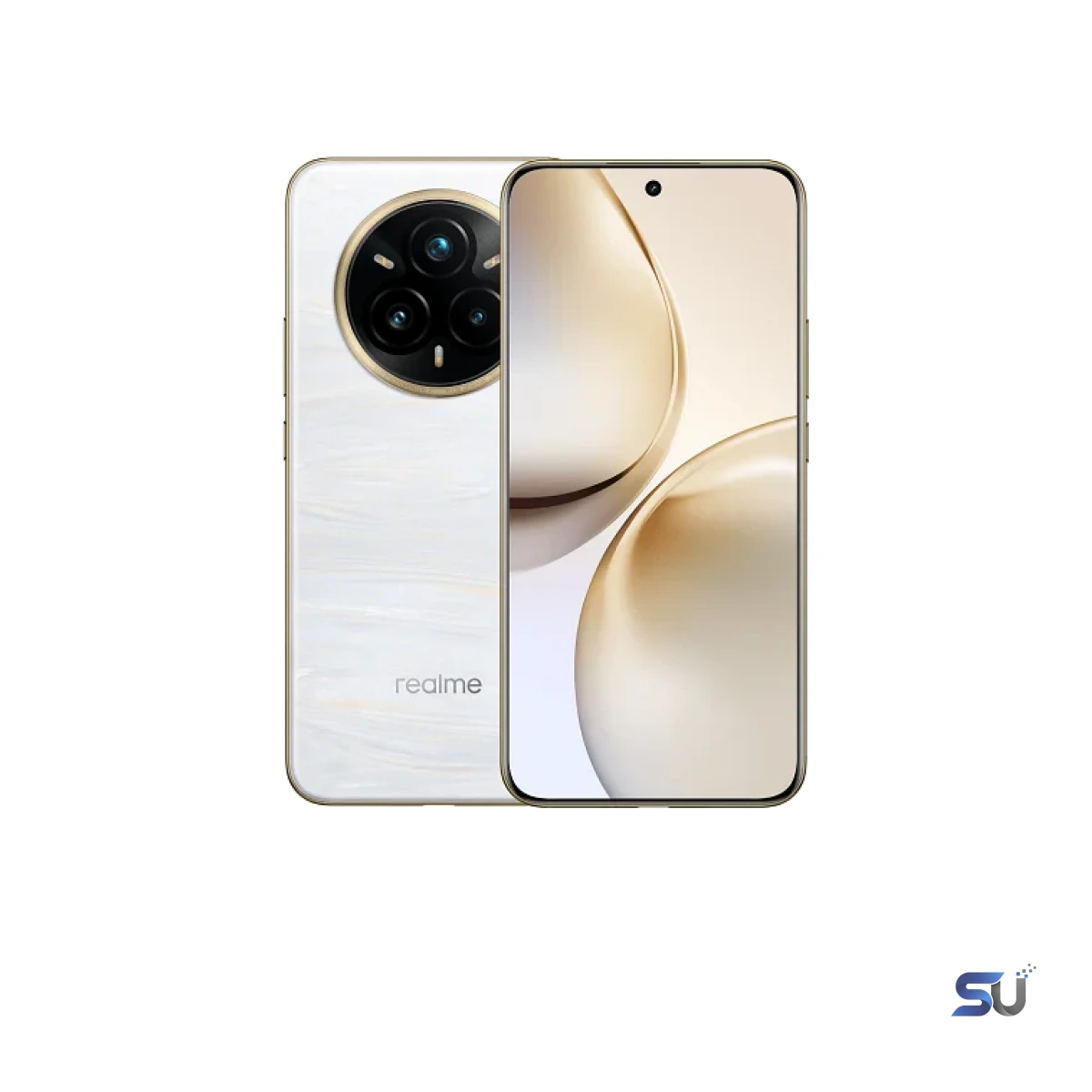
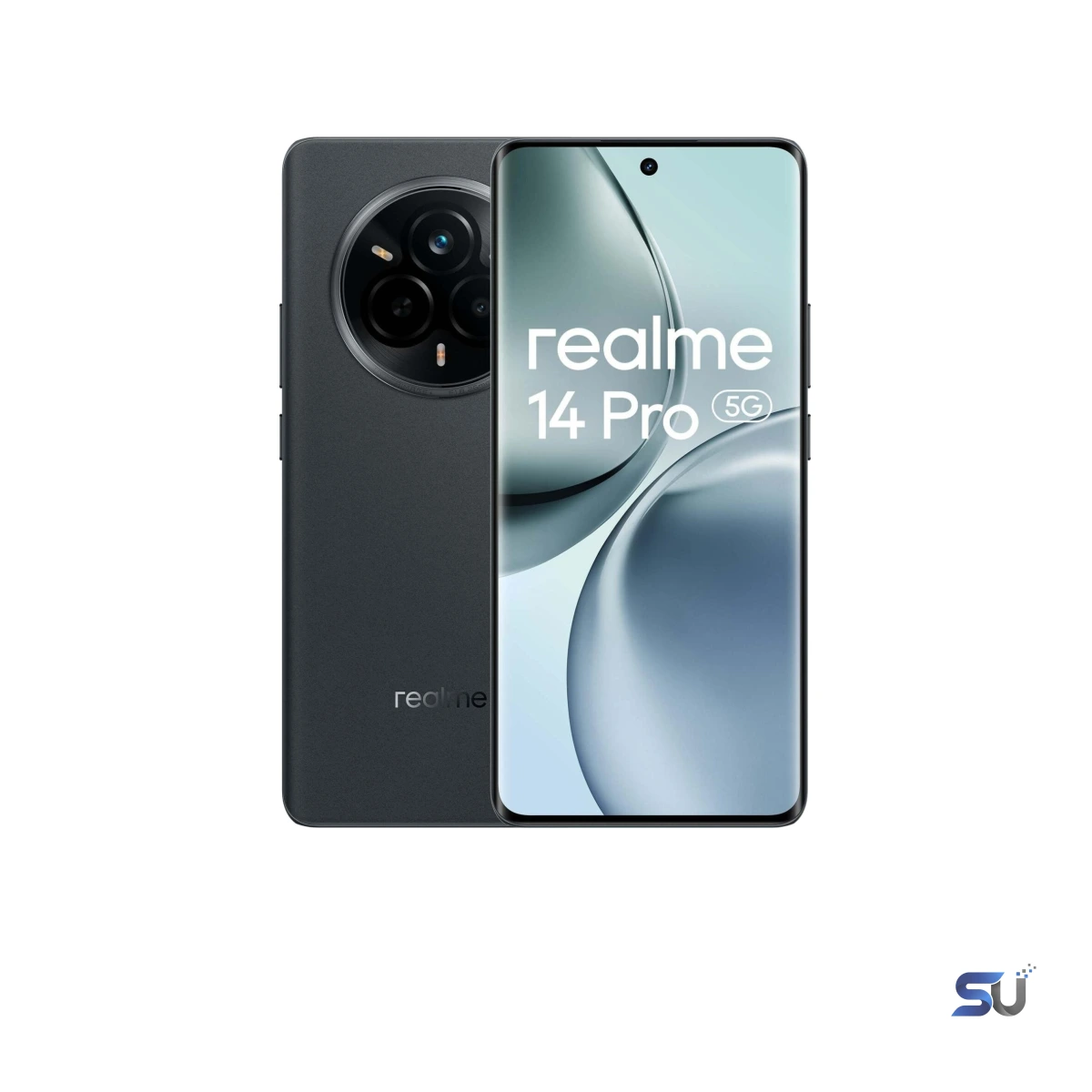
Pearl White changes color when temperatures fall below 16°C. Cold air shifts the back toward vivid blue tones. Realme developed that pigment with Danish studio Valeur Designers. Suede Grey instead wears a soft vegan leather surface. Furthermore, both finishes sit inside a seriously sealed shell. Realme certifies IP66, IP68 and IP69 resistance here. Thus, rain, dust and pressure jets hold little fear. Owners can even shoot photos underwater briefly.
Display and viewing quality
The front carries a large 6.83 inch OLED panel. Realme curves all four edges for a bezel-less look. Resolution reaches 2,800 by 1,272 pixels on this unit. That density works out near 450 pixels per inch. Furthermore, the screen covers the full DCI-P3 gamut. It shows 1.07 billion colors with smooth gradients. Motion feels fluid at the 120Hz refresh rate. Text stays crisp during fast scrolling sessions.
Colors stay accurate across the DCI-P3 gamut. Skin tones look natural in videos and photos. An Always-On Display shows clocks at a glance. Brightness adapts smoothly under changing light conditions. Moreover, thin bezels keep the large panel immersive.
Brightness, dimming and eye comfort
Local peak brightness hits 1,500 nits for HDR highlights. Global maximum brightness reaches 1,200 nits outdoors. Typical brightness settles at 600 nits indoors. However, outdoor legibility stays fair rather than class leading. Dimming runs at 3,840Hz pulse width modulation low down. That rapid rate reduces flicker strain for sensitive eyes. Corning Gorilla Glass 7i guards the panel daily. Similarly, touch sampling at 240Hz keeps taps responsive.
Sound and everyday media
Dual stereo speakers handle video, calls and games. Output stays clear at sensible volume levels. Dialogue remains intelligible over street noise most days. Furthermore, the curved edges make swipes feel smooth. Movies fill the frame with deep OLED blacks. Games benefit from the fast panel every session. Similarly, reading feels gentle during long evening sessions.
Camera system
Three rear cameras share one large circular housing. The main camera uses a 50 megapixel Sony IMX896 sensor. Its 1/1.56 inch sensor gathers generous light daily. An f/1.8 lens pairs with optical stabilization here. Moreover, the periscope telephoto supplies the headline reach. An 8 megapixel ultrawide camera completes the trio. Together, the set spans 16mm to 73mm equivalents.
Daylight photos from the main camera look detailed. Colors stay honest, and dynamic range holds highlights well. Portraits separate subjects cleanly with pleasing background blur. The periscope keeps detail at 3x zoom impressively. For instance, faces stay legible from across a street. Owners of the Realme 14 Pro Plus 8GB gain real framing freedom. However, digital zoom toward 120x serves curiosity mostly. Quality falls quickly beyond the optical range there.
Zoom steps feel natural across the camera range. The 1x, 2x and 3x steps stay consistently sharp. At 6x, processing keeps subjects recognizable and steady. Stage shots benefit greatly from that stability. Moreover, the app marks optical points clearly for beginners.
The ultrawide camera covers group shots and interiors. Its 112 degree view fits tight rooms easily. Detail softens near corners, predictably enough. Up front, a 32 megapixel camera handles selfies. It uses an f/2 lens with autofocus support. Furthermore, front video recording reaches 4K resolution here. That front quality suits vloggers on tight budgets.
Video and night shooting
Rear video tops out at 4K and 30 frames per second. Slow motion reaches 240 frames per second at 720p. Stabilization keeps walking footage steady and watchable. Night mode brightens scenes without flattening them completely. Furthermore, the Underwater mode locks touch input for pools. Starry Mode and Tilt-shift cover playful shooting styles. Dual-View Video records both sides of a moment.
Software tools assist casual shooters throughout the app. AI Ultra Clarity sharpens cropped zoom shots noticeably. AI Snap Mode freezes moving subjects more reliably. Indeed, the interface stays quick and familiar always. Modes include Night, Portrait, Pro and Long Exposure. Hi-Res capture rewards patient shooters with extra detail. Thus, the camera rarely leaves users wanting more.
Performance and hardware
Qualcomm supplies the Snapdragon 7s Gen 3 chipset. The platform uses a modern 4 nanometre process. One Cortex-A720 core peaks at 2.5GHz for bursts. Three further Cortex-A720 cores run at 2.4GHz. Four Cortex-A520 cores handle lighter work at 1.8GHz. Furthermore, an Adreno 810 GPU drives graphics rendering. Realme rates the phone for 120 FPS gaming support.
This configuration pairs the chip with 8GB of RAM. LPDDR4X memory keeps apps ready in the background. Storage uses fast UFS 3.1 chips internally. Buyers choose 128GB or 256GB at purchase time. However, no microSD slot allows later expansion. Daily navigation feels snappy across menus and apps. Moreover, multitasking holds several heavy apps without reloads.
Sustained loads warm the frame without alarming heat. The cooling system spreads warmth across the body evenly. Furthermore, storage speeds keep installs and transfers quick. Large games load without long waiting screens.
Realme 14 Pro Plus 8GB performance numbers
91mobiles tested this exact model across several benchmarks. AnTuTu 10 returned a score of 796,785 points. GeekBench 6 posted 1,198 points single-core. Its multi-core result reached 3,232 points overall. Furthermore, PCMark battery testing lasted 16 hours 10 minutes. Those figures sit mid-pack for this class. Everyday speed, though, feels stronger than rankings suggest.
Gaming and sustained speed
Popular titles run smoothly at balanced settings here. Realme claims 120 FPS support in three major games. A large vapor chamber spreads heat inside the frame. 91mobiles measured controlled heating after thirty gaming minutes. Battery drain reached six percent across that session. Moreover, the curved screen keeps long sessions comfortable. Frame pacing stays steady once settings suit the chip. Competitive players may still crave higher sustained rates.
Battery and charging
A 6,000mAh silicon-carbon battery anchors the hardware list. Realme lists typical capacity at 6,000mAh exactly. Minimum capacity reads 5,860mAh on the sheet. Furthermore, endurance stretches across two light days easily. Heavy users should still finish demanding days comfortably. Standby drain stays low overnight in testing reports. Thus, battery anxiety rarely enters daily routines here.
Wired charging peaks at 80W through SUPERVOOC. Realme rates a half charge near 24 minutes. 91mobiles measured 20 to 100 percent in 45 minutes. An 80W adapter ships inside the box. However, wireless charging stays absent at this price. Reverse charging also misses the feature list entirely. Thus, cable speed carries the entire charging story.
Charging habits matter with fast wired systems. Short top-ups cover evenings out with ease. Owners can refill during breakfast before long commutes. Moreover, the big cell forgives forgotten overnight charges. Battery health tools inside Settings track long-term wear. Similarly, overnight charging stays convenient before travel days.
Software and everyday usability
Realme UI 6.0 runs over Android 15 here. The interface feels familiar within minutes of setup. Menus keep settings grouped in sensible places. Furthermore, Realme promises up to three major Android upgrades. Security updates run for four years in total. An optical fingerprint reader hides beneath the display. It unlocks the phone quickly throughout the day. Face unlock offers a quicker, less secure alternative.
Everyday touches shape the ownership experience most. App launches feel instant during normal multitasking. Notifications arrive promptly across both SIM cards. Dual app support clones popular messaging apps easily. Furthermore, the large screen helps split-screen multitasking greatly. Gestures replace buttons cleanly for most owners. Owners of the Realme 14 Pro Plus 8GB get a clean, current software base.
Connectivity and 5G performance
Dual Nano-SIM slots accept 5G on both cards. The modem supports SA and NSA network modes. Wi-Fi 6 covers fast home and office networks. Bluetooth 5.2 links earbuds, watches and speakers reliably. Furthermore, NFC enables payments on global variants only. Indian units skip NFC hardware entirely here. GPS locks with GLONASS, Galileo, BeiDou and QZSS. A USB Type-C port handles charging and data. However, transfers follow the slower USB 2.0 standard.
Realme 14 Pro Plus 8GB Summary and full specifications
The short list below names the strongest points first. Every figure after it matches the saved specification fields.
- 50MP periscope telephoto camera with 3x optical zoom
- 6,000mAh battery with 80W wired charging
- IP66, IP68 and IP69 dust and water resistance
- 6.83 inch OLED screen at 120Hz
- Snapdragon 7s Gen 3 with 8GB of RAM
Realme 14 Pro Plus 8GB is the 8GB RAM variant of the Realme 14 Pro Plus 5G (model RMX5051)
Display: 6.83 inch OLED, 2,800 x 1,272 pixels, 120Hz, 1,500 nits local peak
Chipset: Qualcomm Snapdragon 7s Gen 3 (4nm), Adreno 810 GPU
Memory: 8GB LPDDR4X RAM, 128GB / 256GB UFS 3.1 storage, no microSD slot
Rear cameras: 50MP main (f/1.8, OIS), 50MP periscope telephoto (f/2.65, 3x optical zoom, OIS), 8MP ultrawide (f/2.2)
Front camera: 32MP (f/2)
Battery: 6,000mAh, 80W wired SUPERVOOC
Software: Android 15, Realme UI 6.0
Body: 163.51 x 77.34 x 7.99mm, 194g, IP66 / IP68 / IP69
Colors: Pearl White, Suede Grey, Bikaner Purple (India only), Emerald Drift (India only)
Release date: 16 Jan 2025
Frequently Asked Questions
When was this phone announced?
Realme announced the phone on 16 January 2025 in India. First sales followed on 23 January 2025.
Which storage options pair with 8GB of RAM?
Two pairings carry 8GB of RAM officially. Buyers choose 128GB or 256GB of UFS 3.1 storage.
Does the phone survive full immersion in water?
Yes, within IP68 limits when the seals stay intact. Realme also certifies IP66 and IP69 protection here.
How fast does the battery charge?
Wired charging peaks at 80W with SUPERVOOC. Furthermore, Realme rates a half charge at roughly 24 minutes.
Does it include a microSD slot?
No, this model has no microSD slot. Internal storage must cover apps, photos and downloads.
Which Android version does it run?
It ships with Android 15 and Realme UI 6.0. Realme promises up to three major Android upgrades.
Is Bikaner Purple sold in every market?
No, Bikaner Purple is an India-only finish. Global buyers choose Pearl White or Suede Grey instead.
Verdict
Taken as a whole, this is the camera-led pick in its family. The periscope lens genuinely changes what owners can shoot. Realme 14 Pro Plus 8GB also brings stamina, toughness and charging speed. However, screen brightness trails some rivals outdoors. Wireless charging and USB speed also lag behind. In short, choose it for zoom, battery life and durability. Photographers on a budget gain the most here.
Value depends heavily on local pricing and availability. Shoppers prioritizing zoom should shortlist this model early. Others may prefer brighter screens or faster chips. Nevertheless, few phones combine this sealing, battery and lens. The package feels coherent rather than gimmicky overall. That balance earns the phone a confident recommendation.