Overview
Think about the phone you will be holding two years from today. Not the one you unbox this week, glowing and flawless, but the one that has survived two years of your actual life — the commute, the group chats, the forty open tabs. Indeed, the Motorola Edge 60 12GB is built for that version of you.
Most mid-range phones are sprinters. They feel fast on day one and tired by month eighteen. This one takes a different bet. Motorola kept everything people loved about the standard Edge 60 — the 4,500-nit pOLED display, the stabilized triple camera, the military-grade toughness — and doubled the memory to 12GB of RAM. That single change rewrites the phone's whole story.
Why does RAM matter more than any other number on the spec sheet? Because memory is the one thing you cannot upgrade later. Processors get more efficient through software updates. Cameras improve with new processing. However, RAM is fixed on the day you buy. When apps get heavier, phones with headroom stay smooth while the rest start reloading.
For example, picture a normal Tuesday. You jump between navigation, a video call, a photo editor, and a game without closing anything. On 8GB, something eventually gives. With 12GB, everything just stays where you left it. Indeed, that invisible comfort is the entire pitch here.
Thus, this is not a review of a flashy new flagship. It is a review of a practical decision: pay a little more now for a phone that refuses to age badly. Let us see whether the hardware earns that promise.
Design and Build
Pick up the Edge 60 12GB and the first thing you notice is how little it asks of your pocket. At 179 grams and 7.9 millimeters thin, it slips into jeans and jackets without the brick-like presence of so many rivals. Indeed, Motorola clearly decided that comfort is a feature.
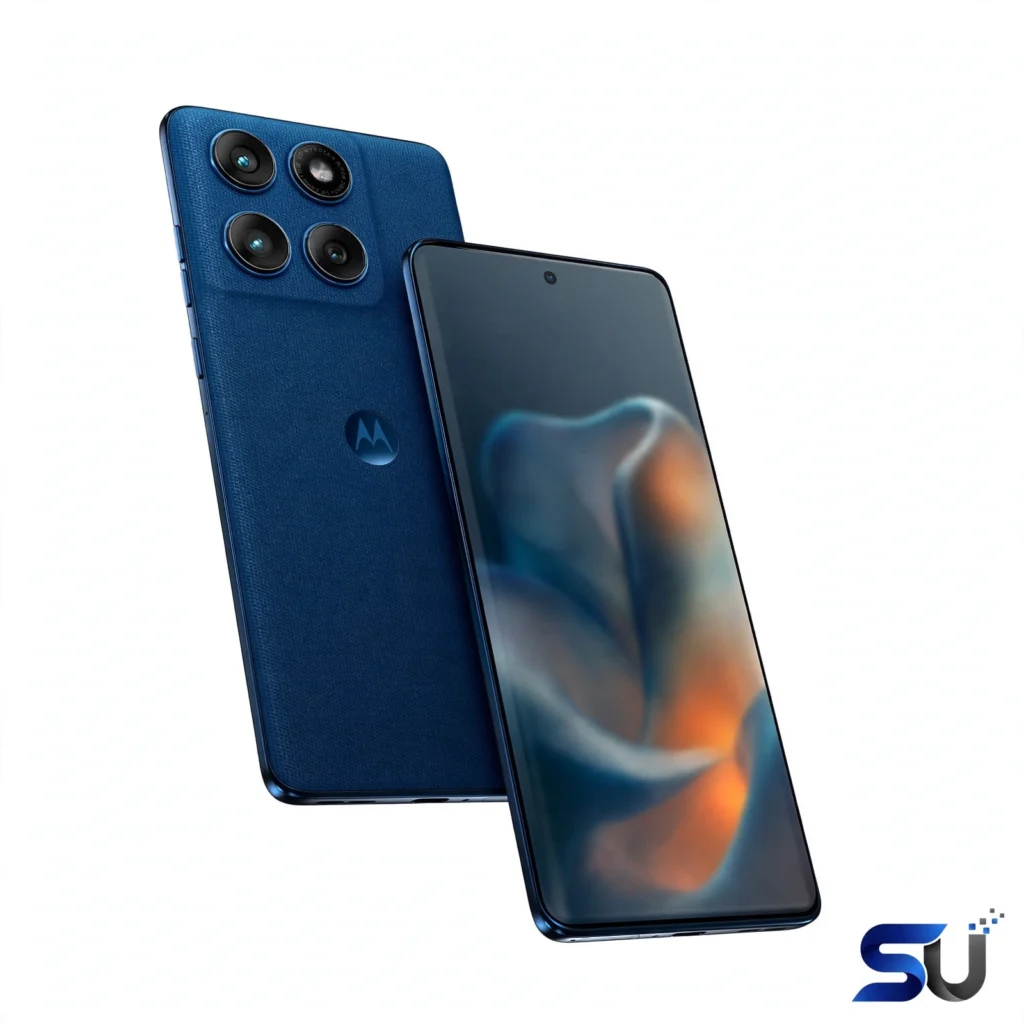
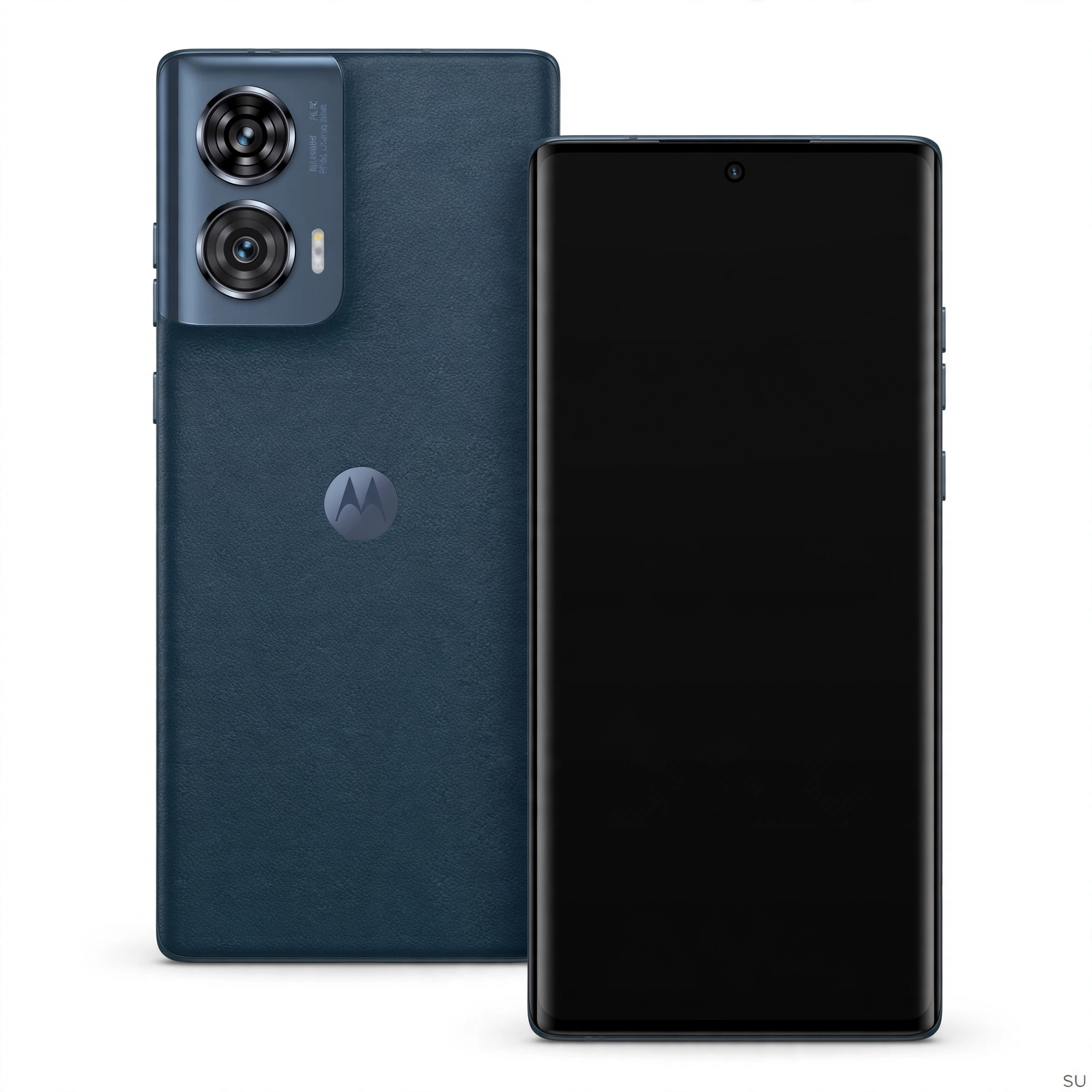
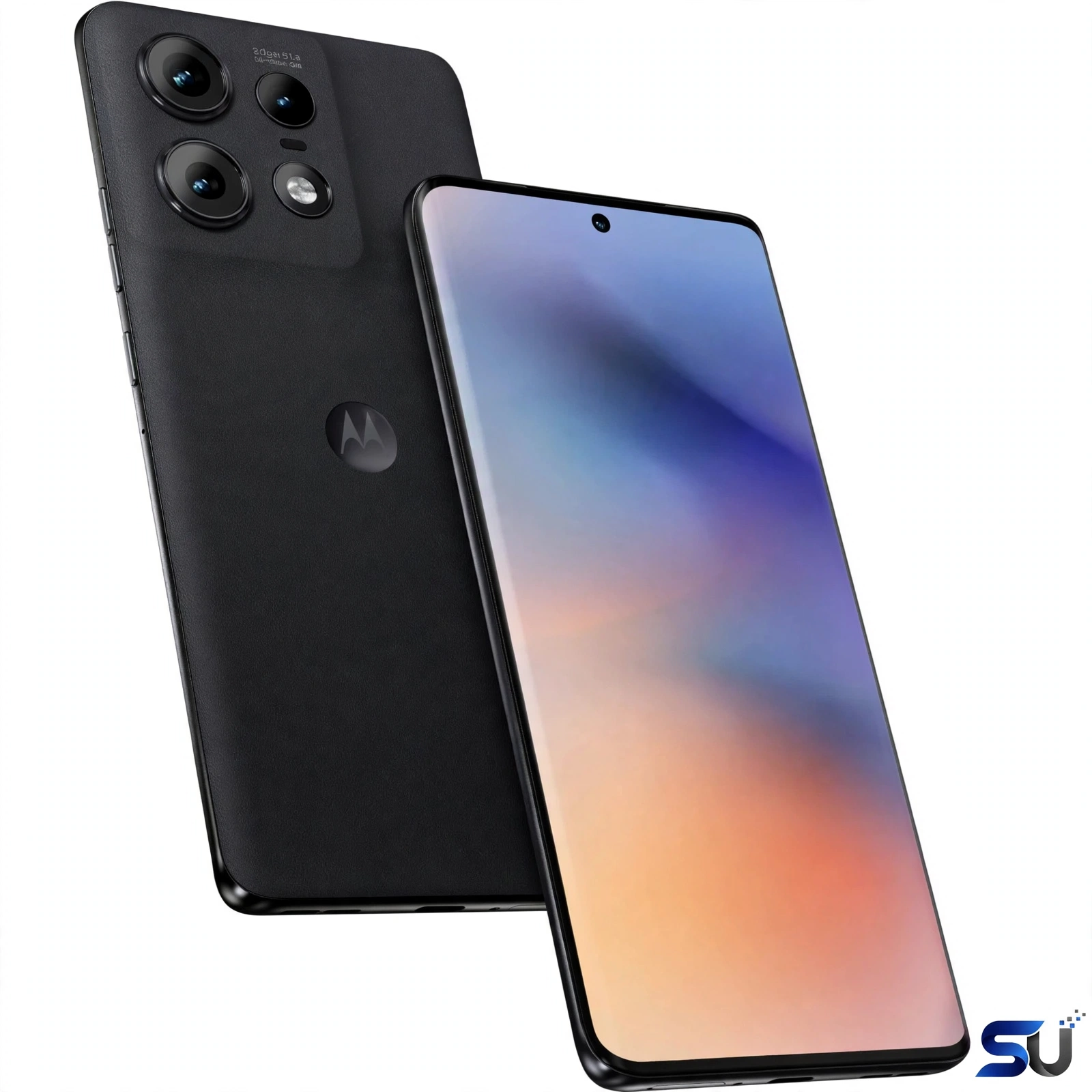
The front is Corning Gorilla Glass 7i, flat and clean, with slim uniform bezels that make the 6.67-inch display feel bigger than it is. Around the back, things get more interesting. Motorola offers Pantone-curated finishes — Gibraltar Sea, Shamrock, and Plum Perfect — with a soft-touch texture that shrugs off fingerprints. For instance, the Shamrock green shifts subtly in different light.
Then there is the toughness story, and it is a good one. The Motorola Edge 60 12GB carries both IP68 and IP69 ratings, so it survives dust, submersion, and even high-pressure water jets. Furthermore, it meets MIL-STD-810H standards for drops and shocks. Few phones near this price dare to claim that much.
The frame is plastic rather than metal, which keeps weight down. Nevertheless, nothing creaks or flexes. Buttons feel clicky, the USB-C port sits centered, and the whole package feels deliberate. This is a phone designed by people who actually carry phones.
Display
The 6.67-inch pOLED panel is the kind of screen that ruins cheaper displays for you. Resolution lands at 1220 x 2712 pixels, which works out to roughly 446 pixels per inch — sharp enough that text looks printed. Colors pop without turning cartoons into neon. Moreover, HDR10+ support means movies show real depth in shadows.
Then comes the headline number: 4,500 nits of peak brightness. In practice, the screen stays readable on a sunny sidewalk at noon. Most rivals in this price band top out far lower and wash out outdoors. As a result, the Motorola Edge 60 12GB is simply easier to live with in bright places.
The 120Hz refresh rate keeps scrolling silky, and Motorola's tuning avoids the aggressive battery drain some high-refresh screens suffer. Touch response feels immediate. Similarly, the panel dims gracefully at night, so late reading sessions do not sear your eyes.
The under-display optical fingerprint sensor is fast and well placed. For example, it rarely needs a second try. Face unlock works fine as a backup. The screen is, frankly, the best reason many people will buy this phone.
Camera
Rear cameras
Motorola gave this phone three genuinely useful rear cameras instead of the usual two-plus-filler setup. Firstly, the main 50MP wide camera uses a large 1/1.56-inch sensor with an f/1.8 aperture and optical image stabilization. Daylight shots are crisp with natural colors, and at night the OIS keeps exposures steady.
Secondly, the surprise star is the 10MP telephoto. It offers true 3x optical zoom with its own stabilization — a rarity at this price. Distant subjects stay sharp instead of turning into watercolor. For example, concert shots and travel details finally look like what your eyes saw.
Thirdly, the 50MP ultrawide covers 122 degrees at f/2.0. Group photos and architecture fit easily, and detail holds up better than most ultrawides in this class. Nevertheless, low-light ultrawide shots show some softness. That is normal physics at this price.
Front camera and video
The 50MP front camera is overkill in the best way. Selfies carry real detail, skin tones look honest, and the f/2.0 aperture helps indoors. Calls look sharp, which matters more than most spec sheets admit.
Video recording tops out at 4K and 30 frames per second on both front and rear cameras. The rear camera adds gyro-based electronic stabilization alongside optical stabilization, so walking footage stays smooth. Indeed, few rivals offer this much video flexibility near this price.
Performance
The 12GB difference
Here is the heart of this phone. The MediaTek Dimensity 7300 is a 4-nanometer chip with eight cores — four fast Cortex-A78 cores at 2.5GHz for heavy lifting and four efficient Cortex-A55 cores for background work. Graphics come from the Mali-G615 MC2. It is a proven, efficient mid-range platform.
However, the chip is only half the story. Paired with 12GB of RAM and 256GB of UFS 2.2 storage, the Motorola Edge 60 12GB simply never feels crowded. Apps stay frozen in memory for hours. Switching back to a game resumes instantly instead of reloading. For instance, you can keep maps, music, a browser with dozens of tabs, and a camera all alive at once.
Why does this matter more than benchmark scores? Because real-world smoothness is about memory pressure, not peak speed. The Dimensity 7300 is quick enough for everything. Its 12GB of RAM makes sure it never has to apologize. Thus, this phone should feel fast in year three, not just week one.
Shoppers in India get the Dimensity 7400 variant instead — a mild clock-speed bump on the same architecture that you would never notice day-to-day.
Gaming and thermals
Games run well here. Demanding titles play smoothly at high settings, and the 4nm chip sips power rather than gulping it. The phone stays merely warm during long sessions, never hot. Furthermore, the stereo speakers with Dolby Atmos give games real punch.
Nevertheless, set expectations honestly. This is not a gaming phone with a vapor chamber and a 144Hz screen. It is a well-rounded phone that happens to game nicely. For most players, that is the better deal.
Battery and Charging
The 5,200mAh battery is sized for real life. Moderate users will end the day with 30 to 40 percent remaining. Heavy users — navigation, camera, gaming — will still make bedtime. Indeed, the efficient 4nm chip deserves much of the credit.
Charging is where Motorola flexes. The 68W TurboPower charger refills the battery remarkably fast. A quick top-up before leaving the house genuinely moves the needle. For example, fifteen minutes can add hours of use. As a result, battery anxiety mostly disappears.
What is missing? Wireless charging. It simply is not here. Moreover, box contents vary by region, so check before you buy. The 12GB model shares its battery and charging with the 8GB version — no changes, no surprises.
One regional note: India and China get a larger 5,500mAh cell. Everywhere else gets 5,200mAh. Both are generous.
Software
The Motorola Edge 60 12GB ships with Android 15 and Motorola's light Hello UX layer on top. It feels close to stock Android, which is exactly what many buyers want. Moreover, there is little bloat and no heavy skin fighting the system.
Motorola promises up to three major Android upgrades. That takes the phone to Android 18 in theory. For a mid-range device, that is a respectable commitment. Furthermore, it pairs nicely with the 12GB of RAM — the hardware and software timelines actually match.
Motorola's extras are thoughtful rather than gimmicky. Smart Connect links the phone to Windows PCs and tablets. Moto Gestures like chop-for-flashlight remain delightful. However, Motorola's update speed has historically trailed Google and Samsung. Patience is required.
Connectivity and Extras
Everything you expect is here. 5G covers sub-6GHz bands widely. Wi-Fi 6 runs on dual bands. Bluetooth pairs quickly with earbuds and watches. Furthermore, NFC handles tap-to-pay without fuss.
The SIM setup flexes by region: Nano-SIM, Nano-SIM plus eSIM, or dual Nano-SIM depending on where you buy. A microSDXC slot expands the 256GB of storage — increasingly rare and genuinely welcome. Indeed, expandable storage plus 12GB of RAM is a combination flagships abandoned years ago.
Positioning uses GPS, GLONASS, and GALILEO for fast, accurate locks. The USB-C 2.0 port supports OTG for flash drives. Similarly, the sensor array covers the essentials: accelerometer, gyroscope, proximity sensor, and compass. Nothing exotic is missing.
Strengths and Weaknesses
Strengths
- 12GB of RAM keeps multitasking smooth for years
- Stunning 4,500-nit 120Hz pOLED display
- Versatile triple camera with stabilized 3x optical zoom
- IP68/IP69 plus MIL-STD-810H toughness
- Fast 68W TurboPower charging
- microSDXC expansion and stereo Dolby Atmos speakers
Weaknesses
- No wireless charging
- Missing 3.5mm headphone jack
- UFS 2.2 storage, not the faster UFS 3.1
- Ultrawide camera softens in low light
- Plastic frame instead of metal
- Software updates arrive slower than rivals
Final Verdict: Should You Buy the Motorola Edge 60 12GB?
So who is this phone for? It is for the buyer who thinks in years, not months. The student who needs one phone through graduation. Commuters living out of forty open tabs. Indeed, it is for the pragmatist who would rather buy headroom than hype.
The Motorola Edge 60 12GB does not win on any single spec. It wins on the combination: a gorgeous bright display, a genuinely versatile camera, real toughness, fast charging, and memory to spare. Furthermore, it does all this while staying light and comfortable.
Nevertheless, be honest with yourself. If you upgrade every year, save money with the 8GB model. Need wireless charging or the fastest storage? Look elsewhere. However, if you want a mid-range phone that still feels quick in 2028, this is one of the smartest buys of the year.
FAQs
What is the difference between the Motorola Edge 60 12GB and the 8GB model?
The hardware is identical except for memory. You get 4GB more RAM alongside the same Dimensity 7300 chip, 256GB storage, cameras, display, and battery. Furthermore, the 12GB version keeps more apps alive in the background and should age more gracefully. If you multitask heavily or keep phones for years, the upgrade is worth it.
Is 12GB of RAM overkill on a mid-range phone?
Not anymore. Apps and mobile websites keep getting heavier, and Android itself uses more memory with each release. Today, 12GB means apps never reload unexpectedly. In two years, it means the phone still feels new. Indeed, think of it as insurance against obsolescence rather than excess.
How long will the Edge 60 12GB receive software updates?
Motorola promises up to three major Android upgrades, starting from Android 15. That should take the phone through Android 18. Security patches continue alongside. While Motorola is slower than Google or Samsung at delivering updates, the commitment itself is solid for this price class.
Is the Motorola Edge 60 12GB really water resistant?
Yes. It carries IP68 and IP69 ratings, meaning it survives dust, submersion in fresh water, and even high-pressure water jets. MIL-STD-810H shock resistance comes built in as well. Nevertheless, no rating covers salt water or soapy water, so rinse it after beach trips and avoid the pool.
Does the 12GB model charge faster or last longer than the 8GB version?
No — battery and charging are identical. Both use a 5,200mAh cell (5,500mAh in India and China) with 68W TurboPower wired charging. Neither supports wireless charging. For example, a fifteen-minute top-up adds hours of use on either model. The 12GB advantage is purely about memory and long-term smoothness, not endurance.
Should I buy the Edge 60 12GB or spend more on the Edge 60 Pro?
It depends on your priorities. The Pro adds a faster chip and camera upgrades but costs meaningfully more. For most buyers, the standard Edge 60 12GB hits the sweet spot. Thus, you get the same great display, the same 3x zoom, and more RAM than you will need — while the Pro stays a pick for enthusiasts.
Full Specifications
| Model |
Motorola Edge 60 (XT2505-1, XT2505-4) |
| Announced / Released |
April 24, 2025 / April 25, 2025 |
| Dimensions |
161.2 x 73.1 x 7.9 mm |
| Weight |
179 g |
| Build |
Gorilla Glass 7i front, plastic frame and back; IP68/IP69; MIL-STD-810H |
| SIM |
Nano-SIM / Nano-SIM + eSIM / Nano-SIM + Nano-SIM (region dependent) |
| Display |
6.67-inch P-OLED, 1220 x 2712 (~446 ppi), 120Hz, HDR10+, 4,500 nits peak |
| OS |
Android 15, up to 3 major upgrades |
| Chipset |
MediaTek Dimensity 7300 (4 nm); Dimensity 7400 (4 nm) in India |
| CPU / GPU |
Octa-core (4x2.5 GHz Cortex-A78 & 4x2.0 GHz Cortex-A55) / Mali-G615 MC2 |
| RAM |
12 GB |
| Storage |
256 GB UFS 2.2, microSDXC slot |
| Rear Camera |
50MP wide (f/1.8, 1/1.56-inch, PDAF, OIS) + 10MP telephoto (f/2, 73mm, 3x optical, OIS) + 50MP ultrawide (f/2, 122-degree) |
| Rear Video |
4K@30fps, 1080p@30/60/120/240fps, gyro-EIS |
| Front Camera |
50MP wide (f/2); 4K@30fps video |
| Audio |
Stereo speakers, Dolby Atmos; no 3.5mm jack |
| Network |
5G, Wi-Fi 6 (dual-band), Bluetooth, NFC |
| Positioning |
GPS, GLONASS, GALILEO |
| USB |
Type-C 2.0, OTG |
| Sensors |
In-display optical fingerprint, accelerometer, gyro, proximity, compass |
| Battery |
5,200 mAh (5,500 mAh in India/China), non-removable |
| Charging |
68W TurboPower wired |
| Colors |
Pantone Gibraltar Sea, Shamrock, Plum Perfect |
| Price |
To be confirmed |