Overview: Redmi Note 13 Pro 5G 12GB
Twelve gigabytes of RAM once belonged to phones costing twice as much. In fact, the Redmi Note 13 Pro 5G 12GB brings that figure into the mid-range. It pairs the memory with a 200MP optically stabilized camera, a 1.5K 120Hz AMOLED display, and a 5100mAh battery that charges at 67W. For heavy multitaskers, this is the configuration that makes the most sense.
Still, specifications alone never tell the full story. However, what matters most is balance. The Snapdragon 7s Gen 2 needs enough headroom to use all that memory. The 200MP sensor must deliver in real light, not just on a spec sheet. And MIUI 14 should stay out of your way. Overall, the phone holds up well in each of these areas. This is a coherent package, not a bundle of impressive numbers.
This review covers the 12GB RAM variant with 256GB of UFS 2.2 storage. One note on the figures below: every specification comes from Xiaomi's official documentation for the Redmi Note 13 Pro 5G. Anything unverifiable, such as regional pricing, stays blank rather than guessed.
Design and Build
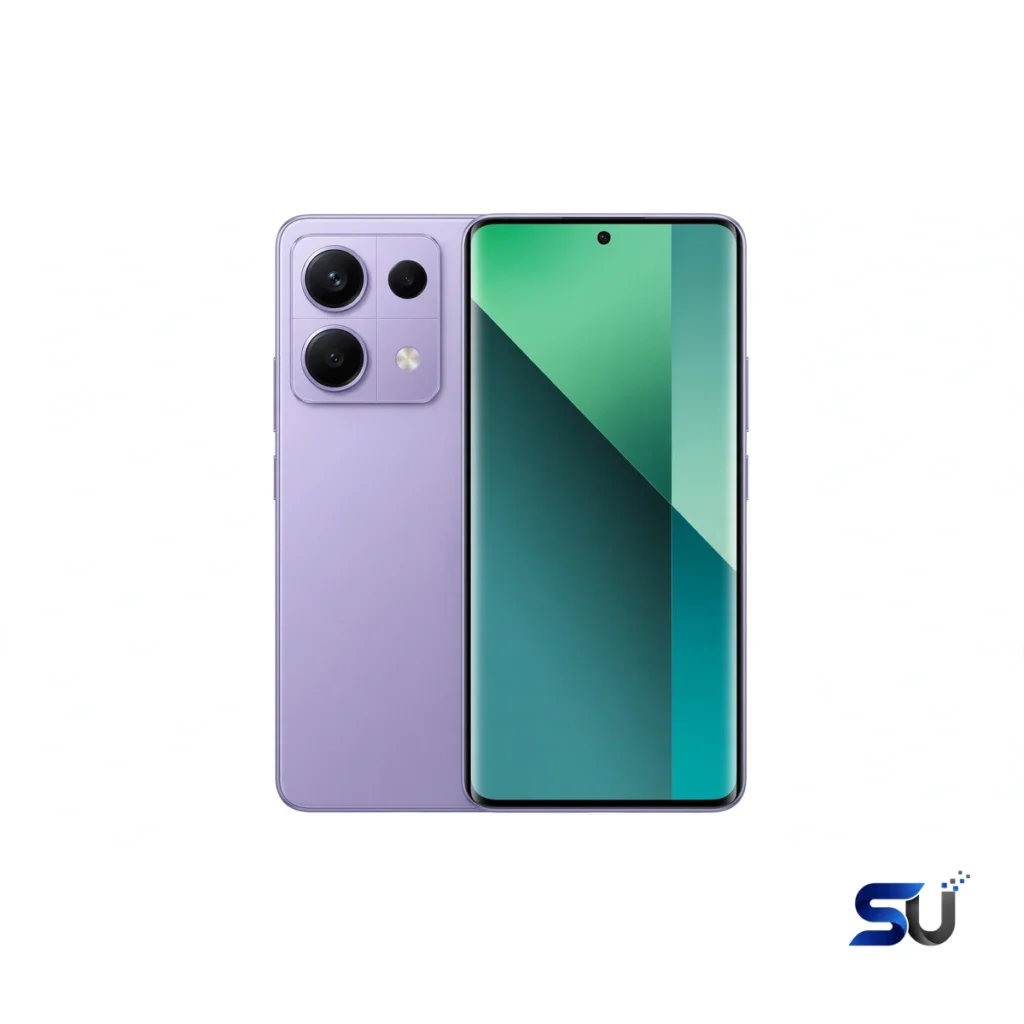
Slimness hits you first. At 7.98mm thin and 187g, the Redmi Note 13 Pro 5G 12GB slips into a pocket with ease. Moreover, one-handed use feels natural despite the large 6.67-inch screen. The flat frame gives the phone a modern, squared-off stance.
Corning Gorilla Glass Victus protects the front. That is a meaningful upgrade over the glass most mid-range phones use. Consequently, keys and coins in a pocket pose little threat. In addition, the box includes a pre-applied screen protector and a soft case. You can start using the phone right away with no extra purchases.
Practical touches continue around the edges. An IP54 rating covers dust and splashes, so sudden rain is an inconvenience rather than a crisis. In addition, the 3.5mm headphone jack survives here, which is increasingly rare. Meanwhile, the IR blaster on the top edge doubles as a universal remote for TVs and air conditioners.
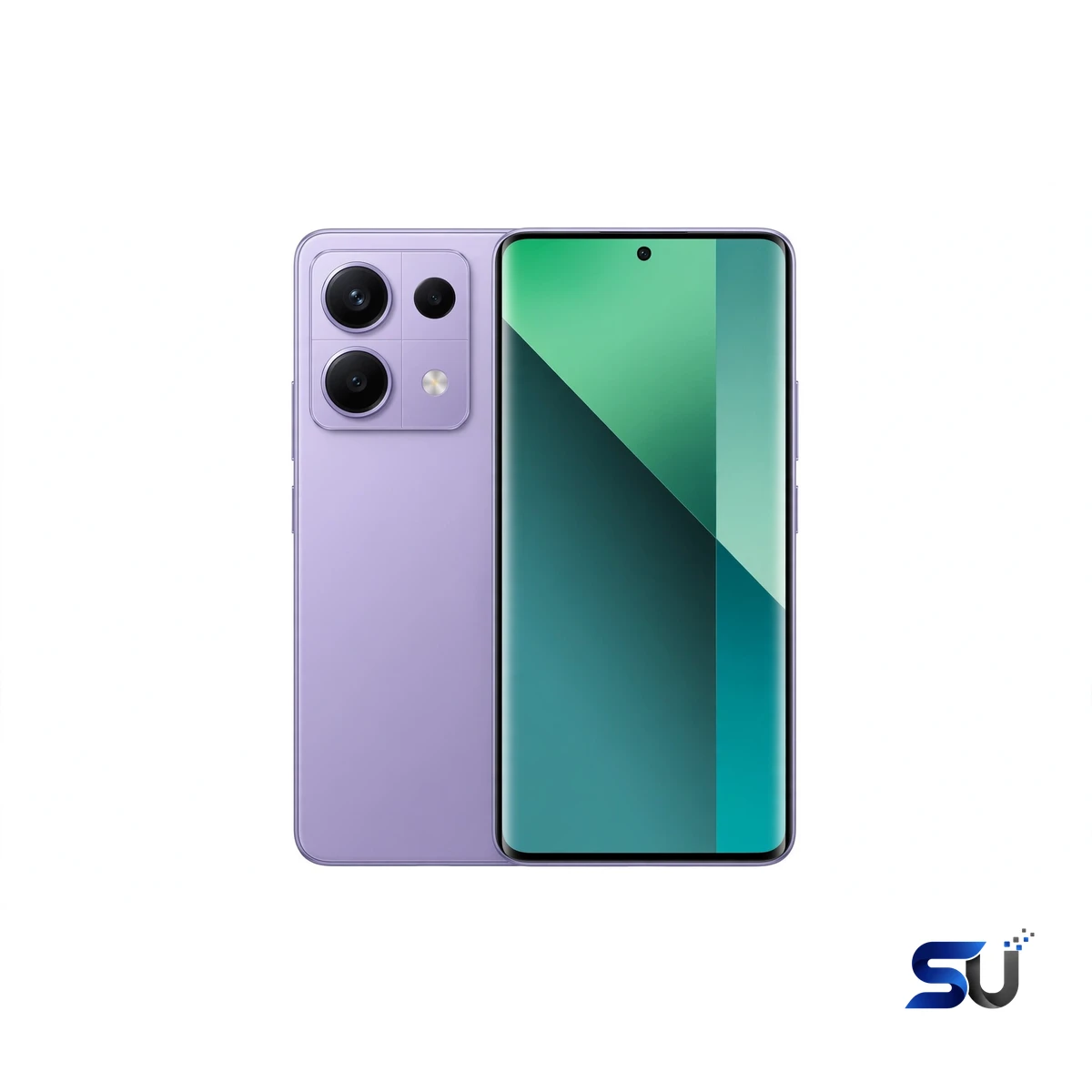
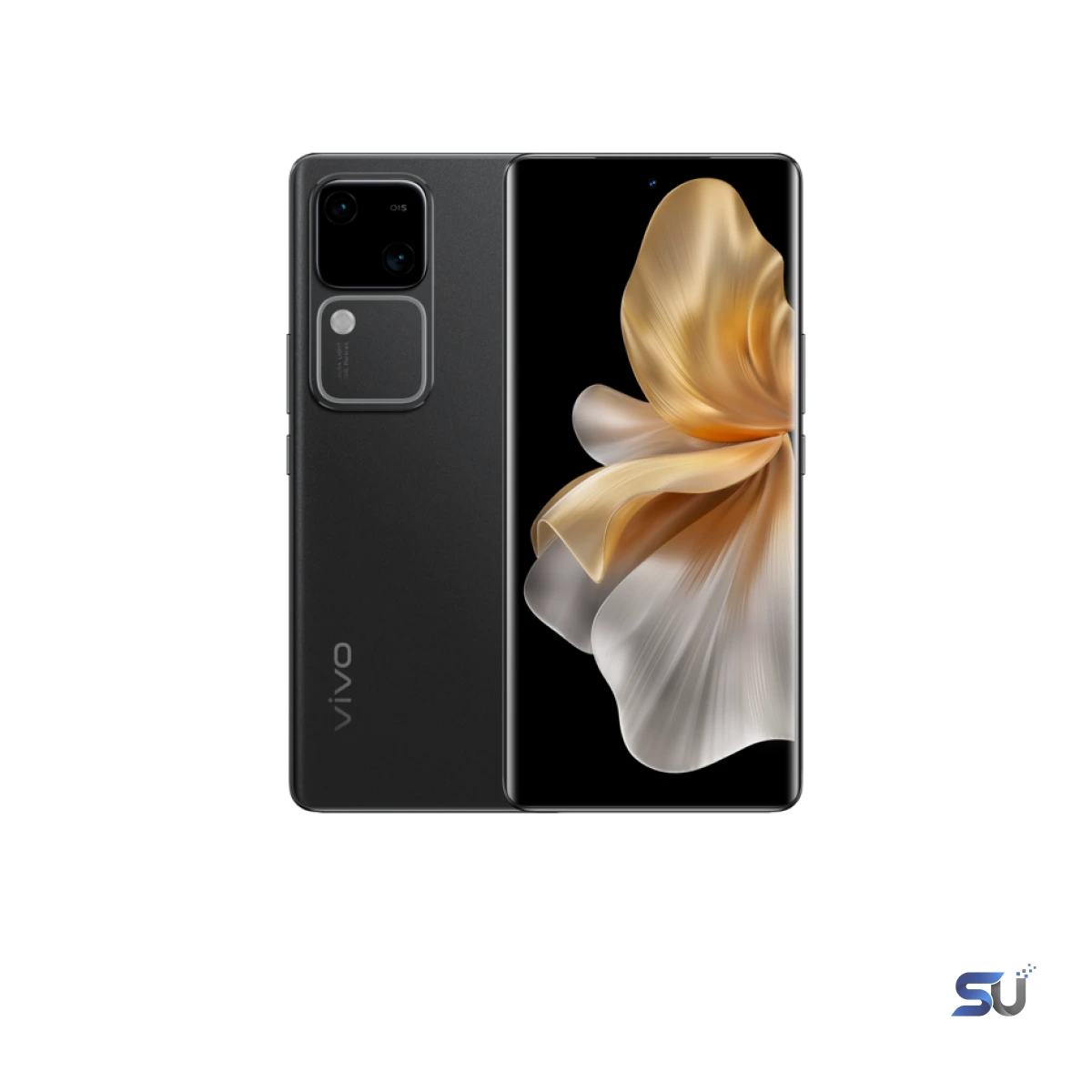
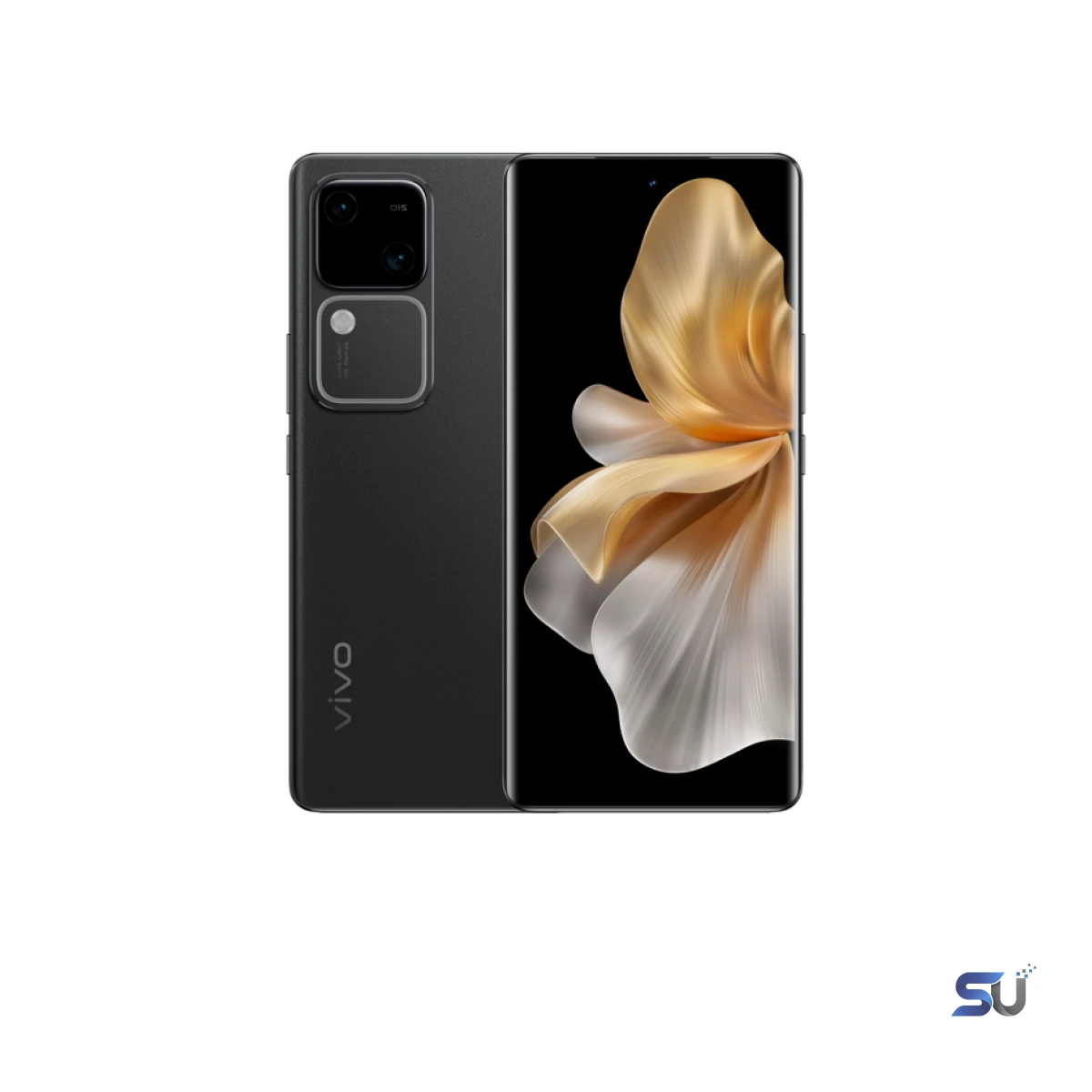
Three colors are available: Midnight Black, Ocean Teal, and Olive Green. The camera module stays deliberately low-key. As a result, two large lens rings and a smaller third sit nearly flush, so the phone barely rocks on a table. Overall, the design looks and feels more expensive than it is.
Display
The 6.67-inch AMOLED panel makes a strong first impression. It renders at 2712 x 1220, a resolution Xiaomi calls CrystalRes 1.5K. In practice, text looks crisp and photos show fine detail. The 120Hz refresh rate keeps scrolling smooth. As a result, everyday navigation feels fluid and responsive.
Brightness stands out as a genuine strength. The panel peaks at 1800 nits, so it stays legible under harsh midday sun. Indeed, that matters for a phone with a camera you will want to use outdoors. Color reproduction impresses too. Full DCI-P3 coverage, 12-bit color depth, Dolby Vision, and HDR10+ support mean films and shows look the way creators intended.
Long sessions treat your eyes kindly. The display uses 1920Hz high-frequency PWM dimming, which reduces flicker at low brightness. It also carries triple TÜV Rheinland certification for low blue light, flicker-free operation, and circadian friendliness. Finally, if you read in bed at night, you will notice the difference within weeks.
Camera
The 200MP main camera draws people to this phone, and it earns the attention. The large 1/1.4-inch sensor pairs with a bright f/1.65 aperture and optical image stabilization. In practice, it bins 16 pixels into one by default. That produces 12.5MP images with large 2.24μm effective pixels that gather plenty of light.
In daylight, detail is remarkable. For example, you can zoom deep into a landscape shot and still find texture and distant signage. When light fades, the hardware advantages compound. The OIS steadies longer exposures. The wide aperture admits more light from the start. And the night mode stacks frames to pull detail from dark scenes. Street photography after dark comes out clean rather than muddy.
The two supporting cameras know their roles. The 8MP ultra-wide with an f/2.2 aperture handles landscapes and group shots where framing matters more than pixel-level sharpness. Meanwhile, the 2MP macro serves occasional close-up curiosity. Up front, a 16MP camera in a centered punch hole delivers sharp selfies with natural skin tones.
Video coverage is solid. The main camera records up to 4K with stabilization that keeps handheld footage smooth. The camera app adds Pro manual controls, dual video, and a document scanner. Indeed, students and office workers will use that scanner mode more than they expect.
Performance
The Snapdragon 7s Gen 2 runs the show. This 4nm chip uses an octa-core CPU reaching 2.4GHz alongside an Adreno 710 GPU. It prioritizes efficiency, and that philosophy suits this phone. Apps launch instantly. Similarly, switching between tasks feels immediate. The interface rarely stutters.
This is where 12GB of LPDDR4X RAM transforms the experience. Android can keep far more apps resident in memory. As a result, returning to a game, a map, or a half-written email no longer triggers a reload. For chronic multitaskers, this is the single most noticeable upgrade. MIUI can also extend memory virtually using storage, but with 12GB of physical RAM you will rarely notice it engage.
Gaming holds up well. For instance, popular titles run smoothly at sensible graphics settings. The cooling system keeps sustained performance stable through longer sessions. The 7s Gen 2 will not match flagship silicon at maximum settings. However, it delivers an enjoyable experience at the settings most players actually use. The 120Hz display keeps motion looking clean throughout.
Battery and Charging
The 5100mAh battery is generous for a phone this slim. The efficient 4nm chipset stretches it further. A typical day of messaging, social apps, photography, and streaming ends with charge to spare. Moreover, even heavy days with navigation and gaming reach evening without anxiety.
When the battery runs low, 67W turbo charging refills it fast over USB-C. A short top-up during coffee adds hours of use. In fact, a full charge takes well under an hour. Importantly, Xiaomi includes the 67W adapter in the box. Many rivals sell fast chargers separately, so this saves real money.
MIUI adds battery-health features that protect the cell over time. Optimized overnight charging pauses at full and finishes just before you wake. As a result, good habits plus these safeguards should keep the battery healthy for years. Wireless charging is absent, but that feature still belongs to higher price tiers.
Software
The phone ships with MIUI 14 on Android 13. The interface is colorful and deeply customizable. Always-on display styles, floating windows, and a sidebar for favorite apps all invite personalization. Long-time Xiaomi users will feel at home. Still, newcomers will learn it quickly.
Substance backs up the styling. MIUI 14 runs lighter than its predecessors. Moreover, it carries fewer unremovable system apps and snappier animations that suit the 120Hz display. Practical additions include app cloning for dual accounts, second-space profiles, and granular per-app battery controls. The phone also sits on the upgrade path to HyperOS, which extends its software relevance.
The honest caveat is bloatware. MIUI still arrives with pre-installed apps you may never open. A few system apps show recommendations that feel like advertising. Nevertheless, most of it uninstalls or disables in one tidy-up session. Xiaomi's update commitment covers three Android upgrades and four years of security patches, so the software story improves with time.
Connectivity and Extras
5G support is broad. Bands n1, n3, n5, n7, n8, n20, n28, n38, n40, n41, n66, n77, and n78 cover the networks most buyers will meet at home and abroad. Dual nano-SIM slots handle a personal line plus a work or travel SIM. Finally, call quality stays solid over cellular and VoWiFi alike.
Local wireless covers every base. Wi-Fi 5 with 2x2 MIMO handles home networks and hotspots. Bluetooth 5.2 keeps earbuds and wearables connected reliably. NFC on most regional variants enables contactless payments. In addition, the USB-C port manages charging, data, and audio. Meanwhile, the 3.5mm jack serves wired headphones directly.
The extras complete a strong package. Dual stereo speakers with Dolby Atmos make video genuinely enjoyable. Similarly, the X-axis linear motor produces crisp haptics that give typing a tactile feel. The in-display fingerprint sensor unlocks fast, with AI face unlock as backup. And the IR blaster remains one of those features you miss only when a hotel TV remote disappears.
Strengths and Weaknesses
Every phone involves trade-offs. Here is an honest accounting of where the Redmi Note 13 Pro 5G 12GB shines and where it asks for compromise.
Where It Excels
- 200MP main camera with OIS, a large 1/1.4-inch sensor, and a bright f/1.65 aperture
- 6.67-inch 1.5K AMOLED display with 120Hz, 1800-nit peak brightness, and Dolby Vision
- 12GB of LPDDR4X RAM for effortless multitasking plus 256GB of UFS 2.2 storage
- Snapdragon 7s Gen 2 that stays smooth and efficient all day
- 5100mAh battery with 67W turbo charging and the adapter in the box
- Headphone jack, IR blaster, Dolby Atmos speakers, IP54 rating, and Gorilla Glass Victus
Where It Compromises
The ultra-wide and macro cameras are serviceable rather than special. This is a one-great-camera phone, not a three-great-camera phone. There is no microSD slot, so the 256GB of storage is fixed. Therefore, plan for cloud backup if you hoard media. Wireless charging is missing. MIUI needs a debloating session out of the box. And the 7s Gen 2, excellent day to day, is no flagship gaming chip. Still, none of these surprises at this price, and none undermine the core strengths.
Redmi Note 13 Pro 5G 12GB: Final Verdict
Buy the Redmi Note 13 Pro 5G 12GB if you want this phone at its most future-proof. The 12GB of RAM removes the bottleneck that ages mid-range phones first. Meanwhile, everything else, the 200MP OIS camera, the 1.5K 120Hz AMOLED display, the 5100mAh battery with 67W charging, covers what people notice daily.
It suits heavy multitaskers, long-term keepers, and anyone who hates closing apps. For instance, photography fans get a genuinely capable main camera. Entertainment lovers get a superb screen and speakers. Pragmatists get the charger in the box and the headphone jack flagships abandoned. Overall, this is one of the most complete mid-range packages available.
Frequently Asked Questions
Is the Redmi Note 13 Pro 5G 12GB good for gaming?
Yes. The Snapdragon 7s Gen 2 with Adreno 710 graphics runs popular games smoothly at sensible settings. Moreover, the 12GB of RAM keeps background apps alive while you play. In addition, the 120Hz AMOLED display makes motion look fluid, and steady thermals sustain performance through long sessions.
Does the Redmi Note 13 Pro 5G 12GB support 5G?
Yes. It covers a wide spread of 5G bands, including n1, n3, n5, n7, n8, n20, n28, n38, n40, n41, n66, n77, and n78. In short, that connects to 5G networks in most regions. Dual nano-SIM slots also let you run two lines, which helps with work numbers or travel SIMs.
How fast does the Redmi Note 13 Pro 5G 12GB charge?
It supports 67W turbo charging over USB-C. That refills the 5100mAh battery in well under an hour. For example, a brief top-up delivers hours of use. Best of all, Xiaomi includes the 67W charger in the box, so full-speed charging costs nothing extra.
Does the Redmi Note 13 Pro 5G 12GB have a headphone jack?
Yes. The 3.5mm jack is here, so wired headphones plug straight in with no adapter. In addition, the dual Dolby Atmos speakers make audio a genuine strength. Creators can also connect external microphones directly.
Is the Redmi Note 13 Pro 5G 12GB waterproof?
Not fully. It carries an IP54 rating against dust and splashes. Rain and accidental spills pose no threat. However, it is not built for submersion, so keep it away from pools and sinks.
What comes in the Redmi Note 13 Pro 5G 12GB box?
Xiaomi bundles the phone with a 67W charging adapter, a USB-C cable, a SIM eject tool, a protective soft case, a pre-applied screen protector, and a quick start guide. Therefore, you need no immediate accessory purchases.
Full Specifications
Display: 6.67-inch AMOLED, 2712 x 1220 (CrystalRes 1.5K), 120Hz refresh rate, 1920Hz PWM dimming, 1800 nits peak brightness, Dolby Vision, HDR10+, 100% DCI-P3, 12-bit color, Corning Gorilla Glass Victus, in-display fingerprint sensor
Performance: Qualcomm Snapdragon 7s Gen 2 (4nm), octa-core CPU up to 2.4GHz, Adreno 710 GPU, 12GB LPDDR4X RAM, 256GB UFS 2.2 storage
Rear cameras: 200MP main (1/1.4-inch sensor, f/1.65, OIS, 16-in-1 pixel binning), 8MP ultra-wide (f/2.2), 2MP macro; up to 4K video recording
Front camera: 16MP, centered punch hole
Battery and charging: 5100mAh, 67W turbo charging over USB-C, charger included in the box
Software: MIUI 14 based on Android 13, upgradeable to HyperOS
Build: 7.98mm thin, 187g, IP54 dust and splash resistance, flat frame
Connectivity: 5G (n1/n3/n5/n7/n8/n20/n28/n38/n40/n41/n66/n77/n78), dual nano-SIM, Wi-Fi 5 (2x2 MIMO), Bluetooth 5.2, NFC (regional variants), IR blaster, 3.5mm headphone jack, USB-C
Audio and extras: Dual stereo speakers with Dolby Atmos, X-axis linear motor, AI face unlock
Colors: Midnight Black, Ocean Teal, Olive Green