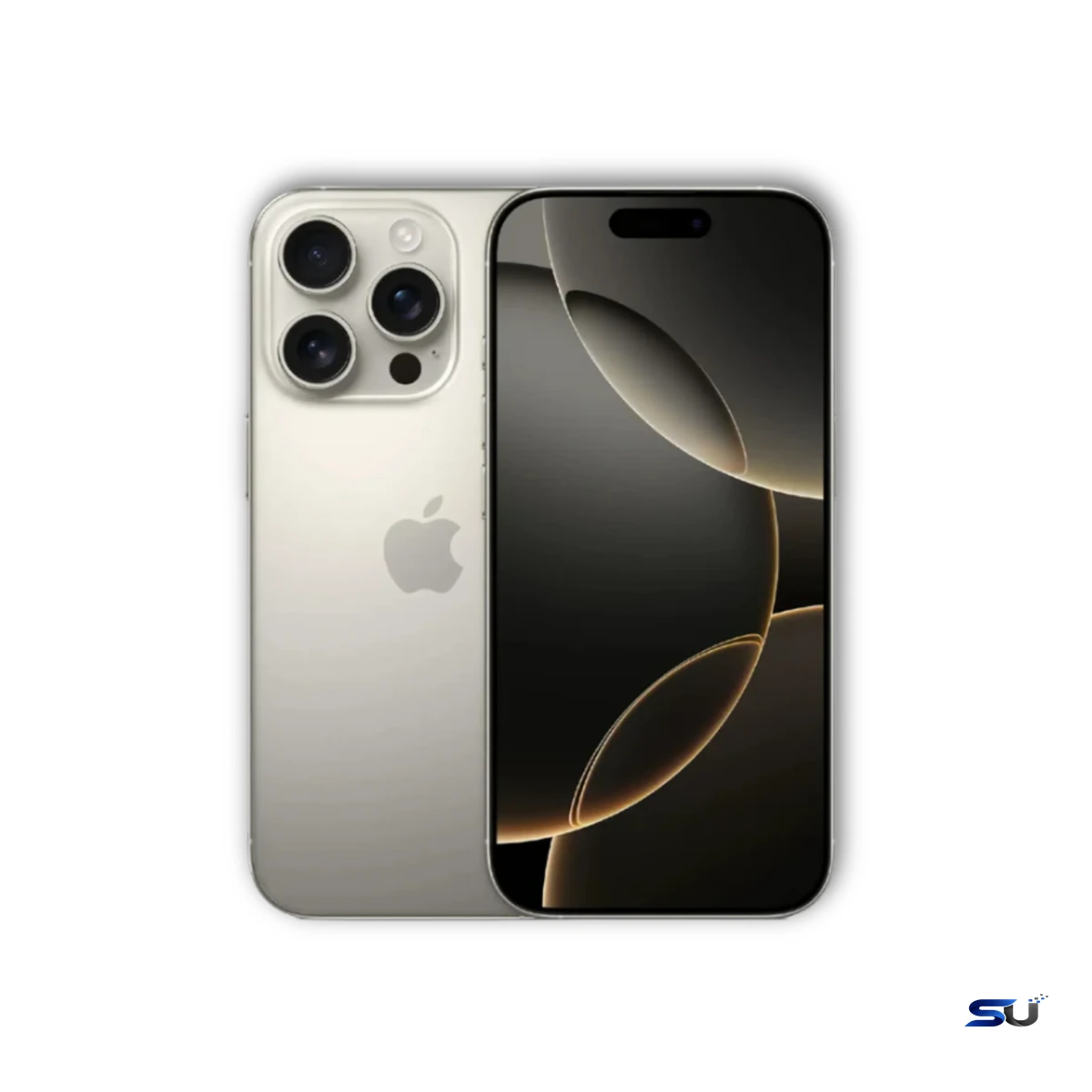
The Apple iPhone 16 8GB is Apple's mainstream flagship, bringing the A18 chip, Camera Control, and Apple Intelligence to a familiar 6.1-inch design. It pairs 8GB of RAM with a 48MP Fusion camera system and a Super Retina XDR display. With a starting price of $799, it targets buyers who want modern iPhone capabilities without stepping up to the Pro line.
Apple refreshed the standard iPhone meaningfully this generation. The Action button replaces the mute switch, and the new Camera Control adds a dedicated shutter with gesture input. The A18 chip delivers a clear performance lift over the A16 in the iPhone 15. For example, Apple Intelligence features run smoothly thanks to the 8GB of memory.
What makes the Apple iPhone 16 8GB notable is how much Pro-adjacent technology it includes. The 48MP Fusion camera borrows computational tricks from higher models. The Ceramic Shield front uses the latest generation for better drop protection. Moreover, the phone supports the full Apple Intelligence suite at launch.
Design and Build Quality
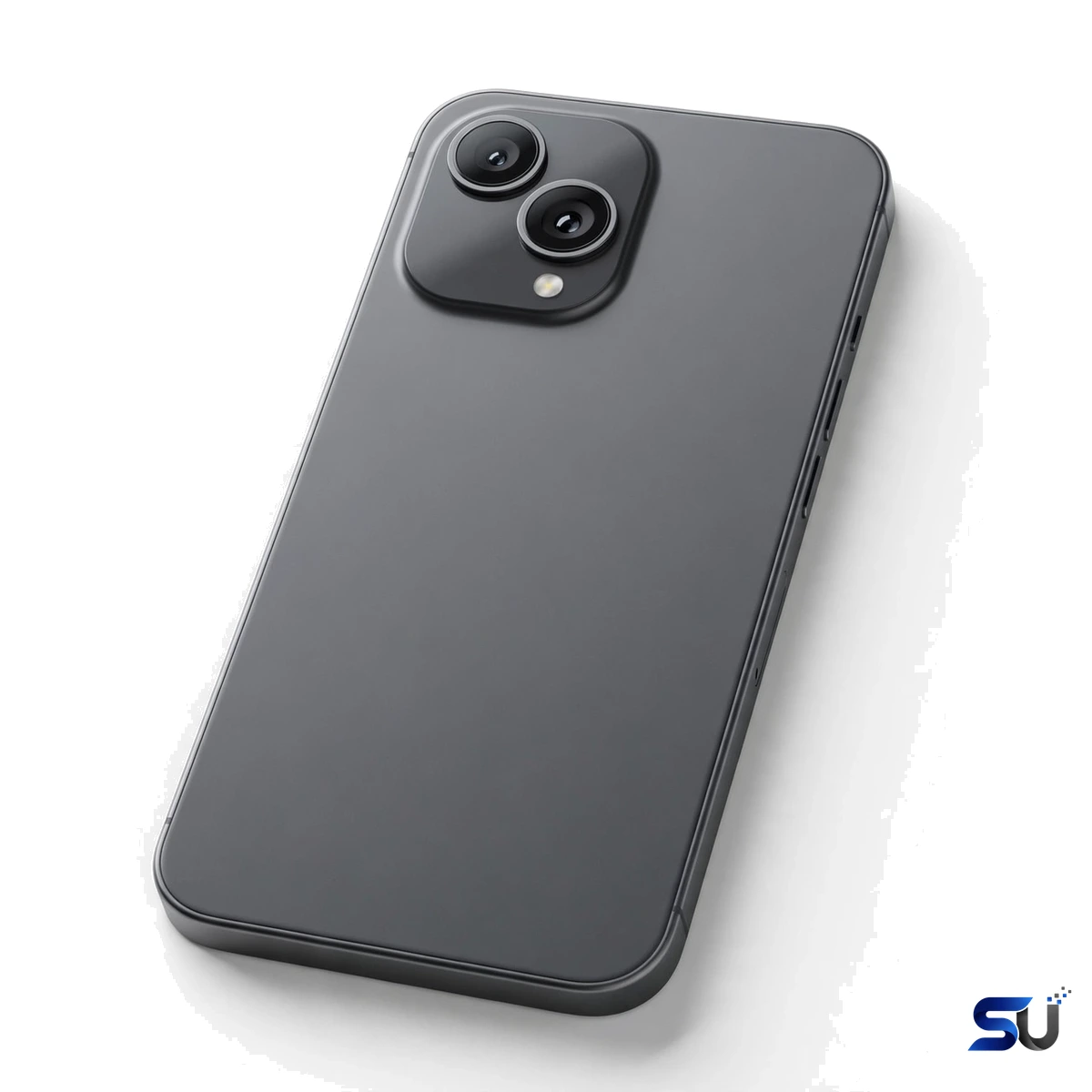
The iPhone 16 keeps the flat-edge design language Apple refined over several generations. The aluminum frame feels solid, and the color-infused glass back has a pleasant matte texture. At 170 grams it is light enough for comfortable one-handed use. In addition, the phone measures 7.8 mm thin and slips easily into pockets.
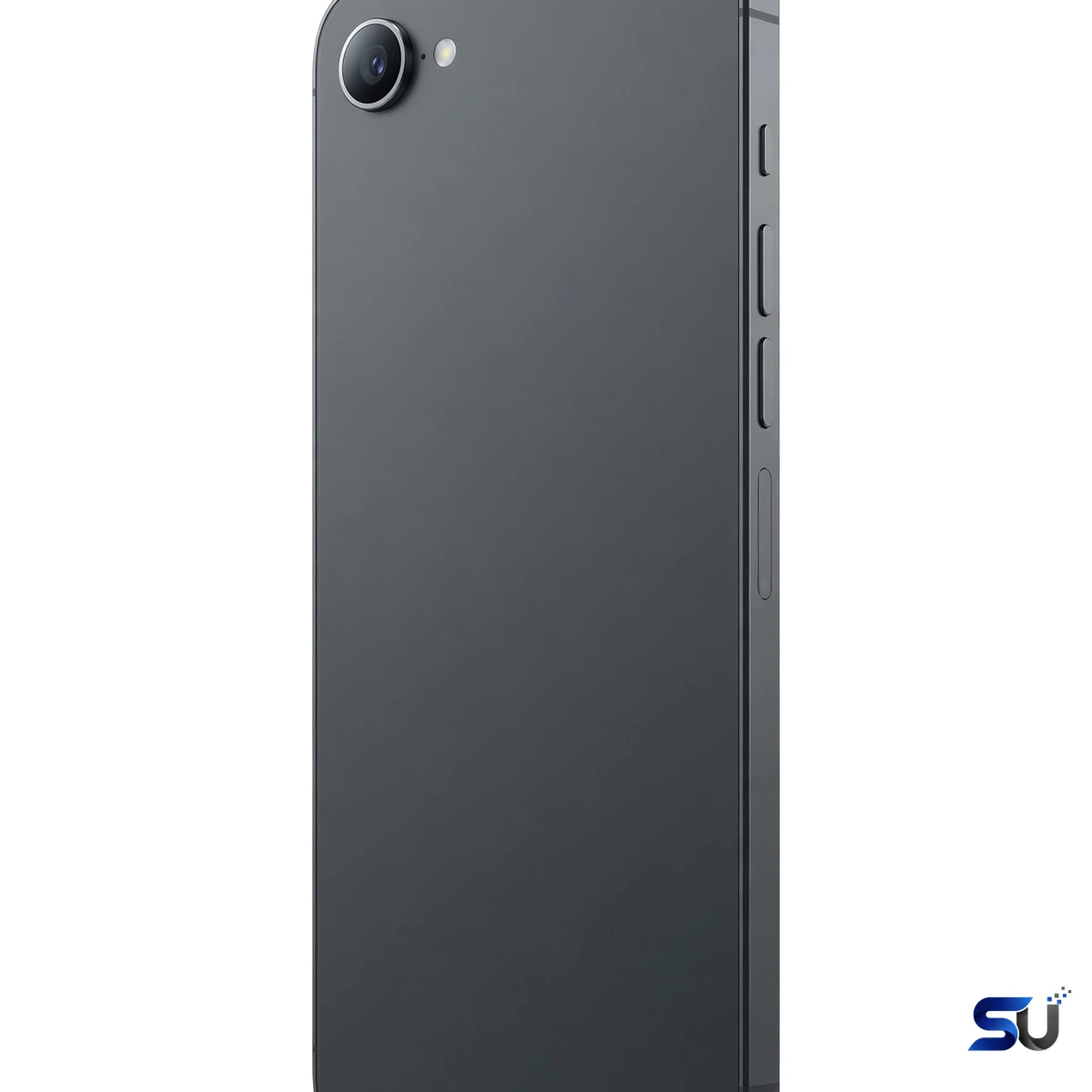
Two new controls change how the phone feels in hand. The Action button sits above the volume keys and can launch the camera, flashlight, or custom shortcuts. Camera Control on the lower right edge responds to clicks, swipes, and light presses. Meanwhile, the overall fit and finish remain exemplary.
Colours and Finishes
Apple offers Ultramarine, Teal, Pink, White, and Black. The saturated Ultramarine and Teal options look particularly fresh. Additionally, the color-infused glass gives each shade a soft, frosted appearance. Meanwhile, White and Black keep things classic for conservative buyers.
Display
The 6.1-inch Super Retina XDR OLED panel delivers 2556 × 1179 resolution at 460 pixels per inch. Text looks razor sharp, and colours stay accurate across brightness levels. Peak outdoor brightness reaches 2,000 nits, so sunlight legibility is strong. The Dynamic Island houses the TrueDepth camera with useful live information.
The 60Hz refresh rate is the display's main limitation. Scrolling feels less fluid than on 120Hz Pro models. However, most casual users will not mind, though gamers and spec-conscious buyers may notice. In practice, the panel's colour and brightness matter more day to day.
True Tone adjusts the white balance to ambient light automatically. The display also supports wide colour (P3) for accurate photo editing. These refinements make the panel pleasant for long reading sessions. In addition, the oleophobic coating resists fingerprints reasonably well.
On the Apple iPhone 16 8GB, HDR content looks excellent thanks to HDR10 and Dolby Vision support. The latest-generation Ceramic Shield protects the front. It is 50 percent tougher than the first generation according to Apple. As a result, everyday drops are less likely to crack the screen.
Performance
The A18 chip inside the Apple iPhone 16 8GB uses a second-generation 3nm process. Its 6-core CPU and 5-core GPU handle everything from 4K editing to console-style games. App launches feel instant, and multitasking stays smooth. Apple claims meaningful efficiency gains over the A16 Bionic.
Thermal behaviour is well controlled for a slim phone. Extended gaming warms the aluminum frame, but clock speeds hold steady. The 16-core Neural Engine accelerates Apple Intelligence tasks on-device. Consequently, writing tools, notification summaries, and photo cleanup run quickly.
Gaming performance stands out in this price class. Demanding titles run at high settings smoothly. Hardware-accelerated ray tracing improves lighting effects. Furthermore, the A18 sustains performance without the throttling seen in some rivals. Mobile gamers get a genuinely capable device.
Memory and Storage
Eight gigabytes of RAM mark a step up from the 6GB in the iPhone 15. The extra memory keeps more apps resident and enables Apple Intelligence. Storage options span 128GB, 256GB, and 512GB of fast NVMe storage. For instance, heavy camera users should consider 256GB or more. There is no microSD expansion.
Camera System
The dual rear camera covers most shooting needs well. The 48MP Fusion main sensor uses pixel binning for detailed 24MP photos by default. The 12MP ultra-wide now supports macro photography. For instance, colours look natural with Apple's balanced processing. The 2x optical-quality telephoto crops from the main sensor cleanly.
Low-light results impress thanks to Night mode on all cameras. The main sensor's f/1.6 aperture gathers plenty of light. Sensor-shift stabilization keeps handheld night shots sharp. Still, the ultra-wide softens in very dark scenes, which is typical.
For the Apple iPhone 16 8GB, Photographic Styles and the latest image pipeline add creative control. Users can adjust tone and warmth live in the viewfinder. The 12MP TrueDepth front camera handles selfies and Face ID reliably. Portrait mode edge detection remains class-leading.
Video and Front Camera
Video recording reaches 4K Dolby Vision at 60 fps with excellent stabilization. Cinematic mode adds shallow depth of field at 4K. Audio Mix uses machine learning to isolate voices. The front camera records 4K as well, which suits vloggers.
Battery Life and Charging
The 3,561mAh battery delivers all-day endurance for most users. Apple rates it for up to 22 hours of video playback. Moderate use leaves charge to spare by bedtime. Heavy camera days may need an evening top-up.
Optimized charging learns daily routines to reduce battery aging. The 80 percent limit option further extends lifespan. These software features work quietly in the background. Consequently, the battery should stay healthy for years.
Wired charging reaches 50 percent in about 30 minutes with a 20W or faster adapter. MagSafe wireless charging now hits 25W with a 30W adapter. The Apple iPhone 16 8GB also supports 15W Qi2 and 7.5W Qi. No charger ships in the box, so buyers need their own.
Connectivity and Ports
The USB-C port replaces Lightning and supports USB 2 speeds up to 480Mb/s. It charges, syncs, and drives external displays. Wi-Fi 7 keeps wireless networking future-proof. Bluetooth 5.3 pairs reliably with AirPods and accessories.
US models use dual eSIM with no physical SIM tray. International models vary by region. 5G covers sub-6 GHz and mmWave where available. In short, Apple left nothing important out of the wireless package.
Software and Apple Intelligence
The phone ships with iOS 18 and supports Apple Intelligence from day one. Writing Tools polish text across apps. Notification summaries cut through clutter. Above all, most processing happens on-device for privacy. Siri gains a new glow interface and better language understanding.
On the Apple iPhone 16 8GB, Apple promises years of iOS updates. The typical support window exceeds five years. New features arrive through annual iOS releases. Finally, the App Store and accessory ecosystem remain unmatched.
Apple Intelligence in Depth
Apple Intelligence is the iPhone 16's defining software story. The A18 chip and 8GB of RAM meet Apple's threshold for on-device AI. Writing Tools rewrite, proofread, and summarize text in any app. Notification summaries distill long threads into glanceable lines. For example, group chats collapse into a single sentence.
Visual intelligence works through Camera Control. Point the camera at a restaurant to see hours and reviews. Aim it at a flyer to add an event to Calendar. The feature feels like science fiction made practical. Moreover, it processes on-device where possible.
Siri gets a visual overhaul and deeper language understanding. The glowing edge indicator replaces the old orb. Follow-up requests work more naturally. Users can also type to Siri by double-tapping the home bar. In addition, ChatGPT integration handles complex queries with permission.
Privacy underpins the whole system. On-device processing keeps personal data on the phone. Private Cloud Compute extends this to server tasks with verifiable protections. Apple publishes the software for independent audit. Nevertheless, users control which features to enable.
Photo Cleanup removes unwanted objects from images. The tool works in the Photos app with a simple brush gesture. Results look natural for small distractions. It is not perfect for complex scenes, but it handles photobombers well. Similarly, rival phones offer the same idea under different names.
Genmoji and Image Playground add creative fun. Users generate custom emoji from text descriptions. Image Playground creates illustrations in several styles. These features arrived after launch through iOS updates. They show how Apple Intelligence grows over time rather than standing still.
Advantages
The iPhone 16 gets the fundamentals right. Its strengths suit mainstream buyers well.
- A18 chip with 8GB RAM enables full Apple Intelligence support
- Versatile 48MP Fusion camera with macro-capable ultra-wide
- Bright 6.1-inch Super Retina XDR display with Dynamic Island
- Camera Control and Action button add useful hardware shortcuts
- Strong battery life with 25W MagSafe wireless charging
- Premium build with latest Ceramic Shield and IP68 rating
- Long iOS update support, typically five years or more
Limitations
A few compromises keep the price below the Pro models.
- 60Hz display feels dated next to 120Hz rivals
- USB-C limited to slower USB 2 transfer speeds
- No dedicated telephoto lens for true optical zoom
- No charger included in the box
- 60Hz panel may disappoint gamers and spec enthusiasts
- mmWave 5G only on US models
Who It Suits Best
Everyday users will find the iPhone 16 hits a sweet spot. It handles messaging, photography, and streaming effortlessly. Upgraders from iPhone 12 or older will notice a dramatic leap. For example, the camera and Apple Intelligence alone justify the jump.
It also suits buyers who want Apple Intelligence without Pro pricing. Students and professionals get flagship AI features at $799. However, mobile photographers who need telephoto reach should consider the Pro. Gamers wanting 120Hz should look elsewhere too.
Buying Checklist
Before buying the Apple iPhone 16 8GB, work through these checks.
- Choose storage: 128GB suits light users, 256GB+ for heavy camera use
- Confirm carrier eSIM support, especially for US dual-eSIM models
- Compare with iPhone 15 deals if budget matters more than AI
- Budget for a 20W+ USB-C charger and MagSafe accessories
- Pick a colour: Ultramarine and Teal stand out, White and Black stay subtle
- Check trade-in values for your current phone to lower the cost
Pricing and Availability
Apple launched the iPhone 16 at $799 for 128GB in September 2024. The 256GB and 512GB versions cost more. Carrier promotions and trade-in deals frequently reduce the effective price. In addition, seasonal sales can bring meaningful discounts. Availability is strong through Apple, carriers, and retailers worldwide.
What's in the Box
Apple keeps the box minimal, consistent with recent iPhones.
- Apple iPhone 16 8GB handset
- USB-C to USB-C cable
- Documentation and SIM ejector where applicable
Frequently Asked Questions
Is the Apple iPhone 16 8GB worth buying?
It is a strong mainstream choice with the A18 chip and Apple Intelligence. The 48MP camera and bright display cover daily needs well. Prices have softened since launch, which helps value seekers. However, bargain hunters may find the iPhone 15 at a deeper discount.
Does the iPhone 16 support Apple Intelligence?
Yes, the A18 chip and 8GB of RAM meet Apple's requirements. Writing Tools, notification summaries, and visual intelligence all run on this model. Features roll out through iOS updates. Therefore, the phone stays current as Apple expands the suite. Requirements may grow as capabilities expand.
What is Camera Control?
Camera Control is a sapphire-topped sensor on the lower right edge. A click opens the camera, another click takes a photo. Light presses reveal controls like zoom and exposure. Swipes adjust settings without touching the screen. It works with gloves, which helps in winter.
How is the battery life?
Apple rates the phone for up to 22 hours of video playback. Most users get through a full day comfortably. The 3,561mAh capacity charges to 50 percent in about 30 minutes. Still, very heavy users may want a midday top-up. Wireless charging is convenient overnight.
Does it have a 120Hz display?
No, the iPhone 16 uses a 60Hz OLED panel. Pro models offer 120Hz ProMotion instead. Most casual users find 60Hz acceptable for daily tasks. However, those sensitive to refresh rates should consider the Pro line. The difference is subtle for non-gamers.
What is in the box?
Apple includes the handset and a USB-C to USB-C cable. No power adapter or EarPods ship in the box. Buyers need a 20W or faster USB-C charger. Documentation rounds out the package. Recycling an old charger reduces e-waste.
Is the Apple iPhone 16 8GB the Right Phone for You?
The Apple iPhone 16 8GB suits buyers who want a modern iPhone without Pro pricing. The A18 chip, Apple Intelligence, and 48MP camera deliver a flagship feel. Meanwhile, the $799 price undercuts the Pro models significantly. Most mainstream users will find nothing important missing.
There are reasons to pause. The 60Hz display and USB 2 speeds trail rivals at this price. Photographers wanting telephoto zoom should step up. Nevertheless, the iPhone 16 remains the sensible default iPhone. For most buyers, it is the right balance of features and value.