REDMAGIC 10S Pro review readers are usually chasing one thing: serious gaming speed without paying premium-flagship money. That remains the phone’s clearest appeal. Its active cooling, uninterrupted display, shoulder controls and large battery center on long play sessions rather than conventional flagship priorities. The trade is equally clear. Camera quality, software polish and everyday convenience sit behind performance.
That bargain made sense when the phone launched. In 2026, the decision depends more heavily on price because newer REDMAGIC models now exist. The 10S Pro deserves attention when a genuine discount separates it from the newer generation. Close the price gap, and its older software base and limited all-round refinement become harder to accept.
Quick verdict: a focused gaming tool at the right price
The REDMAGIC 10S Pro remains a capable choice for players who value stable frame rates, a clean view of the screen and controls that feel purpose-built. Its flat back also avoids the camera bump found on many flagships. That sounds minor until a phone is placed on a desk, attached to a controller or held in landscape for an hour.
This is not the safest recommendation for a general smartphone buyer. The under-display selfie camera protects the viewing experience but weakens selfies. The cooling vents support gaming performance but reduce protection from water and dust. RedMagic OS provides deep gaming controls, yet independent reviews still describe parts of the interface as cluttered or uneven.
- Buy it if gaming is the main reason you want a powerful phone and the price is well below current alternatives.
- Skip it if photography, long software support, wireless charging or a polished everyday interface matters more.
- Keep the REDMAGIC 10 Pro if you already own it. The 10S Pro improves headroom, but it does not transform the experience.
Why performance is the whole point
The Snapdragon 8 Elite Leading Version is the product’s headline component, but the faster clock speed alone is not the real story. Modern flagship processors already open apps quickly and handle ordinary tasks with ease. The 10S Pro earns its identity through the system built around the chip: active cooling, a dedicated gaming mode and touch controls placed for landscape play.
That combination matters when a demanding game runs for longer than a short benchmark. A thin mainstream flagship may produce an excellent first result, then reduce speed as heat builds. REDMAGIC allocates more space and design attention to moving heat away from the processor. Published testing does not show perfection, and surface temperatures can still rise, but REDMAGIC engineers the phone for sustained workloads rather than a brief performance peak. Notebookcheck’s technical review is useful here because it documents both the strong hardware and the thermal limits.
The serious conclusion is not that every game suddenly feels different. Many Android titles cannot use all the available power, and some cap their frame rate. Instead, the extra capacity provides room for demanding games, emulation and higher settings. It also gives the phone a better chance of remaining useful as mobile games become heavier.
The fan helps, but it does not make heat disappear
An internal fan is rare in a phone because it creates design complications. It needs vents, produces audible noise and draws a little power. It can also move warm air toward a hand during a long session. Those are real compromises, not cosmetic footnotes.
Still, active cooling gives the 10S Pro a practical advantage over passive phones when the processor stays under load. Game Space lets users control the fan, so users can balance noise against cooling. Headphone users may barely notice it. Someone gaming quietly beside another person may find it more obvious.
The vents are also why this phone demands more care around water and dust than a conventional sealed flagship. Buyers who play outdoors, commute in heavy rain or keep a phone in dusty environments should treat that limitation seriously. The cooling system creates the strength, but it also creates one of the biggest ownership risks.
Shoulder triggers change how competitive games feel
The capacitive shoulder buttons are more meaningful than the processor’s small generational speed increase. They let a player move actions away from the display and map them to the top edge in landscape orientation. In shooters, one trigger can handle firing while the other controls aiming, jumping or another frequent action. That frees both thumbs for movement and camera control.
The benefit depends on the game. A turn-based title gains little. Competitive shooters, action games and some emulators can feel more natural after players configure the controls. There is a learning period, and touch triggers cannot fully reproduce the travel of physical controller buttons. Even so, they provide an advantage that a mainstream flagship cannot copy through raw processor speed.
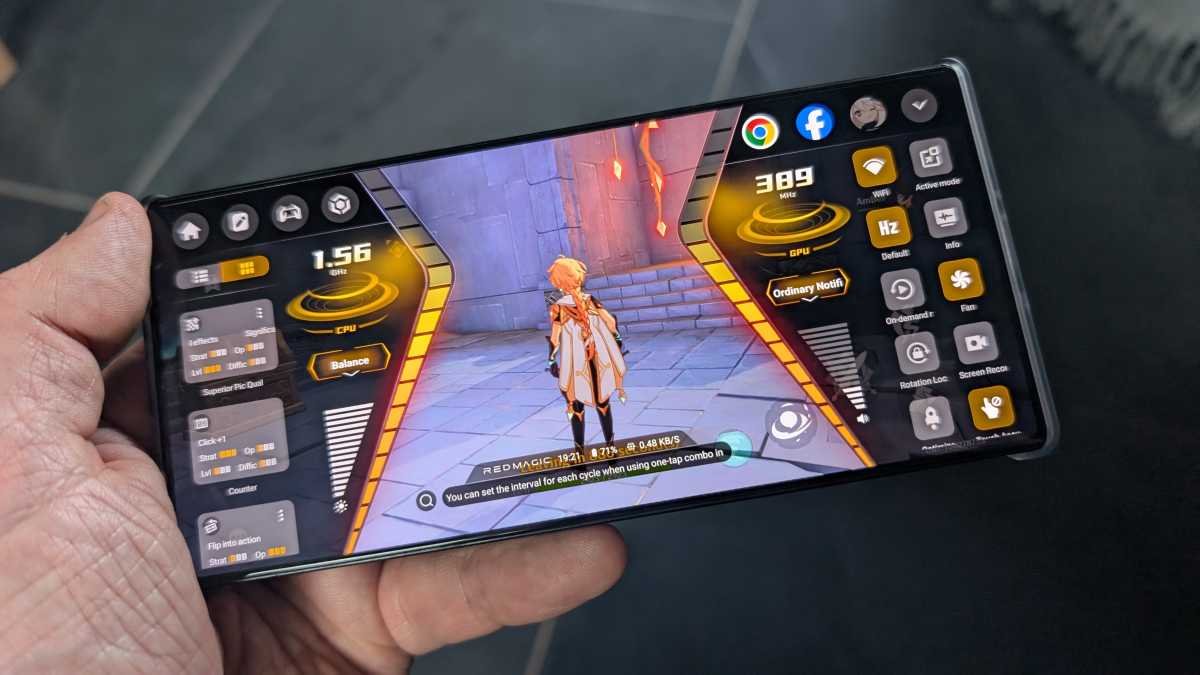
The dedicated Game Space switch is similarly practical. It creates a deliberate boundary between normal phone use and gaming. Performance modes, fan behavior, notifications, touch settings and game tools sit in one place. That depth can look excessive at first, but enthusiasts are exactly the audience likely to appreciate it.
The uninterrupted display is excellent for play and video
The 6.85-inch AMOLED panel fills the front without a notch or visible camera hole. For games with dense interfaces, the uninterrupted shape feels deliberate. Maps, status indicators and touch controls do not have to work around a cutout. Video also looks cleaner because the image is not interrupted by a black circle.
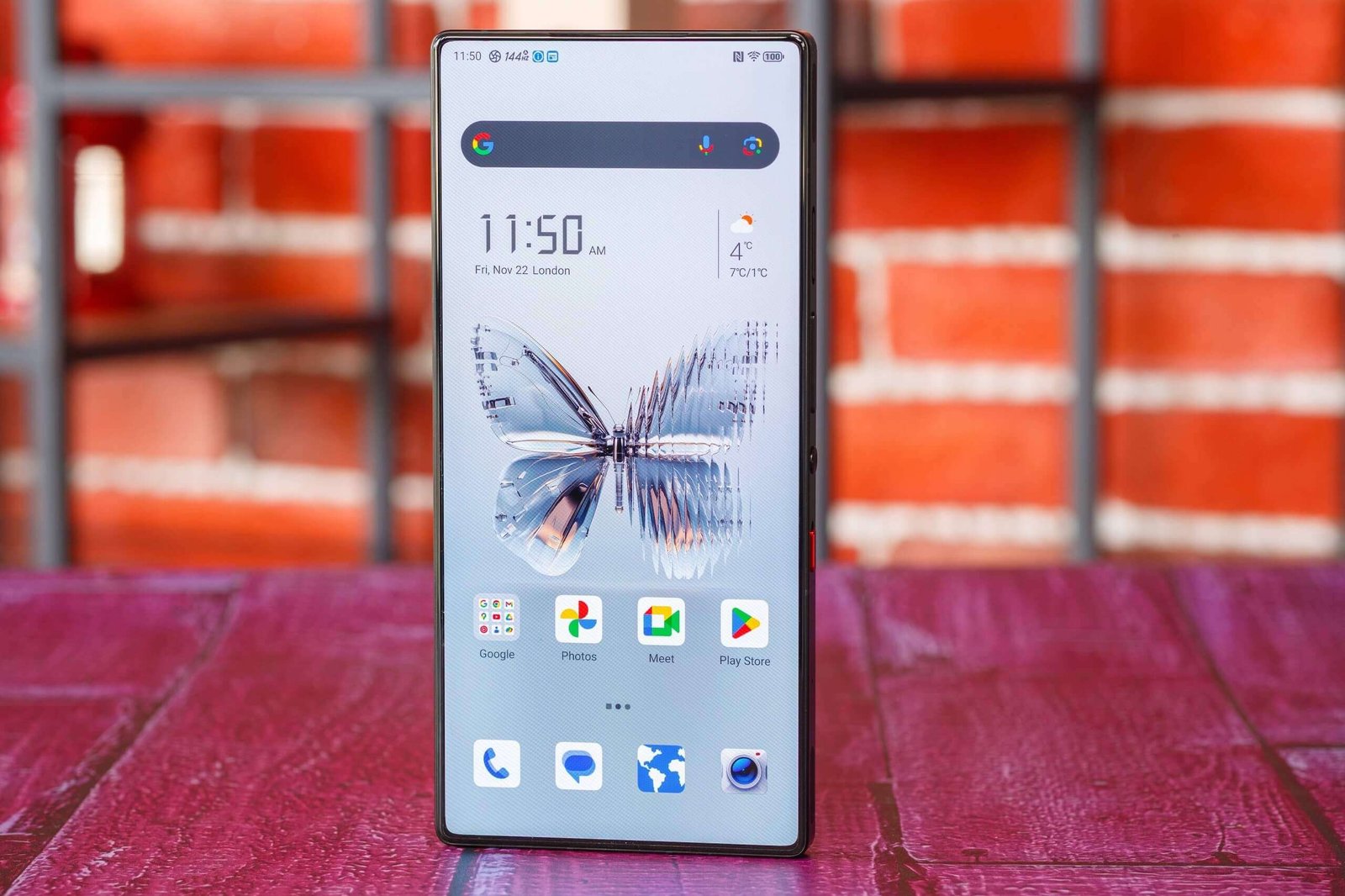
The 144Hz maximum refresh rate supports extremely fluid motion, although not every game reaches that level. Buyers should not assume 144Hz automatically means a visible improvement over every 120Hz flagship. The practical gain appears when a supported title can render at a high frame rate and the phone can sustain it. Smooth system animation is pleasant, but it is not enough by itself to justify the device.
The panel’s size creates a second effect: the phone is easier to enjoy with two hands than one. Reading, streaming and gaming benefit from the broad canvas. Reaching across the keyboard or using the phone while walking feels less graceful. Anyone seeking a compact daily companion is looking at the wrong category.
The hidden selfie camera is a deliberate sacrifice
Placing the front camera beneath the display preserves the full-screen look. It also asks the sensor to capture light through display pixels. Independent reviews consistently describe the resulting selfies as weak, especially when light is limited. Detail and contrast do not match ordinary punch-hole cameras.
This compromise is acceptable only when screen continuity matters more than self-portraits and video calls. A gamer who rarely uses the front camera may consider it a clever allocation of space. A frequent video caller or creator should not dismiss it as a small flaw. The weakness will appear every time that camera is used.
A flat back is more useful than it sounds
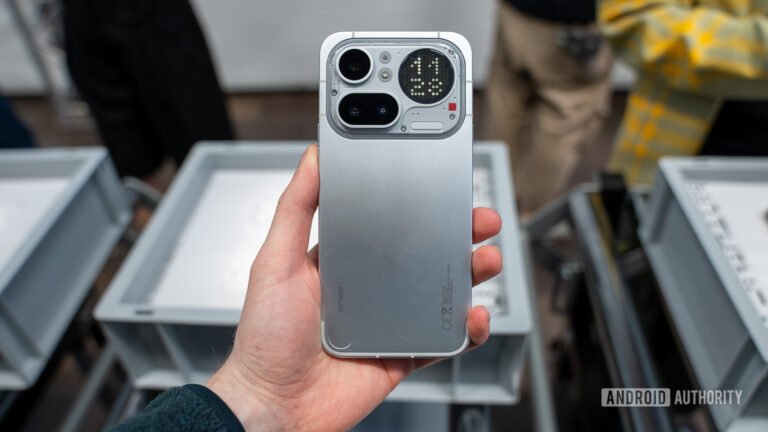
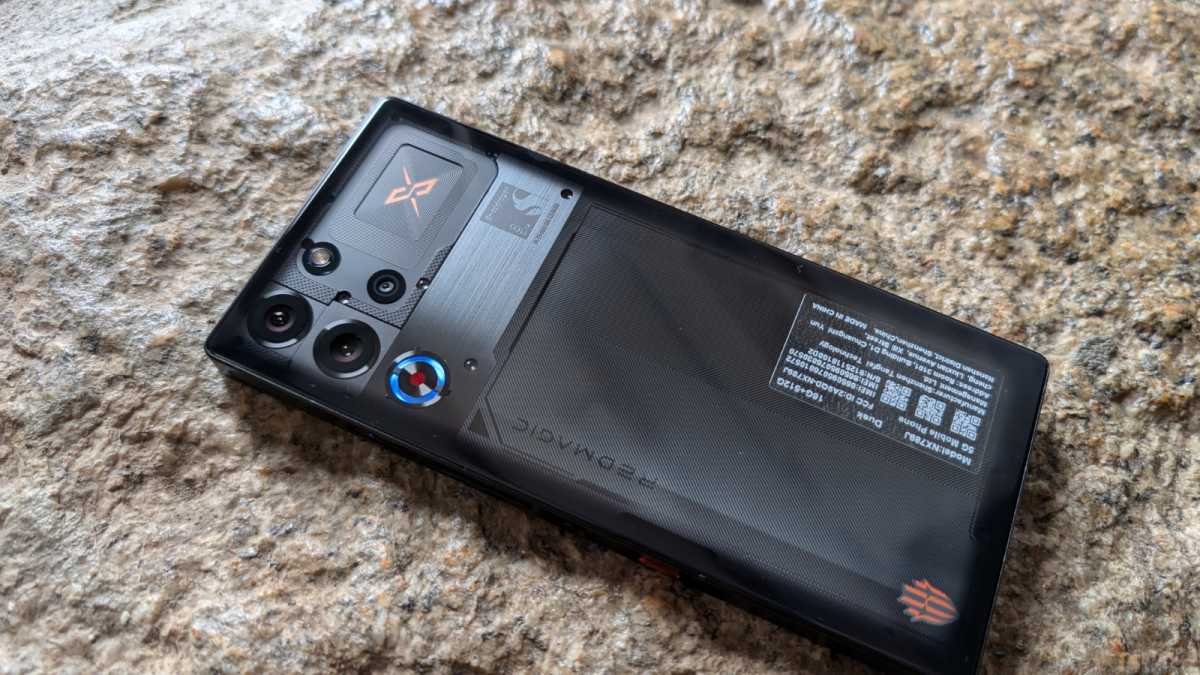
The rear cameras sit flush instead of creating a raised island. That gives the 10S Pro a stable surface on a desk and makes it easier to fit into certain gaming accessories. The shape also avoids rocking when someone types while the phone lies flat.
Its straight frame can improve security in a landscape grip, yet the size and weight remain demanding. Long sessions concentrate pressure along the edges of the hands. A case can soften that feeling, though it adds more bulk and may affect airflow when its design blocks airflow. Buyers should choose accessories made specifically for the vent layout.
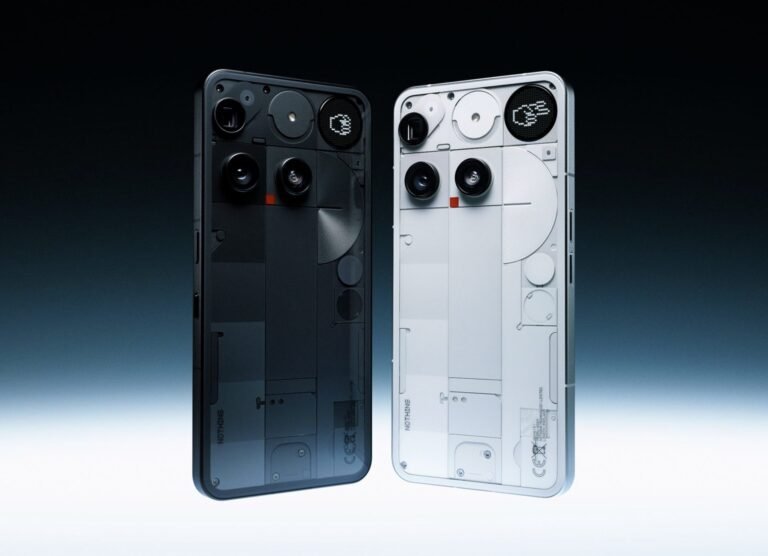
The transparent-style finishes and RGB lighting clearly signal gaming hardware. Some users will enjoy that identity. Others will prefer the quieter finish. This is not a phone that tries to disappear in a formal setting, although disabling the lighting makes it less conspicuous.
REDMAGIC 10S Pro review: battery confidence matters more than a benchmark
The 7,050mAh battery is one of the phone’s most persuasive advantages. A gaming phone consumes power quickly when the display, processor, speakers and cooling system work together. Starting with a large capacity gives the 10S Pro more room before a charger becomes necessary.
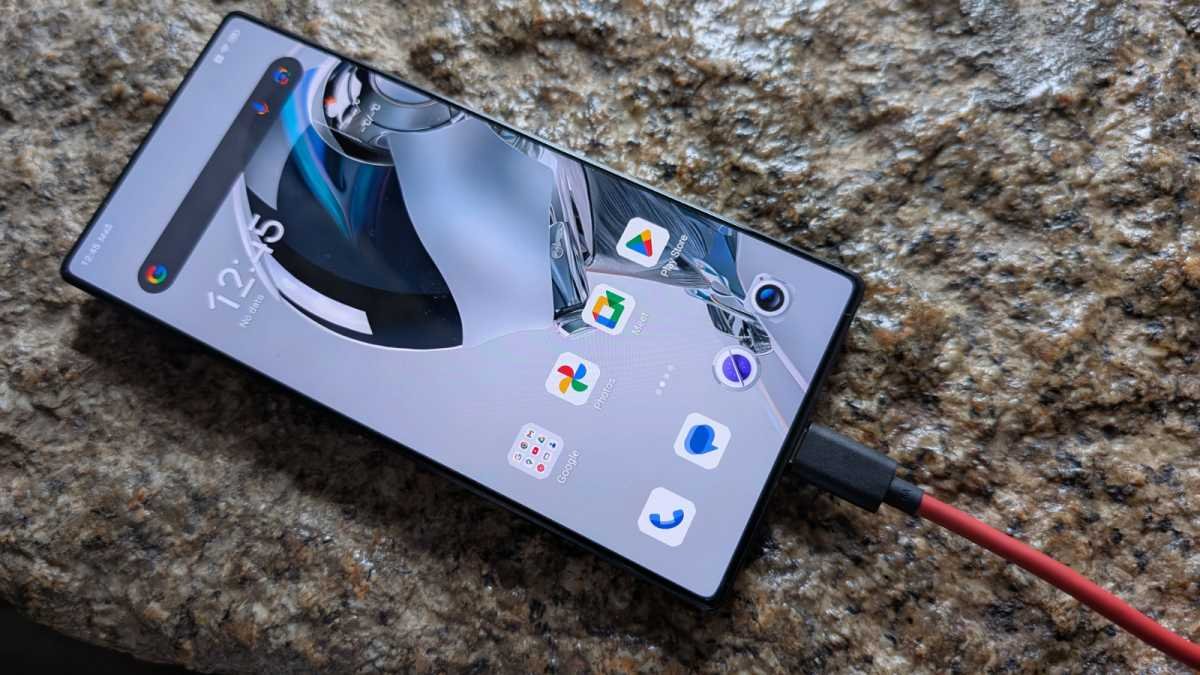
Published reviews report strong endurance, but no single runtime represents every owner. Brightness, mobile signal, frame rate, fan mode and the game itself all change consumption. The safer conclusion is that this battery provides more flexibility than the smaller cells commonly used in mainstream flagships. It can support a long session without turning every break into a charging decision.
Fast wired charging helps when the battery does run low. More important for serious players is charge separation or bypass-style charging, which can power the system while reducing how much the battery participates. That can reduce heat and repeated battery cycling during play near an outlet. It is a specialist feature with more long-term value than a dramatic charging-time claim.
No wireless charging and no side USB-C port
REDMAGIC omits wireless charging. Many gamers will accept that because wired power is more predictable during play. Yet the omission weakens the 10S Pro as a daily flagship, especially for buyers who already use charging pads at home, in the office or in a car.
The single USB-C port sits on the short edge rather than adding a second connector on the long side. As a result, a cable can interfere with the hand in landscape mode. A right-angle cable reduces the problem, but competing gaming phones with a side port provide a cleaner solution.
Camera expectations need to stay realistic
The rear camera system is adequate for daylight snapshots, documents and routine sharing. It is not the reason to buy this phone. Independent testing places the overall experience closer to a mid-range camera phone than to a camera-focused flagship. Processing can look too strong, the ultrawide does not always match the main camera and digital zoom loses detail quickly.
The flush camera design is useful, but it also reveals the manufacturer’s priorities. REDMAGIC spent its space and budget on cooling, battery capacity and gaming hardware instead of a large telephoto system. That decision makes sense for the target audience. It becomes frustrating only when a buyer expects the phone to compete equally in every category.
Parents who photograph moving children, travelers who rely on zoom and creators who use the front camera should choose a different phone. A Google Pixel model is a more sensible camera-first purchase even if it lacks the 10S Pro’s gaming controls. The TechRadar review reaches a similar practical division between gaming value and camera limitations.
Software offers depth without flagship polish
RedMagic OS 10.5 is fast and packed with gaming options. Game Space is the strongest part because it gives the hardware a clear control center. Users can manage performance profiles, shoulder triggers, touch behavior, notifications and other session settings without assembling several third-party utilities.
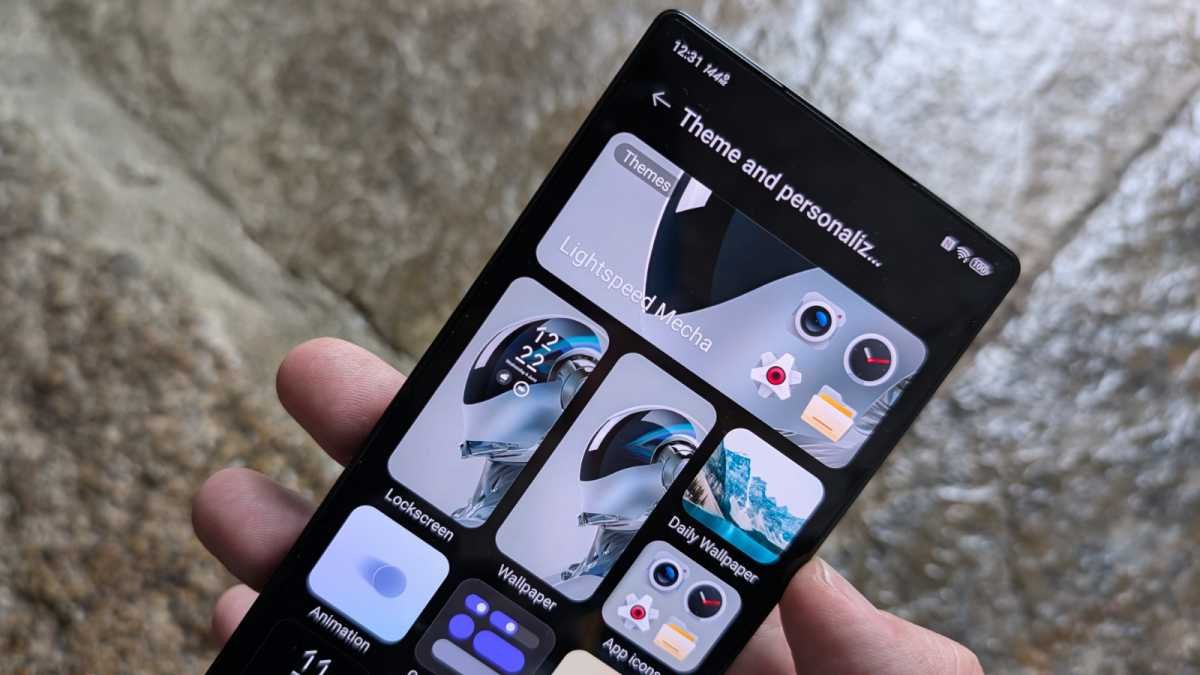
Outside gaming, the experience is less consistent. Reviewers have noted unwanted apps, awkward visual choices and occasional rough edges. Most of those issues do not prevent normal use, and several preinstalled apps can be removed or disabled. They still matter because a phone at this performance level invites comparison with Samsung, Google and OnePlus, whose everyday software often feels more coherent.
Update support also requires attention. REDMAGIC’s official support area still lists firmware for the 10S Pro, and a February 2026 update addressed stability and network optimization. That is encouraging evidence that the phone has not been abandoned. It does not create the same long-term confidence as the extended commitments offered by major mainstream brands. Buyers planning to keep a phone for five or more years should give software support more weight than the processor’s benchmark advantage. See the official REDMAGIC update notice.
12GB, 16GB or 24GB: which configuration makes sense?
For most buyers, 12GB of RAM is already enough for demanding Android games and ordinary multitasking. Moving to 16GB can make sense when it also includes more storage, especially for large game libraries, recorded clips and emulation files. The 24GB version is difficult to justify unless the buyer has an unusually heavy workload and genuinely needs the 1TB capacity.
| Configuration | Who it suits | Editorial judgment |
|---|---|---|
| 12GB and 256GB | Focused players with a managed game library | Best value when storage is sufficient |
| 16GB and 512GB | Players keeping many large games and recordings | Best-balanced long-term configuration |
| 24GB and 1TB | Emulation enthusiasts and very large local libraries | Buy for storage, not an expected frame-rate leap |
I would not pay a large premium for 24GB merely because the number looks future-proof. Game performance depends far more on the processor, cooling and software than on unused memory. Storage is the stronger reason to move up because the phone lacks microSD expansion.
Specs Universe maintains separate database pages for the 12GB REDMAGIC 10S Pro, 16GB configuration and 24GB configuration. They describe purchasing options, but all three belong to this single canonical review.
REDMAGIC 10S Pro versus the alternatives
| Phone | Stronger reason to choose it | Main compromise |
|---|---|---|
| REDMAGIC 10S Pro | Dedicated controls, active cooling and discounted gaming value | Cameras, software polish and water protection |
| ASUS ROG Phone 9 Pro | More complete premium gaming experience and added conveniences | Much higher original price |
| Google Pixel 9a | Camera consistency and cleaner mainstream software | Not designed for sustained high-end gaming |
| REDMAGIC 11 Pro or 11S Pro | Newer platform and longer remaining useful life | Higher purchase price |
ASUS ROG Phone 9 Pro is the premium gaming alternative
ASUS makes more sense for a buyer who wants specialist gaming features without giving up as many everyday conveniences. Its pricing was dramatically higher when the 10S Pro launched, which protected REDMAGIC’s value advantage. If used or discounted prices bring them closer, the ROG deserves a fresh comparison because software, cameras and accessory support influence ownership beyond frame rates.
Google Pixel 9a is the camera-first alternative
The Pixel 9a targets a different buyer. It lacks active cooling and shoulder triggers, so it cannot replace the 10S Pro for a dedicated mobile gamer. It is the better direction for people who want reliable point-and-shoot photography, a simpler interface and less aggressive styling. Choosing between them is less about raw value than about which activity defines the phone.
Newer REDMAGIC phones set the 2026 price ceiling
The REDMAGIC 11 generation changes the calculation. Newer hardware brings more remaining support life and further gaming development. Therefore, the 10S Pro should cost clearly less. A small discount is not enough because an older phone loses value as software years pass, even when its processor remains fast.
As a practical rule, the 10S Pro becomes attractive when it undercuts a comparable newer REDMAGIC configuration by roughly $150 or more. If the gap falls near $100, paying extra for the newer device is easier to defend. Availability, warranty and storage can change that threshold, so buyers should compare exact configurations rather than headline prices.
Existing REDMAGIC 10 Pro owners should usually keep it
The 10S Pro is a refinement rather than a reset. It raises processor headroom and adjusts cooling, but the display, physical design and broader experience remain familiar. A 10 Pro owner who already plays their preferred games smoothly will gain less than the model name suggests.
Upgrade only if a specific title exposes a performance limit, a higher storage tier solves a real problem or an unusually favorable trade-in reduces the cost. Otherwise, waiting for a newer generation produces a more meaningful change. A user review in the REDMAGIC owner community found measurable gains over the 10 Pro, but those results also reinforce that the difference is incremental rather than a new class of experience.
Daily ownership beyond games
As a normal Android phone, the 10S Pro is fast, spacious and excellent for video. The large screen suits reading and navigation, while the big battery reduces anxiety on travel days. The headphone jack remains valuable for wired audio without Bluetooth latency. Those strengths extend beyond games.
Daily ownership still creates friction. Its body occupies more pocket space. Flat edges can tire the hands. Cooling vents demand care. The front camera is poor for video calls, and the lack of eSIM can complicate travel for users accustomed to digital plans. None of these limitations is hidden, but several become more noticeable after the excitement of raw performance fades.
Accessories deserve careful selection. Choose a case that leaves both vents clear and should not interfere with the shoulder triggers. A right-angle charging cable improves landscape comfort. Buyers relying on a controller should confirm fit because the phone’s size and edge controls may conflict with some clamps.
Who should buy the REDMAGIC 10S Pro?
- Competitive mobile players who will use the shoulder triggers regularly.
- Emulation enthusiasts who value active cooling and sustained processor load.
- Buyers who prefer an uninterrupted display over selfie-camera quality.
- People who can purchase it at a meaningful discount with a clear warranty.
- Users who want a large battery and still value a wired headphone connection.
The REDMAGIC 10S Pro review therefore favors sustained gaming comfort over a small benchmark lead.
Who should avoid it?
- Camera-first buyers, frequent selfie users and mobile creators.
- People who want a compact phone for comfortable one-handed use.
- Buyers who expect wireless charging, eSIM or strong water resistance.
- Users planning a very long ownership period with class-leading update support.
- Anyone paying close to the price of a newer REDMAGIC generation.
Long-term value depends on three things
First, the fan and vents need sensible care. Dust can matter more here than on a sealed phone. Second, battery health benefits from using charge separation during long plugged-in sessions when appropriate. Third, software support deserves a fresh check before anyone buys old stock. An unopened box does not reset the product’s support timeline.
The processor should remain capable for years, but raw speed is only one part of longevity. Security updates, replacement parts and battery service determine whether the phone stays comfortable to own. This is why a discounted price is essential. The buyer accepts a narrower ecosystem and should receive a meaningful saving in return.
Final verdict
Overall, this REDMAGIC 10S Pro review supports a purchase only at a meaningful discount.
The REDMAGIC 10S Pro is still an impressive gaming instrument. Its best ideas are physical and practical: a screen without a cutout, shoulder controls, active cooling, a flat rear panel and enough battery capacity for serious sessions. Those features create a gaming experience that a general flagship cannot reproduce simply by using a fast processor.
Its weaknesses are just as specialized. The camera system is ordinary, selfies are poor, the software needs more polish and the vented design asks for extra care. In 2026, the existence of newer REDMAGIC phones adds one final condition: price must compensate for age.
The 12GB model is the value choice for most players. Choose 16GB primarily for the larger storage tier. Skip 24GB unless 1TB is genuinely necessary. At a substantial discount, the 10S Pro remains easy to recommend to committed mobile gamers. Near the price of a newer model, it is better to move forward rather than buy yesterday’s performance champion at today’s money.
Frequently asked questions
Is the REDMAGIC 10S Pro still worth buying in 2026?
Yes, when it is meaningfully cheaper than newer REDMAGIC phones. Its gaming controls, cooling and battery remain useful. A small discount does not adequately offset its older software position.
Is 12GB of RAM enough for gaming?
Yes. The 12GB model handles demanding Android games well and normal multitasking. Choose a higher tier mainly when you need more internal storage.
Does the REDMAGIC 10S Pro have a good camera?
The main camera is suitable for routine daylight use, but the complete system does not compete with camera-focused flagships. The under-display selfie camera is the clearest weakness.
Should REDMAGIC 10 Pro owners upgrade?
Usually not. The 10S Pro offers more performance headroom, but the overall design and daily experience are too similar to justify a routine upgrade.
Does active cooling prevent thermal throttling?
It helps the phone manage sustained workloads, but it cannot eliminate heat. Independent testing still recorded high temperatures under demanding conditions.
Is the phone suitable for everyday use?
It can handle everyday tasks easily, but its size, software style, weak selfie camera and missing conveniences make it less balanced than a mainstream flagship.