Overview
Same Series 11 smarts, smaller wrist fit. The Apple Watch Series 11 42mm brings the S10 chip, brighter display, and sleep apnea notifications to the compact case.
Apple's 2025 watch lineup didn't force a choice between size and features. The Apple Watch Series 11 42mm matches its 46mm sibling on chip, sensors, and software. And nothing on the spec sheet gets cut for the smaller case. That's the whole appeal: a lighter watch with no compromises.
It starts at $399 for the GPS model, with cellular versions costing more. Apple released it on September 19, 2025, alongside the larger 46mm version. And like every Series 11, it needs an iPhone to work. So Android users will have to look elsewhere.
Plus, over the rest of this guide, you'll find the full breakdown: display, chip, health sensors, battery, and connectivity. Everything below comes from Apple's official specifications. So you can compare with confidence and pick the right configuration.
Design and comfort
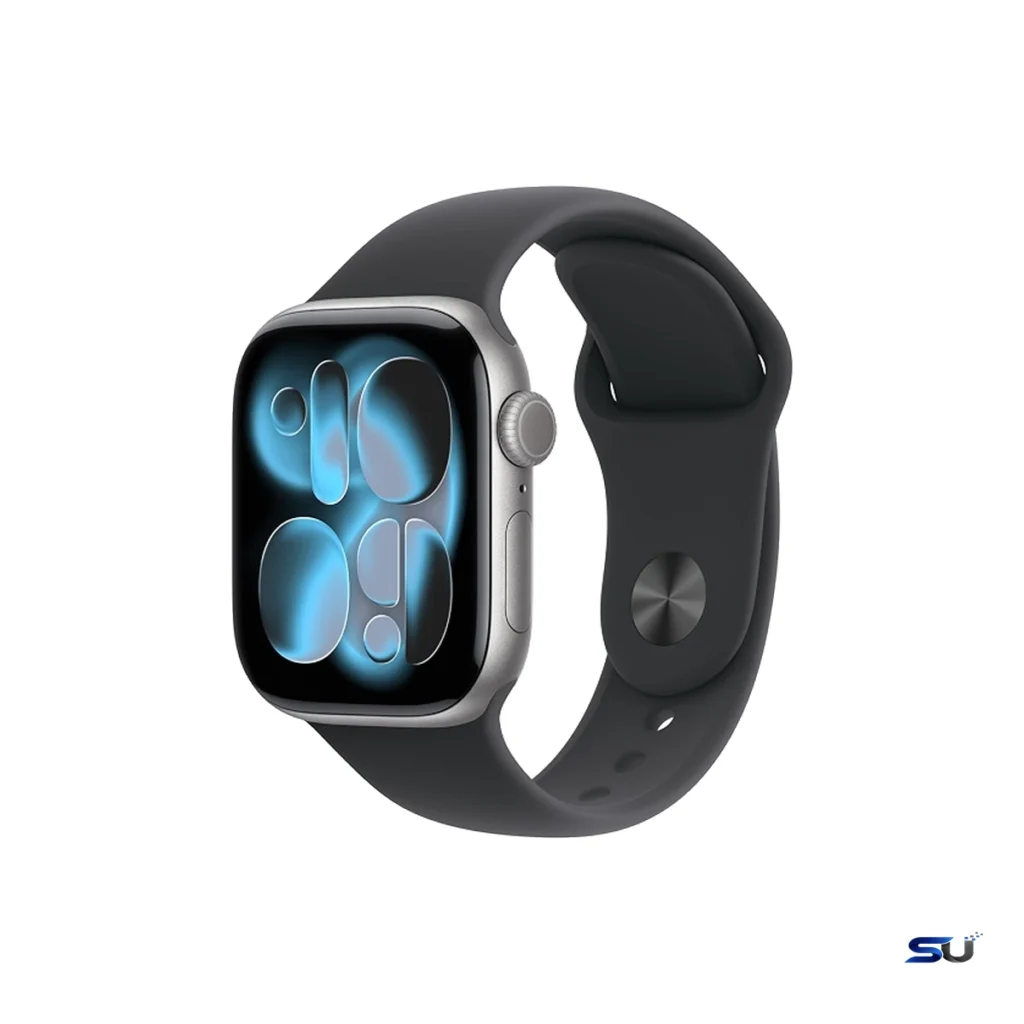
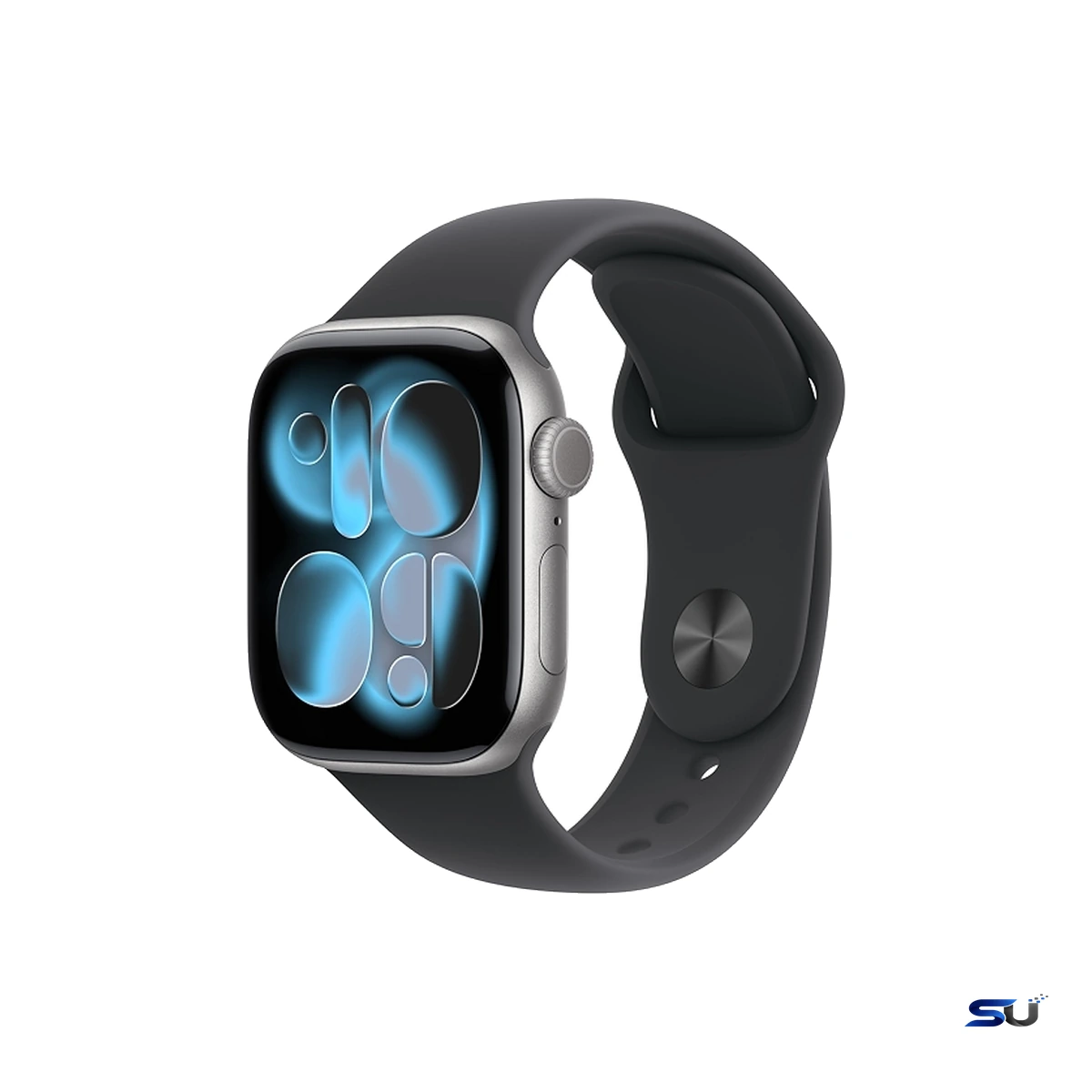
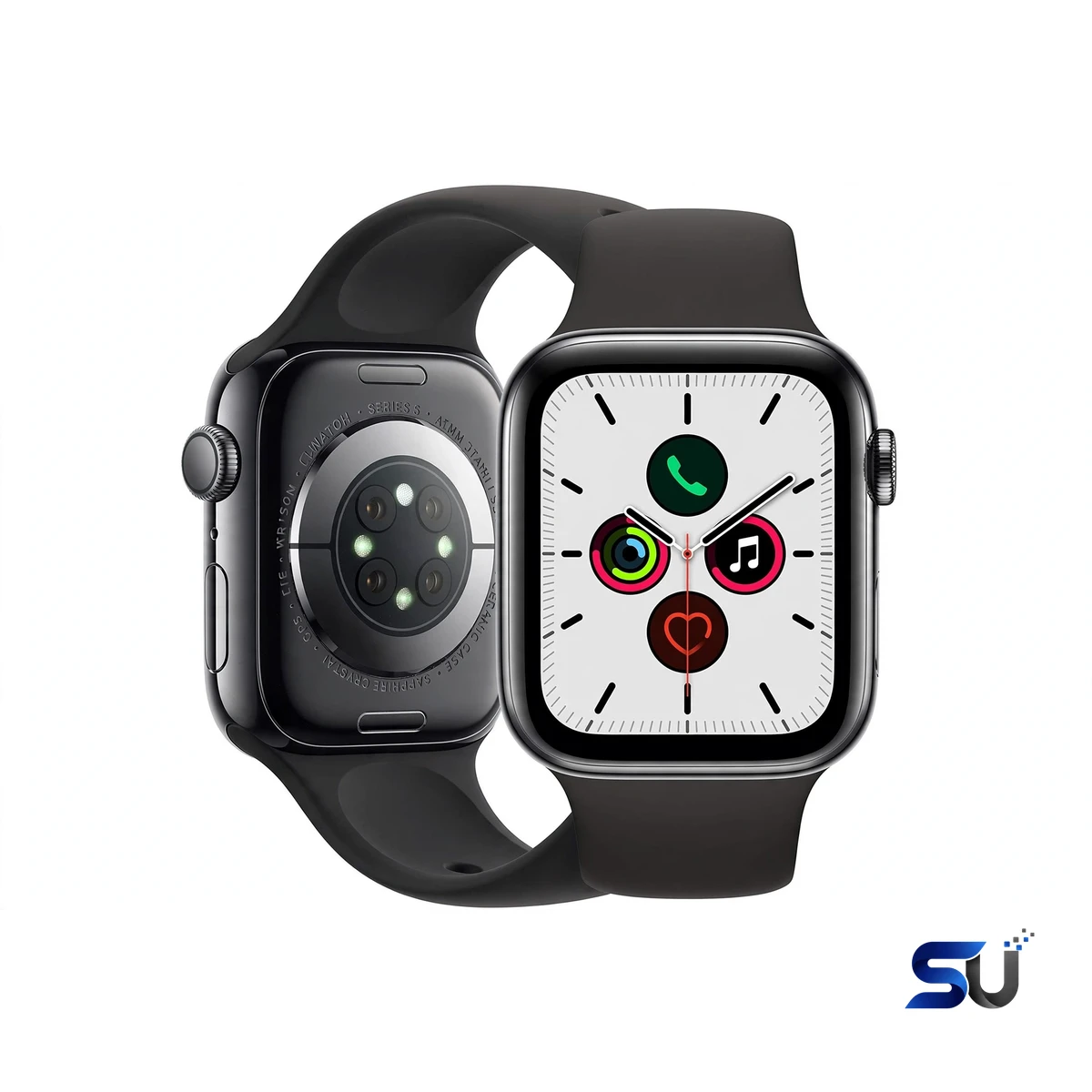
The aluminum case measures 42 by 36 by 9.7mm. It weighs 30.3g in the GPS version and 29.7g in the cellular version. The Apple Watch Series 11 42mm feels noticeably lighter on the wrist than its 46mm sibling. In fact, most people forget they're wearing it after an hour or so.
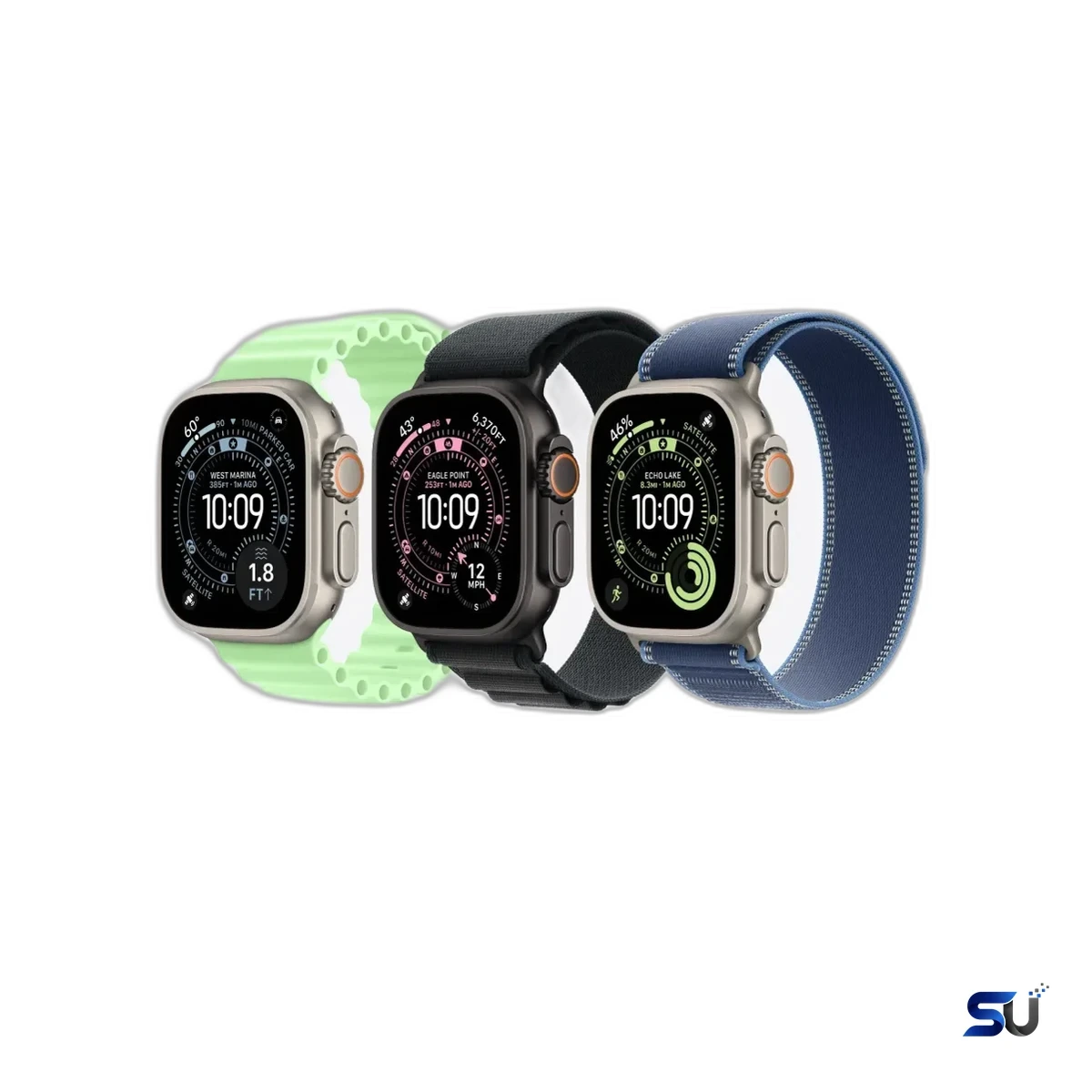
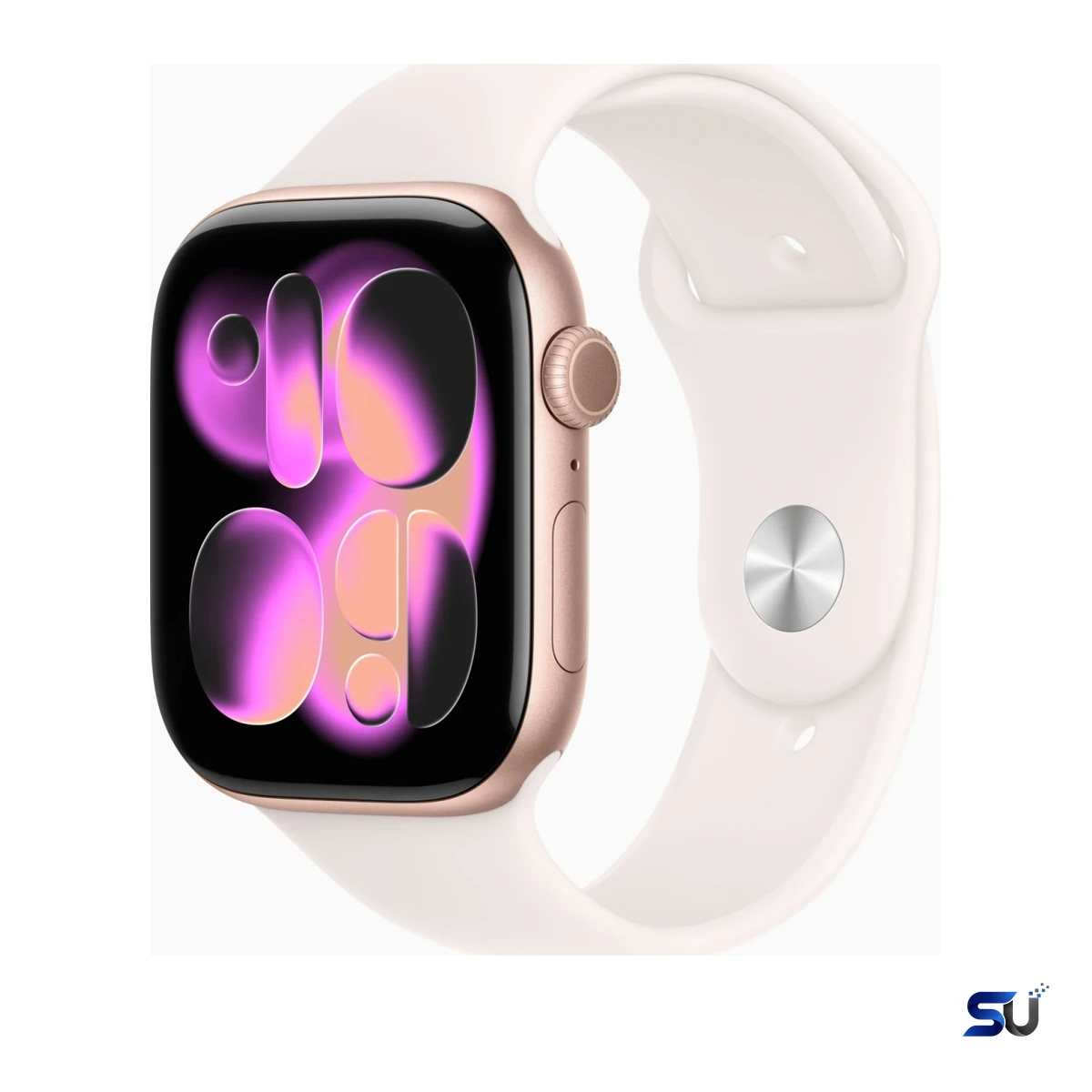
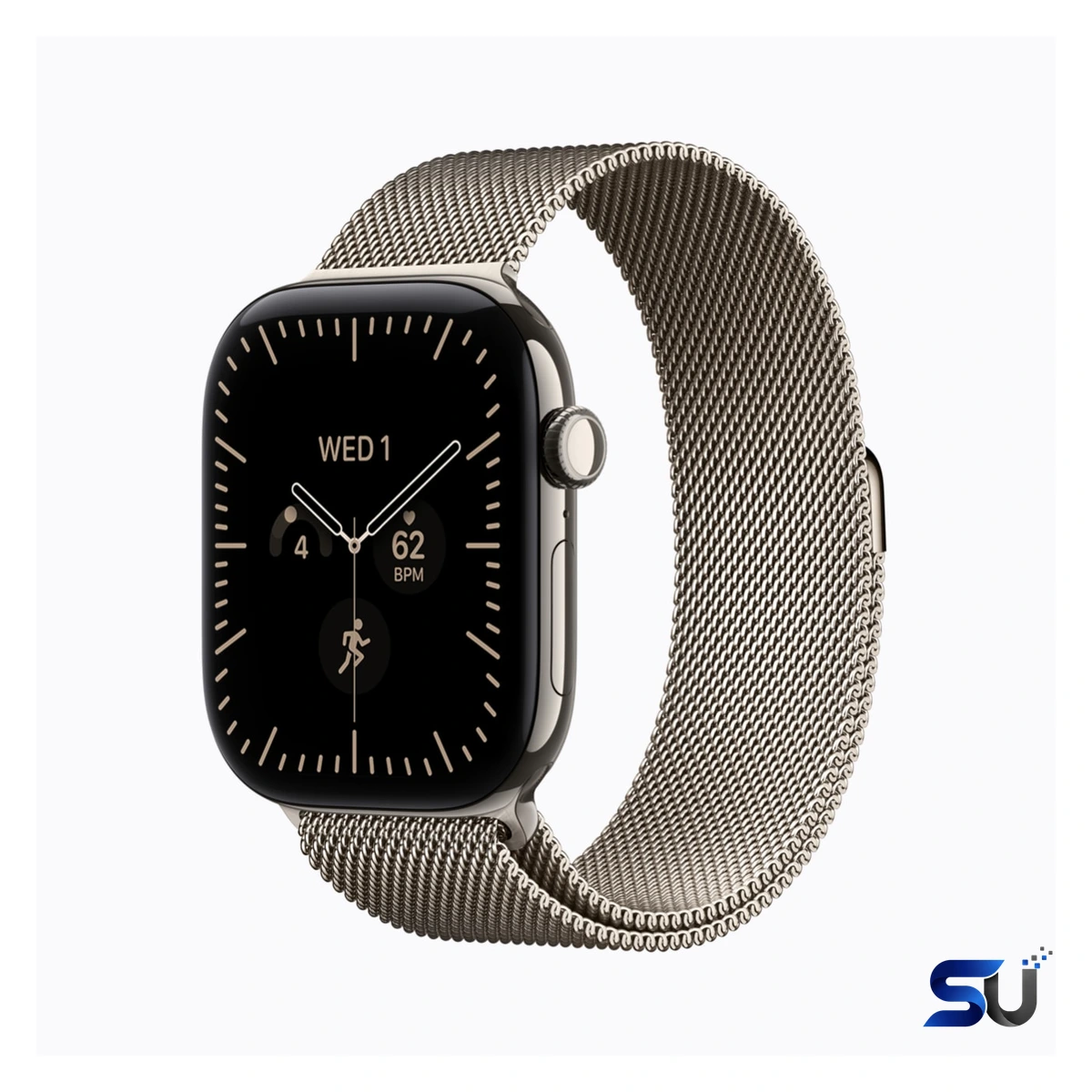
Four aluminum finishes are available: Jet Black, Rose Gold, Silver, and Space Gray. A titanium version exists too, with Natural, Gold, and Slate finishes. All bands from recent 41mm and 42mm Apple Watches fit this case. So your existing band collection carries over without a problem.
The Digital Crown keeps its haptic feedback, and the side button sits right below it. Apple also supports double tap and wrist flick gestures for quick actions. As a result, these gestures make one-handed use genuinely practical. You can scroll lists or dismiss calls without touching the screen.
At 9.7mm thin, it slides under shirt cuffs without a fight. That matters for office wear and for sleeping with the watch on. Comfort is one of the strongest reasons to pick the smaller size.
Display
The screen is a 374 by 446 pixel LTPO3 OLED panel. Apple calls it an Always-On Retina display with wide-angle OLEDs. Also, text looks sharp at 326 pixels per inch, and colors stay vivid at an angle. On the Apple Watch Series 11 42mm, the display fills nearly the whole front of the case.
Always-on means the time and complications stay visible without raising your wrist. The LTPO3 backplane drops the refresh rate right down to save power. So the screen can stay on all day without wrecking battery life.
The 42mm display area measures 989 square millimeters. That's smaller than the 46mm's 1220, but the interface scales cleanly. Buttons and text stay easy to tap and read.
Brightness and always-on display on the Apple Watch Series 11 42mm
Peak brightness hits 2000 nits, double the Series 10's outdoor brightness. Direct sunlight is no longer a problem for reading notifications or maps. The display also dims to just 1 nit in dark rooms. That makes nighttime glances far less blinding.
The front glass is Ion-X on aluminum models, with twice the scratch resistance of the Series 10. Titanium models get a sapphire crystal instead. Either way, the screen should still handle daily knocks well. A screen protector is still a sensible extra for rough use.
Performance and storage
The S10 SiP powers everything inside the Apple Watch Series 11 42mm. It's a 64-bit dual-core chip with a 4-core Neural Engine. Apple also built in a second-generation ultra wideband chip. Everyday taps, swipes, and app launches feel instant.
On-device Siri processing handles common requests without reaching for your phone. Dictation and translation run faster thanks to the Neural Engine. And the double tap gesture relies on that same machine learning hardware. It all adds up to a watch that rarely keeps you waiting.
Storage sits at 64GB, which leaves plenty of room for music, podcasts, and apps. Offline playlists from Apple Music or Spotify sync straight to the watch. There's no expandable storage, but 64GB goes a long way on a wrist. In practice, most owners will never fill it.
Apple doesn't disclose the RAM figure, and it doesn't need to. watchOS manages memory aggressively in the background. Apps resume quickly and the watch face never stutters.
Health and fitness tracking
The Apple Watch Series 11 42mm carries the same health sensor array as the larger model. That includes the electrical heart sensor, third-generation optical heart sensor, and blood oxygen sensor. A wrist temperature sensor supports cycle tracking and sleep estimates. However, every reading is framed as fitness and wellness tracking, not medical diagnosis.
Workouts cover everything from outdoor runs to pool swims to strength sessions. The Workout app tracks heart rate zones, pace, and cadence in real time. Custom workouts let you build interval sessions with warmups and cooldowns. And automatic workout detection catches the sessions you forget to start.
Heart, ECG, and blood oxygen on the Apple Watch Series 11 42mm
The ECG app records a single-lead electrocardiogram in about 30 seconds. You rest a finger on the Digital Crown while the watch measures. High and low heart rate notifications flag unusual readings in the background. Irregular rhythm notifications can point to possible atrial fibrillation.
Blood oxygen readings come from the Blood Oxygen app for general wellness purposes. These features don't replace professional medical advice or diagnosis. Still, they give you useful trends to share with your doctor. That context can make checkups more productive.
Hypertension notifications are new for the Series 11 generation. The watch analyzes blood pressure patterns over time and flags possible hypertension. This feature works as an early awareness tool for your fitness routine. Apple notes it isn't intended for users under 22 or those already diagnosed with hypertension.
Sleep tracking, sleep score, and new alerts
Wear the Apple Watch Series 11 42mm to bed and it tracks your sleep stages. The Sleep app breaks the night into awake, REM, core, and deep sleep. A new sleep score in watchOS 26 rates your night at a glance. It's a simple way to spot patterns over weeks and months.
Sleep apnea notifications use breathing disturbance data gathered overnight. If the pattern suggests possible sleep apnea, the watch tells you in the morning. You can then share a report with your doctor. Like all these tools, it's a wellness feature rather than a diagnosis.
Fast charging helps here: a quick top-up before bed covers the whole night. Apple says about five minutes of charging powers eight hours of sleep tracking. So even a nearly empty watch can handle the night. Finally, that removes the biggest barrier to consistent sleep tracking.
Safety features
Crash Detection and Fall Detection come standard on every Series 11. If the watch detects a severe car crash or a hard fall, it can call emergency services. It also shares your location with emergency contacts. These features run quietly in the background until they're needed.
Emergency SOS works by holding the side button. International emergency calling helps when you travel abroad. Backtrack uses GPS to retrace your steps on hikes. And the Noise app warns you when ambient sound gets too loud.
Cellular models can reach emergency services even without your iPhone nearby. Plus, that's a genuine safety net for solo runners and hikers. It's worth considering the cellular version if you train alone.
Battery life and charging
The Apple Watch Series 11 42mm lasts up to 18 hours on a normal day. That covers a full day of notifications, workouts, and sleep tracking. Low Power Mode stretches that to 36 hours by trimming background features. Most people will still charge it every night.
Charging is fast: the watch reaches 80 percent in about 30 minutes. Fifteen minutes on the puck adds roughly eight hours of normal use. The included cable is a Magnetic Fast Charger to USB-C. However, you'll need your own USB-C power adapter.
Battery life depends on settings, usage, and cellular activity. An hour-long outdoor run with GPS and music drains more than a desk day. Still, 18 hours is enough for all-day wear plus sleep tracking. Just build a charging routine that fits your day.
Low Power Mode disables the always-on display and background heart rate readings. Workout measurements keep running, so training data stays complete. It's a handy fallback for long travel days. You can toggle it from Control Center in seconds.
Connectivity and iPhone compatibility
Every Apple Watch Series 11 42mm includes GPS, GLONASS, Galileo, QZSS, and BeiDou. The cellular version adds LTE and 5G RedCap through an eSIM. That means calls, texts, and streaming work without your phone. The GPS-only model needs your iPhone nearby for data.
Bluetooth 5.3 pairs with headphones and heart rate straps. Wi-Fi covers 2.4GHz and 5GHz networks on the 802.11n standard. NFC handles Apple Pay at the register. And the second-generation ultra wideband chip helps find your iPhone with precision.
You'll need an iPhone 11 or later running iOS 26 or newer. Setup happens through the Watch app on your phone. Family Setup can configure a watch for a child without their own iPhone. But full features still need a paired iPhone nearby or a cellular plan.
A compass and always-on altimeter support hiking and navigation. The high-g accelerometer and gyroscope feed Crash and Fall Detection. These sensors work together behind the scenes. Still, you rarely notice them until they matter.
Water resistance and everyday durability
Apple rates the watch to 50 meters of water resistance. That covers pool swims and shallow-water workouts. The Swimproof design also earned an IP6X dust resistance rating. So beach days and dusty trails are fine.
A depth gauge reads down to 6 meters, and a water temperature sensor logs conditions. The watch ejects water from the speaker after swims. But Apple warns against high-velocity water like water skiing. Soap, shampoo, and sunscreen can also wear down the seals over time.
Rinse the watch with fresh water after salt or chlorine exposure. Dry the band before long storage. These small habits keep the seals and sensors working longer.
Is the Apple Watch Series 11 42mm the right size for you?
The 42mm case fits wrists from 130 to 200mm. If your wrist sits at the lower end of that range, this size will look and feel balanced. The Apple Watch Series 11 42mm keeps the same features as the 46mm. So the choice comes down to comfort and looks, not specs.
Smaller wrists benefit most, but the 42mm suits anyone who prefers a lighter watch. It tucks under cuffs more easily and bounces less during runs. Sleep tracking also feels less intrusive in the smaller case. Try both sizes on if you can.
The trade-offs are a smaller screen and shorter battery life than the 46mm. Text and buttons shrink slightly, though watchOS scales the interface well. And 18 hours is less than the 46mm's 24. However, if those matter more than comfort, pick the bigger case.
What's in the box
Apple keeps the box contents simple. You get the watch, a band, and a charging cable. The band size in the box depends on the case you choose. Here's the full list:
- Apple Watch Series 11 42mm (aluminum or titanium case)
- Band (size matched to your chosen case)
- Apple Watch Magnetic Fast Charger to USB-C Cable (1m)
No power adapter is included, so plan to use your own USB-C charger. The cable works with any standard USB-C power brick. Plus, most phone chargers will do the job.
Pros and cons
Here's a quick summary of the main strengths and trade-offs.
Pros
- Full Series 11 feature set with no compromises for the smaller case
- Bright 2000-nit always-on display that's easy to read outdoors
- New hypertension notifications, sleep score, and sleep apnea alerts
- Fast charging: 80 percent in about 30 minutes
- Light, thin case that's comfortable for all-day and all-night wear
Cons
- 18-hour battery life trails the 46mm model's 24 hours
- Requires an iPhone; no Android compatibility
- No power adapter in the box
- Smaller display than the 46mm version
Frequently asked questions
Is the Apple Watch Series 11 42mm big enough to read comfortably?
Yes, for most people. The 374 by 446 pixel display renders text sharply at 326 pixels per inch. The interface scales cleanly, so buttons stay easy to tap. If you often read long messages on your wrist, the 46mm gives you more room. But the 42mm rarely feels cramped.
Does the Apple Watch Series 11 42mm work with Android phones?
No. Every Apple Watch needs an iPhone for setup and daily use. You'll need an iPhone 11 or later with iOS 26 or newer. Family Setup lets a parent manage a child's watch from their iPhone. But there's no way to pair the watch with an Android phone.
How long does the battery last on the 42mm model?
Apple rates it at up to 18 hours of normal use. That covers a full day plus sleep tracking for most people. Low Power Mode extends it to 36 hours. And fast charging adds about eight hours of use in 15 minutes.
Can you swim with the Apple Watch Series 11 42mm?
Yes. The watch carries a 50-meter water resistance rating for pool and open-water swims. A dedicated Swim workout tracks your laps and strokes. The speaker ejects water afterward with a quick burst. Just rinse it with fresh water when you're done.
What's the difference between the GPS and cellular versions of the Apple Watch Series 11 42mm?
The cellular model adds LTE and 5G RedCap through an eSIM. It makes calls, sends texts, and streams music without your iPhone nearby. The GPS model needs your phone for anything beyond Bluetooth range. Cellular also costs more upfront and needs a carrier plan.
Should I upgrade from the Apple Watch Series 10?
It depends on what you own now. Series 10 owners get a brighter display, new health features, and 5G cellular. That's a modest step rather than a transformation. Owners of older models will notice a much bigger difference. New health features alone can justify the move.
Specification source
All specifications above come from Apple's official Apple Watch Series 11 technical specifications. Apple published these details at launch in September 2025. Finally, figures may vary slightly with software updates and testing conditions.