
Xiaomi Privacy Display
12GB LPDDR5X
256GB / 512GB
200MP main (23mm, Light Fusion 960, 1/1.28", f/1.67, OIS) + 200MP telephoto (75mm, Samsung HP5, 1/1.56", f/2.4, OIS) + 50MP ultra-wide (OV51D, 1/2.87", f/2.4, 102° FOV) — Leica Summilux VARIO-SUMMILUX 1:1.67-2.4/17-75 ASPH
Qualcomm Snapdragon 8 Elite Gen 6, 2nm
6000 mAh (typ) Xiaomi Silicon-carbon Battery
6.4 inches
Xiaomi Privacy Display
2436 x 1120
1-120 Hz LTPO, up to 300 Hz touch sampling
4000 nits multi-scenario peak brightness
HDR10+, Dolby Vision, BT.2020, 12-bit
Xiaomi Shield Glass 3.0
200MP main (23mm, Light Fusion 960, 1/1.28", f/1.67, OIS) + 200MP telephoto (75mm, Samsung HP5, 1/1.56", f/2.4, OIS) + 50MP ultra-wide (OV51D, 1/2.87", f/2.4, 102° FOV) — Leica Summilux VARIO-SUMMILUX 1:1.67-2.4/17-75 ASPH
50MP autofocus (OV51D, 1/2.87", f/2.2, 21mm, 90° FOV)
3.2x optical zoom, up to 120x digital zoom
8K video at 30fps; 4K Dolby Vision at 30/60/120fps; Log video up to 4K at 30/60/120fps; front camera 4K Dolby Vision at 30/60fps
Still to discover
OIS on main and telephoto cameras
Qualcomm Snapdragon 8 Elite Gen 6, 2nm
2x Prime Core up to 5 GHz + 6x Performance Core (octa-core)
Adreno GPU
12GB LPDDR5X
256GB / 512GB
UFS 4.1
Still to discover
151.8 x 72 x 8.46 mm (Velvet Red, Black, White); 151.8 x 72 x 8.56 mm (Cosmic Blue)
198 g (Velvet Red, Black, White); 203 g (Cosmic Blue)
Still to discover
IP68 — tested to 1.5 metres static freshwater for up to 30 minutes
White, Black, Cosmic Blue, Velvet Red
6000 mAh (typ) Xiaomi Silicon-carbon Battery
90W wired HyperCharge
50W Wireless HyperCharge
Still to discover
Still to discover
5G n1/2/3/5/7/8/12/20/25/26/28/38/40/41/48/66/71/75/77/78/79/80/81/83/84/89; 4G FDD-LTE B1/2/3/4/5/7/8/12/13/17/18/19/20/25/26/28/32/66/71; TDD-LTE B34/38/39/40/41/42/48; 3G WCDMA B1/2/4/5/6/8/19; 2G GSM B2/3/5/8; 4x4 MIMO
Dual SIM (nano + nano, nano + eSIM, or eSIM + eSIM)
Bluetooth 6.0 Dual-Bluetooth (SBC, AAC, AptX, AptX HD, AptX Adaptive, LDAC, LHDC 5.0, LC3, MIHC)
Wi-Fi 7 (Multi-Link Operation, 2x2 MIMO, 8x8 Sounding MU-MIMO, Wi-Fi Direct, Miracast, Dual Band Simultaneous)
GPS L1+L5, Galileo E1+E5a, GLONASS G1, QZSS L1+L5, NavIC L5, AGNSS
Yes
USB Type-C (USB version not stated by Xiaomi)
Still to discover
Xiaomi HyperOS 4 — Android version: Still to discover
Xiaomi HyperOS 4
Still to discover
Still to discover
Still to discover
Still to discover
Still to discover
Still to discover
Still to discover
Still to discover
Still to discover
198 g (Velvet Red, Black, White); 203 g (Cosmic Blue)
8.46 mm (Velvet Red, Black, White); 8.56 mm (Cosmic Blue)
Still to discover
Ultrasonic in-screen fingerprint sensor
Still to discover
Still to discover
X-axis linear vibration motor
Still to discover
Specifications shown here are for reference only and may change or vary by variant. Please confirm the final details with the manufacturer or retailer before making a purchase.
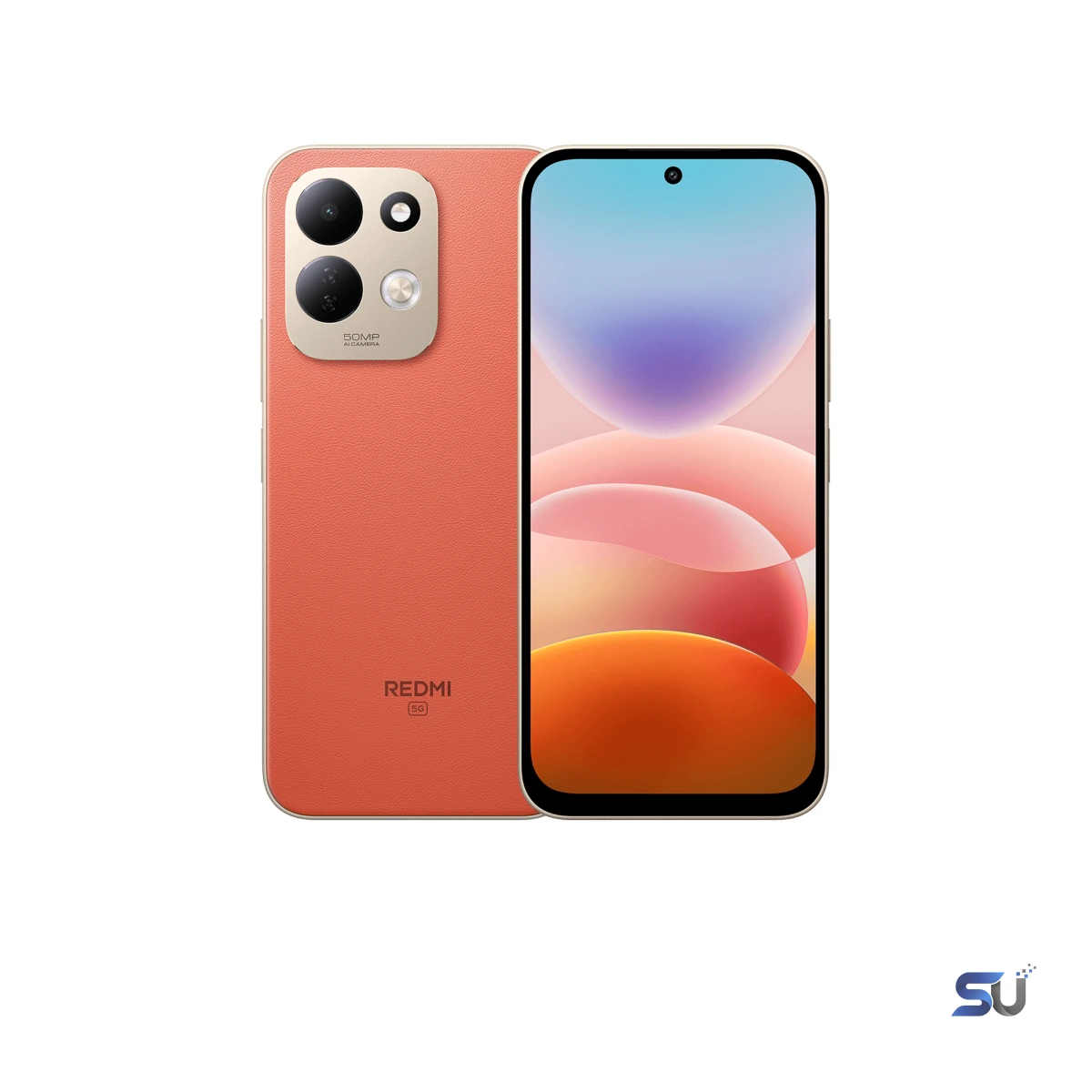
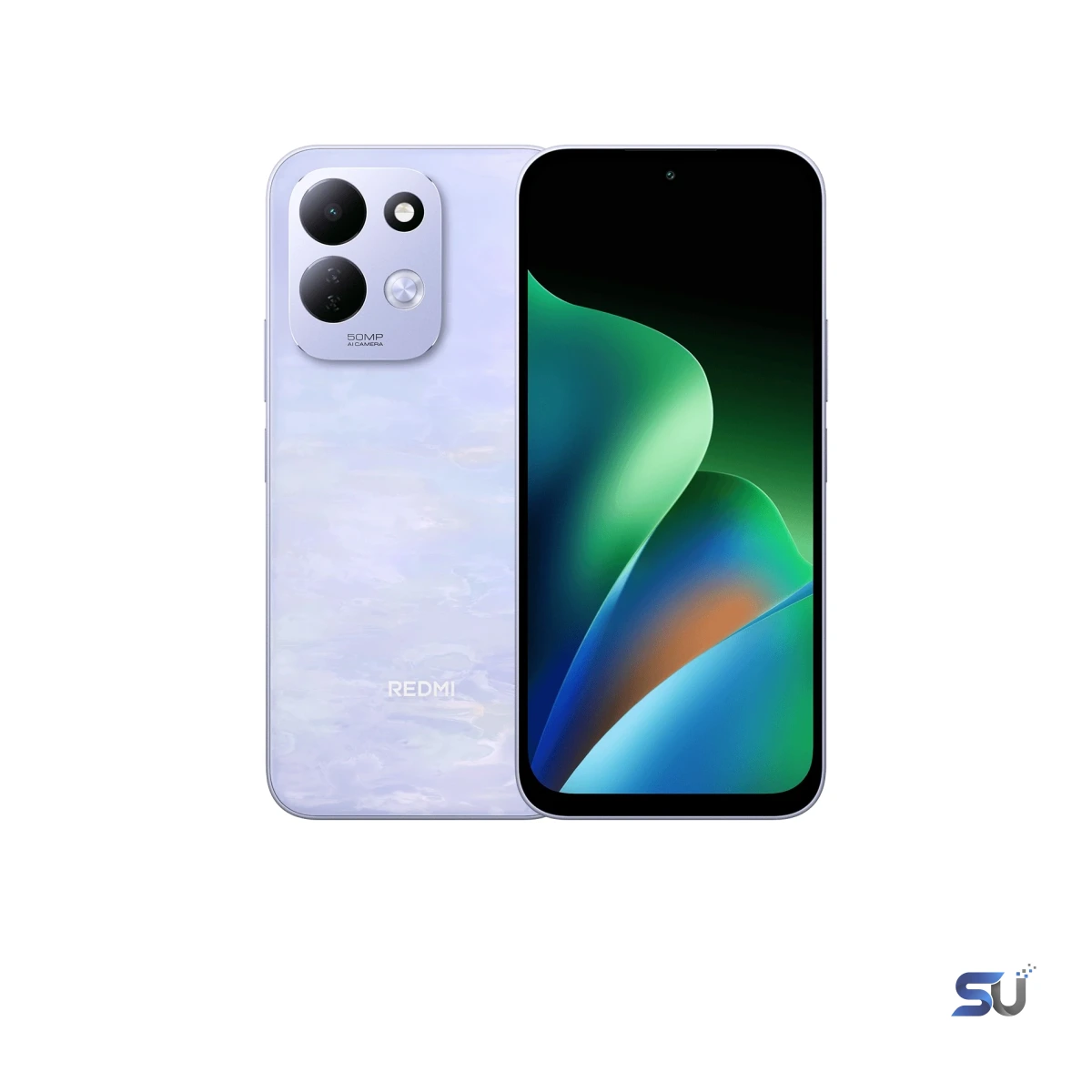
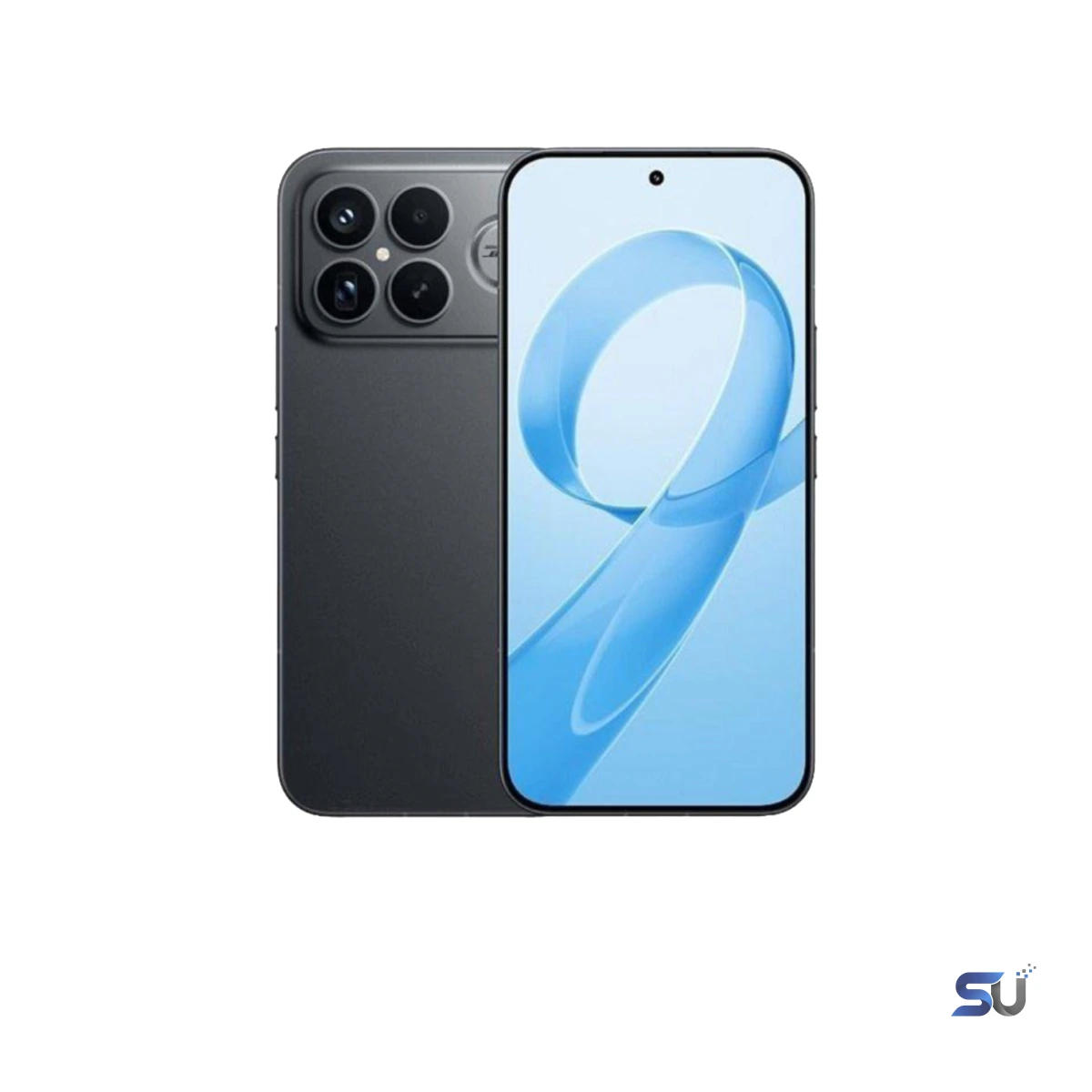
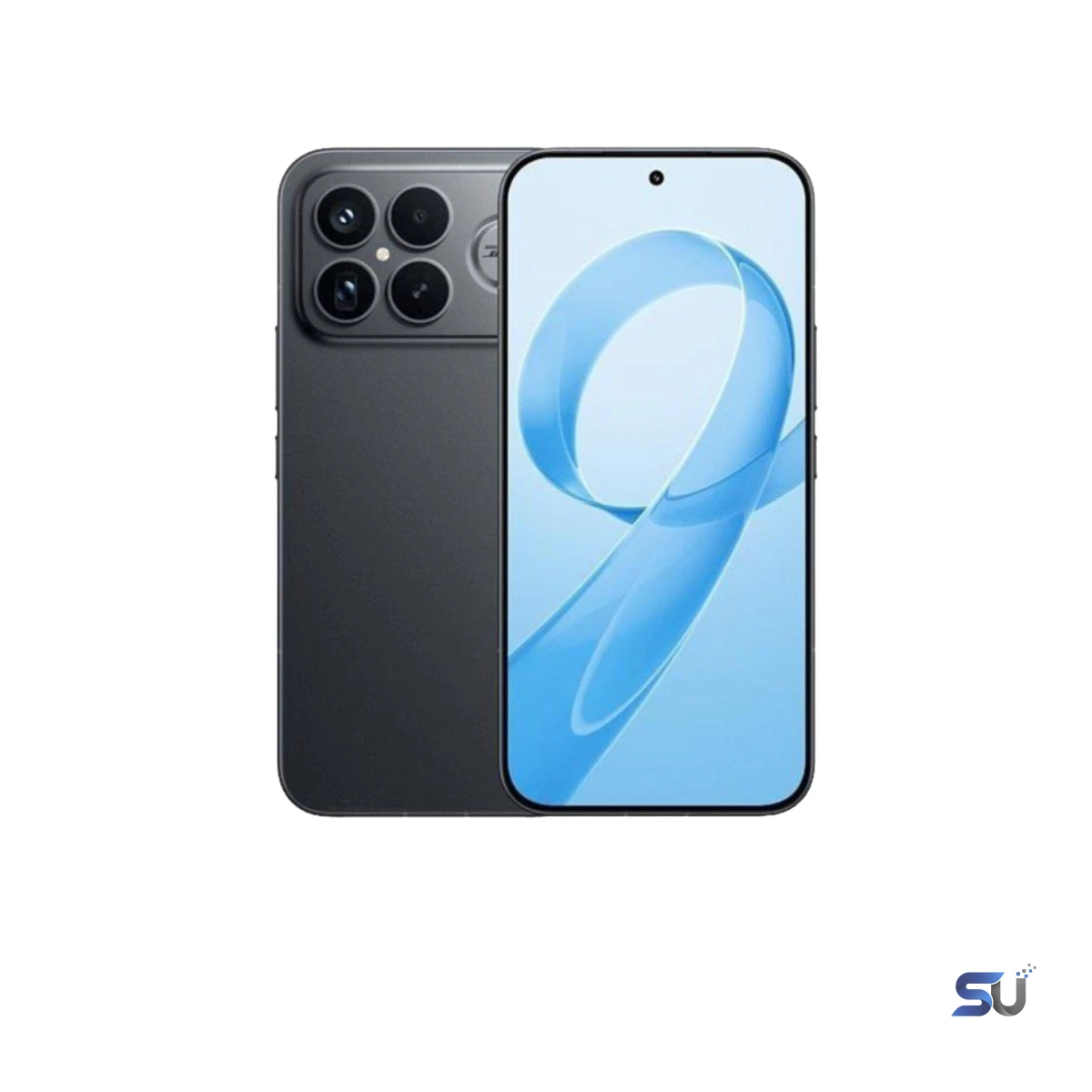
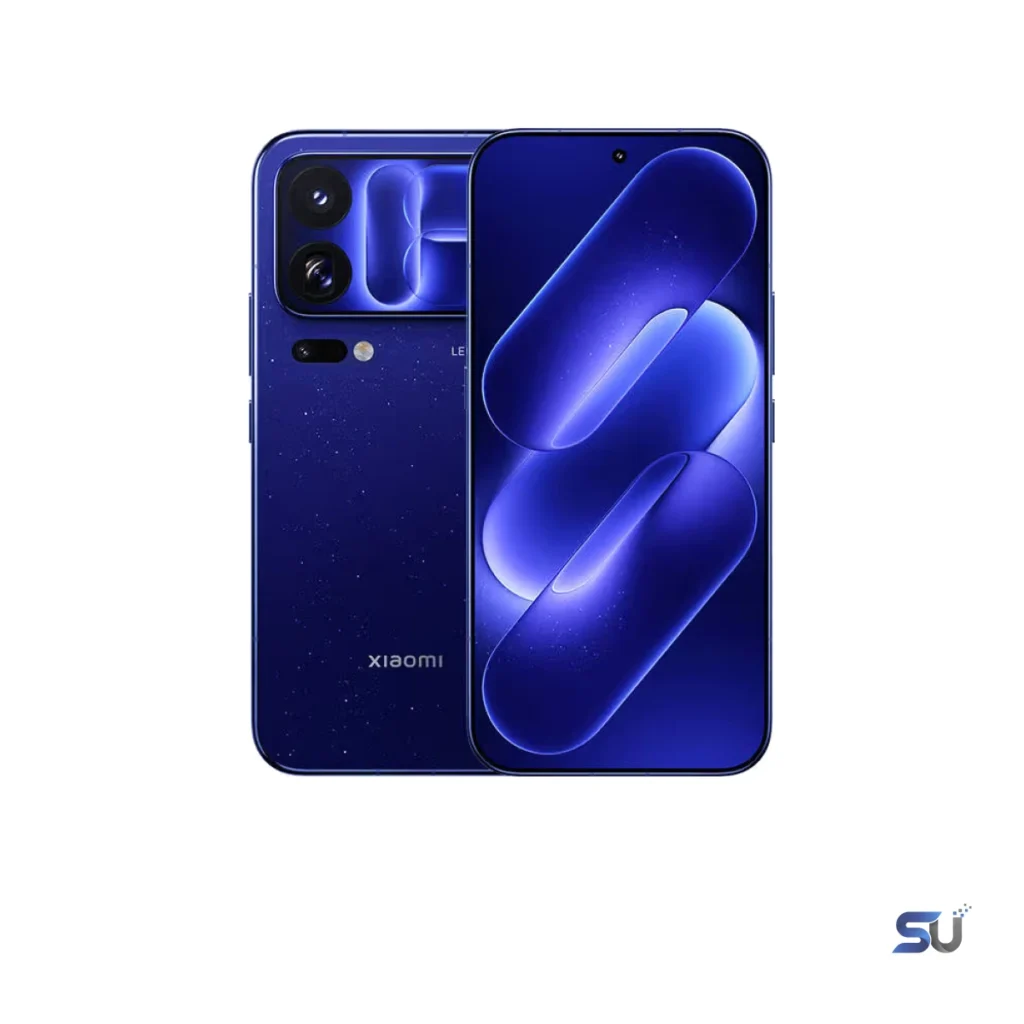
Some phones try to impress you by getting bigger. Others impress you by using their space better. In addition, this phone belongs firmly in the second group. Xiaomi 18 Pro Global 12GB fits in one hand with ease. For example, it still packs in a second display, a Leica camera system, and a large battery. As a result, that mix makes it worth a closer look.
Some phones try to impress you by getting bigger. Others impress you by using their space better. In addition, this phone belongs firmly in the second group. Xiaomi 18 Pro Global 12GB fits in one hand with ease. For example, it still packs in a second display, a Leica camera system, and a large battery. As a result, that mix makes it worth a closer look.
First, consider the size. Measuring 151.8 by 72 millimetres, this phone weighs 198 grams in Velvet Red, Black and White. Meanwhile, Cosmic Blue weighs 203 grams. That version is also slightly thicker, at 8.56 millimetres. In contrast, other colours measure 8.46 millimetres. Xiaomi offers White, Black, Cosmic Blue and Velvet Red. Your choice of colour changes the look, not the features.
Daily use brings out the practical side of the design. IP68 rating protects the phone. Xiaomi tested it to 1.5 metres in static freshwater for up to 30 minutes. Consequently, rain and splashes should cause far less worry. Furthermore, stereo speakers handle sound. An ultrasonic in-screen fingerprint sensor and AI face unlock handle security. Xiaomi HyperOS 4 runs the phone. Xiaomi states no Android version on its specifications page. That detail remains still to discover.
Measuring 6.4 inches, the main display is called the Xiaomi Privacy Display. Xiaomi Shield Glass protects it. Resolution reaches 2436 by 1120. In addition, Xiaomi HyperRGB drives the colour. Covering BT2020, the display shows colour in 12-bit. Gradients look smooth, not banded. Photos look close to real life.
Next, look at motion and touch. Adapting from 1 to 120 Hz with LTPO, the refresh rate keeps scrolling fluid. Scrolling feels fluid. Slowing down when nothing moves, the display saves power. Touch sampling reaches up to 300 Hz. Your finger gets a fast response. Peak brightness reaches 4000 nits in multi-scenario use. That helps outdoors in bright sunlight. DC dimming is included. HDR10+ and Dolby Vision are supported. Films keep their contrast and colour.
Finally, consider privacy and comfort. TUV Rheinland certified this display for privacy, low blue light, flicker-free viewing and circadian-friendly use. Privacy angle matters in daily life. Someone beside you finds the screen harder to read. That helps on a train, in a cafe, or anywhere you handle private messages. In short, the screen protects your view as well as your eyes.
Rear display is the feature most people notice first. At 2.7 inches, it uses AMOLED. Corning Gorilla Glass Victus 2 protects it. Resolution reaches 912 by 596, at 400 PPI. Moreover, it refreshes from 1 to 120 Hz. Covering B.2020, it also reaches 4000 nits of peak brightness. This is not a dim extra screen. It is a proper display on the back of the phone. As a result, it gives the Xiaomi 18 Pro Global 12GB a character that most compact flagships lack.
Photography sits at the heart of this phone. Xiaomi built the rear system with Leica. Lenses carry the marking VARIO-SUMMILUX 1:1.67-2.4/17-75 ASPH. Three cameras share the work, and each one has a clear job. For the main camera, 200MP comes with a 23mm lens. Inside, the Light Fusion 960 sensor does the work. Measuring 1/1.28 inches, that sensor uses 2.44um 16-in-1 Super Pixel technology. For light gathering, 2.44um 16-in-1 Super Pixel technology helps. Aperture reaches f/1.67. Optical image stabilisation steadies the shot.
Telephoto camera also offers 200MP, with a 75mm lens. Samsung supplies the HP5 sensor at 1/1.56 inches. Here, 2um 16-in-1 Super Pixel technology applies. Aperture reaches f/2.4. Optical image stabilisation is included. Optical zoom reaches 3.2x. You can pull distant subjects closer without digital cropping alone. In addition, digital zoom extends up to 120x when you need more reach.
Meanwhile, the ultra-wide camera offers 50MP. OV51D sensor sits at 1/2.87 inches. With 1.22um 4-in-1 pixels, it captures wide scenes well. Aperture reaches f/2.4. Field of view is 102 degrees. This lens suits wide landscapes, tight interiors and group photos. It helps when stepping back is not an option. For example, a cramped room or a tall building fits into the frame.
Video matches the stills for care and detail. Rear cameras record 8K video at 30 frames per second. They record 4K Dolby Vision at 30, 60 and 120 frames per second. Log video runs up to 4K at 30, 60 and 120 frames per second. Log support helps anyone who grades footage afterwards. Dolby Vision at up to 120 frames per second gives smoother motion for fast subjects. As a result, moving scenes look natural, not jerky.
For selfies and video calls, the front camera offers 50MP with autofocus. OV51D sensor sits at 1/2.87 inches here as well. With 1.22um 4-in-1 pixels, it keeps detail in faces. Aperture reaches f/2.2. Focal length is 21mm, with a 90-degree field of view. It records 4K Dolby Vision at 30 and 60 frames per second. Video calls and self-recorded clips keep a similar quality to the rear system. In short, the front camera is a real camera, not an afterthought.
Running on the Qualcomm Snapdragon 8 Elite Gen 6, the Xiaomi 18 Pro Global 12GB uses a 2nm chip. Xiaomi built it on a 2nm process. However, name the chip correctly. This global model does not use the Extreme version of the same family. Two Prime Cores run at up to 5 GHz. Six Performance Cores join them. An Adreno GPU handles graphics. A Qualcomm AI engine handles on-device AI. Xiaomi 3D IceLoop cooling helps the phone shed heat under load.
That combination suits real flagship work. Apps open quickly. Games stay smooth. Photo and video editing runs without long waits. AI features run on the device. Feeling warm in your hand after a few minutes of hard use should not happen. That is the test that matters, more than any single benchmark number. In practice, speed you can feel beats speed on a chart.
For memory, the phone has 12GB of RAM, using LPDDR5X. For storage, it comes as 256GB or 512GB, using UFS 4. Global 12GB configurations are 12GB with 256GB and 12GB with 512GB only. Furthermore, fast memory and fast storage help in small, daily ways. A large game loads faster. Saving a burst of 200MP photos runs more smoothly. Xiaomi states no expandable storage for this model. That detail reads still to discover. Do not assume a card slot exists.
Using a 6000 mAh typical capacity Xiaomi Silicon-carbon Battery, the Xiaomi 18 Pro Global 12GB packs a generous cell. That is a generous cell for a compact phone. Measuring 151.8 millimetres tall and 72 millimetres wide, it fits silicon-carbon chemistry into a slim body. Therefore, you should watch the battery percentage less by late afternoon. That holds even on a day with heavy camera use, navigation and video. Xiaomi publishes no battery endurance figure on its specifications page. No hours figure is claimed here.
For charging, wired charging runs at 90W with HyperCharge. In addition, wireless charging runs at 50W with Wireless HyperCharge. Supporting the common QC and PD charging standards, the phone works with a wide range of chargers. As a result, it will work with chargers you already own. For the fastest charge, use a compatible Xiaomi charger. No power adapter ships in the box. Xiaomi recommends its 100W power adapter for this model. For wireless charging, buy the charger separately. Budget for those extras if you need them.
First, think about a normal day. You check messages on the train, take photos at lunch, and navigate home in the evening. Xiaomi 18 Pro Global 12GB handles that mix without fuss. Its size helps. Slipping into a pocket or a small bag, it stays out of the way until you need it. In addition, the privacy display keeps your screen yours in a crowd. That is a small comfort, and it adds up over time.
Meanwhile, the rear display changes small habits. You can glance at the back of the phone without turning it over. You can check the time or a notification in a new way. Feeling like it has two faces, the phone works both ways. As a result, the device feels less like a slab of glass and more like a tool you chose on purpose. That feeling matters, because you will hold this phone many times a day.
As a dual SIM phone, the Xiaomi 18 Pro Global 12GB accepts nano and nano, nano and eSIM, or eSIM and eSIM. For 5G, the bands are n1, n2, n3, n5, n7, n8, n12, n20, n25, n26, n28, n38, n40, n41, n48, n66, n71, n75, n77, n78, n79, n80, n81, n83, n84 and n89. For 4G, FDD-LTE covers B1, B2, B3, B4, B5, B7, B8, B12, B13, B17, B18, B19, B20, B25, B26, B28, B32, B66 and B71. TDD-LTE runs on B34, B38, B39, B40, B41, B42 and B48.
Older networks are covered too. 3G WCDMA runs on B1, B2, B4, B5, B6, B8 and B19. 2G GSM runs on B2, B3, B5 and B8. Supporting 4x4 MIMO, the phone suits travel and many carriers. It is not a phone tied to one network or one country. In short, it should connect where you go.
For wireless, Wi-Fi 7 is included. It offers Multi-Link Operation, 2x2 MIMO, 8x8 Sounding MU-MIMO, Wi-Fi Direct, Miracast and Dual Band Simultaneous. Furthermore, Bluetooth 6 with Dual-Bluetooth supports SBC, AAC, AptX, AptX HD, AptX Adaptive, LDAC, LHDC 5, LC3 and MIHC. That covers a wide range of headphones and speakers. It includes high-resolution wireless audio. NFC is included. Connecting over USB Type-C, the phone uses a modern port. Xiaomi states no USB version for this model.
For navigation, it uses GPS on L1 and L5, Galileo on E1 and E5a, GLONASS on G1, QZSS on L1 and L5, and NavIC on L5. AGNSS support is included. Location should feel quick and accurate in most places. Moreover, a four-microphone array captures audio. Supporting Hi-Res audio and Hi-Res Wireless audio with Dolby Atmos, the phone sounds full. Stereo speakers give films, music and calls a fuller sound than a single speaker would.
Sensor list is long. First, the list includes a proximity sensor, ambient light sensor, accelerometer, gyroscope and electronic compass. In addition, the list includes an X-axis linear vibration motor, IR blaster, flicker sensor, laser focus sensor, barometer and Hall sensor. Those sensors cover daily needs and a few extras. For instance, the IR blaster can control a television. Similarly, the barometer can track altitude. Together they help the phone feel capable in many situations beyond cameras and screens.
For the box, it holds the phone, a USB Type-C cable, a SIM eject tool and a protective case. It also holds safety information, a quick start guide, a warranty card and desiccant. A protective case guards the phone from day one. Its cable covers charging and data. No power adapter ships in the box. Xiaomi recommends its 100W power adapter for the Xiaomi 18 Pro Global 12GB. For wireless charging, buy the charger separately. Think about those extras before the phone arrives.
Strengths are easy to name. Leica camera system is versatile. Two 200MP cameras and a 50MP ultra-wide cover 23mm, 75mm and a 102-degree view. 8K video and 4K Dolby Vision add to that range. That versatility is rare in a phone this size. Meanwhile, the main display is bright, smooth and privacy-minded. In addition, the rear display adds a second way to use the phone. Finally, the 6000 mAh battery is large for a compact flagship. 90W wired and 50W wireless charging refill it. Snapdragon 8 Elite Gen 6, 12GB of RAM, UFS 4 storage, IP68 protection, wide 5G support, Wi-Fi 7 and Bluetooth 6 complete the package.
No phone is without trade-offs. For charging, the box has no power adapter. In addition, the wireless charger is sold separately. Fast charging speeds depend on accessories you may need to buy. Xiaomi states no Android version, update policy, expandable storage, benchmark scores or battery endurance figure on its specifications page. Several details buyers often ask about remain still to discover. That gap is a drawback in itself. By design, the phone stays compact. Anyone who wants the largest screen or the largest battery should look elsewhere. Meanwhile, the rear display is a second screen to keep clean and protected.
In conclusion, the Xiaomi 18 Pro Global 12GB is a compact flagship with a clear idea. It does not try to be the biggest phone. It does not chase the fastest charging number on the market. Instead it combines a Leica camera system, a privacy-focused 6.4-inch display, a 2.7-inch rear display, Snapdragon 8 Elite Gen 6 power, a 6000 mAh battery and IP68 protection in a body that is easy to hold. That mix suits photographers, travellers and anyone tired of large phones. However, buyers who need a bigger screen, a bundled adapter or more published test results may want to keep looking. For the person it is aimed at, it is a thoughtful, capable and distinctive phone.
However, the best test is to hold the phone yourself. Furthermore, its size, screen and cameras reward a closer look. Moreover, the rear display grows on you with use. Also, the battery and charging remove daily worry. In fact, the whole package feels carefully balanced. For instance, the Leica cameras, privacy display and 6000 mAh battery work together. Similarly, the Snapdragon chip and fast storage keep everything smooth. Therefore, this phone suits people who value craft over size. As a result, it earns a place on any shortlist. In conclusion, it is a compact flagship that knows exactly what it is.