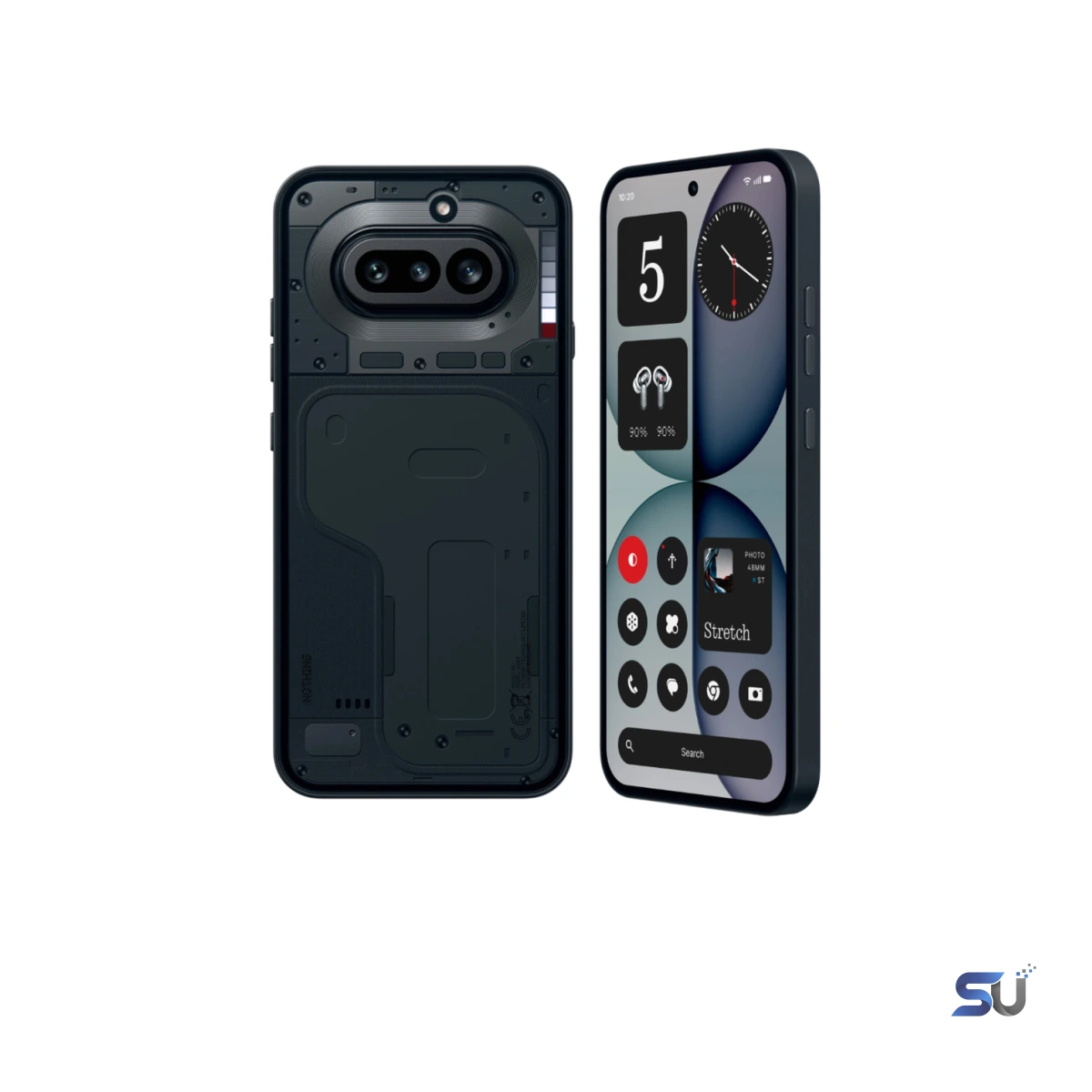
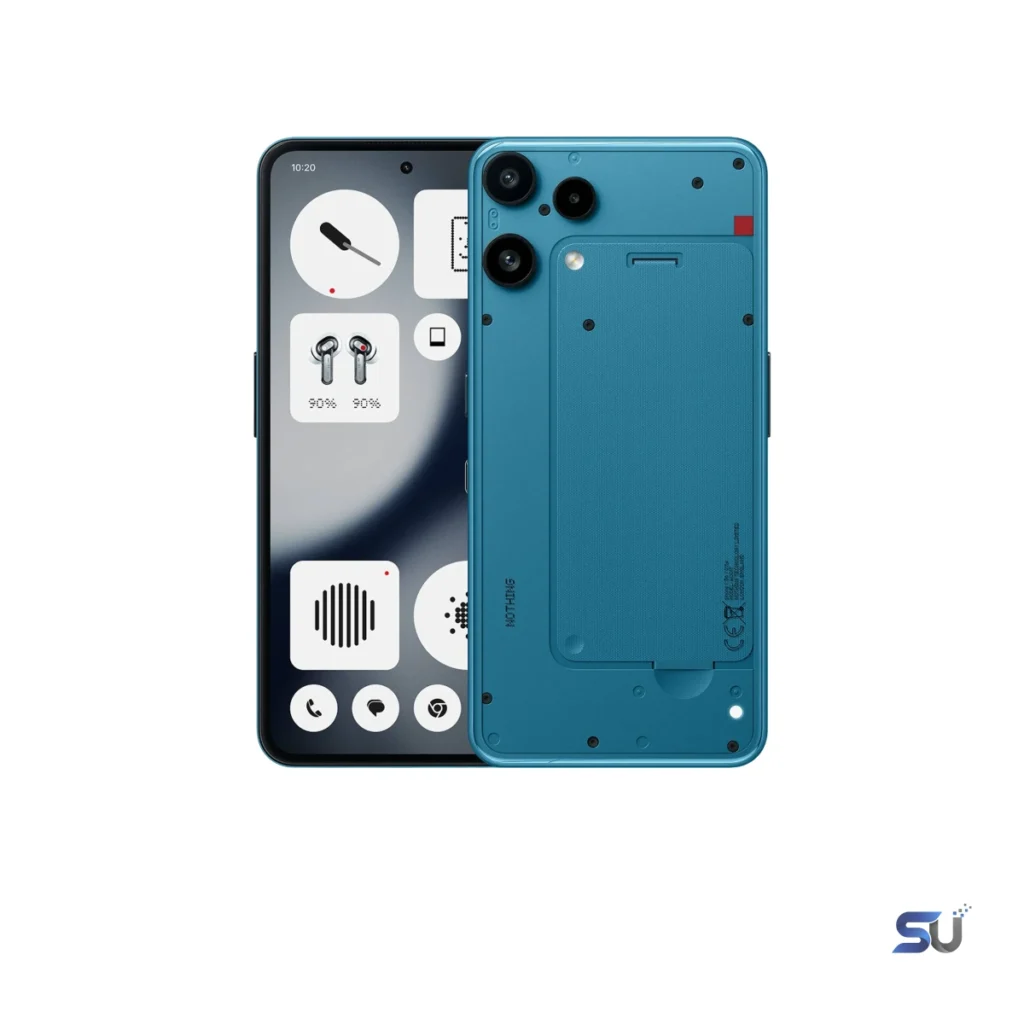
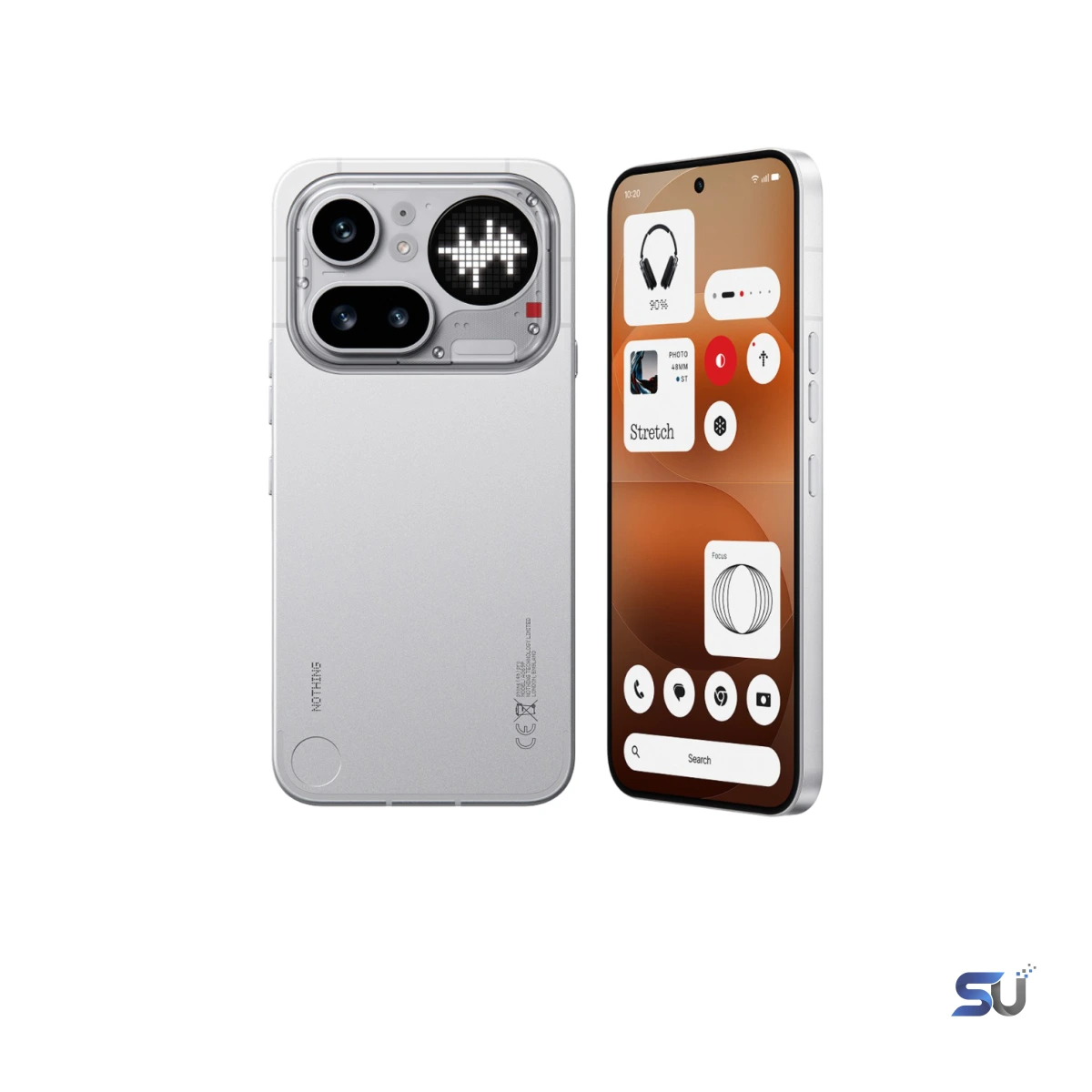
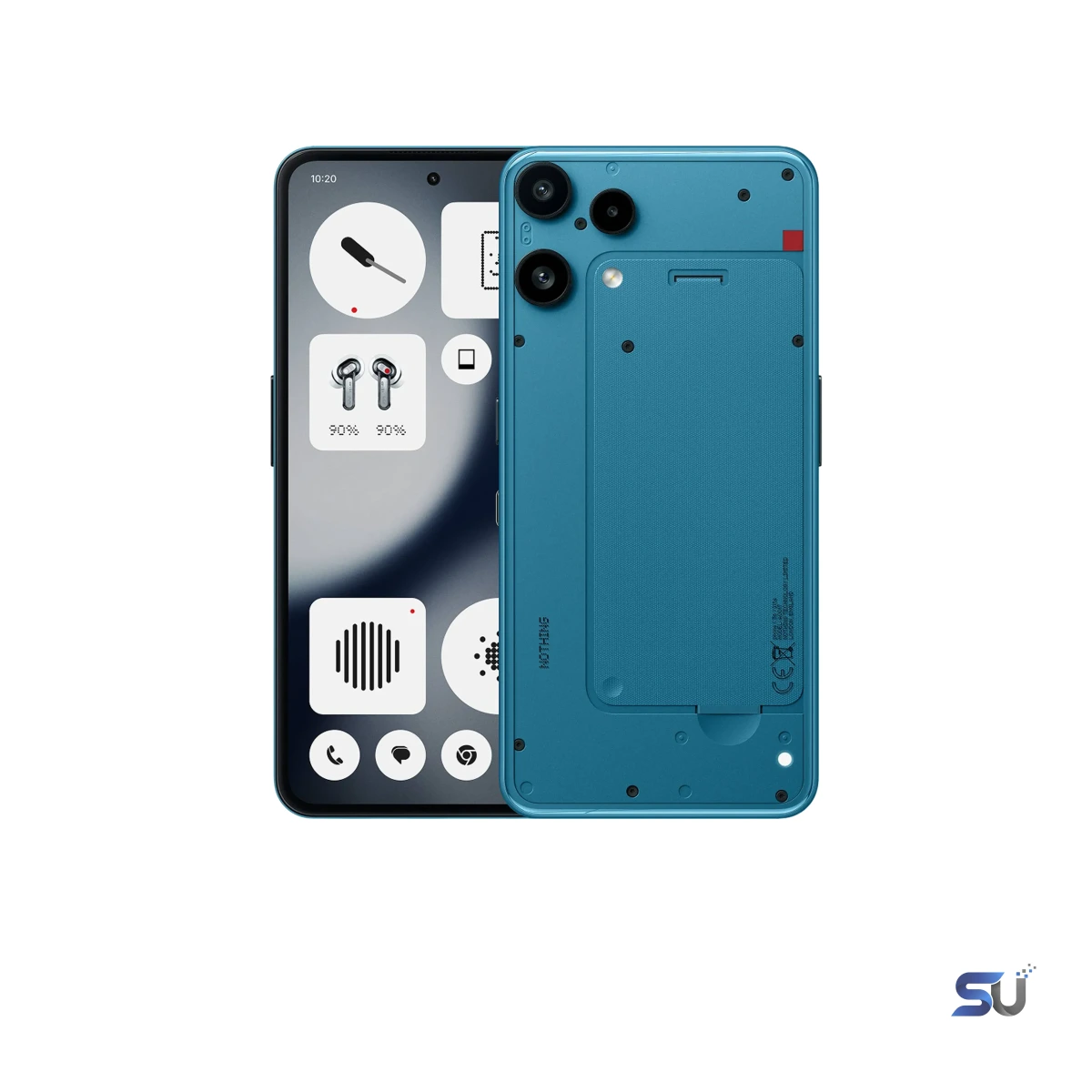
There is a small word on the box, and it does a lot of heavy lifting. Lite. Most of us hear it and translate it at once. Less of something. A compromise dressed up as a choice. The suspicion is fair, because makers have used the word that way for years. Yet the Nothing Phone (3a) Lite 8GB answers that suspicion in an interesting way. This review starts with the question itself, not with a list of numbers. What has been lightened here? What stays exactly as it is? In fact, the answer is more specific than the word suggests. It deserves a slow walk through, one part at a time.
This review follows one ordinary day with the phone. It starts with the first glance at the screen in the morning. It ends with the last charge at night. Along the way, it uses only the details Nothing itself has published for this model. In addition, where a detail has not been published, it says so plainly. This review guesses nothing. It borrows nothing from another phone that happens to look similar. That discipline matters. This phone invites comparison, and comparison is exactly where mistakes creep in.
What the word Lite actually changes
Start with the parts that did not change. The screen measures 6.77 inches. The battery holds 5,000 mAh. Three lenses still make up the rear camera system. In other words, those are not small things to keep. A phone's screen and battery shape almost every hour of its use. Leaving them untouched is a real decision, not a marketing line. The changes, meanwhile, are easy to name. The processor is MediaTek's Dimensity 7300 Pro. Charging runs at 33 W. The third rear camera is a 2 MP macro lens, not a zoom lens. In short, the Lite trims the parts that add cost and complexity. It keeps the parts you touch all day.
That trade is the whole story of this phone. If you wanted the longest possible zoom, look elsewhere. If you wanted the fastest possible charging, look elsewhere too. However, the big screen is here. The long-lasting battery is here. The clean, dot-matrix style is here, and it makes a Nothing phone easy to spot across a room. Next, this review puts that claim to the test, feature by feature. It ends with the things we still do not know.
Morning: the screen you wake up to
The first thing you meet in the morning is the display. It is a generous one, measuring 6.77 inches from corner to corner. A flexible AMOLED panel fills the front. The resolution is 1084 by 2392 pixels, or 387 pixels per inch. As a result, text looks printed rather than drawn at that density. Colour runs to 10 bits, about 1.07 billion colours, and the contrast ratio is 1,000,000 to 1. In plain terms, blacks look properly black, and bright colours do not wash out when the screen gets busy.
Brightness is where the numbers get interesting. Typical brightness is 800 nits. The outdoor figure is 1,300 nits. The peak reaches 3,000 nits. However, that peak matters on a bright day, when a dimmer screen turns into a mirror. The refresh rate adapts up to 120 Hz, so scrolling feels smooth. Touch sampling runs at 1,000 Hz, which keeps taps feeling immediate. The pulse-width modulation rate is 2,160 Hz. Panda Glass covers the top. One detail stays open: the published page does not say whether the panel supports HDR video. This record marks that detail as still to discover, rather than assuming an answer.
Nothing Phone (3a) Lite 8GB: the chip, the memory and the room to grow
Under the screen sits MediaTek's Dimensity 7300 Pro 5G. It uses a 4 nm process. It has eight cores, and they run at up to 2.5 GHz. This configuration pairs the chip with 8 GB of physical memory. Storage comes in two sizes: 128 GB or 256 GB. Both can expand with a card up to 2 TB. In fact, that last point deserves a pause. Many phones at this end of the market have dropped expandable storage altogether. A 2 TB ceiling is a genuine piece of flexibility. It suits anyone who keeps years of photos, music and offline maps on the phone itself.
The published specifications leave out two details. The page does not list the graphics processor. It does not list the storage type either. Both matter to people who play demanding games. Both matter to people who move large files around. So this record marks them as still to discover. Still, what the page does publish is enough to say the basics are sound. A current 4 nm chip. 8 GB of memory. Storage that can grow. The rest is a matter of waiting for verified test results, not of guessing.
Midday: three cameras, three different jobs
By midday the cameras have usually done their first real work. This phone gives each of its three rear lenses a different job. The main camera is a 50 MP unit. It has a 24 mm lens, an f/1.88 aperture and a 1/1.57-inch sensor. It uses electronic image stabilisation and phase detection autofocus. The ultra-wide camera is an 8 MP unit. It has a 15 mm lens, an f/2.2 aperture and a wide 119.5-degree field of view. For example, that is the lens for rooms, streets and landscapes that will not fit in a normal frame.
The third camera is a 2 MP macro lens at f/2.4, made for close-up shots of small subjects. On the front, a 16 MP camera with a 24 mm lens and an f/2.45 aperture handles selfies and video calls.
Nothing calls the camera software TrueLens Engine 4. It brings Ultra XDR, Auto Tone, a Portrait Optimiser, Motion Photo, Night Mode and a dedicated Macro Mode. Video reaches 4K at 30 frames per second. It drops to 1080p at 30 or 60 frames per second. Slow motion runs at 120 frames per second, and time lapse works in both 4K and 1080p. Video gets electronic stabilisation as well. One thing is absent, and it should be said plainly. There is no zoom lens in this set. The Nothing Phone (3a) Lite 8GB covers wide, normal and close-up shooting. For instance, anyone who regularly photographs distant subjects should know that before buying.
Afternoon: the battery and the charger
Afternoon is when a battery earns its keep. The Nothing Phone (3a) Lite 8GB carries a 5,000 mAh battery. Charging runs at 33 W over a wire. Nothing's own figures say the phone reaches half charge in 20 minutes. A full charge takes about an hour. Those are honest, useful numbers for planning a day. A short stop near a socket in the afternoon carries the phone through the evening. The page also lists reverse wired charging at 5 W. The phone can share a little power with an accessory in a pinch.
What the page leaves out matters just as much. No battery-life figure in hours is given. No wireless charging is listed at all. So this record cannot promise a number of hours on a charge. It does not claim wireless charging exists. Therefore, remember the 33 W figure, along with the 20-minute half charge. For most people, those two facts shape daily use far more than any laboratory endurance score.
The body in the hand
A phone is also an object you hold for hours. So the body deserves the same attention as the screen. This one measures 164 by 78 by 8.3 mm. It weighs 199 g. That puts it on the tall and light side of the average. The finish is glass. Black, White and Blue are the colour choices. The phone carries an IP54 rating for water resistance. That covers splashes and dust, not a swim. Under the glass sits an in-screen optical fingerprint sensor. Meanwhile, inside the body, an X-axis linear vibrator handles haptics. The Glyph Light on the back is the signature touch. It is a strip of light that can signal calls and notifications without waking the screen.
The sensors are the usual set for a modern phone. You get an accelerometer, an electronic compass, an ambient light sensor, a gyroscope and a proximity sensor. In the box, Nothing includes:
- The phone
- A 100 cm USB-C to USB-C cable
- A case
- A screen protector, already applied
- A SIM ejector
- Safety and warranty papers
The published page does not describe the exact materials of the frame and rear panel. So this record leaves the material field as still to discover, instead of guessing at it.
Evening: software that stays out of the way
By evening, the software is what you notice most. It is the layer between you and everything else. The Nothing Phone (3a) Lite 8GB runs Nothing OS 3.5 on Android 15. The look is the familiar Nothing style. A dot-matrix typeface. Monochrome widgets. A home screen that feels designed rather than decorated. Essential Space, the hub for notes and reminders, is part of the package. Nothing publishes the update promise in plain terms. Three years of Android updates. Six years of security patches. Overall, that is a long runway for a phone at this end of the market. Above all, it matters more than most launch-day headlines.
Software promises are easy to make and hard to keep. So the numbers above are worth more than any adjective. Three years of platform updates should keep the phone current through several birthdays. Six years of security patches should keep it safe for longer still. If you keep a phone for a long time, that second number is the one to circle.
Staying connected
Connectivity is rarely the reason anyone buys a phone. It is often the reason someone returns one. So it deserves a careful read. The phone supports 5G in both standalone and non-standalone modes. It also supports 4G LTE, 3G and 2G, with a long list of bands published for each. In addition, two nano-SIM cards fit at once. Some variants add eSIM support. Wi-Fi runs to the 802.11ax standard on both 2.4 GHz and 5 GHz bands, with MU-MIMO. Bluetooth is version 5.4. For location, the phone uses GPS, GLONASS, BDS, Galileo and QZSS. The page lists NFC as supported, though the exact support varies by model. Check the model you are buying before you rely on it for payments.
The charging and data port is USB Type-C. The cable in the box is USB-C at both ends. That single detail removes a whole category of daily friction. One cable serves the phone, the laptop and the earbuds, where those all use the same connector. It is a small thing. Indeed, it is the kind of small thing you notice every single day.
What we still do not know
A good review is honest about its edges. Here they are, all in one place. The published page does not list the graphics processor. It also leaves out the storage type. It says nothing about HDR support for the display. Wireless charging gets no mention. No battery-life figure in hours appears. No benchmark scores appear either. Drop and scratch results do not appear. The page does not describe the frame and panel materials. It lists no zoom figures for the cameras.
The Nothing Phone (3a) Lite 8GB record marks every one of these as still to discover.
That is a deliberate choice. In other words, a blank that says so is more useful than a number copied from a different phone.
There is one more unknown. It is the one people ask about first. The published product page prints no launch date. So this record does not invent one. When a date is published, the field can take it in a single edit. Until then, the honest answer is that it is still to discover. As a result, judge the phone on the hardware in front of us, not on a calendar.
Who this phone fits
The buyer who wants the 8 GB memory configuration will find it here. The big bright screen is here too. So is a battery that does not need babysitting. The camera set covers everyday scenes, wide views and close-ups. The person who likes the Nothing look can have it without paying for a zoom lens they would rarely use. Finally, anyone who values expandable storage will like this phone too, because a card slot that reaches 2 TB is genuinely rare now.
On the other hand, it is not the right choice for someone who photographs distant subjects every week. It is not right for anyone who needs the fastest charging available. It is not right for a buyer who wants every specification nailed down today, since several fields here are still open.
Before you buy: a short checklist
A short checklist will save a longer regret. First, confirm the exact model code and the storage size on the listing. This record covers the 8 GB version with 128 GB or 256 GB of storage. Second, check that the network bands match your carrier. Confirm whether the model you are buying supports NFC and eSIM in the way you expect. Third, remember that the box includes a cable, a case and a pre-applied screen protector. Plan for the charger separately if you need one.
Fourth, look at the phone in your own hands if you can. 164 mm tall and 199 g is a real size. Above all, comfort is personal. The Nothing Phone (3a) Lite 8GB rewards that kind of careful check. What it promises is specific, and specific promises are easy to verify.
The short version
Here is the short version. The word Lite trims the zoom lens. It trims the fastest charging. It trims a few details that were never published. The big screen stays where it was. The long-lasting battery stays where it was. So do the triple camera, the clean software and the long update promise. Overall, that is a fair trade, honestly described. It is the reason the Nothing Phone (3a) Lite 8GB deserves a look from anyone shopping for a straightforward, good-looking handset with room to grow. What remains unknown is marked as unknown. That is part of the value too.