A watch that keeps up with the day
Morning starts before the alarm has finished its first bar. The wrist lights up, the night's sleep is already summarised, and the day's first decision is how hard to train. That quiet handover from night to morning is where a good smartwatch earns its place, and the Samsung Galaxy Watch 9 40mm sits at the centre of it. It is the smaller of the two sizes, yet it carries the same chip, the same software and the same health sensors as its larger sibling. For many wrists, that makes it the more interesting choice.
This review follows the watch through a full day rather than a spec sheet. First comes the morning run, then a long stretch at a desk, then an evening wind-down and a night of sleep tracking. Along the way, the details that matter most are comfort, legibility, battery and the quality of the health readings. After that, the software has to stay out of the way. If a watch can handle that whole loop without fuss, it deserves a place on the wrist.
There is also a practical question hiding behind the design. A 40mm case suits slimmer wrists and shirt cuffs, yet it also means a smaller battery and a smaller screen. Samsung has tried to close that gap with a brighter display, a faster chip and a bigger cell than the last generation. The result is a watch that feels small on the wrist and capable in use. However, the trade-offs are still there, and this review names them plainly.
A smaller case that disappears on the wrist
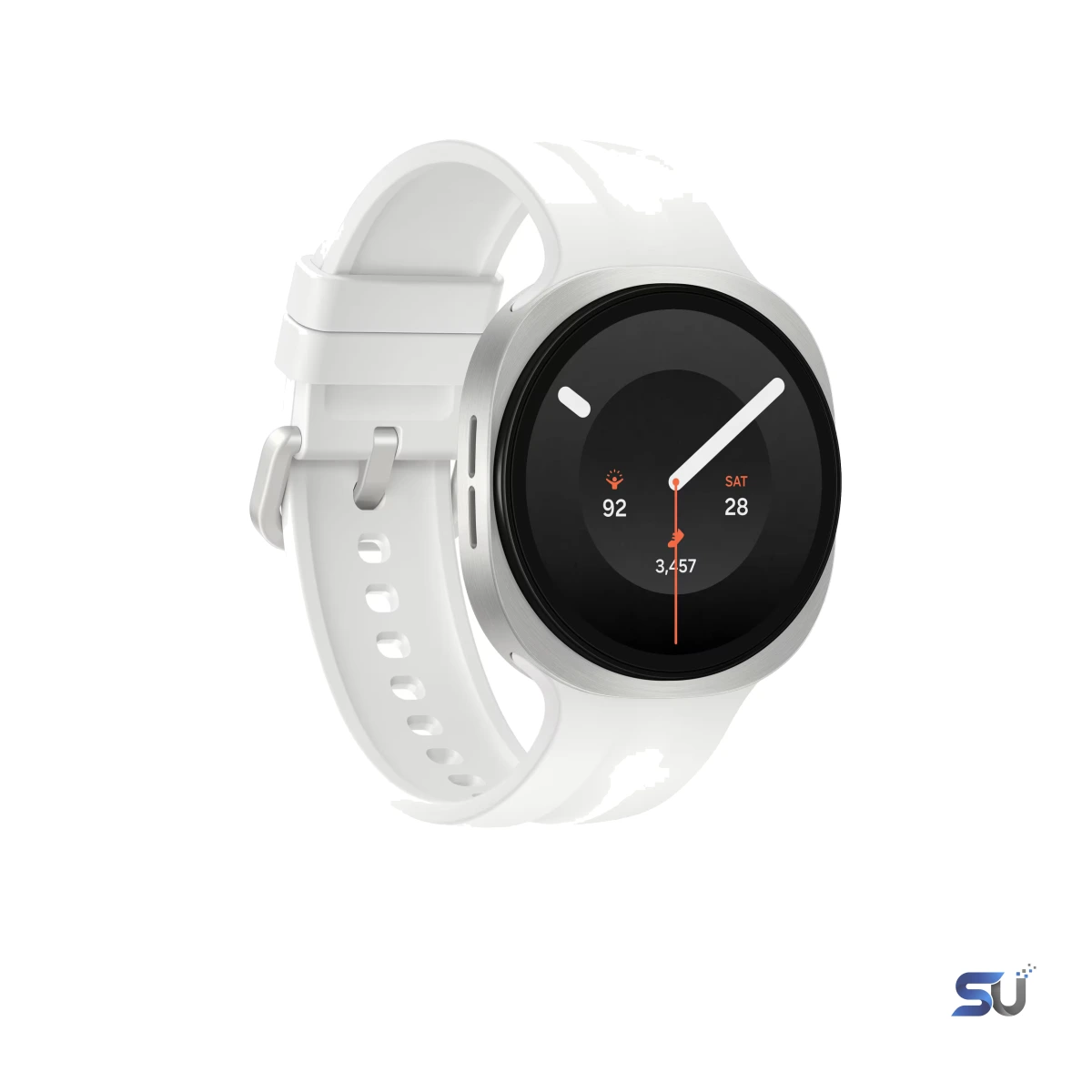
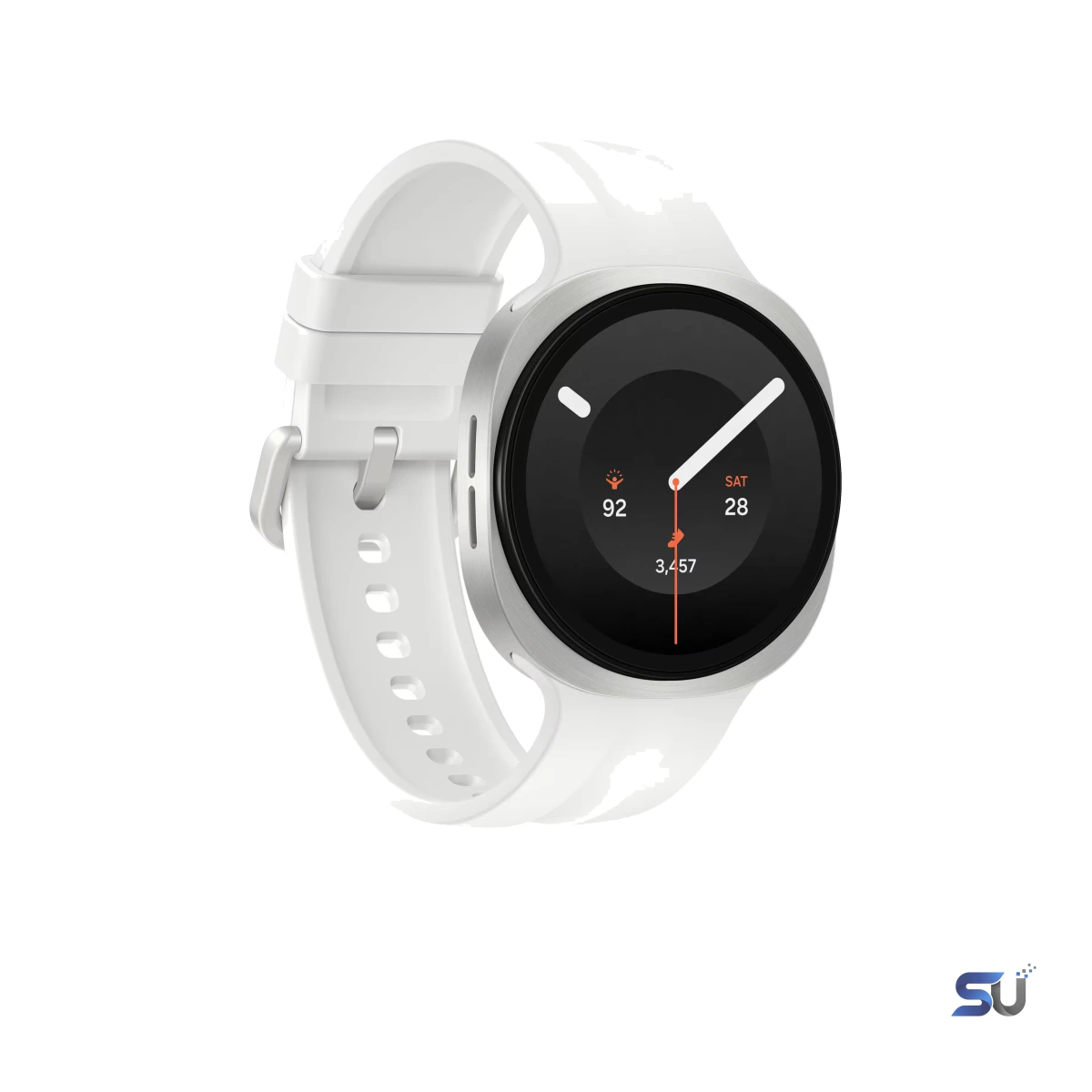
At 42.7 x 40.4 x 8.6 mm and 31.5 g, the Samsung Galaxy Watch 9 40mm is a light watch. The case uses Armor Aluminum 2, and the front is covered by sapphire crystal. Together, those two choices give the watch a tough outer shell without adding bulk. In addition, the watch carries IP68 dust and water resistance, 5 ATM water resistance and MIL-STD-810H durability. That combination should survive rain, pool sessions and the odd knock against a door frame.
Comfort matters more than any single specification. A watch that pinches or slides soon ends up in a drawer, no matter how clever its sensors are. The 20mm strap and the light case help here, and the lug-less cushion shape sits flat against the wrist. As a result, the Samsung Galaxy Watch 9 40mm stays put during runs and stays comfortable overnight. For sleep tracking, that comfort is the whole point, because a watch cannot measure a night it was not worn for.
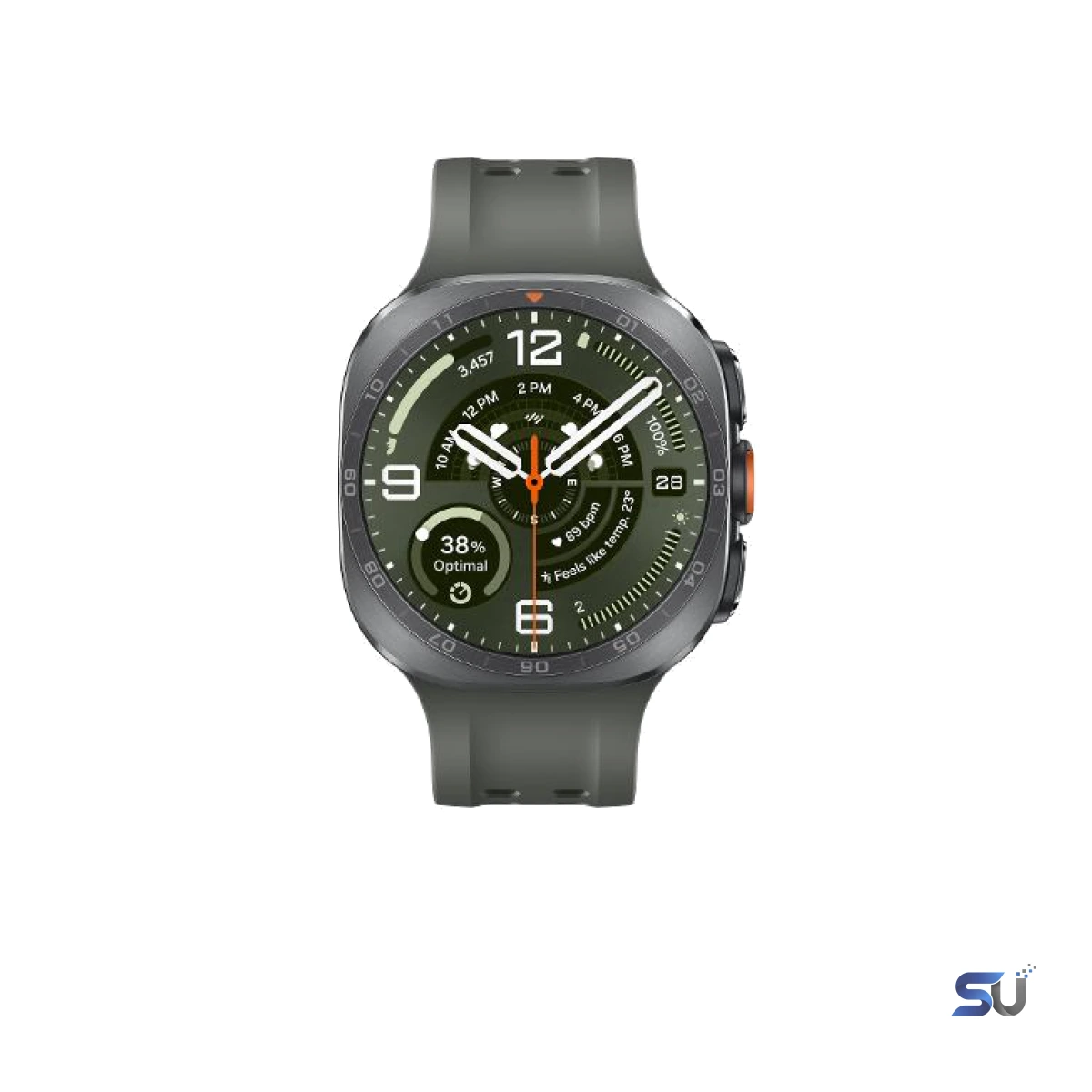
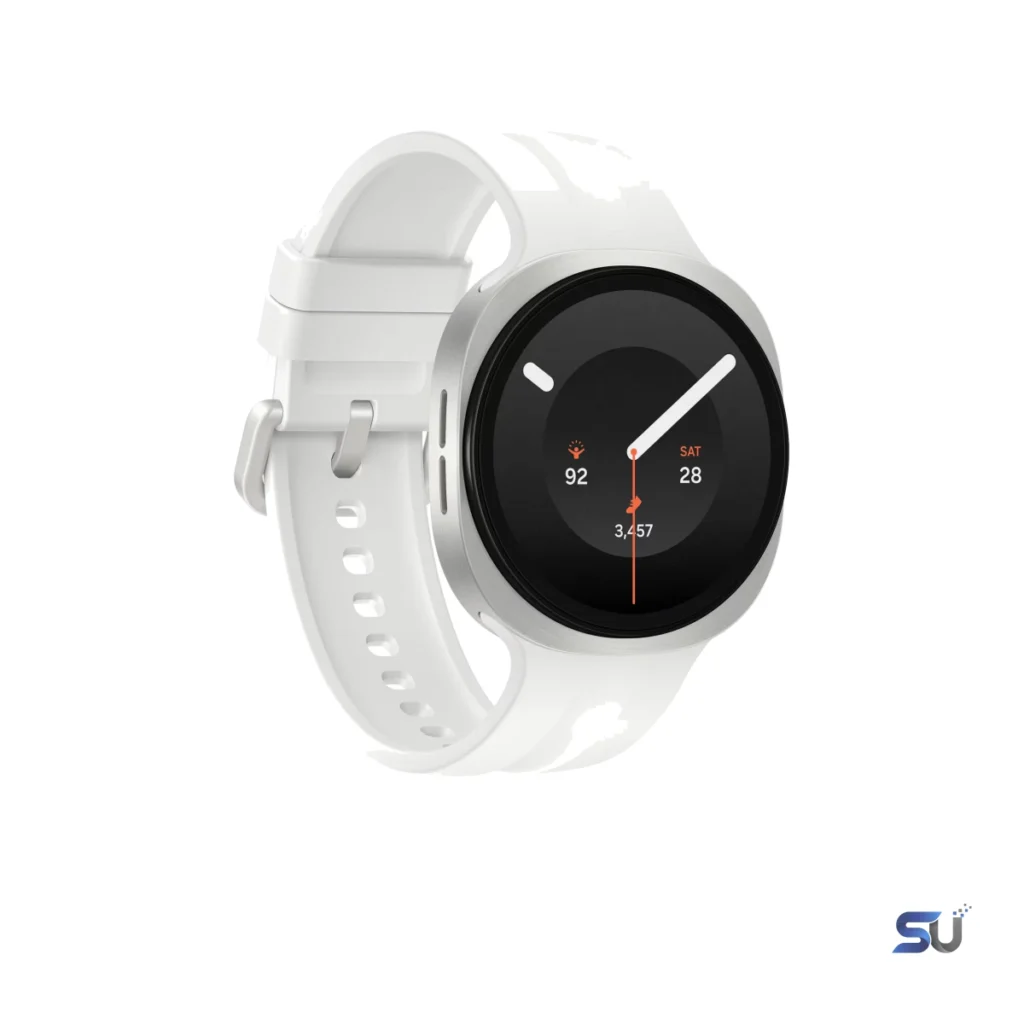
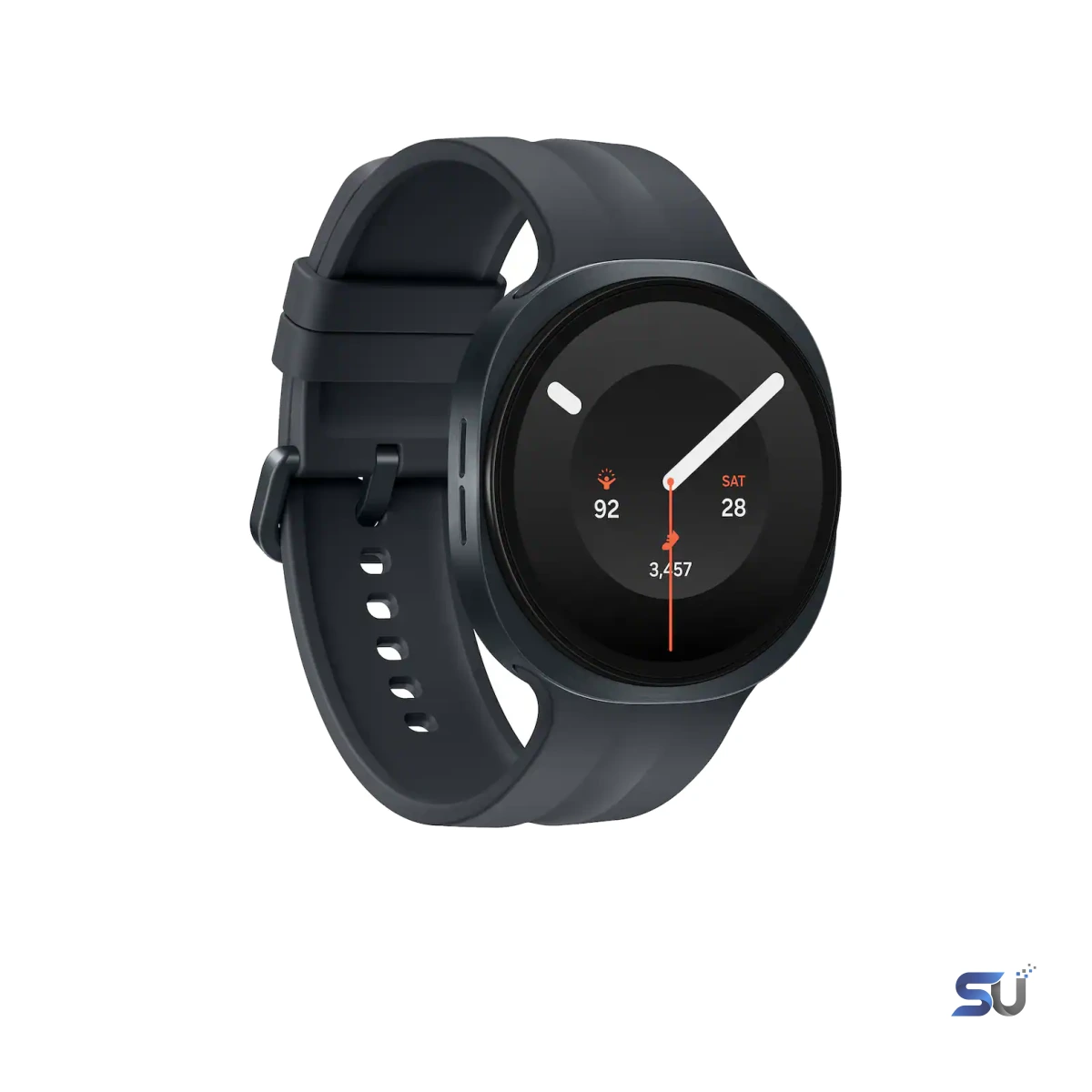
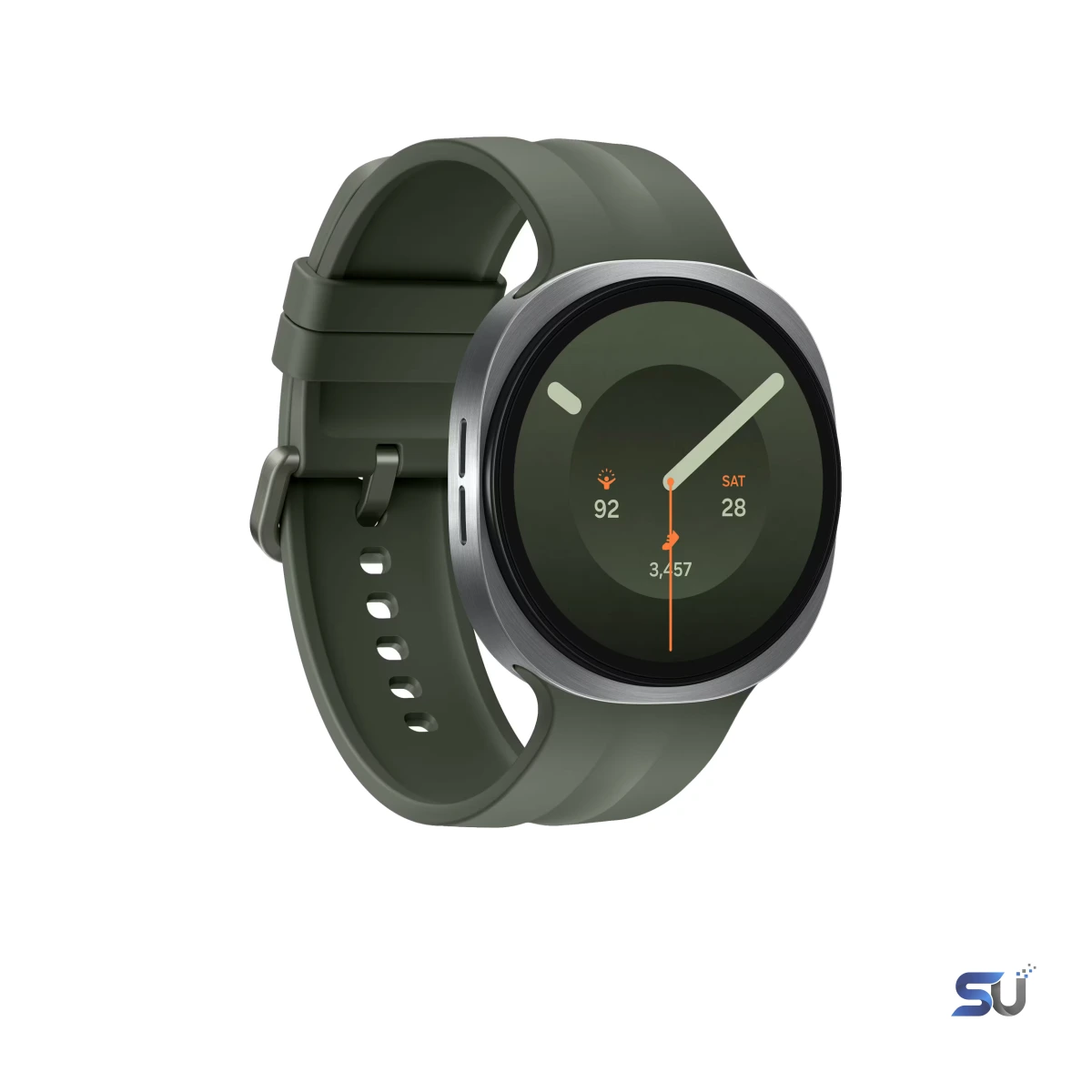
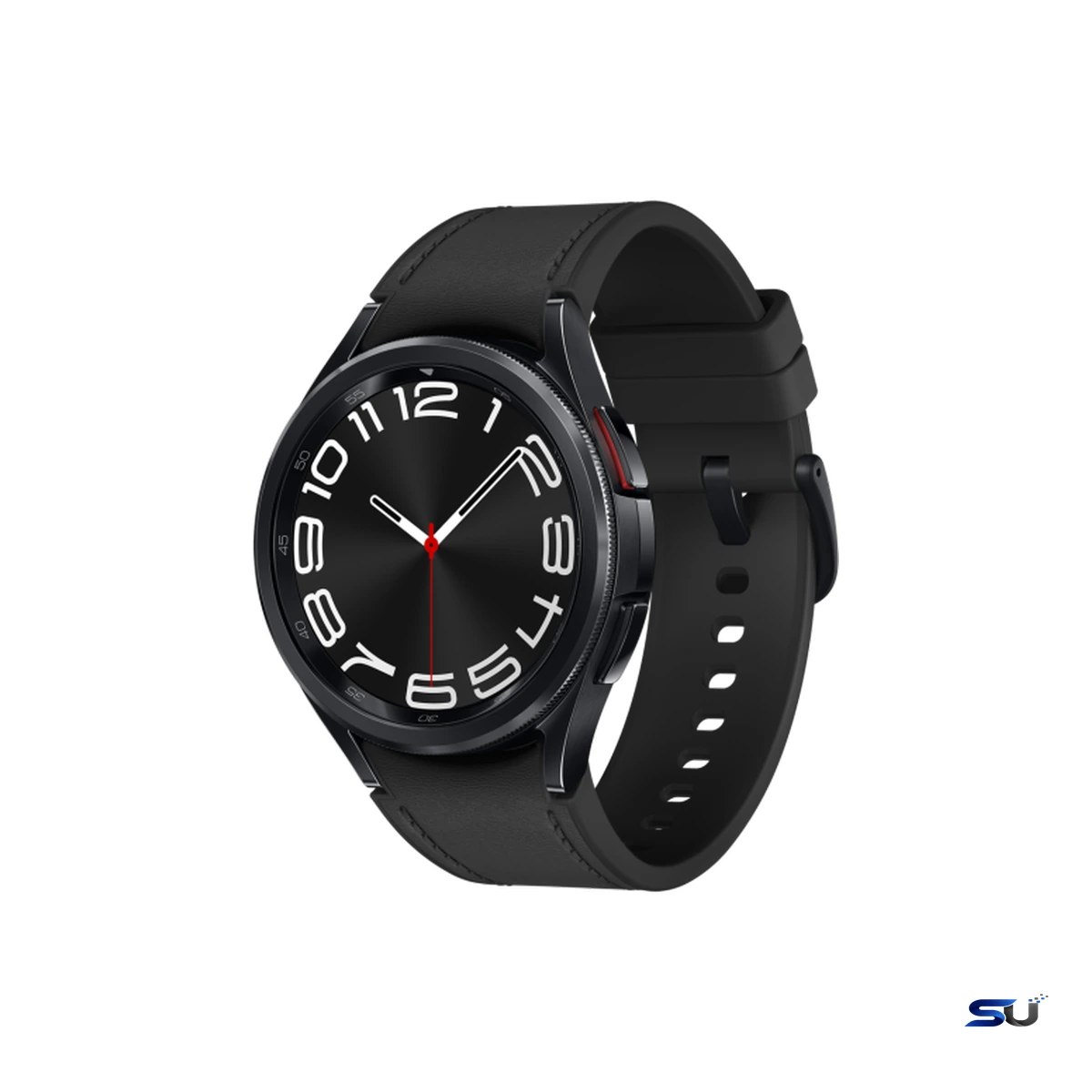
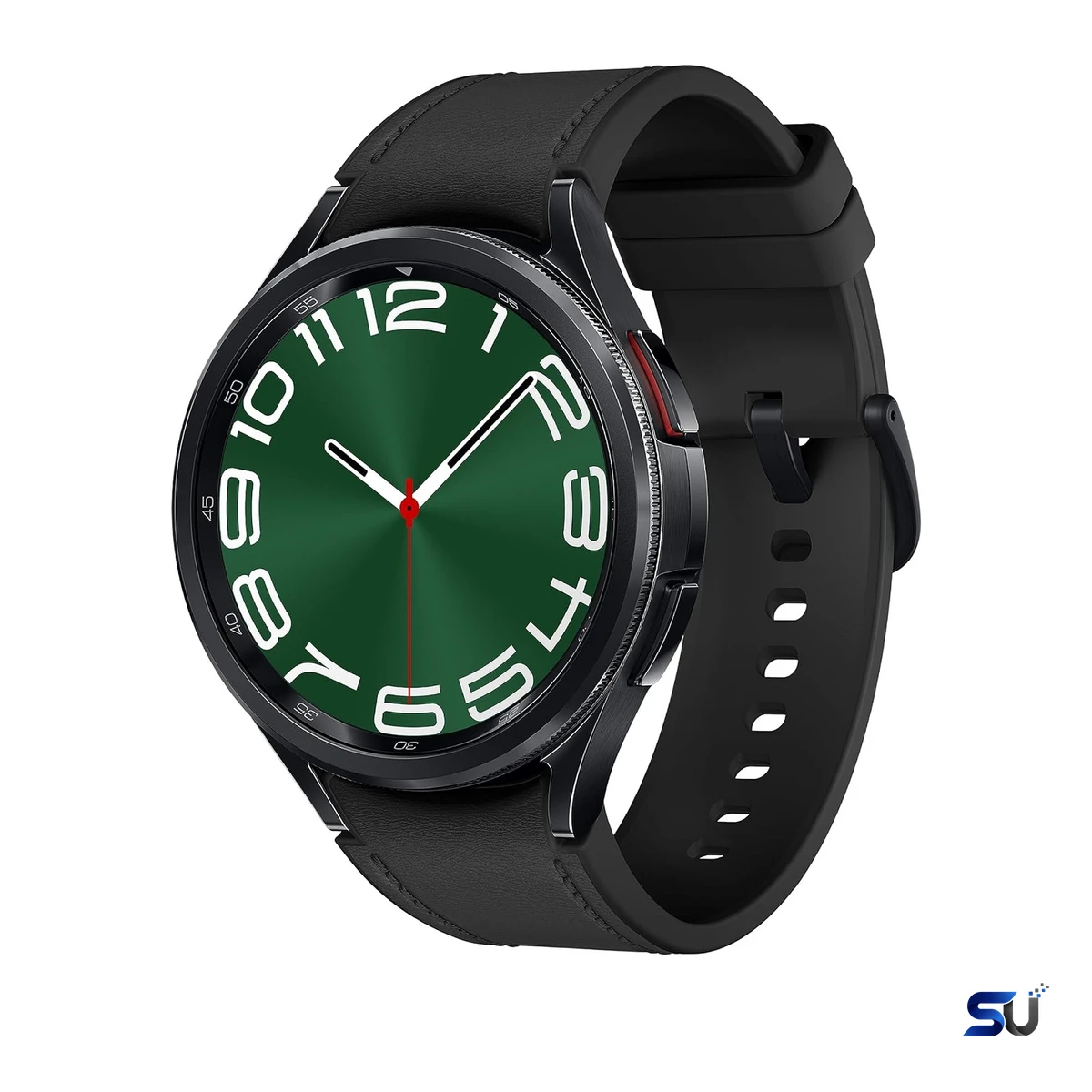
Two colours come with the 40mm case: Graphite and Cream. Graphite is the safe, everyday choice, while Cream softens the look for lighter outfits. Both keep the same sapphire front and the same aluminium frame. In short, the choice is about style rather than function, and either colour works with most straps. Meanwhile, the larger 44mm model adds Silver as a third option for buyers who want the bigger case.
A bright screen that holds up outdoors
The display measures 1.34 inches and uses a Super AMOLED panel with 438 x 438 resolution. Numbers alone do not tell the story, though. What matters in daily use is how the screen behaves in bright light, and here the watch reaches up to 3,000 nits at peak brightness. That level keeps the time, the workout stats and the map readable in direct sun. In addition, the sapphire crystal resists scratches from keys and gym equipment.
Small text stays sharp at this size, and the round face suits the watch's curved design. Colours look rich without going over the top, and the watch face stays readable at a glance during a run. However, the 40mm screen is still a small canvas, so long messages and maps feel cramped next to the 44mm model. That is the honest trade for the lighter case. Buyers who read a lot on their wrist should try both sizes before they decide.
Samsung Galaxy Watch 9 40mm performance in daily use
Inside, the watch runs on the Qualcomm Snapdragon Wear Elite, known by the part code SDW6100. It is a penta-core chip built on a 3 nm process, with one faster core and four efficiency cores. In practice, that means apps open quickly, the interface stays smooth, and the watch copes with tracking, music and notifications at the same time. As a result, the watch feels responsive rather than merely fast on paper. For a device this small, that balance matters more than raw speed.
Memory is 2GB of RAM with 32GB of storage, and there is no card slot. That is enough room for apps, offline music and a healthy library of watch faces. Meanwhile, the storage is fixed, so buyers cannot add a memory card later. The 32GB figure is plain and easy to compare, and it matches the larger model exactly. In short, the two sizes differ in screen and battery, not in memory or storage.
The chip change is the big story of this generation. Earlier Galaxy Watch models used Samsung's own Exynos chips, while this watch moves to Qualcomm silicon. That switch brings a newer process and a fresh start for performance and efficiency. However, a new chip also means new software tuning, so real-world battery life will tell the fuller story over the coming months. For now, the early signs point to a smooth, quick watch.
Battery life and charging
The battery in the Samsung Galaxy Watch 9 40mm holds 390 mAh, which is a useful step up from the 325 mAh cell in the last 40mm model. Samsung rates endurance at up to 40 hours, dropping to around 30 hours when the screen is kept on. That means most people will charge every night or every other night, depending on how they use the watch. In addition, sleep tracking works best when the watch goes to bed with enough charge left, so a quick top-up before bedtime is a good habit.
Charging uses fast WPC-based wireless charging. The watch simply sits on its puck, and a full charge takes a while. As a result, the practical trick is to charge little and often. For example, a short charge during a shower or a meal can add enough power for the night. That way, the Samsung Galaxy Watch 9 40mm rarely needs to sit empty on a charger for hours.
Health, sleep and the BioActive sensor
Health tracking is where the Samsung Galaxy Watch 9 40mm does its most useful work. The BioActive sensor covers heart rate, blood oxygen and ECG readings, and it also supports body composition checks. Those readings feed into sleep tracking, readiness scores and workout analysis. In practice, the value is not one single reading but the pattern over weeks. A resting heart rate that drifts down over a month, for example, tells a clearer story than any single morning's number.
Sleep tracking is the feature most owners will use every single day. Overnight, it records sleep stages, sleep duration and blood oxygen, then turns that data into coaching tips. That coaching is gentle rather than preachy, and it focuses on small changes such as steadier bedtimes. Over time, those small changes add up. However, the Samsung Galaxy Watch 9 40mm can only help if it is worn to bed, so comfort and battery habits matter as much as the sensor itself.
The sensor set goes further than heart rate alone. An accelerometer, gyroscope, barometer, compass, altimeter and skin temperature sensor all feed into workouts and daily tracking. Together, they help the watch tell a run from a walk, a climb from a flat road, and a restless night from a deep one. In addition, the watch can spot signs of sleep apnoea and keep an eye on ambient noise. Those extras turn the watch from a step counter into a broader health companion.
Running, swimming and finding the way
For runners, the watch pairs dual-band GPS with a full sensor set. GPS uses L1 and L5 signals, plus GLONASS, GALILEO and BDS, which helps the watch hold a lock in cities and under trees. That matters when a route matters, because a wandering GPS trace can ruin pace data. In addition, the barometer and altimeter track climbs, while the compass keeps bearings honest. As a result, the Samsung Galaxy Watch 9 40mm suits both street runs and trail days.
Swimmers get 5 ATM water resistance, which covers pool sessions and open-water swims. It tracks swim sessions, and the sealed design keeps splashes from waking the screen. After a swim, a rinse under clean water keeps the strap fresh. That small habit is worth building into the routine. However, hot tubs and high-pressure water jets are still best avoided, as they are with most watches.
Wear OS 7, apps and the everyday interface
Wear OS 7 runs the show on the Samsung Galaxy Watch 9 40mm, with One UI 9 Watch on top. The interface is clean, the tiles are easy to rearrange, and notifications arrive with enough context to act on them. In addition, Google Gemini is built in for voice commands and quick tasks. That means the watch can set timers, answer messages and check the calendar without reaching for a phone. For many owners, that hands-free help is the feature they will use most.
Software support is a quiet strength. Samsung promises five major Wear OS upgrades and security updates for up to five years, with support running into 2031. That is a long life for a watch, and it means the device should stay current well past its first year. Meanwhile, the app library covers fitness, music, maps and payments, so most owners will find what they need. In short, the software is ready on day one and should stay that way.
Connectivity on the Samsung Galaxy Watch 9 40mm covers the daily basics. Bluetooth 6.0 links the watch to a phone and to headphones, while dual-band Wi-Fi handles downloads when the phone is away. In addition, NFC supports tap-to-pay, and the LTE model adds an eSIM for calls and data without a phone. That LTE option uses more battery, so it suits people who often leave their phone behind. For everyone else, the Bluetooth model is the simpler buy.
Who should buy it
The Samsung Galaxy Watch 9 40mm suits people who want strong health tracking in a small, light case. It is a natural fit for runners, gym-goers and anyone who wears a watch to bed. In addition, it suits Android phone owners who want Wear OS apps and voice help on their wrist. The bright screen and the tough build make it easy to live with, while the five-year update promise adds peace of mind. For those buyers, the 40mm size is the sweet spot.
Samsung Galaxy Watch 9 40mm at a glance
- 1.34-inch Super AMOLED display, up to 3,000 nits
- 390 mAh battery, fast WPC-based wireless charging;
- Snapdragon Wear Elite chip, 2GB RAM, 32GB storage
- Wear OS 7 with One UI 9 Watch
- BioActive sensor: heart rate, ECG, blood oxygen, sleep tracking
- IP68, 5 ATM and MIL-STD-810H durability
There are also buyers who should look elsewhere. The 44mm model is the better pick for anyone who wants the biggest screen and the longest battery life. In addition, the 44mm model carries a 445 mAh battery and a 1.47-inch display, so the gap is real. Meanwhile, buyers who need a week of battery from one charge will not find it here. Those trade-offs are part of the size, not a flaw in the design.
What is still to discover
A few details about the Samsung Galaxy Watch 9 40mm are still to discover, and this review will not guess at them. The exact charging time from empty to full and the strap options beyond the standard silicone band remain unclear. In addition, the price is not listed here, because it varies by seller and over time. As new details are verified, this page will be updated to match. For now, buyers should treat those points as open questions rather than settled facts. That honesty is part of how this site works.
Final thoughts
The smaller Galaxy Watch 9 is a careful balance of size, brightness and battery. It keeps the same chip, the same health sensors and the same software as its larger sibling, and it wraps them in a case that suits more wrists. The battery is bigger than before, the screen stays readable in bright light, and the health tracking covers the metrics that matter. In short, the Samsung Galaxy Watch 9 40mm is the everyday Galaxy Watch for most people. The larger model is there for those who want more screen, and the Ultra 2 is there for those who want more of everything.