For years, the humble fitness band lived in the shadow of the smartwatch. It counted steps, tracked sleep, and quietly did its job while flashier devices grabbed attention. Then Google gave its most popular tracker a physical button, a heart-health app, and genuine Google services. The result is a device that feels familiar on the wrist yet far more capable than before. The Fitbit Charge 6 is that device, and it keeps the slim shape that made Charge a favourite.
This guide looks at what changed, what stayed the same, and who benefits most. Furthermore, it sticks to the facts Google publishes, so every specification below matches the official record. You will find no inflated claims here, only a clear picture of a tracker built for daily life.
Design and Comfort: Still a Band, Only Smarter
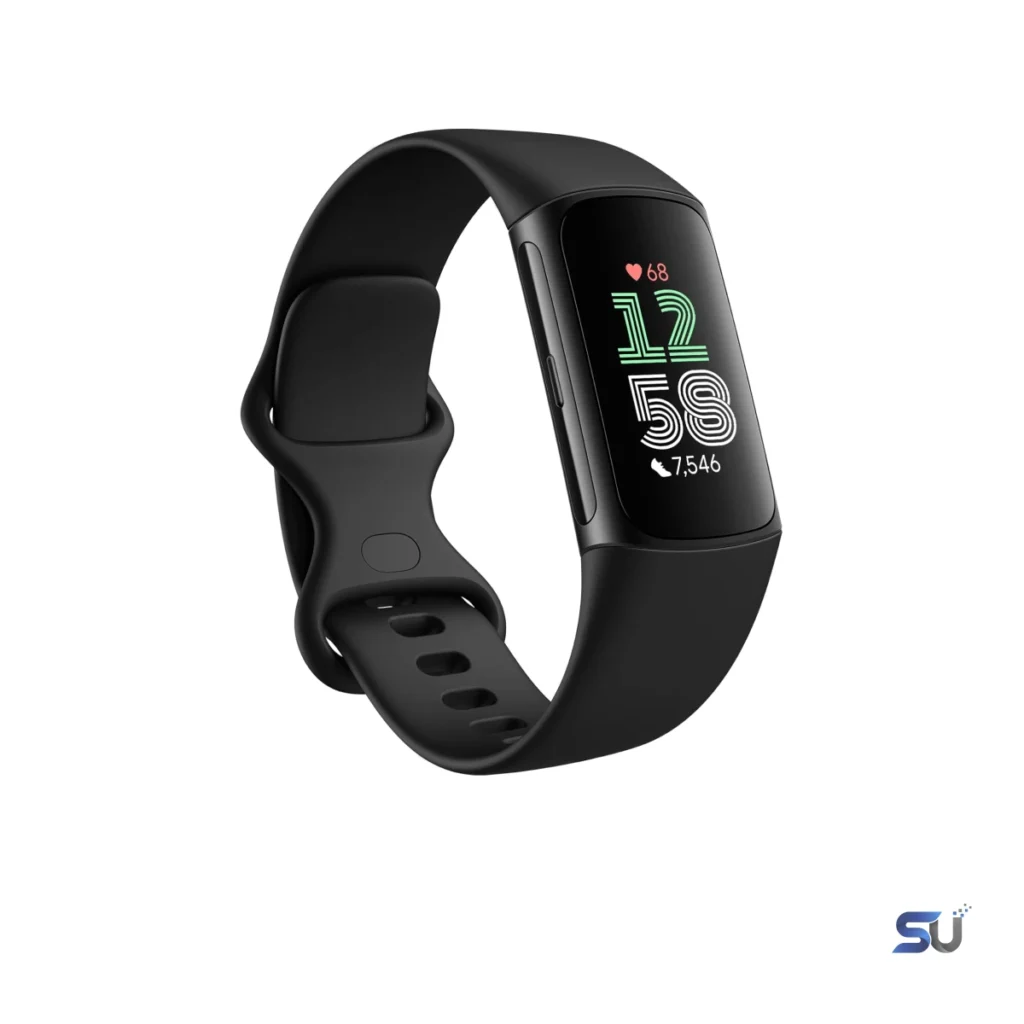
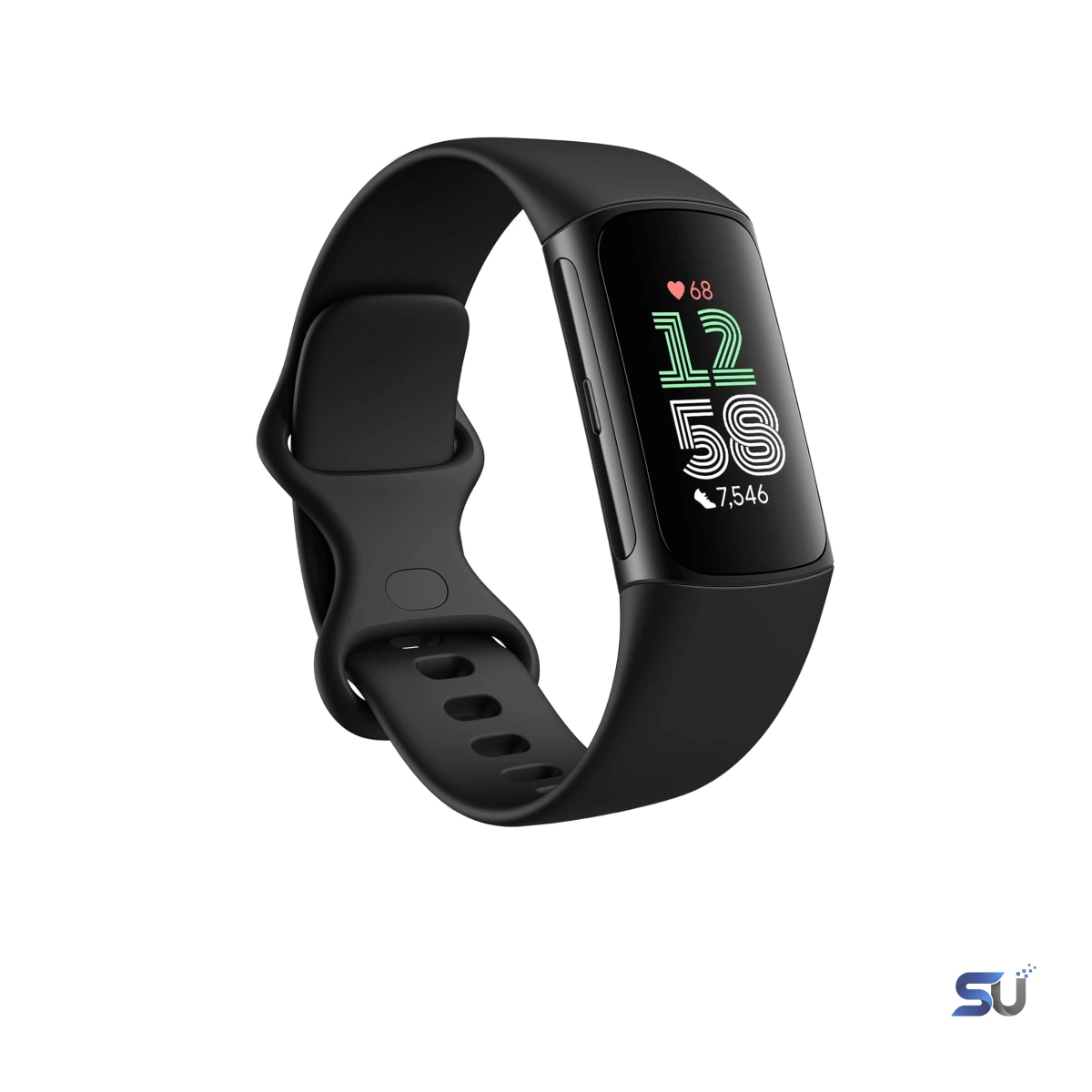
At 36.73 x 23.09 x 11.20 mm and just 30 g, this tracker almost disappears on the wrist. Its aluminium case pairs with a flexible silicone band, and the loop-and-peg closure keeps the fit secure during runs. Furthermore, the band ships in two sizes, so small and large wrists both get a proper fit. The small size fits wrists from 5.1 to 6.7 inches, while the large size covers 6.7 to 8.3 inches. Both sizes come in the box, which removes the usual guesswork before buying.
Three finishes keep the look simple and grown-up. Coral pairs with champagne gold aluminium, porcelain pairs with silver aluminium, and obsidian pairs with black aluminium. Moreover, the slim profile slides under shirt cuffs without catching, a small detail that matters every day. It is a fitness band first, not a watch trying to be one. As a result, it suits people who want health data without a large screen on their wrist.
Water resistance adds to that everyday confidence. The band is water resistant to 50 meters, rated at 5 ATM under ISO 22810:2010. Swims and showers therefore need no second thought, although Fitbit still advises care with soaps and chemicals. Similarly, the toughened glass face resists the knocks of daily wear. It is a tool built for routine, not for display.
The Button That Changed Everything
Earlier Charge models relied entirely on taps and swipes. This generation adds a physical side navigation button, and that single change transforms daily use. Users can now end a workout, return to the clock, or wake the screen with a press. Furthermore, the button gives the band a tactile anchor, which helps during exercise when touchscreens often misread sweaty fingers. It is a modest addition with an outsized effect.
The button also works with the band's new health sensors. Pressing the sides starts an ECG reading, while the same electrical sensors support EDA scans for stress responses. Indeed, the hardware now measures far more than steps and heart rate alone. Navigation stays simple, however, because one button cannot complicate a menu. For example, a short press moves back, while a longer interaction wakes or confirms. The design team clearly chose clarity over clutter.
Side buttons matter for another reason too. Gloves, rain, and cold hands all defeat touchscreens, yet a button keeps working regardless. Moreover, the button sits flush with the case, so it never snags on sleeves. Users who disliked the old swipe-only controls will notice the difference immediately. Thus, a small piece of hardware quietly fixes the Charge line's longest-running complaint.
Fitbit Charge 6 Health Tracking: Heart, Sleep and Stress
Heart tracking leads the health story here. The Fitbit Charge 6 watches the pulse all day with an optical heart rate monitor. During HIIT workouts, heart rate tracking is up to 60% more accurate than on other Fitbit trackers. Google bases that comparison on other Fitbit trackers as of Autumn 2023. Furthermore, heart rate is recorded every second during exercise and every five seconds otherwise. That density gives workouts a detailed pulse curve rather than a rough outline.
The ECG app marks the biggest health upgrade. Multipurpose electrical sensors read the heart's rhythm, and the app can flag signs of atrial fibrillation. Irregular heart rhythm notifications work alongside it, although both features are available in select countries only. Moreover, users should treat results as guidance, not a diagnosis, and seek medical advice for concerns. Nevertheless, having ECG on a slim band once required a far larger device.
Night-time recovery and stress tracking round out the picture. Sleep tracking produces a Sleep Score each morning, which reflects duration, depth, and restoration. SpO2 monitoring uses red and infrared sensors to estimate blood oxygen variation overnight. A skin temperature sensor adds variation data inside the app, while the Stress Management Score pulls several signals together. For instance, a poor night of sleep often appears alongside a lower readiness picture the next day. Similarly, regular wear improves the accuracy of every long-term trend.
Built-in GPS and Outdoor Workouts
Runners gain the most from the Fitbit Charge 6 and its built-in GPS and GLONASS. The band maps routes without a phone nearby, so outdoor runs stay free of extra weight. Furthermore, pace and distance come from satellites rather than step estimates, which keeps totals honest on trails. SmartTrack automatic exercise recognition also logs workouts that users forget to start. As a result, a spontaneous walk or ride still counts toward daily goals.
A 3-axis accelerometer supports that GPS data with motion detail. It separates walking from running, counts steps, and feeds the band's activity records. Fitbit stores seven days of detailed motion data minute by minute, plus daily totals for the last 30 days. Moreover, heart rate on exercise equipment adds context when the band pairs with compatible gym machines. Cardio Fitness Level, also called VO2 max, then estimates overall aerobic capacity from workouts.
Outdoor use also benefits from the 5 ATM water rating. Swimmers can train in the pool without removing the band, and rain never interrupts a run. The operating range covers 14 to 113 degrees Fahrenheit, with a maximum operating altitude of 28,000 feet. Nevertheless, extreme cold still drains batteries faster, so winter runners should charge more often. Indeed, the band suits outdoor athletes who value route data over a large display.
Google on Your Wrist: Maps, Wallet and Notifications
Google services separate the Fitbit Charge 6 from earlier Fitbit bands. Maps gives turn-by-turn directions on the wrist, which helps runners and walkers in unfamiliar streets. Google Wallet supports contactless payments through the band's NFC chip. Furthermore, smart notifications bring Gmail and Google Calendar alerts to the wrist without reaching for a phone. It is a careful selection of apps, not a full app store.
The vibration motor keeps those alerts discreet. A quiet buzz signals messages, calls, and reminders without disturbing a room. Moreover, notification control stays with the phone, so users choose which apps may interrupt them. Syncing needs Bluetooth LE and an internet connection, with a range of up to 30 feet. As a result, the band stays connected around the house while the phone charges elsewhere.
This Google integration explains the band's appeal to Android users. It works with Android 11.0 or higher and iOS 16.4 or higher, so both major platforms stay supported. However, Google features feel most natural alongside an Android phone and a Google account. For instance, Wallet setup and Maps directions both draw on Google services users already know. The band therefore bridges Fitbit health tracking and Google convenience in one slim package.
Display, Battery and Everyday Use
The AMOLED display gives the band a modern face. Colours look vivid, blacks stay deep, and the always-on option keeps the time visible all day. Corning Gorilla Glass 3 protects that screen from scratches and everyday knocks. Furthermore, an ambient light sensor adjusts brightness to suit bright sunlight or dark rooms. The display stays readable at a glance, which matters during workouts.
Battery life remains a Charge strength. The Fitbit Charge 6 promises up to 7 days of battery life for typical use. Charging from 0 to 100% takes two hours with the supplied charging cable. Moreover, always-on display and SpO2 use require more frequent charging, according to Fitbit. As a result, heavy users should expect shorter life than the headline figure. Nevertheless, a week of tracking between charges still beats most smartwatches.
Daily wear also benefits from the band's light weight. At 30 g, it rarely distracts during sleep or typing. The silicone band resists sweat and rinses clean after workouts. Furthermore, the lithium-polymer battery charges through a simple cable, with no dock to lose. For example, travellers can top up from a laptop during a work break. It is a low-fuss device for people who dislike gadget maintenance.
Fitbit Charge 6 Compatibility and What's in the Box
Compatibility covers the two major phone platforms. Android phones need Android 11.0 or higher, while iPhones need iOS 16.4 or higher. Bluetooth LE handles syncing, and an internet connection completes the link to the Fitbit app. Furthermore, the band pairs with compatible exercise equipment for heart rate sharing during gym sessions. The Fitbit Charge 6 keeps setup simple, with guided steps inside the app.
The box contents match the band's practical character. Buyers receive the tracker itself, an Infinity band in both small and large sizes, and a charging cable. No separate charger purchase is necessary, and no extra band size needs ordering later. Moreover, the included sizes cover wrists from 5.1 to 8.3 inches combined. As a result, most buyers can wear the band comfortably straight from the box.
One caution applies to buyers outside supported regions. ECG and irregular heart rhythm notifications work in select countries only, so availability varies by location. Furthermore, some Google features may also vary by country and phone model. Checking local availability before purchase avoids disappointment later. Nevertheless, core tracking, GPS, and sleep features work wherever the band is sold.
Who Should Buy It
The Fitbit Charge 6 suits runners, walkers, and gym users who want serious health data without a smartwatch. Daily fitness tracking stays effortless, while built-in GPS handles outdoor workouts without a phone. Heart health and sleep monitoring add depth for users watching long-term trends. Furthermore, Google Maps and Wallet on the wrist appeal to Android users who already live in Google services. It is a strong match for people who value lightness over apps.
Casual step counters will also find value here, although simpler bands cost less. Occasional swims suit the 5 ATM rating, and basic smart notifications cover calls and messages. However, buyers wanting full smartwatch apps should look elsewhere, since this band offers a curated set only. Music storage and playback are absent, and long phone-free use without a phone remains limited. As a result, the ideal buyer pairs the band with a phone daily.
Budget-conscious buyers should weigh the trade-offs carefully. The band delivers ECG, GPS, and Google apps in a slim package, which few rivals match at this size. Moreover, its week-long battery removes the nightly charging habit of larger watches. For example, travellers and shift workers both benefit from less time tethered to a charger. Thus, the value lies in focused health tracking, not in doing everything.
Frequently Asked Questions
Does the Fitbit Charge 6 have ECG? Yes, the band includes an ECG app powered by multipurpose electrical sensors. It can assess heart rhythm and flag possible signs of atrial fibrillation. However, ECG and irregular heart rhythm notifications are available in select countries only. Users should confirm local availability before relying on these features.
How long does the battery last? The Fitbit Charge 6 promises up to 7 days of battery life for typical use. Charging from 0 to 100% takes two hours with the supplied cable. Furthermore, always-on display and SpO2 use require more frequent charging. Heavy GPS use will also shorten life between charges.
Can I use Google Maps and Wallet on it? Yes, Google Maps gives directions on the wrist, and Google Wallet supports contactless payments via NFC. Both features work best with an Android phone and a Google account. Moreover, Gmail and Google Calendar notifications also reach the wrist through smart notifications. It is a focused Google experience, not a full smartwatch platform.
Is the band suitable for swimming? Yes, the band is water resistant to 50 meters, rated at 5 ATM under ISO 22810:2010. Swimmers can therefore train without removing it from the wrist. However, Fitbit advises care with soaps, shampoos, and chemicals that may affect materials.
Which phones work with the Fitbit Charge 6? Android phones need Android 11.0 or higher, while iPhones need iOS 16.4 or higher. Syncing uses Bluetooth LE plus an internet connection, with a range of up to 30 feet. Furthermore, heart rate sharing works with compatible exercise equipment in gyms. The Fitbit app guides setup on both platforms.
Summary
The Fitbit Charge 6 succeeds because it changes just enough. A physical button fixes navigation, ECG adds serious health depth, and Google apps bring everyday convenience. Furthermore, it keeps the slim band shape, week-long battery, and simple comfort that defined the Charge line. It does not try to replace a smartwatch, and that restraint is its strength.
Pros:
- Physical side button for easier navigation
- ECG app with irregular heart rhythm notifications
- Built-in GPS and GLONASS for phone-free routes
- Google Maps, Wallet and smart notifications
- Up to 7 days of battery life
For runners, walkers, and gym users, this band covers the essentials without wrist bulk. Casual users gain sleep, stress, and heart insights from a device they can forget they wear. Moreover, Android users gain the most from its Google integration. As a result, the Fitbit Charge 6 stands as the most complete fitness band in its line so far.