Comfort is not a minor feature on a watch that tracks sleep, workouts and daily health. The Samsung Galaxy Watch8 44mm is built around that idea. It gives Android users a large, bright screen in a slim aluminum case, then adds Wear OS apps and Samsung’s broad health system. Battery life remains the part that asks for patience.
Specs Universe prepared this desk-research assessment from its published device record, Samsung documentation, independent testing and recurring owner feedback. We did not physically test the watch. Fit, settings, workouts, network use and phone choice can change real results.
Quick verdict
The Samsung Galaxy Watch8 is one of the easiest Android smartwatches to recommend for everyday use. This exact 44mm version combines a 1.47-inch AMOLED screen with a 34g Armor Aluminum case. It feels less imposing than the Classic or Ultra while keeping the core apps, health tools and optional LTE connectivity.
Its weakness is familiar. The 435mAh battery is rated for up to 40 hours with the always-on display off or 30 hours with it on. Heavy use can turn charging into a daily habit. Buy it for comfort, software and Galaxy phone integration, preferably below launch price. Choose a sports watch when multi-day endurance matters more.
Key specifications
| Area | Specs Universe record | Why it matters |
|---|---|---|
| Display | 1.47-inch Super AMOLED, 480 × 480, 3,000 nits peak | Large, sharp and readable in bright light |
| Processor | Samsung Exynos W1000, five-core, 3nm | Fast enough for smooth Wear OS navigation |
| Memory | 2GB RAM and 32GB storage | Useful room for apps and supported offline media |
| Case | 43.7 × 46.0 × 8.6mm, 34g | Thin and light for a large-screen smartwatch |
| Material | Armor Aluminum case | Prioritizes comfort over the Classic’s steel weight |
| Durability | 5 ATM, IP68 and MIL-STD-810H | Suitable for normal exercise and water exposure within guidance |
| Battery | 435mAh; up to 40 hours with AOD off or 30 hours with AOD on | Regular charging is still necessary |
| Compatibility | Android 12 or newer with Google Mobile Services | Not compatible with iPhone |
These specifications belong to the 44mm record. The 40mm Watch8 has a smaller display, case and battery. The Watch8 Classic is also a separate product with stainless steel, different dimensions and 64GB of storage.
Comfort is the real upgrade
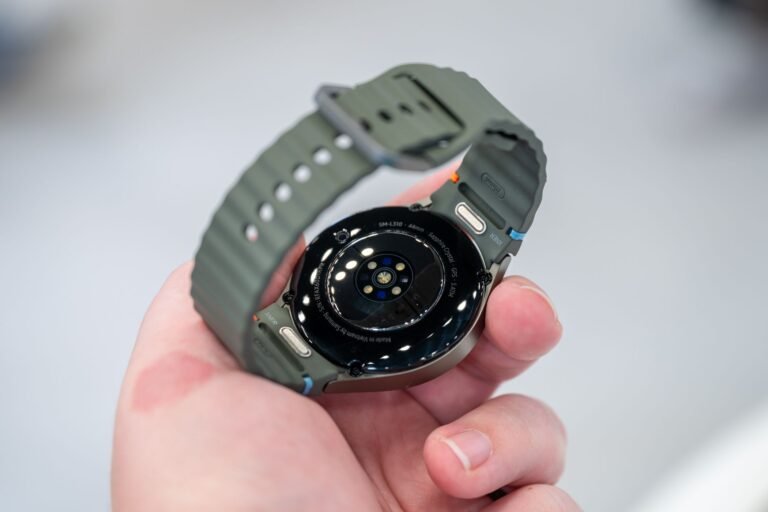
The standard Watch8 uses Samsung’s cushion-shaped case around a circular screen. The shape will divide opinion in photographs, but published reviews consistently praise the thin profile and comfort. At 8.6mm and 34g before the strap, the 44mm model is easier to wear during exercise and sleep than Samsung’s heavier watches.
Comfort improves the usefulness of health tracking. A watch can only build sleep and recovery trends when it stays on the wrist. The 44mm size still needs enough wrist space, yet its low weight makes the large face less demanding than the dimensions suggest.
The Armor Aluminum case comes in Graphite or Silver. Sapphire crystal covers the display. Water protection includes 5 ATM and IP68, while MIL-STD-810H provides additional durability context. These ratings do not remove Samsung’s usage limits, and resistance can decline after damage.
The new band attachment keeps the strap close to the case. That can improve sensor contact, though it also changes compatibility with older bands. Check the exact connector before assuming an existing collection will fit.
Samsung Galaxy Watch8 display
The 1.47-inch Super AMOLED panel is larger than the Classic’s screen and carries a 480 × 480 resolution. Text, maps and complications have useful space without forcing a heavy steel case. The published peak brightness of 3,000 nits supports strong visibility outdoors.
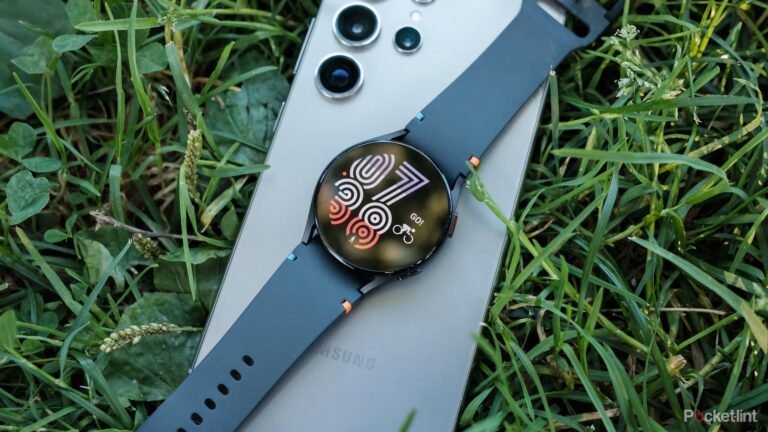
Always-on display mode makes the watch behave more like a normal timepiece. It also lowers the stated endurance from 40 hours to 30 hours. The tradeoff is worth making for some people, but a gesture-based wake setting is the easier route to longer battery life.
The standard model uses a digital touch bezel rather than the Classic’s physical ring. Swiping works well enough, though it lacks tactile precision. That is the clearest interaction difference between the two products.
Performance and Wear OS software
The Exynos W1000 is a five-core 3nm chip paired with 2GB of RAM. Samsung also used it in the previous generation, so raw speed is not the main reason to upgrade. Published reviews still describe menus, tiles and app launches as quick and stable.
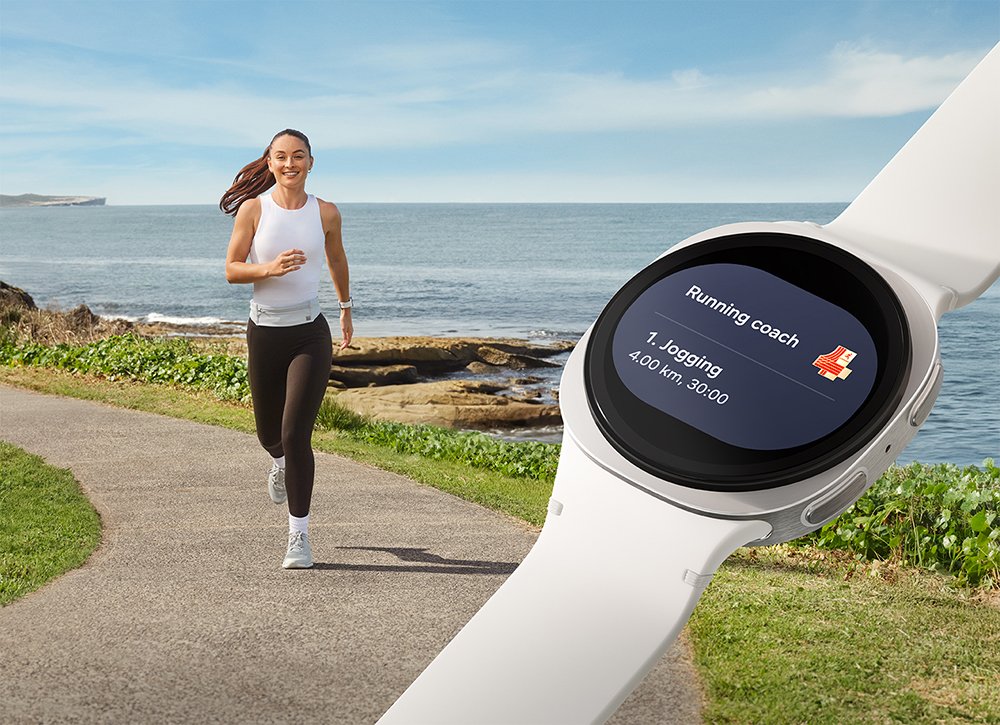
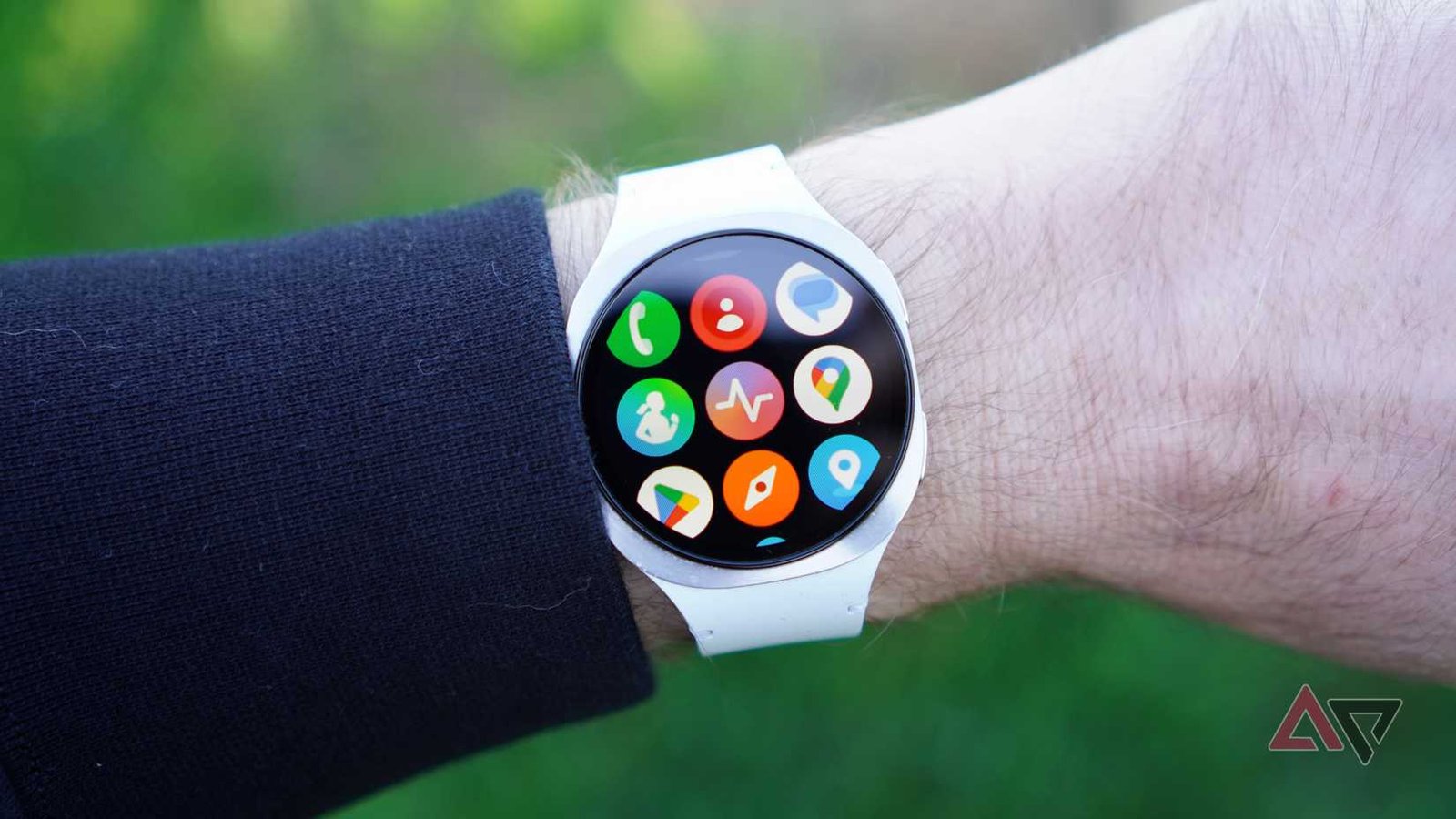
Wear OS 6 and One UI 8 Watch bring Google Maps, Wallet, voice assistance, notifications and third-party apps together with Samsung Health. The Now Bar can show an active task at a glance, while tiles keep common information one or two swipes away.
Voice assistance matters more on a watch than another decorative feature. A spoken request can start a timer, create a reminder or find simple information when both hands are occupied. Results still depend on the connected account, network and supported apps. Notifications also need careful setup. Allowing every phone alert onto the wrist quickly becomes irritating, while a short list of calls, messages and calendar events keeps the feature useful.
The 32GB storage capacity is adequate for apps and supported offline media. It is half the storage of the Classic, but most people will not treat a watch like a phone. Music-heavy routines deserve more attention to available space.
The best integration comes with a Samsung phone. Some health functions rely on Samsung software, compatible hardware and regional approval. Android phones from other brands can use the core watch through the Galaxy Wearable and Samsung Health apps, but important features should be checked before purchase.
Health and sleep features
The Specs Universe record includes heart-rate, ECG, SpO2 and sleep tracking. Samsung Health presents daily movement, workouts and rest in an approachable system. Newer coaching and wellness scores can encourage consistency, especially when several weeks of data reveal a pattern.
These functions are not medical diagnoses. ECG availability and related features can depend on country, phone and eligibility. Unusual symptoms need proper medical assessment regardless of what a watch reports.
The slim case is a practical advantage overnight. Published reviews often describe the standard model as more comfortable than the Classic. Owner feedback also praises the light fit, although band choice and wrist size still matter.
Some newer health estimates are more interesting than decisive. Independent reviewers have questioned how actionable the Antioxidant Index and other scores are. Treat them as extra context rather than a reason to replace a sound diet, training plan or professional advice.
Fitness tracking and GPS
Built-in multi-system GNSS records outdoor activities without a phone. Independent testing generally finds improved route tracking compared with older Galaxy generations. Difficult turns, tall buildings and tree cover can still create drift.
Heart-rate tracking works well for steady exercise and daily trends. Fast intervals, strength work and loose fit can expose errors. Athletes who control intense sessions through exact zones should use a chest strap or a sports-focused system.
Samsung’s Running Coach and workout library suit general fitness better than elite analysis. The Samsung Galaxy Watch8 covers walks, gym sessions and ordinary runs confidently. Garmin, COROS and Polar remain stronger when detailed training load, maps or long-event endurance lead the decision.
Recurring owner feedback is positive about responsiveness, screen quality and comfort. Battery reports vary much more. That pattern matches independent testing: the watch is pleasant to use, but power settings strongly affect how often it returns to the charger.
Samsung Galaxy Watch8 battery life
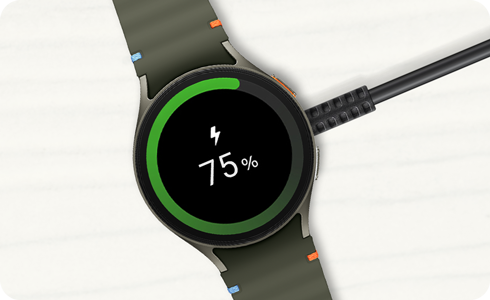
The 435mAh battery has a stated limit of up to 40 hours with the always-on display off and 30 hours with it on. GPS workouts, LTE, sleep tracking, voice features and frequent notifications can shorten both figures.
Published reviews often land around a day to a day and a half under mixed use. Some light routines reach farther, while demanding settings may require two short top-ups in a day. Setup and software updates can also create temporary drain.
Fast WPC-based wireless charging makes a desk or shower top-up practical. It does not solve the underlying limitation. Anyone who wants several days between charges should consider OnePlus, Garmin or a simpler fitness watch.
There is also a choice between continuous data and longer endurance. Turning off the always-on display helps, but disabling every useful sensor defeats the purpose. We would keep the features that matter and build a short charging routine around them.
Bluetooth and LTE choices
The 44mm model comes in Bluetooth/Wi-Fi and LTE versions. The LTE edition uses eSIM and can support calls, messages and connected services without a nearby phone when the carrier and plan allow it.
Bluetooth 5.3 and Wi-Fi at 2.4/5GHz cover ordinary connections. NFC supports contactless payments through compatible services. Compass, accelerometer and barometer data support activity and navigation features.
Bluetooth is the better default if a phone usually stays nearby. LTE adds cost, possible monthly fees and extra battery demand. Confirm US carrier activation before ordering, especially when an international listing looks unusually cheap.
Price and value in the United States
The 44mm Bluetooth model launched at $379.99 in the United States, while LTE added another $50. Current promotions and trade-ins can cut that price significantly. A deal should still be judged against the final cost, not the largest advertised trade-in number.
US stock provides the clearest warranty and LTE path. International versions may cost less but can carry shorter seller warranties or regional differences. That risk is easier to accept on Bluetooth than on a cellular model.
Galaxy Watch7 owners gain a thinner design, brighter screen and newer health software, but the processor remains the same family. Upgrade only when those changes matter. Watch5 and older models present a clearer case because responsiveness, display and sensor improvements accumulate.
Three alternatives worth considering
Samsung Galaxy Watch8 Classic: choose it for the rotating bezel, stainless steel and 64GB storage. The standard 44mm watch is lighter, has a larger display and costs less.
Google Pixel Watch: choose it for Google’s design and a less Samsung-centered Android experience. Samsung offers a larger 44mm screen and deeper Galaxy phone integration.
OnePlus Watch: choose it when longer battery life matters more than Samsung Health. The Watch8 remains the safer choice for Galaxy phone features and Samsung’s service ecosystem.
Who should buy it?
Buy the 44mm model if you use a compatible Android phone, want a large bright display and plan to wear the watch for sleep as well as daily tasks. It is particularly good for a Galaxy phone owner who values comfort over the Classic’s bezel.
Skip it if you use an iPhone, need detailed outdoor maps or strongly dislike daily charging. The 40mm version fits smaller wrists, but its display, battery and dimensions are separate and should not be judged from this record.
Questions before buying
Is the 44mm version better than 40mm? It provides the larger 1.47-inch screen and 435mAh battery stored in this record. The smaller model may fit narrow wrists better. Neither size is universally right, so comfort should decide.
Will it work with an iPhone? No. Compatibility begins with Android 12 and Google Mobile Services. An Apple Watch or a cross-platform fitness watch is the appropriate alternative for an iPhone owner.
Can it last two days? The official profile reaches up to 40 hours with the always-on display disabled. Light use may approach that figure, but GPS, LTE and frequent interactions reduce it. Plan for a regular charge.
Does the watch need a Samsung phone? Core features work with compatible Android phones through Samsung’s apps. Some health functions and integrations favor Galaxy hardware, supported regions and Samsung accounts. Check any essential feature before purchase.
Are the health readings medical results? No. Heart rate, ECG, SpO2 and sleep tracking can show useful patterns. They cannot replace professional diagnosis or approved medical equipment.
Final verdict
The Samsung Galaxy Watch8 44mm succeeds because it is thin, light and genuinely useful. Its bright 1.47-inch screen, fast Wear OS software and broad health tools fit normal Android life well. Short battery life remains the main reason to hesitate.
We recommend the Bluetooth version at a good US discount. Choose LTE only when phone-free connectivity has a clear role, and choose the Classic only when its physical bezel matters more than comfort and price.